Imagine turning that awkward empty alcove in your home into a stunning bookshelf that holds your favorite books, decor, and memories. You might think building one is too hard or expensive, but it’s easier than you expect.
With the right steps, tools, and a little guidance, you can create a custom bookshelf that fits perfectly and adds charm to your space. Ready to transform your alcove and impress everyone with your DIY skills? Keep reading, and I’ll show you exactly how to do it.
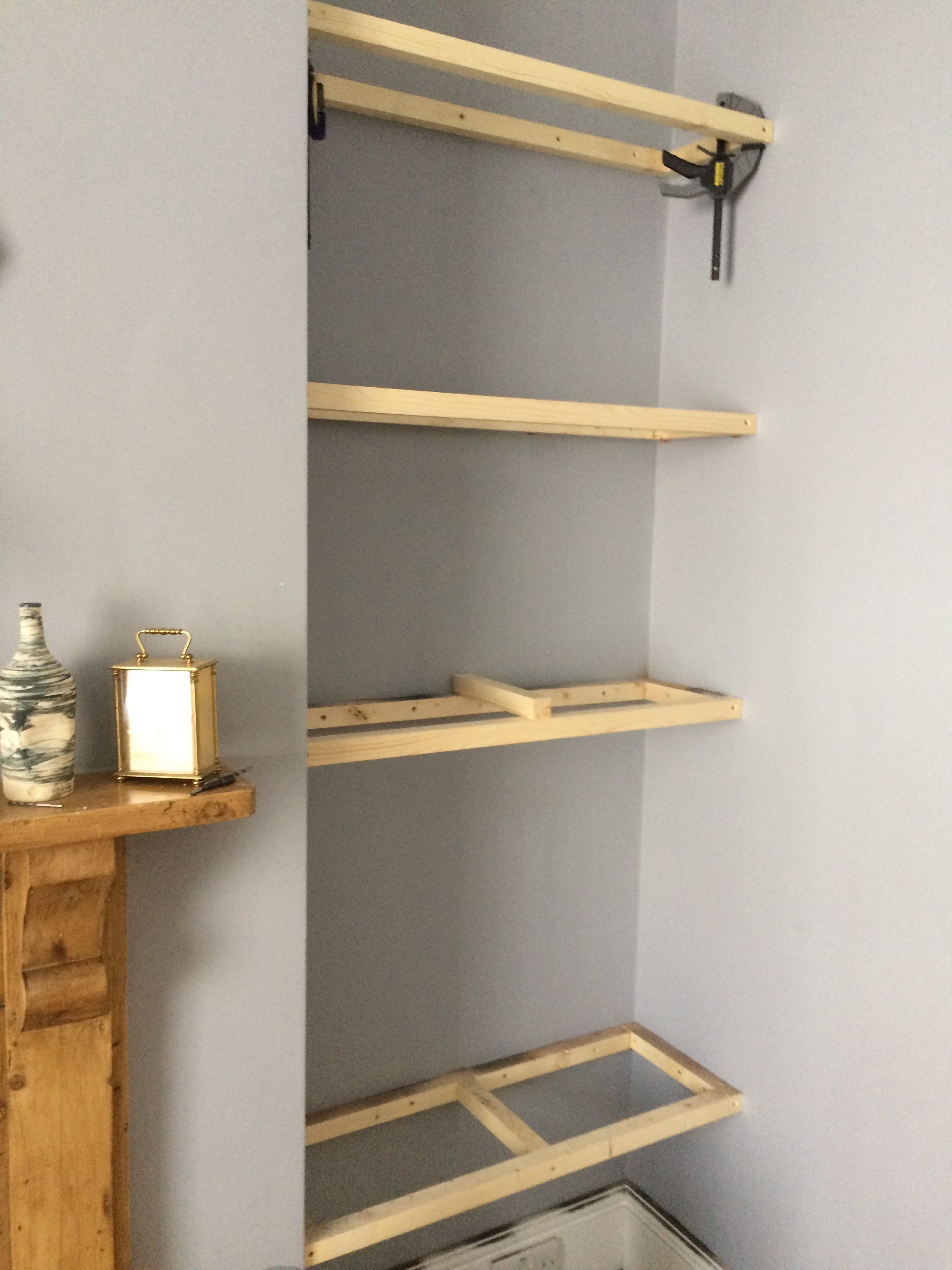
Credit: oldmangrumbling.com
Planning Your Bookshelf
Planning your bookshelf is the first step to a successful project. Careful preparation saves time and effort. It ensures the shelf fits perfectly and looks great. Take your time during this phase. Think about the space, materials, and design that suit your needs.
Measuring The Alcove Space
Measure the width, height, and depth of the alcove carefully. Use a tape measure for accuracy. Check the walls and floor for any uneven spots. Write down all measurements clearly. Double-check to avoid mistakes. Accurate measurements help create a well-fitting bookshelf.
Choosing The Right Materials
Select materials that suit your style and budget. Common options include pine, plywood, and MDF. Pine is affordable and easy to work with. Plywood offers strength and a smooth finish. MDF is smooth and great for painting. Pick materials that match your skill level and room decor.
Designing The Shelf Layout
Decide how many shelves you want. Think about the height of your books and items. Leave enough space between shelves for easy access. Plan for stronger support if shelves will hold heavy items. Sketch your design on paper or use a simple app. A clear layout guides your building process.
Gathering Tools And Supplies
Gathering the right tools and supplies is the first step to build a sturdy bookshelf in an alcove. Having everything ready saves time and makes the project smoother. This section covers the essential tools and how to pick the best wood and hardware.
Essential Tools Needed
Start with basic tools like a tape measure and pencil for marking. A saw is necessary to cut the wood to size. Choose a handsaw or a power saw based on your comfort. A drill helps to make holes and drive screws easily. Screwdrivers and a level ensure shelves are straight and secure. Sandpaper smooths the wood edges for a clean finish. Clamps hold pieces together while you work. Safety gear like gloves and goggles protect you during cutting and drilling.
Selecting Wood And Hardware
Pick wood that fits your style and budget. Pine is affordable and easy to work with. Oak and maple are stronger but cost more. Measure the alcove to know how much wood to buy. Choose shelf boards and side panels that fit the space. Use screws and brackets designed for wood shelves. Wall anchors add extra support if the alcove walls are drywall. Pick hardware with a finish that matches your room’s decor.
Preparing The Alcove
Preparing the alcove is the first step to building a sturdy bookshelf. It sets the foundation for your project. Taking time here saves effort later. A clean, well-marked space helps you work faster and safer.
Start by making sure the space is ready. Check walls for damage or weaknesses. Plan shelf positions clearly. Good preparation means a better final result.
Clearing The Space
Remove all items from the alcove. Clear dust, dirt, and cobwebs. A clean area helps you see the walls and floor clearly. It also prevents damage to your tools and materials. Use a broom or vacuum to clean corners well. Make space for tools and wood nearby.
Checking Wall Condition
Look for cracks or holes in the walls. Small cracks can be fixed with filler. Large holes might need professional help. Check if walls are straight and even. Use a level tool for accuracy. Uneven walls can cause shelves to tilt. Also, check for damp spots or mold. Fix any moisture problems before building.
Marking Shelf Positions
Decide how many shelves you want. Measure the height of the alcove. Divide space evenly for each shelf. Use a pencil and level to mark lines on walls. Mark shelf heights on both sides of the alcove. Double-check your measurements before drilling. Clear and accurate marks guide your shelf installation.
Cutting And Assembling The Shelves
Cutting and assembling the shelves is a key step in building a bookshelf in an alcove. This process shapes the wood into perfect pieces and joins them together. Careful work here ensures strong and neat shelves. Follow each step closely for best results.
Measuring And Cutting Wood
Start by measuring the alcove’s width and depth. Mark the wood pieces according to these measurements. Use a pencil and a straight edge for accuracy. Cut the wood with a saw, following the marked lines. Take your time to make straight, clean cuts. Check each piece after cutting to confirm the size.
Sanding And Finishing Edges
Sand all cut edges with medium-grit sandpaper. This removes splinters and smooths rough surfaces. Move the sandpaper in one direction for best results. After sanding, wipe the dust away with a dry cloth. Smooth edges prevent injuries and help paint stick better. Repeat sanding with fine-grit paper for a polished finish.
Assembling Shelf Components
Lay out all shelf pieces on a flat surface. Begin by attaching the sides to the bottom shelf. Use wood glue and screws for a strong hold. Drill pilot holes before screwing to avoid splitting the wood. Add the remaining shelves at measured intervals. Check each shelf for level before fixing. Tighten screws and wipe off excess glue. Let the glue dry fully before moving the shelf.
Installing The Bookshelf
Installing the bookshelf in your alcove is the key step to finish your project. This process needs care to make sure the shelves hold your books safely. Follow each step carefully for a strong, neat result.
Securing Shelf Supports
Start by marking where the shelf supports will go. Use a pencil and a level to keep marks straight. Drill holes into the wall at each mark. Insert anchors if the wall needs extra support. Screw the shelf supports firmly into the wall. Check each support to ensure it is tight and secure.
Mounting Shelves In Place
Lift the shelves carefully and place them on the supports. Adjust the shelves so they fit perfectly in the alcove space. Use a drill or screwdriver to fasten the shelves to the supports. Make sure the screws are tight but do not crack the wood. Repeat this for each shelf until all are mounted.
Ensuring Stability And Leveling
Use a level tool to check each shelf’s balance. Adjust supports or shelves if any shelf tilts or sags. Press gently on each shelf to test its strength. Tighten screws again if any movement is noticed. Stability is important to keep your books safe and the shelves long-lasting.
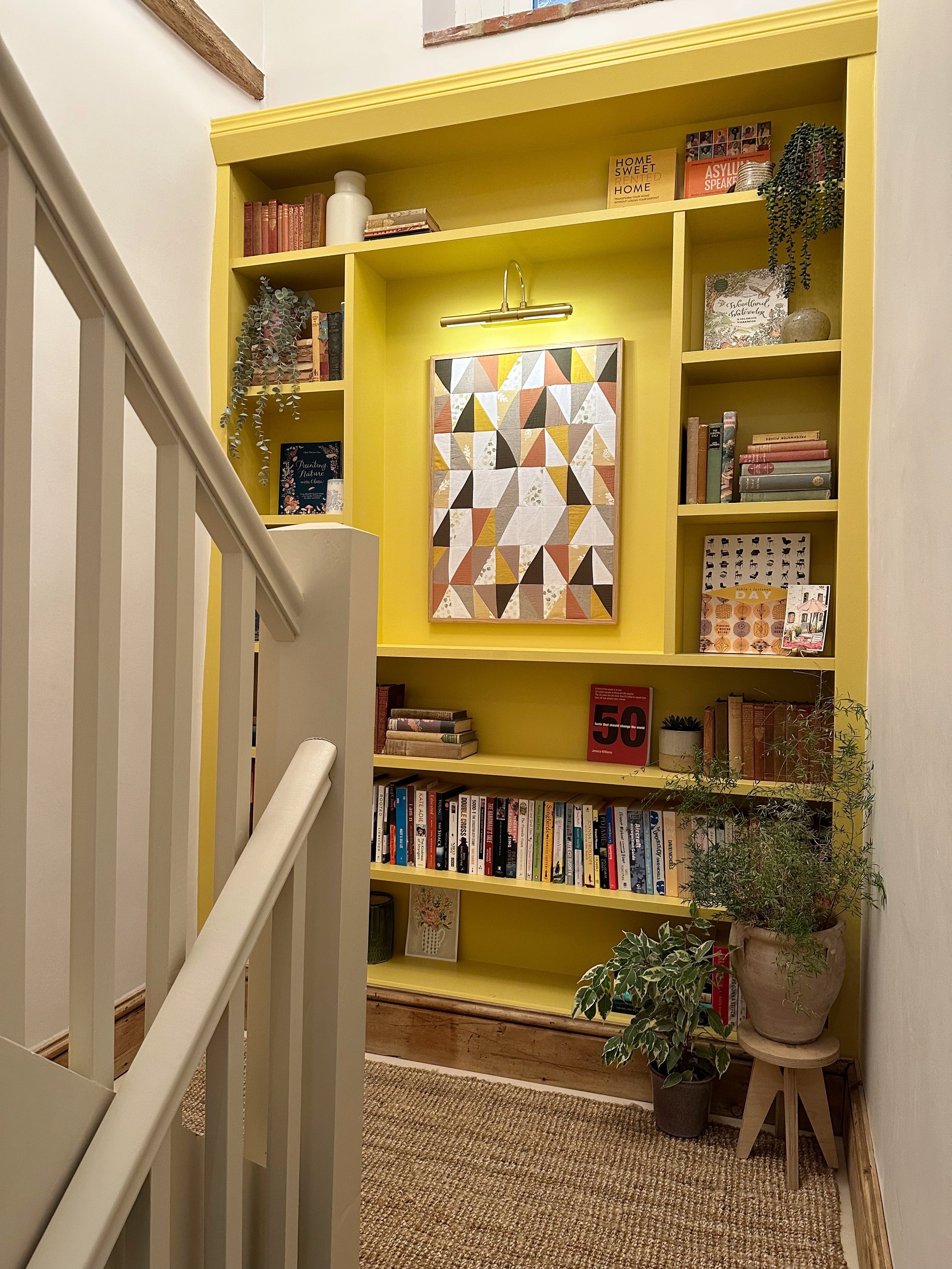
Credit: www.theottohouse.com
Finishing Touches
Finishing touches make your alcove bookshelf stand out. They add style and protect your work. This part is fun and rewarding. Let’s explore ways to complete your project with care and creativity.
Painting Or Staining
Choose paint or stain based on your room’s style. Paint offers many color choices for a fresh look. Stain shows the wood’s natural beauty and grain. Use a brush or roller for smooth coats. Let each layer dry fully before adding the next. Seal with a clear finish to protect your shelves.
Adding Decorative Elements
Decorative touches add charm and personality. Consider molding or trim around edges for a polished look. Small LED lights highlight books and create warmth. Add wallpaper or fabric on the back panel for color and texture. Use simple knobs or hooks for hanging small items. These elements make your bookshelf unique and inviting.
Organizing Your Books
Arrange books by size, color, or subject to keep order. Place larger books on the bottom shelves for stability. Mix books with decorative items like plants or photos. Use bookends to keep books upright and neat. Leave some empty space for a clean, balanced look. A well-organized shelf is easy to use and looks great.
Maintenance Tips
Keeping your bookshelf in great shape requires regular care. A well-maintained bookshelf lasts longer and stays attractive. Small efforts prevent big problems later.
Cleaning And Care
Dust your bookshelf often to stop buildup. Use a soft cloth or duster for gentle cleaning. Avoid wet cloths on wood to prevent damage. For tougher spots, use a mild soap solution. Dry the surface quickly to avoid moisture harm.
Keep the shelf away from direct sunlight. Sun can fade the wood and weaken the finish. Use coasters or mats under items to avoid scratches. Organize books and items to spread weight evenly. This helps keep shelves from bending or warping.
Checking For Wear And Tear
Inspect your bookshelf regularly for signs of damage. Look for cracks, loose screws, or warped wood. Tighten any loose screws or fittings right away. Replace damaged parts to keep the shelf safe. Check the wall fittings if the shelf is attached. Make sure they are secure and stable.
Listen for creaks or unusual sounds when adding weight. These can signal stress points. Fix problems early to avoid bigger repairs. A safe, sturdy shelf protects your books and items well.

Credit: www.youtube.com
Frequently Asked Questions
How Do I Measure An Alcove For A Bookshelf?
Measure the alcove’s width, height, and depth accurately. Use a tape measure and record dimensions twice for precision. This ensures your bookshelf fits perfectly without gaps or overhangs.
What Materials Are Best For Building Alcove Bookshelves?
Use plywood or MDF for sturdy, smooth shelves. Choose hardwood for durability and a premium look. Select materials based on budget, style, and weight capacity needs.
How Can I Attach Shelves Securely In An Alcove?
Use wall studs for strong shelf support. Install brackets or cleats to fix shelves firmly. Proper anchoring prevents sagging and ensures safety for heavy books.
What Finish Options Enhance An Alcove Bookshelf?
Paint or stain wood to match room decor. Use a sealant for durability and moisture resistance. Finishing adds style and protects the bookshelf over time.
Conclusion
Building a bookshelf in an alcove adds charm and extra space. Start with careful measuring and choose strong materials. Take your time cutting and assembling each part. Fit shelves securely and check for balance. Paint or finish to match your room’s style.
Enjoy your new, handy shelf for books and decor. Small steps lead to big results. Try this project and see how it changes your space. Simple, useful, and made by you.