Are you ready to create your own bookshelf speaker and enjoy amazing sound right at home? Building a bookshelf speaker might sound tricky, but it’s easier than you think.
Imagine having a speaker that fits perfectly on your shelf, looks great, and delivers rich, clear audio—all made by you. In this guide, you’ll discover simple steps and tips that anyone can follow, even if you’re new to DIY projects.
Keep reading, and by the end, you’ll have everything you need to build a speaker that’s truly yours.
Credit: kdfoundation.org
Choosing The Right Materials
Choosing the right materials is the first step in building a bookshelf speaker. The quality of materials impacts sound and durability. Picking good wood and tools helps create a strong, clear-sounding speaker.
Focus on materials that are easy to work with and last long. This part guides you through selecting wood and gathering essential tools.
Selecting Wood Types
Use wood that is dense and sturdy. Medium-density fiberboard (MDF) is common for speakers. It reduces vibrations and improves sound quality.
Hardwoods like oak or maple also work well. They offer strength but cost more and can be harder to cut.
Softwoods like pine are easier to shape but may affect sound. Avoid thin plywood as it can warp and cause distortion.
Gathering Tools And Supplies
Get tools for measuring, cutting, and assembling. A saw, drill, screwdriver, and clamps are essential.
Sandpaper helps smooth edges and surfaces. Wood glue and screws provide strong joints.
Speaker parts, such as drivers and wiring, complete the build. Choose quality parts for better sound.
Credit: www.reddit.com
Designing Your Bookshelf Speaker
Designing your bookshelf speaker is the first step to building a great sound system. This stage shapes how your speaker will look and perform. Careful planning here makes the building process easier and results better. Focus on size and the parts inside the speaker to get started.
Determining Speaker Dimensions
Choose the right size for your bookshelf speaker. It should fit the space where you want to place it. Too big or too small can affect sound quality. Consider room size and shelf space. Typical bookshelf speakers are about 12 inches tall and 7 inches wide. Keep the depth enough to house the speaker parts comfortably.
Planning Internal Components
Decide on the speaker drivers and crossover parts next. Drivers create the sound you hear. You usually need a woofer for bass and a tweeter for high sounds. The crossover directs sound to the right driver. Choose quality parts for clear sound. Also, plan space for wiring inside the box. Leave enough room for air movement to improve sound quality.
Cutting And Preparing The Wood
Cutting and preparing the wood is the first big step in building a bookshelf speaker. It sets the base for the whole project. Good wood cutting helps your speaker look clean and work well. Careful preparation stops mistakes and saves time later.
Using the right measurements and cutting safely keeps your project smooth. This part needs focus and simple tools. Let’s see how to measure, mark, and cut wood properly for your speaker box.
Measuring And Marking
Start by measuring the wood pieces carefully. Use a tape measure for exact sizes. Mark the cut lines clearly with a pencil. Double-check each measurement before marking again. Mark all pieces at once to avoid confusion.
Use a square tool to draw straight lines. Straight lines help cuts stay neat and exact. Keep your marks light but visible. This step saves you from cutting the wrong size.
Safe Cutting Techniques
Wear safety glasses and gloves before cutting. Choose a sharp saw for clean cuts. Use a clamp to hold the wood steady. Keep your hands away from the blade path. Cut slowly and follow your marked lines carefully.
Work in a well-lit area with clear space. Listen to the saw and stop if it sounds unusual. Take breaks if your hands get tired. Safe cutting protects you and makes your speaker box better.
Assembling The Speaker Box
Assembling the speaker box is a key step in building a bookshelf speaker. The box holds all parts firmly. It also affects sound quality a lot. Making the box strong and sealed helps the speaker perform better. Follow these simple steps for a solid build.
Joining Panels Securely
Start by arranging all wooden panels in place. Use wood glue on the edges before joining. Press panels together tightly to avoid gaps. Clamp the panels until the glue dries. For extra strength, add screws or nails. Make sure screws do not touch inside where sound moves. Keep the box square and even during assembly.
Sealing For Acoustic Performance
Seal all inside joints with silicone or wood filler. This stops air leaks that reduce sound quality. Check corners carefully for any gaps. Use foam tape around speaker holes to improve sealing. A tight box helps control bass and clear sound. Let all sealants dry fully before moving on.
Installing Speaker Drivers
Installing speaker drivers is a key step in building your bookshelf speaker. This process involves placing the tweeters and woofers into the speaker box correctly. Proper installation ensures clear sound and good speaker performance. Follow the steps carefully to avoid damage and get the best audio quality.
Mounting Tweeters And Woofers
Start by placing the tweeter into its cutout on the speaker box. Align the screw holes with the box holes. Use screws to fix the tweeter firmly but do not overtighten. Next, place the woofer into its slot. Check that the woofer fits snugly and sits flush with the box surface. Secure it with screws evenly around the frame. Make sure both drivers are stable and sealed well to prevent air leaks.
Wiring Connections
Identify the positive and negative terminals on each driver. Connect the speaker wires from the crossover or amplifier to the matching terminals. Use a soldering iron or push connectors for a solid connection. Avoid loose wires to prevent sound loss or distortion. Double-check the wiring polarity to ensure the drivers work together. Neat wiring also helps keep the inside of the box clean and organized.
Adding Acoustic Insulation
Adding acoustic insulation inside your bookshelf speaker improves sound quality. It helps reduce unwanted vibrations and echoes. This makes the sound clearer and more natural. The right insulation also controls bass response and stops sound waves from bouncing inside the box.
Choosing the right material and placing it correctly is important. It affects how well your speaker performs. Let’s explore how to pick insulation and where to put it inside the box.
Choosing Insulation Materials
Use soft, dense materials for acoustic insulation. Fiberglass, polyester fiberfill, and foam are common choices. Polyester fiberfill is easy to handle and safe to use. Fiberglass offers good sound absorption but needs careful handling.
Avoid materials that compress too much or block airflow. The insulation must absorb sound without blocking speaker parts. Choose materials that fit well and stay in place inside the box.
Proper Placement Inside Box
Place insulation on the inner walls of the speaker box. Cover the back and side walls evenly. Avoid packing insulation tightly against the speaker driver. Leave some space around the speaker for airflow.
Do not block the port or speaker openings. Fill empty spaces with insulation to reduce sound reflections. Spread the material evenly to prevent dead spots inside the box.
Finishing Touches
Finishing touches give your bookshelf speaker a polished look. They protect the wood and improve the speaker’s style. Small details here make a big difference in the final product.
Sanding And Painting
Sanding smooths the wood surface. Use fine-grit sandpaper for the best results. Sand evenly to avoid rough spots. Wipe off dust with a clean cloth after sanding.
Choose paint or stain that matches your room. Apply thin coats for an even finish. Let each coat dry fully before adding the next. This prevents drips and uneven color.
Adding Grilles Or Covers
Grilles protect speaker drivers from dust and damage. They also give a neat, finished appearance. Choose fabric or metal covers based on your style preference.
Attach grilles carefully to avoid gaps. Use clips or adhesive strips made for speakers. Ensure the grille does not block sound quality. A good fit keeps your speaker safe and looking great.
Testing And Tuning Sound
Testing and tuning sound is a key step in building a bookshelf speaker. This process helps you hear how well your speaker works. It also lets you make changes for better sound quality. Proper testing ensures the speaker delivers clear and balanced audio. Take your time and listen carefully to every detail.
Initial Sound Checks
Start by playing different types of music or sounds. Listen for any buzzing, rattling, or strange noises. Check if the speaker produces sound from all drivers equally. Make sure the bass is not too weak or too loud. Test at low and high volumes to spot any distortion. Note any areas that need improvement before moving on.
Adjusting For Optimal Audio
Use the speaker’s position to improve sound quality. Move it closer or further from walls. Change the angle to direct sound toward your ears. Adjust the crossover settings if your speaker has them. This controls how much bass and treble each driver plays. Fine-tune the equalizer to balance highs, mids, and lows. Keep testing until the sound feels clear and natural.
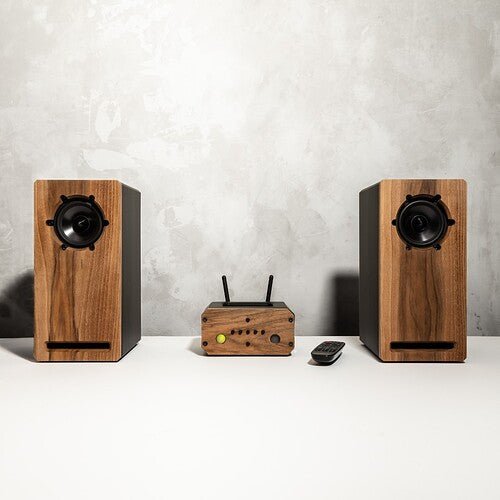
Credit: www.arylic.com
Frequently Asked Questions
What Tools Are Essential For Building A Bookshelf Speaker?
Basic tools include a saw, drill, screwdriver, clamps, and measuring tape. These help cut wood, assemble parts, and ensure precision during construction.
What Materials Are Best For Bookshelf Speaker Cabinets?
Medium-density fiberboard (MDF) is preferred due to its density and acoustic properties. It reduces vibrations and enhances sound clarity effectively.
How Do I Choose The Right Speaker Drivers?
Select drivers based on desired sound quality and size. Tweeters handle high frequencies, woofers manage lows, ensuring balanced audio performance.
What Is The Ideal Size For Bookshelf Speakers?
Typically, 12-16 inches tall and 6-8 inches wide suits most spaces. Size affects sound resonance and fits well on shelves or desks.
Conclusion
Building a bookshelf speaker can be a fun and rewarding project. You learn about sound, design, and tools along the way. Small steps, like choosing parts and assembling, make a big difference. The result is a custom speaker that fits your space and style.
Enjoy the process and the sound you create. Keep experimenting and improving with each build. Your own bookshelf speaker adds a personal touch to any room. Try it, and hear the difference for yourself.