Are you looking for a smart way to save space and keep your work area organized? Building a desk with a bookshelf attached might be the perfect solution for you.
Imagine having your books, supplies, and workspace all in one place, easy to reach without clutter. In this guide, you’ll discover simple steps to create a sturdy, stylish desk that fits your needs and boosts your productivity. Ready to transform your room and make your work time more enjoyable?
Let’s get started!

Credit: do-it-cat.com
Materials And Tools Needed
Building a desk with a bookshelf attached requires the right materials and tools. The quality of your project depends on what you choose. Selecting good wood, the right hardware, and essential tools makes the process smoother. Below are the key items you need to gather before starting.
Wood Selection
Choose wood that fits your style and budget. Pine is affordable and easy to work with. Oak offers strength and a classic look. Plywood is a budget-friendly option for shelves and the desk surface. Ensure the wood is smooth and free of cracks. This helps create a stable and attractive desk.
Hardware And Fasteners
Use screws that match the wood thickness for strong joints. Wood glue adds extra hold and stability. Brackets help secure the bookshelf to the desk frame. Sandpaper smooths rough edges. Drawer slides are optional if you want drawers in the desk. Pick hardware that blends well with your wood choice.
Essential Tools
A drill is necessary for making holes and driving screws. A saw cuts the wood to the right sizes. A measuring tape ensures accurate dimensions. Clamps hold pieces together while the glue dries. A screwdriver helps with screws that need manual tightening. A level keeps your desk and shelves straight and even.
Planning Your Desk And Bookshelf
Planning your desk with a bookshelf attached is the first step to a useful workspace. Good planning saves time and materials. It also helps you build a desk that fits your needs and space perfectly. Start by understanding the area where the desk will go. Think about how you will use the desk and shelf. This will guide your design and size choices.
Measuring The Space
Measure the wall or corner where the desk will stand. Write down the width, height, and depth available. Check for doors, windows, or outlets that might block the desk or shelf. Measure twice to avoid mistakes. Keep in mind the space needed to move around comfortably. This step ensures your desk fits well without crowding the room.
Design Sketches
Draw simple sketches of your desk and bookshelf idea. Use graph paper or a digital tool. Mark the main parts like the desktop, shelves, and supports. Sketch different styles to see what looks best. Include space for your computer, books, and other items. These sketches help visualize the final product and guide your building process.
Choosing Dimensions
Pick dimensions based on your measurements and needs. The desk height should suit your chair and body size. Standard desks are about 29 to 30 inches tall. Shelf height depends on what you want to store. Make sure shelves are strong and wide enough for books. Keep enough legroom under the desk. Proper dimensions create a comfortable and practical workspace.
Cutting The Wood Pieces
Cutting the wood pieces accurately is the first step to build your desk with a bookshelf. Proper cuts help the desk fit together well and look neat. Take your time and measure twice before cutting. Use sharp tools and safety gear to keep the work safe and clean.
Cutting The Desk Components
Start by cutting the main parts of the desk. These include the desktop, side panels, and legs. Measure each piece carefully based on your design. Use a circular saw or a handsaw for straight cuts. Sand the edges smooth to avoid splinters. Keep the pieces organized to make assembly easier.
Cutting The Bookshelf Parts
Next, cut the shelves and vertical supports for the bookshelf. Measure shelf depth and height to fit your space. Cut the shelves evenly for a balanced look. Use a square to keep the corners right angled. Sand all cut surfaces for a clean finish. Label each part to avoid confusion during assembly.
Credit: blog.strongtie.com
Assembling The Bookshelf
Assembling the bookshelf is a key step in building your desk with a bookshelf attached. It creates the storage space you need for books, decor, or office supplies. Focus on strong joints and even shelves for a neat look. Follow each step carefully to build a sturdy bookshelf that lasts.
Building The Frame
Start by cutting the wood pieces for the frame. Measure two side panels, one top panel, and one bottom panel. Use a drill to make pilot holes for screws. Attach the side panels to the top and bottom panels with screws. Check that the frame is square and stable before moving on.
Adding Shelves
Measure the inside width of the frame to cut shelves. Cut each shelf to the right size. Mark shelf positions inside the frame using a pencil and level. Attach small wooden supports or metal brackets at each mark. Place shelves on the supports and secure them with screws for extra strength.
Securing The Structure
Use corner braces inside the frame for added support. Attach braces with screws on each corner. Tighten all screws and check for wobble. Sand any rough edges or surfaces. Apply wood glue at joints for extra hold. Let glue dry completely before attaching the bookshelf to the desk.
Constructing The Desk
Constructing the desk is the key step to bring your project to life. This part requires focus and careful work. Each piece must fit perfectly for a strong and stable desk. Follow the steps below to build a desk with a bookshelf attached.
Attaching The Legs
Start by preparing the legs for the desk. Choose sturdy legs to support the weight of the desktop and bookshelf. Align the legs with the corners of the desktop frame. Use screws to fix the legs tightly in place. Double-check the legs stand straight and firm. This step ensures the desk will not wobble.
Fixing The Desktop
Place the desktop on a flat surface. Position the frame with the attached legs upside down. Align the desktop with the frame edges. Use wood glue along the frame edges for extra hold. Secure the desktop with screws, spacing them evenly. Make sure the desktop is flush and stable. This will create a smooth work surface.
Integrating The Bookshelf
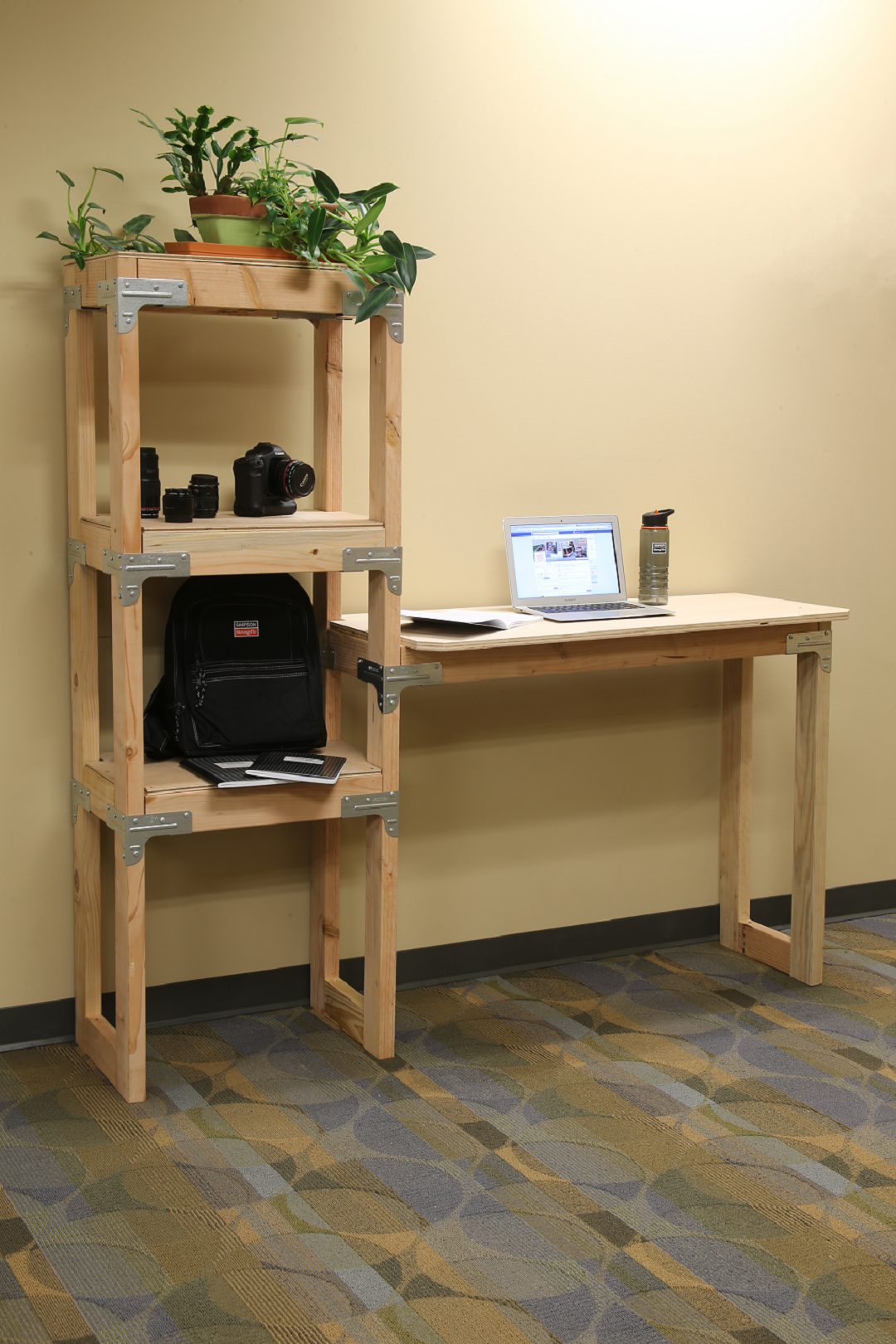
Position the bookshelf beside or behind the desk frame. Align the bookshelf with the desktop height. Use brackets to attach the bookshelf securely to the desk frame. Screw the brackets tightly for a strong bond. Check the bookshelf stands firm without wobbling. This step combines the desk and bookshelf into one solid unit.
Finishing Touches
Finishing touches bring your desk with a bookshelf to life. They make the wood smooth and protect it from damage. These steps improve the look and help the desk last longer. Focus on sanding, painting or staining, and adding a protective coating for best results.
Sanding And Smoothing
Start by sanding the entire desk and bookshelf. Use fine-grit sandpaper for a smooth surface. Sanding removes rough spots and splinters. It also helps paint or stain stick better. Wipe away dust with a clean cloth after sanding.
Painting Or Staining
Choose paint or stain based on the style you want. Paint gives a solid color and hides wood grain. Stain shows the natural wood texture and adds warmth. Apply evenly with a brush or cloth. Let it dry completely before the next step.
Adding Protective Coating
Apply a clear protective coat to guard the desk. Use polyurethane, varnish, or lacquer. This layer protects against scratches and spills. Apply thin, even coats and let each dry well. This step keeps your desk looking great for years.
Tips For Stability And Safety
Building a desk with a bookshelf attached is a smart way to save space. Stability and safety are key to making it last long and work well. Follow these simple tips to keep your desk steady and secure.
Securing To Wall
Always attach the desk and bookshelf to the wall. Use strong brackets or anchors for this. It stops the desk from tipping forward. Make sure to find studs in the wall for the best hold.
Weight Distribution
Place heavier items on lower shelves. Keep the desk surface clear of very heavy things. This balance stops the whole unit from leaning or falling. Spread weight evenly across shelves and the desk.
Avoiding Common Mistakes
Don’t skip screws or use weak materials. Avoid using too few support points. Check all joints and fixings before use. Avoid overloading shelves beyond their limit. These simple steps prevent accidents and damage.
Customizing Your Desk And Bookshelf
Customizing your desk with an attached bookshelf makes the piece unique and functional. It fits your needs and style perfectly. You can change storage, lighting, and design to match your space. This section guides you through simple ways to personalize your desk and bookshelf.
Adding Storage Options
Extra storage keeps your desk neat and organized. Add drawers below the desk for small items like pens and papers. Use baskets or bins on the shelves to hold supplies. Hooks on the side can hang bags or headphones. Think about what you need close by and create space for it.
Incorporating Lighting
Good lighting helps with work and reading. Install LED strip lights under each shelf for soft, even light. A small desk lamp adds focused light where you need it. Choose warm or cool light to match your room’s mood. Lighting also highlights your bookshelf’s design and contents.
Personalizing Design Elements
Paint or stain the desk and shelves to match your room’s colors. Add decorative knobs or handles to drawers for a special touch. Use wallpaper or contact paper on shelf backs for pattern or texture. Place plants, photos, or small art pieces on the shelves to make it yours.

Credit: www.atthepicketfence.com
Frequently Asked Questions
What Materials Are Needed To Build A Desk With A Bookshelf?
You need wood boards, screws, brackets, sandpaper, wood glue, paint or stain, and basic tools like a drill and saw. Choose sturdy wood for durability and smooth finishes for aesthetics.
How Do I Attach The Bookshelf Securely To The Desk?
Use strong brackets or screws to join the bookshelf to the desk frame. Ensure alignment and reinforce joints with wood glue for extra stability and safety.
Can I Customize The Size Of The Desk And Bookshelf?
Yes, customize dimensions based on your space and needs. Measure carefully, adjust shelf heights, and adapt the desk size for comfort and functionality.
How Long Does It Take To Build This Desk With A Bookshelf?
Building time varies by skill but typically takes 4 to 8 hours. This includes cutting, assembling, sanding, and finishing the project carefully.
Conclusion
Building a desk with a bookshelf attached saves space and adds style. You get a neat spot for work and books together. Follow the steps carefully, and use the right tools. Take your time to measure and assemble each part.
The result will be a useful, sturdy piece of furniture. Enjoy your new desk that fits your needs well. It’s a smart project anyone can try at home.