Are you ready to take your music experience to the next level? Building your own high-quality bookshelf speaker might sound tricky, but it’s easier than you think—and the results will amaze you.
Imagine having clear, powerful sound that fills your room, crafted by your own hands and tailored to your taste. In this guide, you’ll discover simple steps and expert tips to create a speaker that not only looks great but delivers rich, detailed audio.
Keep reading, and by the end, you’ll have everything you need to build a speaker that truly stands out. Your perfect sound is just a few steps away.
Choosing The Right Components
Choosing the right components is key to building a quality bookshelf speaker. Each part affects the sound and durability. Good components work together to create clear, rich audio. Careful selection helps avoid common problems like distortion or weak bass.
Selecting Speaker Drivers
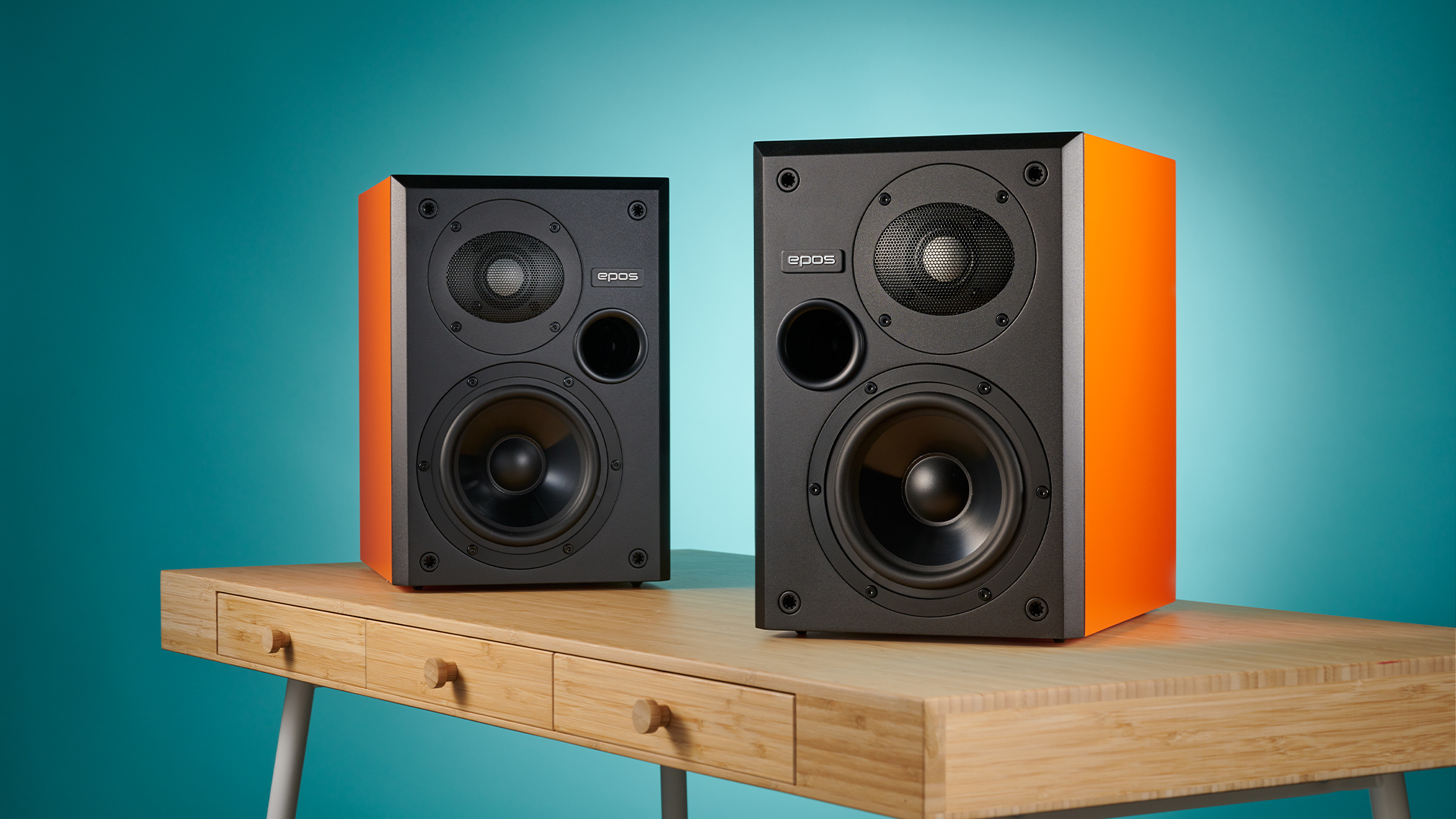
Speaker drivers convert electrical signals into sound. Choose a woofer for low tones and a tweeter for high tones. The size of the woofer affects bass depth. A 4 to 6.5-inch woofer fits well in bookshelf speakers. Look for drivers with strong magnets and good cone materials. These improve sound clarity and power handling.
Picking The Crossover Components
The crossover splits the audio signal between drivers. It sends low frequencies to the woofer and high frequencies to the tweeter. Use quality capacitors, inductors, and resistors for smooth sound flow. Poor crossover parts cause sound loss or distortion. A well-designed crossover matches the drivers perfectly for balanced sound.
Choosing Cabinet Materials
The cabinet holds all components and shapes the sound. Medium-density fiberboard (MDF) is a popular choice. It reduces vibrations and unwanted noise. Wood veneer or laminate finishes add strength and style. Avoid thin or hollow materials that cause sound distortion. Proper cabinet design improves bass response and overall speaker performance.
Designing The Speaker Cabinet
Designing the speaker cabinet is a key step in building a quality bookshelf speaker. The cabinet affects sound quality and speaker performance. Careful design ensures clear sound and good bass. Focus on size, structure, and enclosure type.
Each decision in this stage shapes the final sound and look of your speaker.
Determining Dimensions
Choose the cabinet size based on speaker driver size. Small drivers need smaller cabinets for better sound. Larger cabinets help produce richer bass. The cabinet’s height, width, and depth affect sound waves inside. Keep dimensions balanced to avoid sound distortion. Use simple formulas or online calculators for sizing.
Planning Internal Bracing
Strong internal bracing stops cabinet walls from vibrating. Vibrations create unwanted noise and blur sound. Add braces between cabinet walls to keep them rigid. Use wood strips or panels for bracing. Position braces to avoid blocking the speaker driver. Good bracing improves sound clarity and speaker durability.
Ported Vs Sealed Enclosures
Choose between ported and sealed cabinets for bass response. Ported cabinets have holes that boost bass sounds. They work well for deep and loud bass. Sealed cabinets are airtight and offer tight, accurate bass. They provide cleaner sound with less distortion. Pick the enclosure type that fits your sound preference and space.
Cutting And Assembling The Cabinet
Building a high-quality bookshelf speaker starts with cutting and assembling the cabinet. This step shapes the speaker’s body and affects sound quality. Precise cuts and strong joints create a cabinet that looks good and lasts long. Follow each step carefully to get the best result.
Cutting Wood Panels
Choose sturdy wood like MDF or plywood. Mark the dimensions clearly on the panels. Use a sharp saw to make straight cuts. Cut slowly to avoid splintering the edges. Sand the edges smooth for a clean finish. Accurate cuts ensure the pieces fit together well.
Joining Techniques
Use wood glue to bond the panels firmly. Clamp the pieces together while the glue dries. Reinforce corners with nails or screws for extra strength. Consider using dowels or biscuits for better alignment. Strong joints prevent air leaks and keep the cabinet stable.
Sealing And Finishing
Seal all joints with wood filler or caulk. This stops air from escaping the cabinet. Sand the whole cabinet to smooth out imperfections. Apply primer before painting or staining. A good finish protects the wood and improves the speaker’s look.

Credit: www.amazon.com
Wiring And Installing Components
Wiring and installing components is a key step in building a high-quality bookshelf speaker. It affects sound quality and speaker durability. Careful work here ensures the best audio performance and long-lasting parts. Take your time and follow each step carefully.
Soldering Speaker Connections
Soldering creates strong electrical connections between wires and parts. Use a good soldering iron with a fine tip. Heat the wire and terminal together before applying solder. Avoid cold joints by letting the solder flow smoothly. Clean the tip often for better heat transfer. Strong joints stop signal loss and noise.
Mounting Drivers And Crossovers
Secure drivers firmly inside the cabinet to prevent vibration. Use screws that fit well and do not crack the wood. Place crossovers in a spot with space and air flow. Fix them tightly to avoid movement. Proper mounting keeps parts safe and sound clear.
Ensuring Proper Internal Wiring
Use good quality wires with correct thickness for speaker parts. Keep wires neat and away from sharp edges. Avoid crossing wires to reduce interference. Check polarity to connect positive and negative terminals correctly. Good wiring improves sound clarity and avoids damage.
Testing And Tuning Your Speaker
Testing and tuning your bookshelf speaker is a key step. It ensures your speaker sounds clear and balanced. This process helps identify any issues early. It also lets you make changes for better audio quality. Follow these steps to get the best sound from your build.
Initial Sound Testing
Start by playing different types of music. Listen closely to bass, midrange, and treble sounds. Check for any buzzing or rattling noises. Use simple test tracks with clear tones. This helps spot weak points in your speaker’s response. Take notes on what sounds off or uneven.
Adjusting Crossover Settings
The crossover controls how sound moves between drivers. Adjust it to balance the bass and treble smoothly. Try small changes and listen after each one. Aim for a natural blend without harshness or gaps. Keep the settings steady once you find a good balance.
Fine-tuning For Room Acoustics
Room size and materials affect speaker sound a lot. Move your speaker to different spots and listen again. Use soft furniture or rugs to reduce echoes if needed. You can add small sound-absorbing panels for clarity. Adjust volume and tone controls to fit your room best.
Credit: www.whathifi.com
Tips For Enhancing Sound Quality
Improving the sound quality of your bookshelf speaker makes a big difference. Small changes inside and outside the speaker box help create clear, rich sound. These tips focus on simple ways to get better audio from your speaker.
Damping Materials Inside Cabinet
Use soft materials like foam or polyester inside the cabinet. They absorb sound waves and reduce echoes. This stops sound from bouncing around inside the box. The result is cleaner sound and less distortion. Avoid packing too much material; just enough to cover the walls works best.
Reducing Vibrations
Vibrations blur sound and cause unwanted noise. Add rubber pads or small feet under the speaker. These parts stop vibrations from reaching the surface below. Tighten all screws and joints to keep the cabinet solid. A firm box means clearer and more focused audio.
Optimizing Speaker Placement
Place your speaker away from walls and corners. This reduces bass boom and muddiness. Keep the speaker at ear level when seated. Aim the speaker slightly toward your listening spot. Try small moves until the sound feels balanced and natural. Room size and furniture affect the best position.
Maintenance And Upgrades
Maintaining and upgrading your bookshelf speaker keeps its sound clear and fresh. Small care steps extend its life and improve performance. Regular checks prevent damage and help spot worn parts early. Upgrades can enhance sound quality without building a new speaker.
Regular Cleaning
Dust and dirt reduce sound quality and damage parts. Use a soft cloth to wipe the speaker’s surface weekly. Avoid wet cloths that can harm electronic parts. Clean speaker grills carefully to keep air flowing well. Keep the speaker away from moisture and direct sunlight.
Component Replacement
Speakers wear out with time. Replace old wires and connectors to keep sound clear. Check the speaker cone for tears or damage. Replace foam surrounds if cracked or brittle. Use parts made for your speaker model for best results. Careful replacement prevents further damage and restores sound.
Upgrading Drivers Or Crossovers
Upgrading drivers improves sound clarity and bass response. Choose high-quality drivers that match your speaker’s size. Crossovers control sound frequencies; upgrading them sharpens audio balance. Use simple crossover kits designed for bookshelf speakers. These upgrades bring new life to your speaker’s sound.

Credit: voltech.com.bd
Frequently Asked Questions
What Materials Are Best For Building Bookshelf Speakers?
High-quality MDF or plywood are ideal for bookshelf speaker cabinets. They offer durability and reduce vibrations, improving sound clarity. Use wood glue and screws for strong assembly. Proper material choice ensures a solid, resonance-free enclosure for better audio performance.
How Do I Choose The Right Speaker Drivers?
Select drivers matching your desired sound quality and cabinet size. Tweeters handle high frequencies; woofers manage bass. Look for drivers with good sensitivity and power handling. Quality drivers ensure clear, balanced sound in your bookshelf speakers.
What Is The Ideal Bookshelf Speaker Size?
A cabinet volume of 1 to 2 cubic feet suits most bookshelf speakers. This size balances sound quality and space efficiency. Larger cabinets enhance bass response but need more room. Choose size based on your listening space and sound preferences.
How Important Is Internal Speaker Wiring?
Use high-quality, oxygen-free copper wire for internal connections. Proper wiring prevents signal loss and distortion. Keep wire lengths short and connections tight. Good internal wiring ensures clear and consistent sound output from your speakers.
Conclusion
Building a high-quality bookshelf speaker takes time and care. Choose good materials and follow clear steps. Test your speaker often to improve sound quality. Small details make a big difference in the final product. Enjoy the process of creating something with your own hands.
A well-made speaker brings better sound to your room. Keep practicing, and each speaker will sound better than the last. This project is both fun and rewarding for any music lover.