Are you ready to create a cozy, safe sleeping space for your little one? Building a floor toddler bed frame might sound tricky, but with the right steps, you can make it yourself quickly and easily.
Imagine giving your child a bed that feels just right—low to the ground and perfect for their growing independence. In this guide, you’ll discover simple tips and clear instructions that make the process smooth and enjoyable. Keep reading to find out how you can build a sturdy, comfortable bed frame your toddler will love.
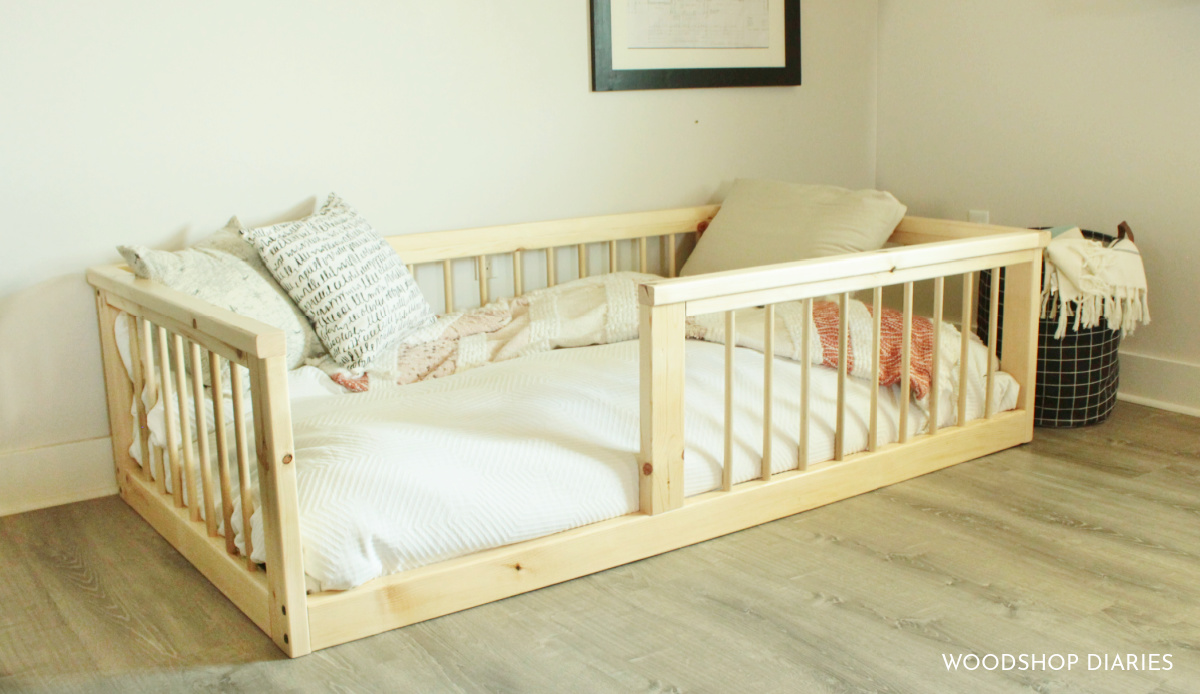
Credit: www.woodshopdiaries.com
Materials And Tools Needed
Building a floor toddler bed frame starts with the right materials and tools. Choosing good supplies makes the project easier and safer. It also helps create a strong bed that lasts long.
This section covers the wood types, tools, and extra supplies needed for the job. Prepare well to have a smooth building experience.
Choosing The Right Wood
Select wood that is sturdy and safe for children. Pine is a popular choice because it is soft and easy to work with. Hardwood like oak or maple is stronger but harder to cut.
Use smooth, untreated wood to avoid harmful chemicals. Sand the wood well to prevent splinters. Make sure the pieces are thick enough to hold weight safely.
Essential Tools For Assembly
Start with basic tools that help cut, shape, and join the wood. A saw is needed to cut the wood pieces to size. A drill makes screwing parts together faster and cleaner.
Screwdrivers help tighten screws securely. A measuring tape ensures all parts fit perfectly. Sandpaper smooths rough edges. A carpenter’s square keeps corners straight.
Additional Supplies
Gather screws and wood glue for strong joints. Use wood filler to cover holes or gaps. Non-toxic paint or finish protects wood and adds color.
Use clamps to hold pieces steady while glue dries. A soft cloth helps apply finishes evenly. Safety gear like gloves and goggles protects hands and eyes.
Designing The Bed Frame
Designing a floor toddler bed frame requires careful thought. The bed must fit your child’s size and room space. It should be simple but sturdy. Safety is the top priority. Planning each detail helps create a cozy and secure bed.
Start by choosing the right size. Pick a style that is easy to build. Add safety features that protect your toddler. This guide breaks down each step clearly.
Selecting Dimensions For Toddler Size
Measure your toddler’s mattress first. A common size is 28 inches by 52 inches. Add a few inches extra for comfort. Make sure the bed frame height stays low to the floor. This helps your child get in and out safely.
Check the room space where the bed will go. Leave room for toys and movement. Avoid frames that are too big or too small. A good fit makes the bed more inviting.
Simple Frame Styles
Choose a simple design with clean lines. A basic rectangular frame works well. It’s easy to build and strong. Avoid complex shapes or tall posts. These can be hard to assemble and less safe.
Low-profile frames keep the bed close to the floor. This style reduces fall risk. It also fits well in small rooms. Simple frames save time and materials.
Planning For Safety Features
Safety must guide every design choice. Smooth all edges and corners to prevent cuts. Use non-toxic paint or finish on wood. Check for sturdy joints and solid screws.
Consider adding short guardrails on one or both sides. They keep your toddler from rolling off. Leave enough space for easy climbing in and out. Avoid gaps that could trap fingers or limbs.
Test the bed frame’s stability before use. A strong, safe bed gives parents peace of mind. Your child will sleep soundly and play safely.
Cutting The Wood Pieces
Cutting the wood pieces is a key step in building a toddler bed frame. It shapes the parts that will hold the bed together. Accurate cuts help the bed stand strong and safe. This step needs care and focus. Use the right tools and follow the measurements closely.
Measuring And Marking
Start by measuring the wood pieces carefully. Use a tape measure and a pencil. Mark the wood where you will cut. Double-check every mark before cutting. Mark straight lines for clean cuts. Clear marks make cutting easier and precise.
Cutting Techniques
Choose the right saw for your cuts. A handsaw or circular saw works well for straight cuts. Cut slowly and follow the marked lines. Keep the saw steady to avoid mistakes. Safety first: wear goggles and gloves during cutting. Take your time to get smooth edges.
Sanding The Edges
After cutting, sand the edges smooth. Use sandpaper or a sanding block. Smooth edges prevent splinters and sharp corners. Sand lightly until the wood feels even. Check all pieces to ensure they are safe to touch. Well-sanded pieces make assembly easier.

Credit: www.youtube.com
Assembling The Frame
Assembling the frame is the key step in building a toddler bed. It creates the strong base that holds the mattress and your child safely. Follow simple steps to put together each part carefully. Take your time to make sure everything fits well and is secure.
Building The Base
Start by laying out the base pieces flat on the floor. Align the frame parts so the corners match perfectly. Use screws or bolts provided to join the corners tightly. Check the base for square shape by measuring the diagonals. A square base ensures the bed will be stable.
Attaching The Side Rails
Next, connect the side rails to the base frame. Position the rails along the edges of the base. Use the pre-drilled holes to guide your screws or bolts. Tighten each fastener evenly to avoid wobbling. The side rails add strength and keep the mattress in place.
Securing The Slats
Place the wooden slats evenly across the base inside the frame. The slats support the mattress and prevent sagging. Attach each slat with screws or nails to the side rails. Space the slats close enough for strong support. Double-check each slat is firmly fixed before finishing.
Finishing Touches
Finishing touches make the toddler bed frame safe and beautiful. These final steps protect the wood and create a cozy space for your child. They also ensure the bed lasts long and stays in great shape.
Focus on safe materials and smooth surfaces. This helps avoid any harm or irritation for your toddler. Adding bedding completes the bed and makes it inviting for sleep and play.
Applying Non-toxic Paint Or Stain
Choose non-toxic paint or stain to keep your child safe. These products do not release harmful fumes or chemicals. Apply a thin coat evenly using a brush or sponge. Let it dry fully before adding another coat. This step improves the wood’s look and helps prevent damage from spills.
Adding Protective Coating
After painting or staining, add a clear protective coating. Use a water-based varnish or sealant that is safe for children. It creates a strong barrier against scratches and moisture. Apply one or two thin layers, allowing each to dry well. This keeps the bed frame sturdy and easy to clean.
Installing Mattress And Bedding
Place a comfortable toddler mattress on the frame. Choose one that fits snugly without gaps. Add soft sheets, a light blanket, and a pillow if needed. Use breathable fabrics that feel gentle on the skin. Arrange the bedding neatly to invite restful sleep and sweet dreams.
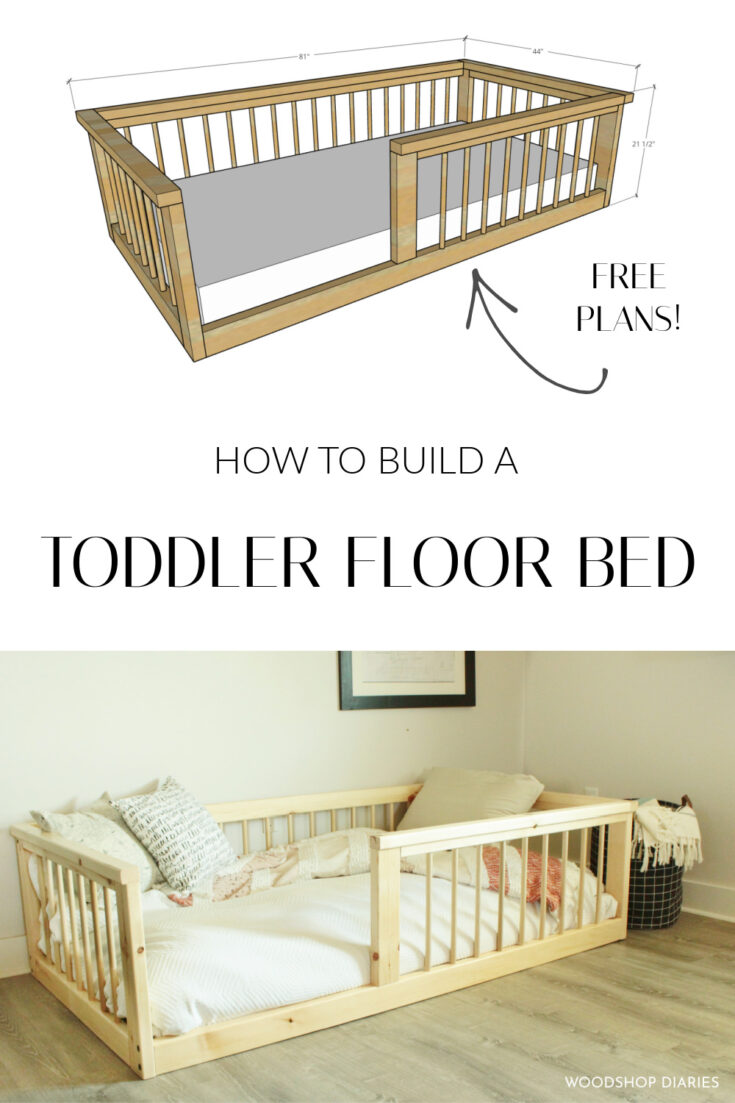
Credit: www.woodshopdiaries.com
Frequently Asked Questions
What Materials Are Needed To Build A Toddler Bed Frame?
You need wood planks, screws, a saw, drill, measuring tape, and sandpaper. Choose sturdy, smooth wood for safety and durability. Always measure twice before cutting to ensure accurate dimensions.
How Long Does It Take To Build A Floor Toddler Bed Frame?
Building a floor toddler bed frame typically takes 3 to 5 hours. This includes measuring, cutting, assembling, and sanding. Experience level and tools available can affect the total time.
Is Building A Floor Toddler Bed Frame Safe For Toddlers?
Yes, building a low-to-the-floor frame reduces fall risks and improves safety. Use non-toxic finishes and smooth edges to avoid injuries. Ensure the bed is sturdy and properly assembled for toddler use.
Can I Customize The Size Of The Toddler Bed Frame?
Absolutely, you can customize the bed frame to fit your toddler’s mattress. Measure your mattress first and adjust frame dimensions accordingly. Custom sizing ensures a perfect fit and better comfort.
Conclusion
Building a floor toddler bed frame can be simple and fun. Use the right tools and follow each step carefully. Choose safe materials for your child’s comfort. Take your time to measure and assemble the parts. This project creates a cozy, low bed that your toddler will love.
Enjoy the satisfaction of making something useful with your own hands. Try this project to save money and add a personal touch to your child’s room. A sturdy floor bed frame supports better sleep and independence for toddlers.