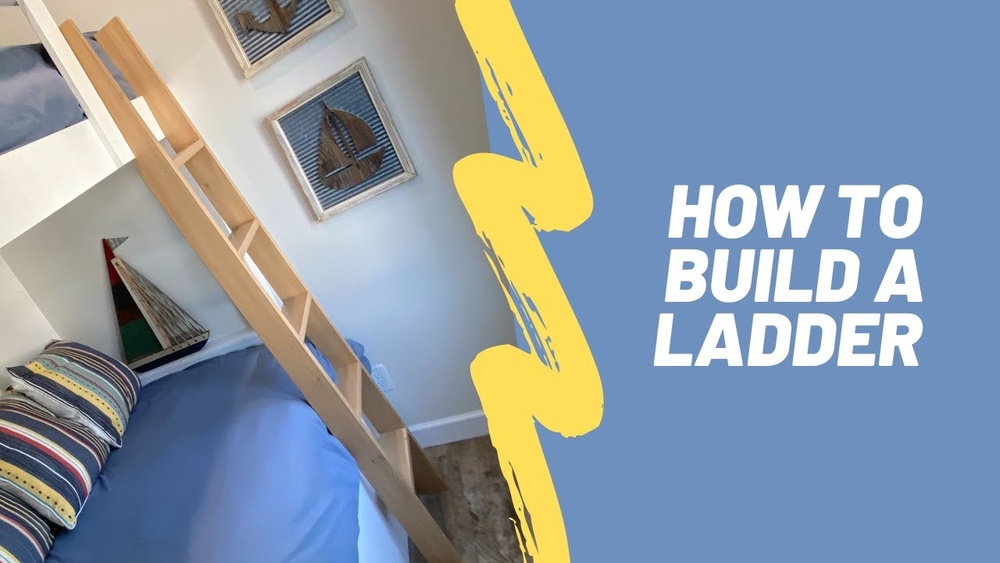
Are you looking to add a sturdy, safe ladder to your bunk bed without spending a fortune? Building your own ladder might sound tricky, but it’s easier than you think.
With just a few tools and some simple steps, you can create a ladder that fits perfectly and keeps your kids safe every night. Keep reading, and you’ll discover how to make a strong ladder that looks great and lasts for years.
Your bunk bed is about to get a smart, stylish upgrade!
Materials And Tools Needed
Building a ladder for a bunk bed needs the right materials and tools. Using good supplies makes the ladder strong and safe. This section lists what you need to start your project. Prepare everything before you begin. It saves time and helps your work go smooth.
Materials Needed
Choose solid wood like pine or oak for the ladder parts. Wood should be smooth and free of cracks. You will need two long side rails and several steps or rungs. Use wood screws to hold the pieces together tightly. Sandpaper helps to smooth rough edges. Wood glue adds extra strength between joints. Finish with paint or varnish to protect the wood and make it last.
Tools Required
Start with a measuring tape to get exact lengths. A saw is necessary to cut the wood pieces. Use a drill to make holes for screws. A screwdriver or electric driver helps fasten screws quickly. Clamps hold parts steady while glue dries. A pencil marks cutting lines and hole spots. Sanding block or electric sander smooths surfaces for safety.
Choosing The Right Wood
Choosing the right wood is important for building a safe bunk bed ladder. The wood must be strong and durable. It should support weight without bending or breaking. The right wood also makes the ladder look good and last longer.
Not all wood types work well for ladders. Some are soft and can wear out quickly. Others are hard but heavy and hard to work with. Picking the right wood helps you build a sturdy and safe ladder for the bunk bed.
Hardwood Vs Softwood
Hardwood is stronger and lasts longer. Examples include oak, maple, and cherry. These woods resist dents and scratches well. Softwood, like pine or fir, is lighter and easier to cut. But softwood can dent and wear faster. For a bunk bed ladder, hardwood is usually better.
Wood Strength And Weight
Strength matters to hold the ladder’s weight safely. Heavy wood often means strong wood. But very heavy wood is hard to move and install. Balance weight and strength for easy use and safety. Choose wood that feels solid but not too heavy to lift.
Wood Grain And Texture
Look for wood with tight, straight grain. This kind of grain adds strength and stability. Avoid wood with many knots or cracks. Rough texture can cause splinters. Smooth wood is safer for children climbing the ladder.
Cost And Availability
Wood price varies by type and quality. Hardwood often costs more than softwood. Check local stores for available wood types. Buying local wood saves money and time. Choose wood that fits your budget and is easy to find.
Measuring And Planning
Measuring and planning are the first steps to build a safe and sturdy ladder for a bunk bed. Precise measurements help you avoid mistakes and ensure the ladder fits perfectly. Planning the height and the space between steps makes climbing easy and comfortable.
Determine Ladder Height
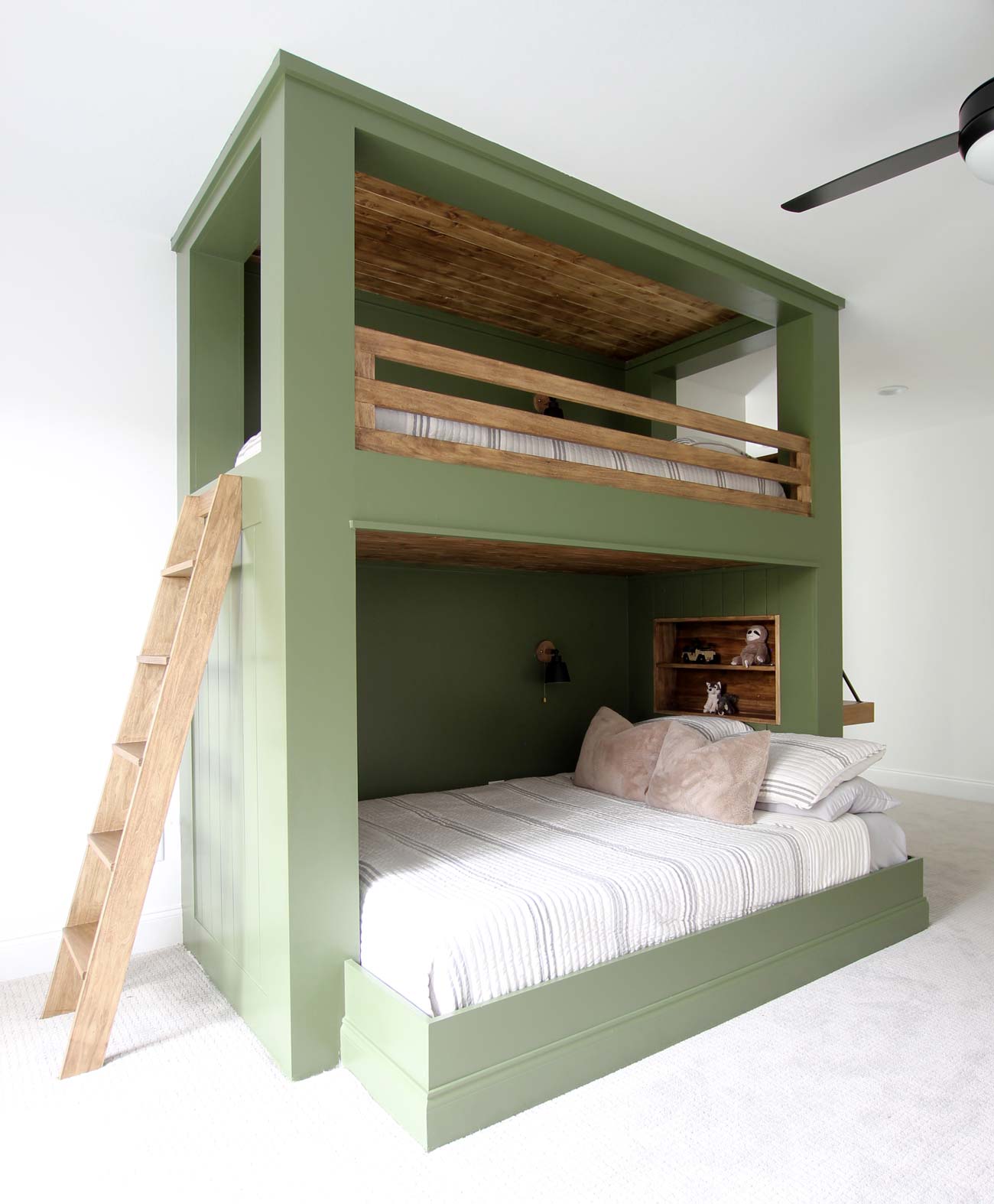
Start by measuring the distance from the floor to the top bunk. Use a tape measure for accuracy. Note this height carefully. This measurement is the total ladder length you will need. Add a few extra inches for the ladder to rest securely on the floor and the bed frame. This ensures stability and safety while climbing.
Decide Step Spacing
Step spacing affects how easy it is to climb the ladder. Space steps evenly, about 10 to 12 inches apart. This distance fits most children and adults comfortably. Mark the step positions on the ladder rails before cutting or attaching steps. Consistent spacing helps prevent slips and falls. Avoid making the steps too close or too far apart.
Credit: plankandpillow.com
Cutting The Wood Pieces
Cutting the wood pieces is the first step in building a sturdy ladder for your bunk bed. Accurate cuts ensure the ladder fits well and stays strong. Take your time to measure twice and cut once. Use sharp tools for clean edges and safer handling.
Cut Side Rails
Start by cutting two long side rails. These are the ladder’s main supports. Measure the height of your bunk bed to get the right length. Mark the wood clearly to avoid mistakes. Use a saw to cut the rails straight. Smooth the edges with sandpaper to prevent splinters.
Cut Ladder Steps
Next, cut the ladder steps or rungs. These pieces connect the side rails and hold your weight. Choose a sturdy wood type for safety. Cut each step the same length to keep the ladder even. Sand all surfaces for a smooth finish. Properly cut steps make climbing easier and safer.
Assembling The Ladder Frame
Assembling the ladder frame is the first step in building a strong and safe ladder for your bunk bed. This frame forms the basic structure that supports the steps. Use solid wood pieces to ensure durability and stability. Follow the measurements carefully to make sure the ladder fits perfectly beside the bed.
Take your time during this process. A well-built frame will keep the ladder steady and secure. Use clamps to hold the wood pieces in place before screwing them together. This helps avoid mistakes and keeps the frame square.
Choosing The Right Wood For The Frame
Select wood that is strong and smooth. Pine and oak are good choices. Avoid wood with cracks or knots. Smooth wood reduces the chance of splinters. Make sure the wood pieces are straight and the same thickness.
Cutting The Ladder Side Rails
Measure the height from the floor to the top bunk carefully. Cut two long pieces of wood for the side rails. These will hold the steps and support weight. Use a saw to make clean, straight cuts. Sand the edges to avoid splinters.
Attaching The Side Rails Securely
Place the two side rails parallel on a flat surface. Make sure they are aligned perfectly. Use wood glue on the ends to help hold the joints. Drill pilot holes for screws to prevent the wood from splitting. Screw the rails tightly to keep the frame strong.
Checking The Ladder Frame For Stability
After assembly, test the frame’s stability by pressing on it gently. The frame should not wobble or shift. Tighten any loose screws. Use a level tool to check that the rails are straight. A stable frame is essential for safety.

Credit: neurocin.com.br
Attaching The Steps
Attaching the steps is a key part of building a strong bunk bed ladder. This step ensures safety and stability. Properly fixed steps support weight and prevent accidents. Take time to align and secure each step carefully.
Prepare the ladder frame by marking the spots for each step. Equal spacing makes climbing easier and safer. Use a measuring tape and pencil for accuracy. Mark all step positions before drilling holes.
Positioning The Steps Correctly
Place each step on the marked spot along the ladder sides. Make sure the steps sit flat and level. Check alignment with a carpenter’s square. Even placement avoids wobbling during use.
Drilling Pilot Holes
Drill small pilot holes where screws will go. Pilot holes prevent wood from splitting. Use a drill bit slightly smaller than the screw diameter. Drill straight holes through each step and ladder side.
Securing Steps With Screws
Use wood screws to attach steps firmly. Drive screws through the pilot holes into the ladder frame. Tighten screws until steps feel solid. Avoid over-tightening to prevent wood damage.
Double Checking Stability
After attaching, test each step for firmness. Press down gently and check for movement. Tighten screws if any step feels loose. Secure steps guarantee safe climbing for kids and adults.
Sanding And Finishing
Sanding and finishing are key steps in building a safe, strong ladder for a bunk bed. These steps protect the wood and give it a nice look. Sanding smooths rough spots and removes splinters. Finishing adds a layer that guards against wear and moisture.
Taking time to sand and finish properly helps the ladder last longer. It also makes climbing safer and more comfortable. Follow simple steps to get the best results.
Smooth Edges
Start by sanding all ladder parts with medium-grit sandpaper. This removes rough patches and sharp edges. Next, use fine-grit sandpaper to make the wood very smooth. Pay special attention to the edges and corners. Smooth edges prevent splinters and cuts. Sand in the direction of the wood grain. Wipe away dust with a clean cloth before moving on.
Apply Paint Or Varnish
Choose a paint or varnish that suits the wood type. Paint adds color and hides imperfections. Varnish keeps the natural wood look and adds shine. Use a brush to apply thin, even coats. Let each coat dry completely before adding the next. Two or three coats give good protection. Finish with a light sanding between coats for smooth results. Allow the ladder to dry fully before use.
Securing The Ladder To The Bunk Bed
Securing the ladder to the bunk bed is a key step for safety and stability. A well-secured ladder prevents accidents and keeps the ladder steady. This part needs care and attention.
Use strong materials to connect the ladder to the bed frame. Check that the ladder fits tightly and does not wobble. Loose ladders can cause falls and injuries.
Choosing The Right Fasteners
Select bolts or screws that are strong and long enough. Avoid nails as they may not hold well. Use washers with bolts to keep them secure and prevent damage.
Positioning The Ladder Correctly
Place the ladder at an easy angle for climbing. Attach the top of the ladder to the bed frame where it fits best. Ensure it does not block the bed entrance or space below.
Double-checking Stability
Test the ladder by gently pushing and pulling it. Tighten fasteners if you see any movement. Repeat the test until the ladder feels firm and safe.
Safety Checks
Safety checks are vital after building a ladder for a bunk bed. They help prevent accidents and ensure the ladder is strong and safe. Take time to carefully review every part of the ladder. This step is important before use.
Test Stability
Stand on the ladder carefully and check for any wobbling. Try to move it slightly from side to side. The ladder should stay firm and not shake. If it moves, tighten all screws and bolts. Make sure the ladder feels steady on the floor. A stable ladder reduces the risk of falls.
Inspect For Sharp Edges
Run your hands along all edges and corners of the ladder. Look for splinters, rough spots, or sharp points. Sand down any rough areas until smooth. Sharp edges can cause cuts or scrapes. Smooth surfaces keep the ladder safe for children and adults.

Credit: www.arroceriadagusto.es
Maintenance Tips
Maintaining your bunk bed ladder is important for safety and durability. A well-kept ladder lasts longer and stays strong. Simple care steps keep it safe for children to climb every day.
Check the ladder regularly for loose screws and bolts. Tighten them to keep the ladder stable and prevent accidents. Make sure the wood does not crack or splinter, which can cause injuries.
Cleaning the ladder helps keep it in good shape. Use a soft cloth to remove dust and dirt. Avoid using harsh chemicals that can damage the wood or paint.
Regularly Inspect For Damage
Look closely at the ladder for any signs of wear. Cracks, splinters, or loose parts need immediate attention. Repair or replace damaged parts to avoid risks.
Tighten Screws And Bolts
Use a screwdriver or wrench to check all screws and bolts. Tighten any that feel loose. This keeps the ladder firm and safe to use.
Clean The Ladder Gently
Wipe the ladder with a damp cloth to remove dust. Avoid soaking the wood to prevent swelling. Use mild soap if needed, then dry it well.
Apply Protective Finish
Use varnish or paint to protect the wood from moisture and wear. Reapply every year or as needed. This keeps the ladder looking new and strong.
Store In A Dry Place
Keep the ladder away from damp areas. Moisture can cause wood to warp or rot. A dry place helps maintain the ladder’s strength.
Frequently Asked Questions
What Materials Are Needed To Build A Bunk Bed Ladder?
You need sturdy wood planks, screws, a drill, sandpaper, measuring tape, and safety gear. Choose hardwood for durability and smooth surfaces for comfort.
How Do You Ensure The Ladder Is Safe For Kids?
Use non-slip treads, smooth edges, and secure attachment to the bed frame. Check weight capacity and stability before use.
What Is The Best Ladder Design For A Bunk Bed?
A straight or slightly angled ladder with wide, evenly spaced steps works best. It offers safety and easy climbing for all ages.
How Do You Attach The Ladder To The Bunk Bed?
Use strong brackets or screws to secure the ladder firmly to the bed frame. Ensure it doesn’t wobble or shift during use.
Conclusion
Building a ladder for a bunk bed is easier than it seems. Use strong wood and measure carefully for safety. Take your time to cut and assemble the parts. Sand the edges to avoid splinters and make it smooth. Attach the ladder firmly to the bed frame.
This project saves money and fits your space perfectly. Enjoy the satisfaction of creating something useful with your own hands. Safety and quality matter most in every step you take. Now, your bunk bed is ready to climb comfortably and safely.