Are you looking to add a stylish and functional piece to your room without spending a fortune? Building a leaning bookshelf with a desk might be exactly what you need.
Imagine having a sleek space that holds your favorite books and gives you a comfortable spot to work or study—all in one. This project is easier than you think, and you’ll love the sense of accomplishment when it’s done. Keep reading, and you’ll discover simple steps and tips that make building your own leaning bookshelf with desk a breeze.
Your perfect blend of storage and workspace is just a few moves away.
Credit: www.ana-white.com
Materials And Tools Needed
Building a leaning bookshelf with a desk is a fun project. You need the right materials and tools. Choosing quality items helps create a strong, beautiful piece. This section covers the wood, hardware, and tools you need.
Wood Selection
Pick wood that is sturdy and smooth. Pine is easy to work with and affordable. Oak and maple offer more strength and a nice finish. Choose boards that are straight and free of cracks. Sand the wood before assembly for a clean look.
Hardware And Fasteners
Use screws designed for wood to hold pieces tight. Wood glue adds extra strength to joints. Brackets help keep the shelf stable. Get screws that match the thickness of your wood. Small nails can secure back panels if needed.
Essential Tools
A drill with different bits is very useful. A saw cuts the wood to the right size. Sandpaper or a sander smooths rough edges. A measuring tape ensures precise cuts. A screwdriver helps tighten screws easily. A level keeps the bookshelf straight.
Designing Your Leaning Bookshelf Desk
Designing your leaning bookshelf desk is an exciting first step. It shapes how the final piece looks and works. This design phase ensures the desk fits your space and needs. Careful planning saves time and materials later. Focus on three key areas: dimensions, layout, and style.
Choosing Dimensions
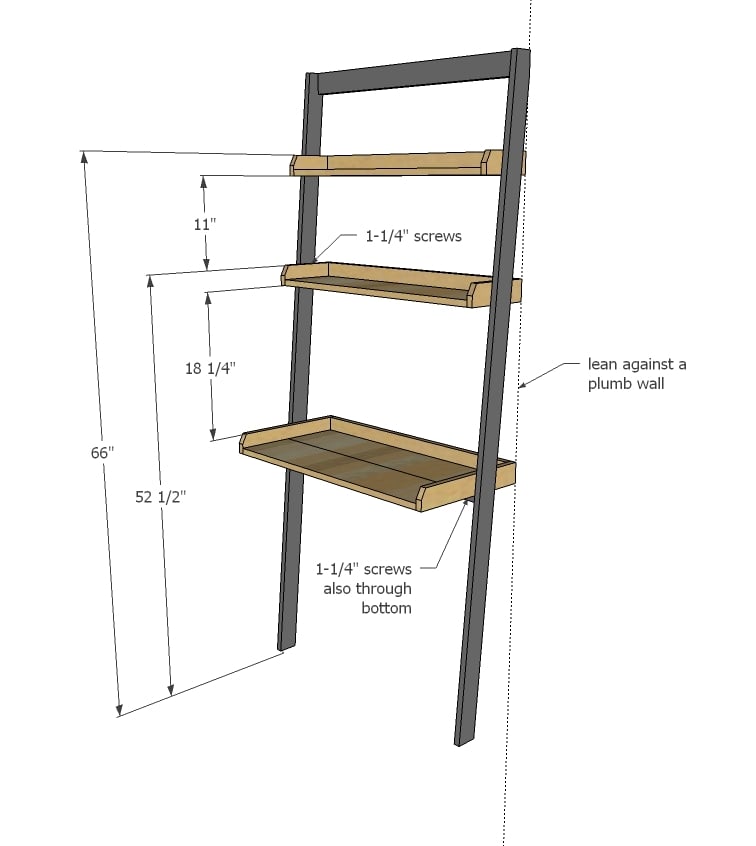
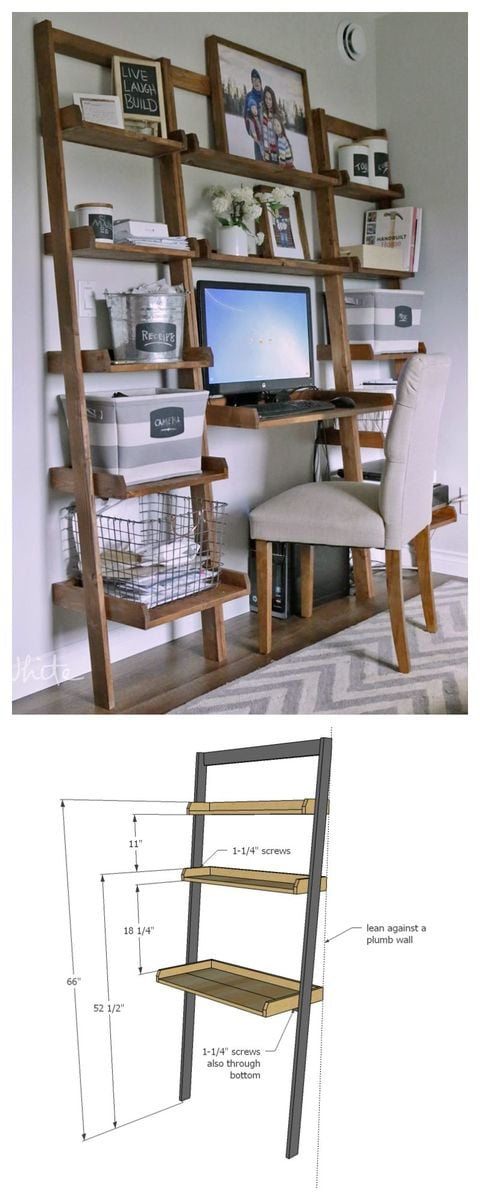
Start by measuring the wall space available. Keep in mind the height and width limits. The desk surface should be comfortable to use. Standard desk height is about 29 to 30 inches. Consider the depth so it doesn’t stick out too far. Make sure shelves have enough room for your books and items. Balance is important for stability and appearance.
Sketching The Layout
Draw a simple plan on paper or a digital tool. Mark the position of the desk and shelves. Decide how many shelves you want and their spacing. Include space for your chair under the desk. Think about how you will access books and work comfortably. A clear layout helps avoid mistakes during building.
Selecting The Style
Pick a style that matches your room and taste. Modern leaners have clean lines and minimal shapes. Rustic styles use natural wood with visible grain. Consider colors and finishes that suit your decor. Open shelves keep the design light and airy. Closed compartments add storage and hide clutter. Choose what fits your lifestyle best.
Preparing The Wood Pieces
Preparing the wood pieces is the first important step in building your leaning bookshelf with desk. This stage shapes the foundation for a strong and stable project. Proper preparation ensures each piece fits well and looks great.
Careful measuring, precise cutting, and smooth sanding will help your bookshelf stand out. Taking time here saves effort later during assembly.
Measuring And Marking
Start by measuring each wood piece with a tape measure. Double-check your numbers before marking. Use a pencil to draw clear, straight lines on the wood. Mark all cuts carefully to avoid mistakes. Accurate measurements help all parts fit perfectly.
Cutting Techniques
Use a saw suitable for your wood type and thickness. Follow the marked lines slowly and steadily. Keep your hands steady and the saw blade straight. Clean, smooth cuts make assembly easier. Cut each piece to the exact size needed for your design.
Sanding And Smoothing
Sand each wood piece to remove rough edges and splinters. Start with medium-grit sandpaper, then switch to fine-grit for a smooth finish. Sand along the wood grain for best results. Smooth wood feels better and helps paint or stain apply evenly.
Credit: blog.strongtie.com
Assembling The Bookshelf Frame
Assembling the bookshelf frame is the key step in building your leaning bookshelf with desk. This process creates the strong base needed to hold books and support the desk surface. Take your time to ensure each part fits perfectly.
Building The Leaning Frame
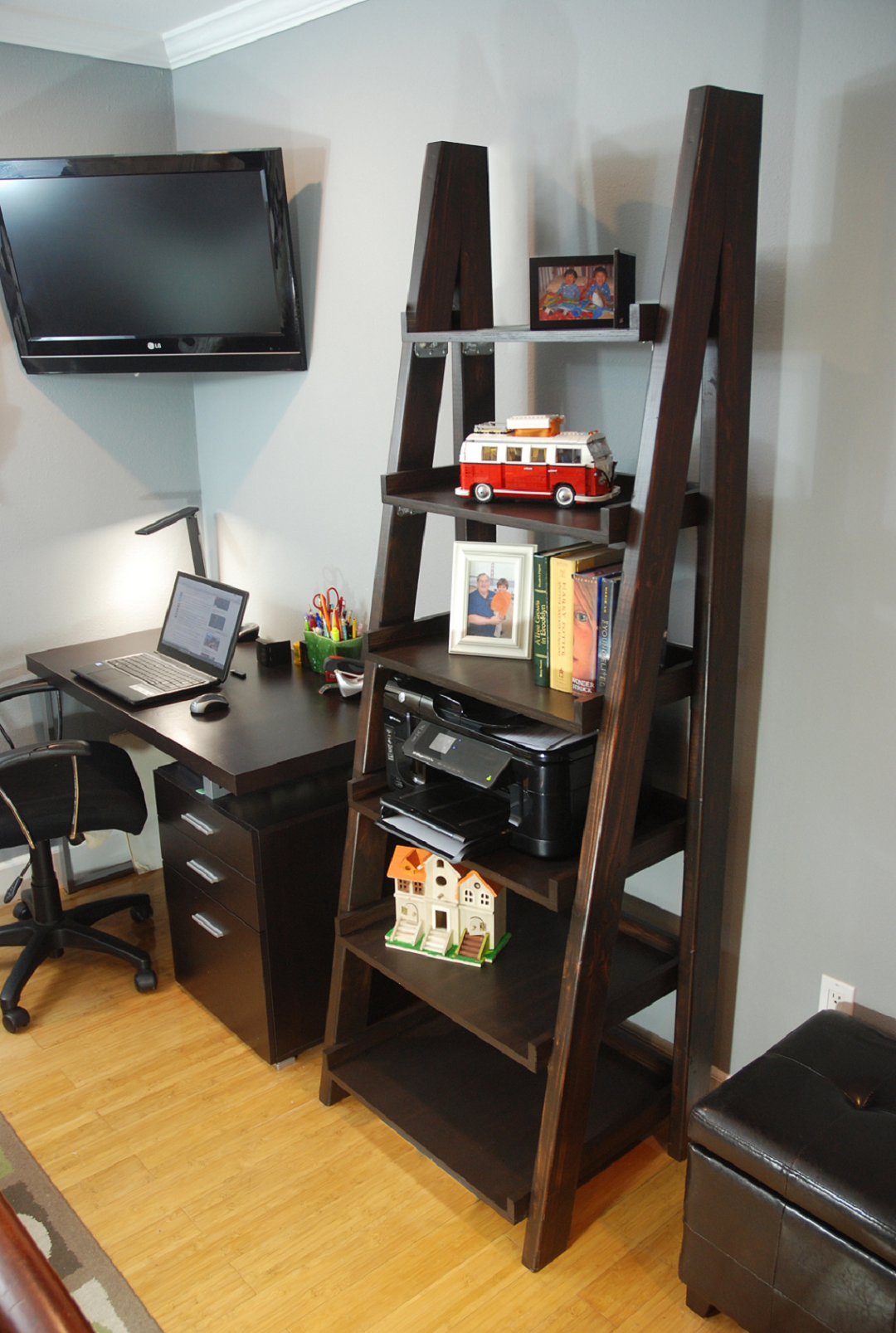
Start by connecting the two side panels. These panels create the angled shape that leans against the wall. Use screws or bolts to join the panels securely. Check the angle often to keep the frame stable. The frame should lean slightly backward for safety and style.
Attaching The Shelves
Next, add the shelves to the frame. Mark the spots on the side panels where each shelf will go. Use brackets or screws to fix each shelf in place. Make sure shelves are level and spaced evenly. This step gives your bookshelf the strength to hold many books.
Securing The Desk Surface
Finally, attach the desk surface at a comfortable height. Place the desk board on the lower part of the frame. Use screws to fasten it firmly to the side panels. The desk should feel solid and steady. This part completes your leaning bookshelf with desk setup.
Finishing Touches
Finishing touches make your leaning bookshelf with desk look complete and last longer. These steps protect the wood and add style. A good finish also helps your project resist wear and tear. Follow these simple tips to give your furniture a clean, polished look.
Applying Paint Or Stain
Choose paint or stain based on the look you want. Paint covers the wood fully and adds color. Stain shows the natural wood grain and adds warmth. Use a brush or cloth to apply evenly. Let each coat dry before adding another. Light sanding between coats gives a smooth finish.
Adding Protective Coating
Protective coating guards your bookshelf from damage. Use clear varnish, polyurethane, or lacquer. These coatings add shine and shield the wood from spills and scratches. Apply thin layers with a clean brush. Allow each layer to dry fully. Light sanding improves adhesion and smoothness.
Installing Accessories
Add accessories to increase the shelf’s function and style. Hooks can hold keys or bags. Drawer knobs or handles make opening easier. Attach small lights for better desk visibility. Choose accessories that match your room’s decor. Secure them tightly to ensure safety and durability.
Credit: www.ana-white.com
Tips For Stability And Safety
Building a leaning bookshelf with a desk is a great way to save space and add style. Safety and stability are very important. This section shares key tips to keep your furniture steady and secure. Follow these steps for a safe and strong build.
Anchoring To The Wall
Secure the bookshelf to the wall using brackets or straps. This stops it from tipping forward. Use a stud finder to locate solid wall studs. Attach anchors firmly to these studs. Avoid just screwing into drywall alone. Anchoring adds essential support and prevents accidents.
Weight Distribution
Place heavier items on the lower shelves. This lowers the center of gravity and adds balance. Lighter items should go on top shelves. Arrange books and decor evenly across shelves. Avoid piling too much weight on one side. Balanced weight keeps the bookshelf from leaning or wobbling.
Regular Maintenance
Check the bookshelf often for loose screws or bolts. Tighten any parts that feel weak. Look for cracks or damage in the wood or joints. Clean dust and dirt from brackets and joints. Regular care helps maintain strength and safety over time.
Frequently Asked Questions
What Materials Do I Need To Build A Leaning Bookshelf With Desk?
You need wood boards, screws, brackets, sandpaper, paint, and tools like a drill and saw. Choose sturdy, quality wood for durability. Measuring tape and a level help ensure accuracy and stability during assembly.
How Long Does It Take To Build A Leaning Bookshelf Desk?
Building a leaning bookshelf desk typically takes 3 to 5 hours. Time varies based on skill level and complexity. Preparing materials and following clear instructions speeds up the process for beginners and experienced DIYers.
Can I Customize The Size Of The Leaning Bookshelf Desk?
Yes, you can customize the size to fit your space. Adjust the height, width, and depth based on your needs. Custom dimensions require careful measurement and cutting for a perfect fit in your room.
Is A Leaning Bookshelf Desk Stable And Safe To Use?
Yes, it is stable when properly assembled and anchored to the wall. Use brackets and a level to ensure it leans securely. Stability depends on quality materials and correct installation techniques.
Conclusion
Building a leaning bookshelf with a desk adds style and function to any room. You create a unique space for books and work. The process is simple and rewarding. Each step brings you closer to a useful piece of furniture.
This project fits small spaces well. It saves money compared to buying ready-made furniture. Plus, you get the pride of doing it yourself. Try this project to add charm and order to your home. Enjoy your new workspace and storage all in one.