Are you looking to save space without sacrificing comfort? Building a low loft bunk bed might be the perfect solution for your home.
It’s not only practical but also a fun project you can customize to fit your style and needs. Imagine having extra room underneath for storage, play, or study—without the hassle of a tall, hard-to-reach bed. In this guide, you’ll discover simple, step-by-step instructions to create a sturdy, stylish low loft bunk bed that suits your space and budget.
Ready to transform your room and make the most of every inch? Keep reading to find out how easy it can be.

Credit: www.youtube.com
Planning Your Low Loft Bunk Bed
Planning your low loft bunk bed is the first step toward a successful build. Good planning saves time and effort. It helps you avoid mistakes and ensures a safe, strong bed. Think about your space, needs, and safety before starting.
Choosing The Right Dimensions
Measure the room carefully to find the best spot for the bed. Decide the bed’s height to fit under windows or shelves. The length and width should match the mattress size you want. Leave some space around the bed for easy movement. Keep the bed low enough for younger kids to climb safely.
Selecting Materials And Tools
Choose strong, durable wood like pine or oak for the frame. Use smooth, sanded wood to avoid splinters. Pick screws and bolts that hold the bed firmly. Get tools like a drill, saw, measuring tape, and screwdriver. Having the right tools makes building easier and safer.
Designing For Safety And Stability
Plan for guardrails on all sides to prevent falls. Make sure the bed frame has solid support beams underneath. Check that the ladder steps are wide and easy to grip. Avoid sharp edges or corners in your design. Test the bed’s stability by pressing and shaking it gently before use.

Credit: www.amazon.com
Preparing The Workspace
Preparing the workspace is the first step to building a low loft bunk bed. A clean and organized area helps you work safely and efficiently. It also keeps your materials easy to find. Take time to set up your space before starting the project.
Clearing And Organizing The Area
Remove any clutter or furniture from your work zone. This creates enough room to move and assemble the bed parts. Sweep the floor to clear dust and small debris. Organize tools and materials in one spot to avoid searching during work. Good lighting helps you see details clearly. Open windows or use fans for fresh air.
Gathering Supplies And Equipment
Collect all the wood, screws, and hardware needed for the bunk bed. Prepare power tools like drills and saws before starting. Check that all tools work properly and have fresh batteries if cordless. Keep safety gear nearby, such as gloves and goggles. Having everything ready stops interruptions and saves time during building.
Cutting And Preparing Wood Pieces
Cutting and preparing wood pieces is a key step in building a low loft bunk bed. Accurate cuts and smooth edges ensure the bed is safe and sturdy. This process also helps the pieces fit together perfectly. Take time with each step to avoid mistakes. Proper preparation makes assembly easier and the final product stronger.
Measuring And Marking
Measure each piece carefully before cutting. Use a tape measure and pencil to mark lines clearly. Double-check measurements to avoid errors. Mark the wood on the face where you will cut. Use a square tool to make straight lines. Clear marks guide your saw and keep cuts accurate.
Cutting Techniques For Accuracy
Choose the right saw for each cut. A circular saw works well for long, straight cuts. Use clamps to hold wood steady while cutting. Cut slowly and follow your marked lines closely. Keep the saw blade steady to avoid splintering. Smooth, precise cuts improve the fit and look of the bed.
Sanding And Finishing Edges
Sand all cut edges with medium-grit sandpaper. This removes splinters and rough spots. Smooth edges prevent injury and improve finish. Use fine-grit sandpaper for a soft touch after. Wipe dust off with a dry cloth before assembly. Well-prepared edges create a professional, safe bunk bed.
Assembling The Frame
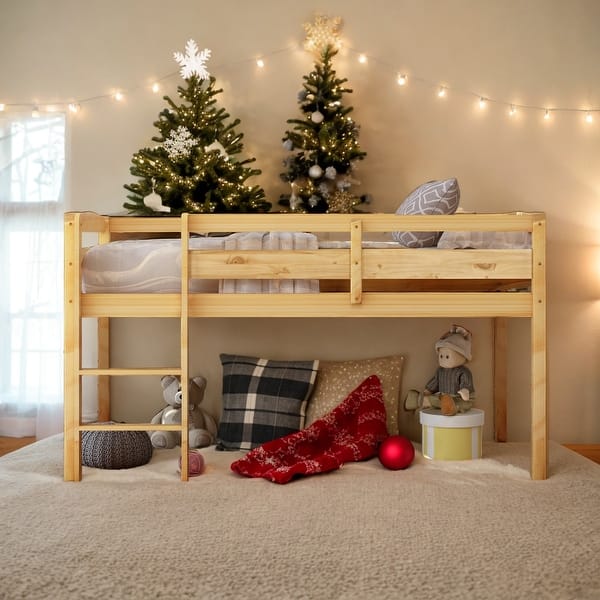
Assembling the frame is the core step in building your low loft bunk bed. A strong frame ensures safety and durability. This stage involves creating the bed base, constructing the legs and supports, and attaching the guardrails and ladder. Each part must fit well for the bed to stand firm and last long.
Building The Bed Base
Start by cutting the wood pieces for the bed base. Use sturdy planks for strong support. Lay the planks evenly across the bed frame. Screw the planks tightly to prevent movement. This base will hold the mattress safely without sagging.
Constructing The Legs And Supports
Cut four equal legs from solid wood. Attach them securely to each corner of the bed base. Add horizontal supports between the legs. These supports keep the legs stable and stop them from wobbling. Check all screws are tight before moving on.
Attaching Guardrails And Ladder
Fix guardrails along the sides of the bed for safety. Use screws to hold the rails firmly in place. Build a simple ladder with two side rails and flat steps. Attach the ladder to the bed frame securely. Make sure the ladder is steady and easy to climb.
Securing And Reinforcing
Securing and reinforcing your low loft bunk bed is key for safety and durability. Strong joints keep the bed steady. Loose parts can cause accidents. Spend time on this step to make the bed safe for use. Use proper tools and hardware for the best results.
Focus on connecting all parts tightly. Reinforcements add strength to the frame. This section explains how to secure your bed with screws and brackets. It also guides you on checking stability and making necessary adjustments.
Using Screws And Brackets
Use screws designed for wood or metal, depending on your bed frame. Choose screws long enough to hold parts firmly together. Brackets add extra support at corners and joints. Attach brackets on both inside and outside corners for balance. Tighten all screws and brackets well. Avoid over-tightening to prevent wood splitting. Use a drill to make pilot holes before screwing. This prevents damage and keeps screws straight. Double-check that all brackets are flush with the frame.
Checking Stability And Adjustments
Test the bed frame by gently shaking it. Look for any movement or squeaking. Tighten loose screws immediately. Check the legs to ensure they sit flat on the floor. Add felt pads or rubber grips if needed for stability. Inspect the ladder and guardrails for firmness. Adjust or reinforce any weak spots. A stable bed feels solid and safe. Do this before adding the mattress or letting anyone use the bed.
Credit: buybuybaby.bedbathandbeyond.com
Finishing Touches
Maintaining a low loft bunk bed ensures it stays safe and lasts longer. Regular care helps prevent accidents and keeps the bed sturdy. Simple steps make a big difference in safety and durability.
Regular Inspections
Check the bed every few weeks. Look for loose screws and bolts. Tighten any parts that feel wobbly. Examine the wood for cracks or splinters. Replace any damaged pieces right away. Keep the bed clean to avoid dust buildup. A solid structure keeps the bed safe.
Weight Limits And Usage Guidelines
Follow the weight limit set by the manufacturer. Do not allow more weight than recommended. Explain to children how to use the bed properly. No jumping or rough play on the bunk. Use guardrails to prevent falls. Make sure the ladder is secure before climbing. Clear rules help avoid injuries and damage.
Frequently Asked Questions
What Materials Are Needed To Build A Low Loft Bunk Bed?
You need quality wood, screws, brackets, sandpaper, and a saw. Choose durable, safe materials for stability. Proper tools ensure easy assembly and safety.
How Much Space Does A Low Loft Bunk Bed Save?
A low loft bunk bed saves significant floor space. It frees up room for play or study underneath. Ideal for small bedrooms or shared spaces.
Is Building A Low Loft Bunk Bed Safe For Kids?
Yes, if built with sturdy materials and secure fastenings. Use guardrails and ensure smooth surfaces to prevent injuries. Follow safety guidelines strictly for child use.
How Long Does It Take To Build A Low Loft Bunk Bed?
Typically, it takes 4 to 6 hours for an average DIYer. Time varies based on skill level and tools available. Planning and preparation speed up the process.
Conclusion
Building a low loft bunk bed can save space and add style. Follow each step carefully to ensure safety and strength. Choose the right materials for a sturdy, long-lasting bed. Take your time with measurements and assembly to avoid mistakes.
A well-built bunk bed fits any room and suits many needs. Enjoy the satisfaction of creating something useful with your own hands. Simple tools and clear instructions make the project easy to finish. Your new bunk bed will bring comfort and fun to any space.