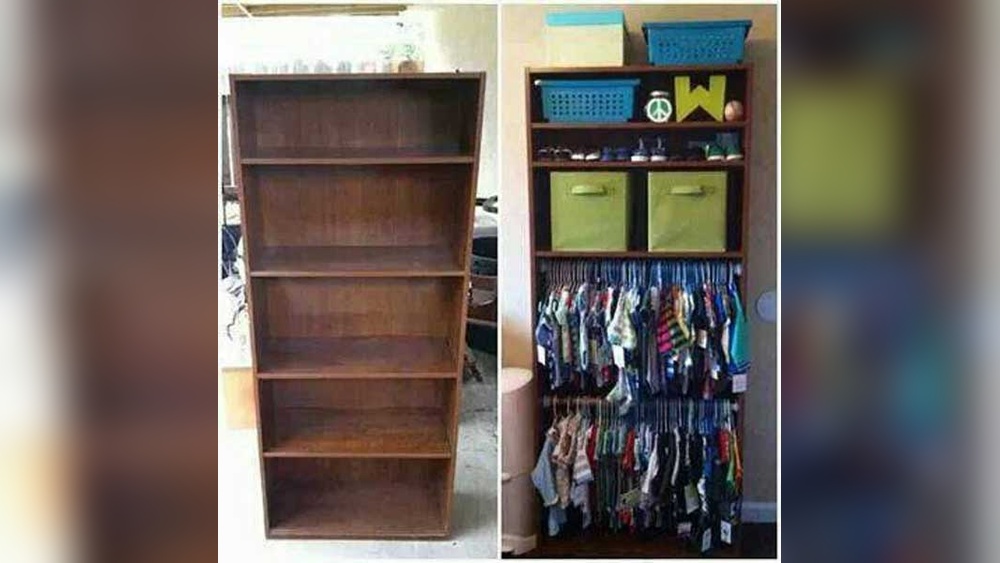
Are you looking for a clever way to keep your pet rats safe, happy, and entertained while saving space in your home? Building a rat cage bookshelf might be the perfect solution for you.
Imagine combining a cozy home for your furry friends with a stylish piece of furniture that fits right into your living room. This guide will walk you through simple steps to create a sturdy, functional, and attractive rat cage bookshelf.
By the end, you’ll have a unique setup that both you and your rats will love. Ready to get started? Let’s dive in!
Choosing The Right Materials
Choosing the right materials is key to building a safe and sturdy rat cage bookshelf. The materials affect how long the cage lasts and how safe it is for your pets. Picking the best wood and tools will help you create a cozy home for your rats and a functional bookshelf for your space.
Selecting Safe Wood Types
Not all wood is safe for rats. Some woods can harm their health. Pine and cedar release oils that irritate rats’ lungs. Opt for hardwoods like maple, birch, or poplar. These woods are strong and free from harmful chemicals. Avoid treated or painted wood because chemicals can be toxic. Sand the wood smooth to prevent splinters. This keeps your rats safe and comfortable.
Essential Tools And Supplies
Having the right tools makes building easier and safer. A saw helps cut the wood to size. Sandpaper smooths rough edges. A drill is useful for making holes and fixing screws. Use non-toxic wood glue to hold parts together. Measure twice, cut once. Safety gear like gloves and goggles protect you during work. Collect screws, hinges, and mesh wire for cage walls. Quality tools and materials ensure a strong, safe cage bookshelf.
Credit: everestkitchennc.com
Designing Your Cage Bookshelf
Designing your rat cage bookshelf is the first step in creating a safe and fun home for your pets. It blends functionality with style. You want it to fit your space and meet your rats’ needs. Careful planning helps you build a cage that is both practical and attractive.
Focus on size, compartments, and extra storage. These elements make the bookshelf useful for you and comfortable for your rats.
Measuring Space And Dimensions
Start by measuring the area where you will place the cage bookshelf. Note the height, width, and depth. Make sure there is enough room for the cage and easy access for cleaning. Leave space for doors or drawers if you plan to add them later.
Consider the size of your rats. They need enough space to move and play. Plan for a cage at least 24 inches long and 18 inches wide. Height should allow climbing and jumping comfortably.
Planning Cage Compartments
Divide the cage into sections for different activities. Include areas for sleeping, eating, and playing. Add shelves or ramps to increase space vertically. Rats love to climb and explore.
Make compartments easy to clean and access. Use removable trays or sliding shelves. Good ventilation is important to keep air fresh inside the cage.
Incorporating Storage Features
Think about storage for food, toys, and cleaning supplies. Built-in drawers or cabinets under the cage save space. Shelves on the sides can hold books or supplies related to your rats.
Keep storage organized and within reach. This saves time and keeps your area tidy. Choose materials that are strong and easy to clean.
Constructing The Frame
Constructing the frame is the first key step to build a rat cage bookshelf. It shapes the entire structure and holds everything together. A strong frame keeps the cage safe and steady for your pet rats. Take your time to measure and cut the wood carefully. Good planning makes assembly easier and faster.
Cutting And Assembling Wood Pieces
Start by measuring the wood to fit your design. Use a saw to cut pieces for the sides, shelves, and base. Make sure each piece is straight and smooth. Sand rough edges to avoid splinters. Arrange the pieces on the floor to check the shape before joining them. This helps spot any mistakes early. Assemble the frame by connecting the wood parts with nails or screws. Work on a flat surface to keep the frame even.
Securing Joints And Supports
Strong joints hold the frame tight and stable. Use wood glue at each joint to add strength. Clamp the pieces together until the glue dries. Add corner braces or metal brackets to support weight and prevent wobbling. Check all screws and nails are tight. Place extra wooden supports under shelves to hold the rats’ weight. Reinforced joints keep the cage safe and last long.

Credit: www.deltatechnology.it
Adding Cage Components
Adding cage components is a key step in building a rat cage bookshelf. This part ensures your rats stay safe, comfortable, and happy. Proper installation of mesh, doors, and ventilation keeps the cage functional and secure.
Installing Wire Mesh Panels
Wire mesh panels form the cage’s walls. Choose strong, rust-resistant mesh for safety. Cut panels to fit the bookshelf frame snugly. Attach panels using staples or small nails. Check for sharp edges and cover them to protect your rats. Make sure the mesh holes are small enough to prevent escapes.
Creating Doors And Access Points
Doors give easy access for cleaning and feeding. Plan door size to fit your hand comfortably. Use hinges to attach doors securely to the frame. Add a latch or clip to keep doors closed tightly. Position doors where you can reach easily without disturbing your rats. Test doors for smooth opening and closing.
Ensuring Proper Ventilation
Ventilation keeps air fresh and stops smells. Use mesh panels on at least two sides. Avoid blocking airflow with large objects or bedding. Check airflow regularly to prevent dampness. Good ventilation reduces health risks and keeps rats active. Balance airflow with temperature control inside the cage.
Finishing Touches
Finishing touches make your rat cage bookshelf safe and attractive. These final steps improve durability and comfort for your pets. Proper care in this phase ensures a smooth, clean, and pet-friendly space.
Sanding And Painting Safely
Start by sanding all surfaces to remove rough edges. Use fine-grit sandpaper for a smooth finish. This prevents splinters and keeps rats safe. Choose non-toxic, water-based paint or sealant. Avoid strong chemicals that may harm your pets. Apply thin, even coats and let each dry fully. Ensure the paint or sealant is pet-safe before use. This step protects the wood and adds color.
Adding Shelves And Accessories
Install shelves at different heights to create climbing spots. Use sturdy, smooth wood for shelves to avoid injury. Attach ramps or ladders for easy access between levels. Add cozy hideouts or small boxes for privacy. Include chew toys and hanging ropes for enrichment. Fix accessories securely to prevent falling. These additions make the cage fun and functional for your rats.
Setting Up For Your Rats
Setting up a rat cage bookshelf means making a cozy and safe home for your rats. This space should keep them happy and active. Comfort and fun are the keys.
Rats need a clean, soft place to rest. They also need toys to play and explore. Food and water stations must be easy to reach. Let’s look at how to set these up.
Choosing Bedding And Toys
Choose bedding that is soft and safe. Avoid materials that cause dust or harm. Paper-based or aspen shavings work well. Change bedding often to keep it fresh.
Toys help rats stay active and smart. Use tunnels, ladders, and chew toys. Rotate toys to keep rats interested. Avoid small parts that rats can swallow.
Arranging Food And Water Stations
Place food and water where rats can reach easily. Use heavy bowls or attach bottles to prevent spills. Check water daily to keep it clean. Offer fresh food every day.
Separate food from bedding to avoid mess. Keep stations in quiet spots to reduce stress. This setup helps rats eat well and stay healthy.
Maintaining The Cage Bookshelf
Maintaining your rat cage bookshelf is key to keeping your pets happy and healthy. A clean, safe environment helps prevent illness and injury. Regular checks extend the life of your cage and keep it sturdy.
Cleaning Tips And Frequency
Clean the cage at least once a week. Remove all bedding and toys. Wash the shelves and bars with warm, soapy water. Rinse well to remove soap residue. Dry everything completely before putting it back. Spot clean daily to remove waste and food crumbs. This keeps odors down and your rats comfortable.
Checking For Wear And Safety Issues
Look for loose screws or sharp edges every few days. Check the wire bars for rust or breaks. Make sure shelves are firmly attached and not wobbly. Replace any damaged parts immediately. Keep an eye on locks and doors to prevent escapes. Safety checks protect your rats from injuries and stress.

Credit: www.reddit.com
Frequently Asked Questions
How Do I Start Building A Rat Cage Bookshelf?
Begin by planning dimensions and selecting sturdy materials. Use wood for shelves and wire mesh for cage walls. Ensure proper ventilation and easy access for cleaning and feeding your rats.
What Materials Are Best For A Rat Cage Bookshelf?
Use untreated wood for the frame and shelves. Add galvanized wire mesh for safety and ventilation. Avoid toxic paints or chemicals to keep your rats healthy and safe.
How To Ensure Proper Ventilation In A Rat Cage Bookshelf?
Incorporate wire mesh on the sides and back. This allows airflow while keeping rats secure. Avoid solid panels to prevent heat buildup and maintain fresh air circulation.
Can I Customize The Cage For Rat Enrichment?
Yes, add ramps, tunnels, and shelves inside. These encourage climbing and exploration. Customize the layout to suit your rats’ needs and promote activity.
Conclusion
Building a rat cage bookshelf is a fun and useful project. You save space and give your pets a cozy home. Using simple materials makes the process easy and affordable. Take your time to measure and assemble carefully. Your rats will enjoy the new space to explore and climb.
This DIY project adds charm to any room too. Try it yourself and see how rewarding it feels. Small steps lead to great results. Enjoy building your rat cage bookshelf today!