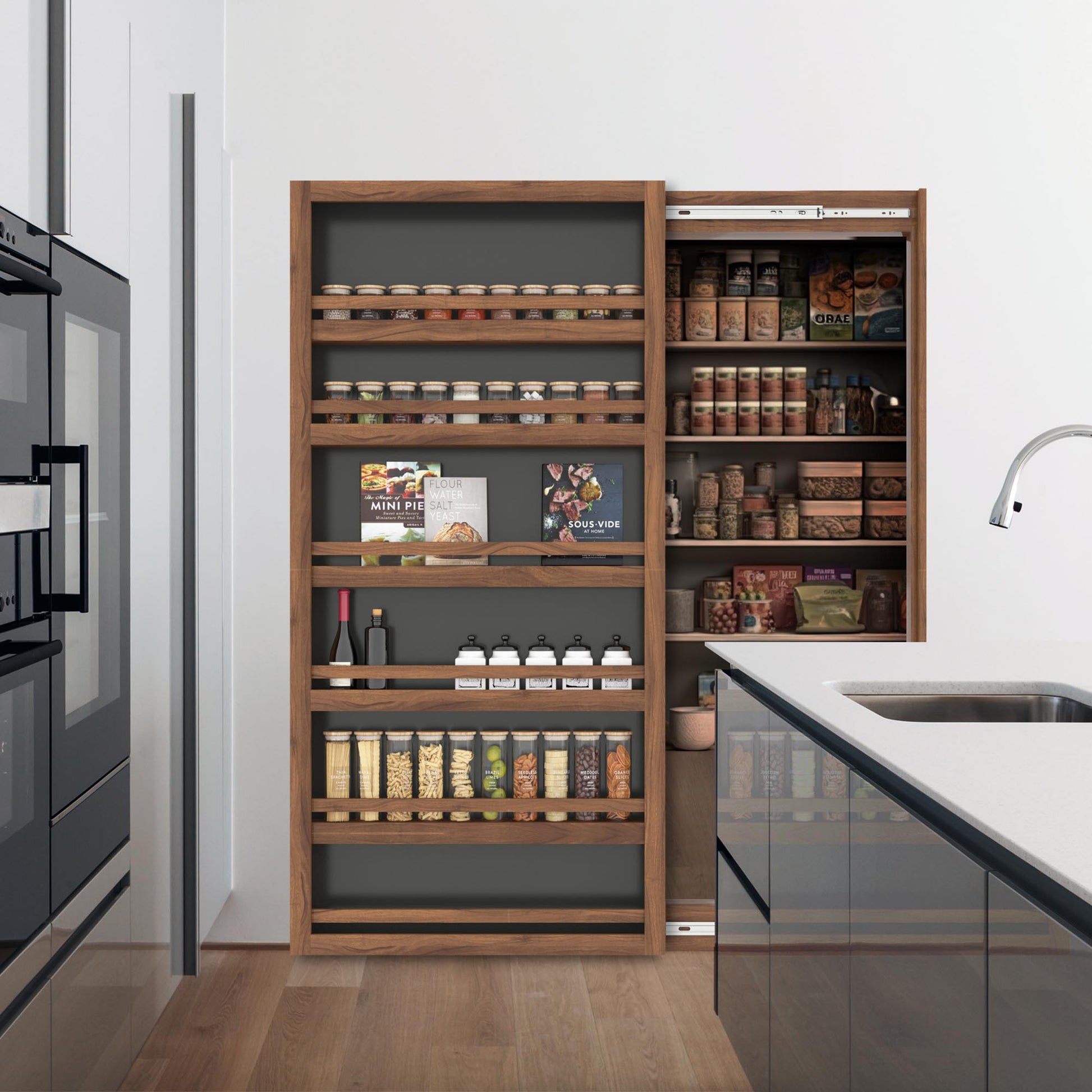
Have you ever wished your bookshelf could do more than just hold books? Imagine turning your plain bookshelf into a stylish sliding door that hides a secret room or simply saves space.
Building a sliding bookshelf door might sound tricky, but with the right steps, you can create a stunning feature that impresses everyone. In this guide, you’ll discover how easy it is to transform your space and add a touch of mystery and functionality to your home.
Ready to unlock this creative project? Let’s get started!
Materials And Tools Needed
Building a sliding bookshelf door needs the right materials and tools. These items make the project easier and help you get good results. Prepare everything before starting. This saves time and avoids frustration during work.
Essential Supplies
- Wood panels for the door
- Sliding door track kit
- Wood screws and nails
- Wood glue
- Sandpaper or sanding block
- Paint or wood stain
- Handles or knobs for the door
- Measuring tape
- Wood filler for gaps
Recommended Tools
- Power drill with drill bits
- Hammer
- Screwdriver set
- Level to check alignment
- Circular saw or handsaw
- Clamps for holding wood
- Pencil for marking
- Safety glasses and gloves
Choosing The Right Bookshelf Door
Choosing the right bookshelf door is an important step in building a sliding bookshelf door. It affects the look, function, and fit of your project. The right door makes the bookshelf both practical and attractive. Consider size, style, and materials carefully. These choices shape the final result and your satisfaction with the door.
Size And Dimensions
Measure the bookshelf opening accurately before buying or making a door. The door should cover the entire shelf space without gaps. Too small a door leaves the shelf exposed. Too large a door may be hard to slide or not fit well.
Consider the thickness of the door as well. A door that is too thick can make sliding difficult. Choose a thickness that matches your space and hardware. Standard doors often range from 3/4 inch to 1 inch thick.
Style Options
Bookshelf doors come in many styles. Choose one that matches your room’s decor. Simple flat panel doors offer a clean look. Shaker style doors have a classic frame and panel design.
Glass doors add light and allow you to see the books inside. Wood doors give a warm and cozy feel. Consider painted or stained finishes to blend with furniture or walls.
Preparing The Workspace
Preparing the workspace is the first step in building a sliding bookshelf door. A clean, organized area helps you work faster and safer. Taking time to prepare your space reduces mistakes and stress. Let’s look at how to clear the area and follow safety precautions before starting.
Clearing The Area
Remove all furniture and items near the work zone. Clear enough space to move freely and store tools. Sweep the floor to avoid slipping on dust or debris. Keep the workspace bright and well-ventilated. A tidy area makes measuring and cutting easier.
Safety Precautions
Wear safety glasses to protect your eyes from dust and wood chips. Use gloves to guard your hands while handling tools and materials. Keep a first aid kit nearby for minor cuts or scrapes. Make sure all electrical cords are out of the way. Avoid loose clothing that can catch on tools. Safety keeps the project smooth and injury-free.

Credit: murphydoor.com
Building The Bookshelf Frame
Building the bookshelf frame is the first step in creating your sliding bookshelf door. This frame holds the shelves and supports the sliding mechanism. A strong and accurate frame ensures smooth door movement and durability. Focus on precise measurements and quality materials for best results.
The frame must be sturdy enough to hold books and withstand daily use. Follow the steps carefully to create a solid base for your project.
Cutting The Wood
Begin by selecting good quality wood, such as pine or oak. Measure the door opening and decide the size of the frame. Use a tape measure for accuracy. Mark the wood pieces with a pencil. Cut the wood using a saw, keeping the edges straight and smooth. Cut two vertical side pieces and two horizontal pieces for the top and bottom. Sand the cut edges to remove splinters and rough spots. Make sure all pieces fit together before assembly.
Assembling The Frame
Lay the cut wood pieces on a flat surface. Arrange them in a rectangle shape. Use wood glue on the edges for a strong hold. Join the corners with screws or nails. Drill pilot holes to prevent wood from splitting. Check that the frame is square by measuring diagonals. Adjust if needed before the glue dries. Add corner braces inside for extra strength. Let the glue dry completely before moving to the next step.
Installing The Sliding Door Hardware
Installing the sliding door hardware is a key step in building your sliding bookshelf door. It allows the door to move smoothly and safely along the wall. Careful installation ensures long-lasting use without problems.
This section guides you through mounting the track and attaching the rollers. Follow each step closely for the best results.
Mounting The Track
First, measure the wall where you will install the track. Use a level to mark a straight line for the track.
Secure the track to the wall using screws and anchors. Make sure the track is tight and does not wobble.
Check the track’s alignment again to ensure it is perfectly straight. This helps the door slide easily without getting stuck.
Attaching Rollers To The Door
Flip your door to its backside. Find the top edge where the rollers will go.
Attach the rollers with screws, matching the holes in the hardware. Tighten screws but avoid over-tightening to prevent damage.
Test the rollers by moving the door along the track. It should glide smoothly and quietly.
Hanging The Bookshelf Door
Hanging the bookshelf door is a key step in your project. This step makes your sliding door functional and smooth. Proper hanging ensures the door moves easily without sticking or falling. Take your time to get this right. Follow the steps carefully to avoid common mistakes.
Aligning The Door
Start by lifting the door to the track. Position it so it fits well on the rail. Check that the door is straight and even. Use a level tool to ensure perfect alignment. Adjust the door until it sits flush with the frame. This step helps the door slide without hitting the sides.
Securing And Testing
Secure the door with screws or bolts as needed. Tighten all fasteners to keep the door stable. Test the door by sliding it back and forth. Look for smooth movement and no wobbling. Make small adjustments if the door does not glide easily. Repeat the test until the door works perfectly.
Finishing Touches
Finishing touches make your sliding bookshelf door look complete and polished. These small steps protect the wood and improve the door’s style. Take time to do these right. The final look depends on these details.
Sanding And Painting
Start by sanding the door smooth. Use fine sandpaper to remove rough spots. Sand along the wood grain for best results. Clean off dust with a dry cloth.
Choose paint or stain that matches your room’s style. Apply thin coats with a brush or roller. Let each coat dry fully before the next. Paint protects the wood and adds color or shine.
Adding Handles Or Knobs
Handles make sliding the door easier and add charm. Pick handles or knobs that fit your décor. Measure and mark where to place them. Drill holes carefully for screws.
Screw in the handles tightly. Test the door to ensure smooth sliding. Handles should feel firm and comfortable to use.
Common Troubleshooting Tips
Building a sliding bookshelf door can be very satisfying. Yet, some problems may arise during or after installation. Knowing common troubleshooting tips helps you fix these issues quickly. This keeps your door working smoothly and looking great.
Fixing Alignment Issues
Sliding doors must be perfectly aligned for smooth movement. Check if the door sits evenly on the track. If it is crooked, loosen the screws and adjust the door’s position. Tighten the screws once the door is level. Use a level tool to confirm straightness.
Inspect the track for bends or debris. Clean the track to remove dust or dirt. Bent tracks may need replacing or careful bending back to shape. Proper alignment prevents the door from sticking or coming off the track.
Dealing With Noisy Doors
Sliding doors sometimes make squeaky or grinding sounds. This noise often comes from dry or dirty tracks. Clean the track thoroughly using a soft brush or cloth. Apply a lubricant made for sliding doors to reduce friction.
Check rollers and wheels for dirt or wear. Replace damaged rollers to stop noise. Tighten any loose hardware that may cause rattling sounds. Regular maintenance keeps your sliding door quiet and efficient.
Maintenance And Care
Maintaining your sliding bookshelf door keeps it working smoothly for years. Small daily efforts prevent big problems later. Caring for the door also keeps it looking great in your room.
Regular Cleaning
Dust and dirt can build up on the door and tracks. Use a soft cloth to wipe the door surface weekly. Clean the tracks by vacuuming or brushing out debris. Avoid harsh chemicals that may damage the finish. Keep the glass or wood clean for a fresh look.
Hardware Upkeep
Check the rollers and tracks for signs of wear or damage. Tighten screws and bolts to keep the door stable. Lubricate moving parts with a light oil or silicone spray. Avoid heavy grease, which can attract dirt. Regular hardware care stops squeaks and keeps the door sliding smoothly.

Credit: www.youtube.com
Credit: murphydoor.com
Frequently Asked Questions
What Materials Are Needed For A Sliding Bookshelf Door?
You need wood panels, sliding door hardware, screws, wood glue, paint or stain, and measuring tools. Quality materials ensure durability and smooth operation. Choose wood that complements your room decor for a seamless look.
How Do I Install Sliding Door Hardware Properly?
First, measure and mark the door frame accurately. Attach the track securely above the opening. Hang the door using rollers and adjust for smooth sliding. Follow hardware instructions carefully for best results.
Can I Customize The Size Of My Sliding Bookshelf Door?
Yes, measure your bookshelf opening precisely. Cut wood panels to fit the dimensions. Customize height and width to suit your space. This ensures a perfect fit and aesthetic appeal.
What Tools Are Required To Build A Sliding Bookshelf Door?
Basic tools include a saw, drill, screwdriver, measuring tape, level, and clamps. These help in cutting, assembling, and installing the door accurately and efficiently.
Conclusion
Building a sliding bookshelf door can be a fun and practical project. It saves space and adds style to any room. With basic tools and clear steps, anyone can create one. Take your time and measure carefully for the best fit.
Enjoy the process and the new look it brings. This simple addition can make your home feel more organized and unique. Give it a try and see how it changes your space.