Are you ready to create a cozy, safe space just for your little one? Building a tiny toddler bed might sound tricky, but with the right steps, you can make a perfect bed that fits your child’s needs and your home’s style.
Imagine watching your toddler’s face light up with pride every night as they climb into a bed made just for them. In this guide, you’ll discover simple, clear instructions to build a tiny toddler bed that’s both sturdy and adorable.
Keep reading—your child’s new favorite spot is just a few easy steps away!
Credit: www.woodshopdiaries.com
Choosing The Right Materials
Choosing the right materials is the first step in building a tiny toddler bed. It affects the bed’s strength, safety, and look. Use good materials that last long and are safe for children.
Simple, sturdy, and safe materials make the best choice. Focus on wood that is easy to work with and free of harmful chemicals. Also, pick tools and finishes that ensure a smooth and secure bed.
Wood Types To Consider
Softwoods like pine are easy to cut and affordable. They work well for beginners. Hardwoods such as oak or maple are stronger and more durable. These woods last longer but cost more and need sharp tools. Avoid treated or painted wood that may contain harmful chemicals. Choose wood with smooth grain to reduce splinters. Sand the wood well before assembly.
Essential Tools Needed
Basic tools include a saw, drill, screwdriver, and measuring tape. A sander helps smooth rough edges. Clamps hold pieces while you work. Use safety glasses and gloves for protection. Having the right tools makes building easier and safer. Keep tools sharp and clean for best results.
Safety Materials And Finishes
Use non-toxic wood glue and screws to hold parts together. Avoid nails that may loosen over time. Sand all surfaces to prevent splinters. Choose child-safe finishes like water-based paint or natural oil. These finishes protect wood and are safe for toddlers. Let the finish dry fully before use to avoid fumes.
Credit: newlywoodwards.com
Planning Your Toddler Bed
Planning your toddler bed is the first step to a safe and comfy sleep space. A good plan saves time and avoids mistakes. It helps you understand what materials you need and the size of the bed. Careful planning makes the building process easier and faster.
Measuring Mattress And Space
Start by measuring the mattress. Common toddler mattresses are 27 by 52 inches. Check your mattress size before you buy or build the frame. Next, measure the room space where the bed will go. Leave some extra space around the bed for safety and easy access. Accurate measurements ensure the bed fits well and looks good.
Design Ideas For Tiny Beds
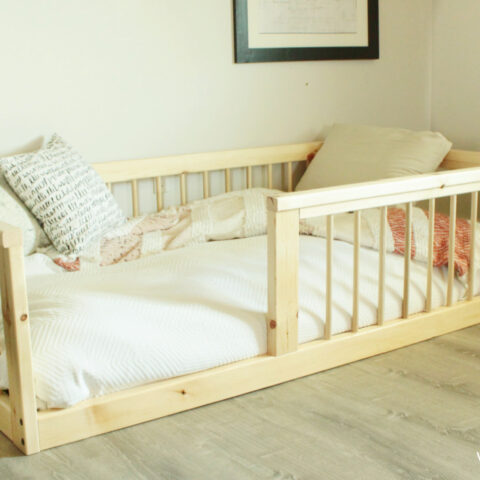
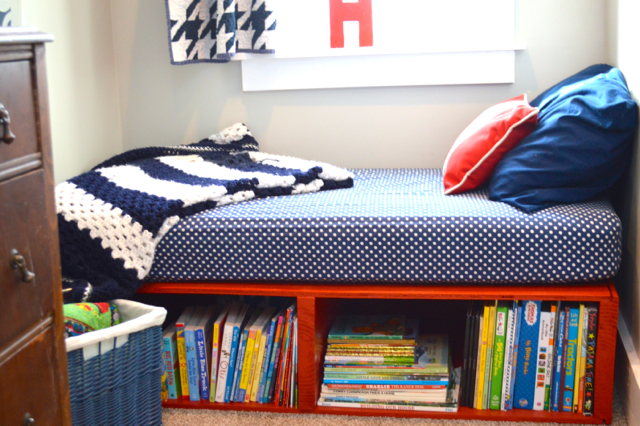
Think about simple designs for small beds. Low frames are safer for toddlers. Use guardrails to prevent falls. Consider adding storage under the bed to save space. Choose rounded edges for a soft look and safety. Pick a design that matches your child’s room style and your building skills.
Creating A Simple Blueprint
Draw a basic plan before starting the build. Include mattress size and bed height in your sketch. Mark the position of all parts like legs and rails. Use clear lines and labels for each piece. A simple blueprint guides your work and helps avoid errors. Keep it easy to follow and update if needed.
Cutting And Preparing Wood
Cutting and preparing wood is a key step in building a tiny toddler bed. This step shapes the wood pieces to fit perfectly. Careful measuring and cutting ensure the bed is safe and sturdy. Taking time here saves effort later. Proper preparation also makes assembly easier.
Marking And Measuring Pieces
Start by measuring the wood carefully. Use a tape measure for accuracy. Mark each piece with a pencil. Double-check all measurements before cutting. Mark lines clearly so they are easy to follow. Correct markings prevent mistakes and wasted wood.
Safe Cutting Techniques
Use the right saw for your wood type. Always wear safety goggles and gloves. Keep hands away from the blade. Cut slowly and steadily along the marked lines. Support the wood firmly to avoid slips. Stop if the saw feels stuck or unsafe.
Sanding For Smooth Edges
Sanding removes splinters and rough spots. Use medium-grit sandpaper to start. Sand along the wood grain for best results. Finish with fine-grit sandpaper for smoothness. Check edges by touch to ensure no roughness remains. Smooth edges protect your toddler from injuries.
Assembling The Bed Frame
Assembling the bed frame is the key step in building a tiny toddler bed. It creates the strong structure that will hold the mattress and your child safely. This step needs careful attention and simple tools like screws, a screwdriver, and a hammer. Follow the steps clearly to make sure the frame is solid and safe.
Joining Side Rails And Headboard
Start by attaching the side rails to the headboard. Align the rails with the headboard slots. Use screws to connect the parts tightly. Check the edges to make sure they are flush. Tighten all screws firmly, but avoid cracking the wood. The frame should start to take shape now.
Securing The Slats
Next, place the slats across the bed frame. Space them evenly to support the mattress well. Use small screws or nails to hold each slat in place. Ensure no gaps are too wide. The slats must not move or shift under weight. This step helps the mattress stay flat and stable.
Ensuring Stability And Balance
After assembling, check the bed for stability. Push gently on different sides to test balance. Tighten any loose screws or bolts found. Use a level tool to see if the bed is even. Fix any wobbling by adjusting the frame. A stable bed keeps your toddler safe and comfortable.
Adding Finishing Touches
Adding finishing touches to your tiny toddler bed makes it both safe and beautiful. This stage turns a simple frame into a cozy place for your child. Focus on safety and style with a few careful steps.
Applying Paint Or Stain
Choose a paint or stain that is safe for children. Use non-toxic, water-based options to avoid harmful chemicals. Apply thin, even coats for a smooth finish. Let each coat dry fully before adding another. This protects the wood and brightens the bed’s look.
Attaching Safety Rails
Safety rails keep toddlers from falling out of bed. Measure the sides carefully to fit the rails well. Use sturdy screws to attach the rails firmly. Check all connections to ensure they do not wobble or come loose. Proper rails give parents peace of mind and kids a safe sleep space.
Decorative Elements For Kids
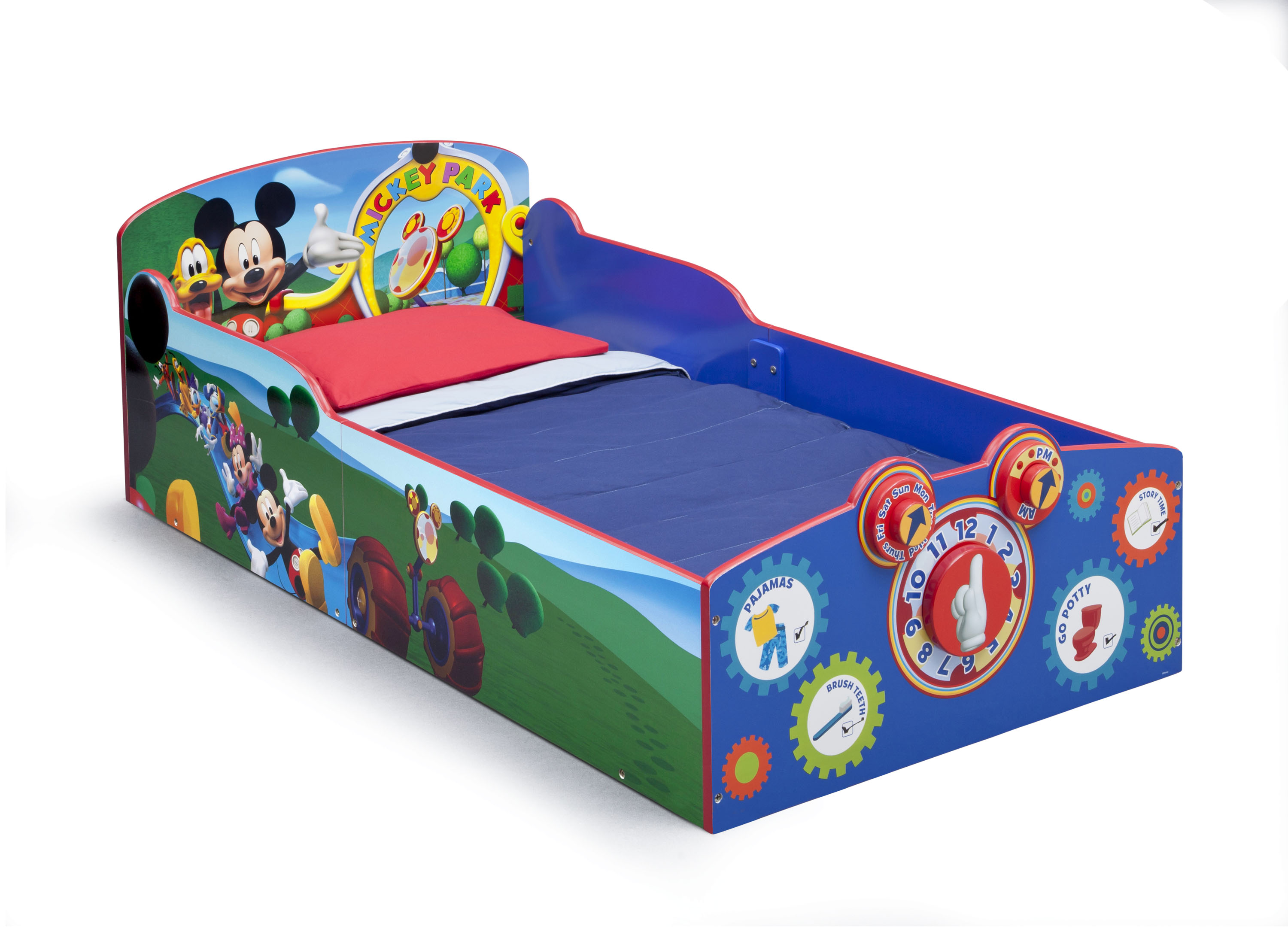
Decorate the bed with fun, simple touches. Add stickers or small wooden shapes for a personal touch. Choose themes your child loves, like animals or stars. Avoid small parts that could be a choking hazard. Keep decorations smooth and secure to make the bed inviting and safe.
Credit: www.deltachildren.com
Tips For Safe Toddler Bed Use
Ensuring your toddler’s bed is safe is very important. Safety helps your child sleep well and prevents accidents. Simple steps can keep the bed secure and comfortable. These tips will guide you on maintaining a safe toddler bed.
Checking For Loose Parts Regularly
Check the bed frame often for loose screws and bolts. Tighten any parts that feel wobbly or unstable. Loose parts can cause the bed to break or tip over. Make this a weekly habit for peace of mind.
Choosing The Right Mattress
Select a mattress that fits snugly inside the bed frame. A mattress that is too small creates gaps where a child can get stuck. Choose a firm mattress to support your toddler’s growing body. Avoid soft mattresses that can cause suffocation risks.
Placement In The Child’s Room
Place the bed away from windows and heavy furniture. Keep cords, blinds, and curtains out of reach to avoid strangulation hazards. Leave space around the bed so your child can get in and out safely. A clear area helps prevent trips and falls.
Frequently Asked Questions
What Materials Are Needed To Build A Tiny Toddler Bed?
You need wood planks, screws, sandpaper, paint, and a mattress. Choose non-toxic paint for safety. Use smooth wood to avoid splinters. Screws should be short and secure for stability and child safety.
How Long Does It Take To Build A Toddler Bed?
Building a tiny toddler bed typically takes 4 to 6 hours. This includes measuring, cutting, assembling, sanding, and painting. Experience with woodworking can reduce the time. Allow drying time for paint before use.
What Are The Safety Features For Toddler Beds?
Ensure the bed has rounded edges and no sharp corners. Use sturdy guardrails to prevent falls. Choose non-toxic finishes and secure all screws tightly. Mattress should fit snugly to avoid gaps where a child can get trapped.
Can I Customize The Toddler Bed Design?
Yes, you can customize size, color, and style to match your child’s room. Add themes, decals, or personalized nameplates for uniqueness. Customizing helps create a comfortable and appealing sleeping space for your toddler.
Conclusion
Building a tiny toddler bed is simple and fun. You need basic tools and some wood. Measure carefully to make sure the bed fits well. Take your time to sand all edges smooth. Paint or stain the bed to match the room.
This project saves money and creates something special. Your toddler will love sleeping in a bed made just for them. Start with small steps, and enjoy the process. Making a tiny bed brings joy and pride. Give it a try and see the results yourself.