Are you ready to give your toddler a safe and cozy space they’ll love? Building a floor bed for your little one is a simple way to encourage independence and make bedtime easier for both of you.
Imagine your child waking up happily, feeling secure, and having the freedom to explore their room safely. In this guide, you’ll discover easy steps and helpful tips to create the perfect toddler floor bed that fits your home and your child’s needs.
Keep reading, and you’ll have everything you need to start building today!

Credit: www.youtube.com
Choosing The Right Bed Frame
Choosing the right bed frame is key for a toddler floor bed. It shapes your child’s comfort and safety. The right frame also fits your room size and style. Simple and sturdy frames work best for toddlers. This section explores types of toddler beds and important safety standards.
Types Of Toddler Beds
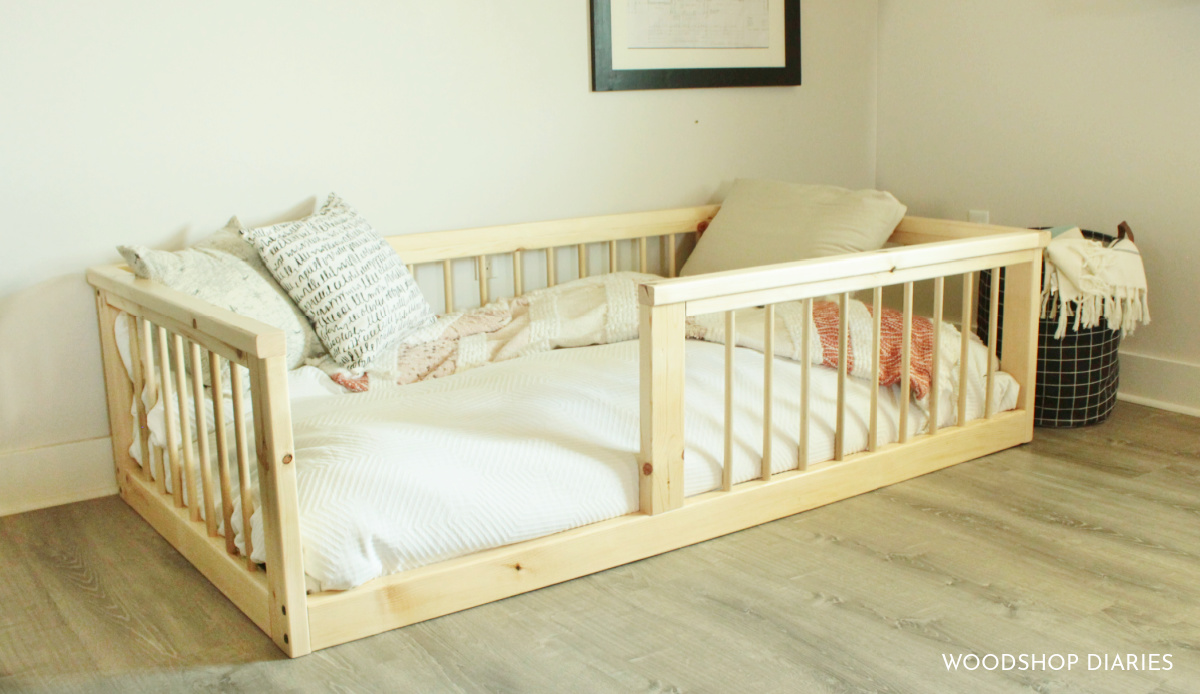
Toddler beds come in many styles. Floor beds lie close to the ground, making it easy for toddlers to get in and out. Some beds have low rails to prevent rolling off. Others resemble small twin beds with guardrails. Choose a style that suits your child’s needs and room space. Consider ease of cleaning and moving the bed too.
Materials And Safety Standards
Material choice matters for toddler bed frames. Wood is strong and natural. Metal frames are durable but can be heavy. Look for non-toxic paints and finishes. Avoid sharp edges or loose parts. Check for safety certifications from trusted organizations. These ensure the bed meets safety rules. A safe bed frame protects your child during sleep and play.
Credit: www.woodshopdiaries.com
Measuring And Planning
Measuring and planning are the first steps in building a toddler floor bed. These steps help ensure the bed fits well and is safe. Taking time to measure and plan saves effort later. It also creates a comfortable space for your child to sleep and play.
Determining Bed Size
Start by measuring your toddler’s current mattress or sleep space. A standard toddler bed mattress is usually 27 inches by 52 inches. Measure the mattress your child uses now or plans to use. Add a few inches to the length and width for a bit of extra room.
Consider your toddler’s growth. Toddlers grow quickly, so allow space for them to stretch. A bed too small may feel cramped after a few months. Choose a size that will last at least two years.
Designing For Room Space
Measure the room where the bed will go. Note the length, width, and height of the space. Keep in mind other furniture in the room. Make sure the bed will not block doors or windows.
Leave enough space around the bed for easy movement. Aim for at least 24 inches of clear space on one side. This space helps with cleaning and playing. Plan the bed layout to create a safe and open room.
Gathering Tools And Materials
Building a toddler floor bed starts with gathering the right tools and materials. This step saves time and makes the process smooth. Having everything ready avoids interruptions and helps focus on building a safe, sturdy bed. Below is a list of essential tools and recommended materials to prepare.
Essential Tools
- Measuring tape for accurate dimensions
- Electric drill for quick assembly
- Screwdriver set for tightening screws
- Hammer for nails and adjustments
- Sandpaper or electric sander to smooth surfaces
- Wood glue for extra strength
- Clamps to hold pieces while gluing
- Safety goggles to protect eyes
- Work gloves to protect hands
Recommended Materials
- Solid wood planks (pine or birch) for bed frame
- Wood screws, 1.5 to 2 inches long
- Wood filler to cover holes and imperfections
- Non-toxic wood stain or paint for finishing
- Low-VOC sealant to protect wood surface
- Mattress sized to fit the bed frame
- Optional caster wheels for easy movement
Step-by-step Assembly
Building a toddler floor bed is simple with clear steps. Follow this guide to create a safe and comfy bed for your child. Each step focuses on important parts of the bed assembly. Take your time and check each part as you go.
Preparing The Frame
Start by gathering all the frame pieces. Lay them out on a flat surface. Check for any damage or missing parts. Connect the side rails to the headboard and footboard. Use screws or bolts as instructed. Make sure the frame is square and tight. This will keep the bed stable and strong.
Securing The Slats
Place the slats evenly across the frame. Space them to support the mattress fully. Attach each slat with screws or nails. Avoid gaps that are too wide. This prevents mattress sagging and keeps your child safe. Double-check each slat is secure and firm before moving on.
Adding Safety Rails
Attach the safety rails to the bed’s sides. These rails stop your toddler from rolling off. Fix them at a height that is safe but easy to climb over. Use screws or brackets for strong support. Tighten all fasteners well. Test the rails by pushing gently to ensure they hold firm.
Ensuring Bed Safety
Ensuring bed safety is the top priority when building a toddler floor bed. A safe bed creates a secure space for your child to sleep and play. It helps prevent accidents and gives parents peace of mind.
Focus on two main safety points: bed stability and safe bedding. Both are essential for a comfortable and safe sleeping environment.
Checking Stability
Check that the bed frame is strong and steady. Use solid wood or durable materials that do not wobble. Tighten all screws and joints firmly. Test the bed by pressing and shaking it gently. It should not move or make noise. Avoid sharp edges or corners on the frame. Smooth all surfaces to protect your child from injuries. A stable bed reduces the risk of falls or collapses.
Choosing Safe Bedding
Pick bedding that is soft but firm enough to support your toddler. Use a mattress that fits the bed frame perfectly without gaps. Avoid pillows or heavy blankets that can cause suffocation. Choose breathable fabrics like cotton for sheets and covers. Wash bedding regularly to keep it clean and free from allergens. Safe bedding helps your child sleep well and stay healthy.

Credit: www.youtube.com
Customizing The Bed
Customizing a toddler floor bed makes it unique and special for your child. Personal touches create a cozy and inviting space. Storage options keep the room tidy and organized. Thoughtful customization turns a simple bed into a functional and charming piece.
Adding Personal Touches
Choose colors your child loves. Paint the bed frame or add decals. Soft bedding with fun patterns makes the bed appealing. Add a small pillow or favorite stuffed toy. These details make the bed feel like their own space.
Incorporating Storage Options
Use under-bed drawers or bins to save space. Keep toys, books, or clothes nearby and easy to reach. Low shelves beside the bed work well for storage. Neat storage helps your child learn to keep things tidy.
Transition Tips For Toddlers
Transitioning your toddler to a floor bed can feel challenging. Toddlers need time to adjust to their new sleeping space. Patience and gentle guidance help make this change smooth. Small steps and comfort bring success.
Making Sleep Comfortable
Start by placing soft bedding on the floor bed. Use familiar blankets or pillows your toddler likes. Keep the room quiet and dim at bedtime. Create a calming bedtime routine. This helps your toddler feel safe and relaxed.
Encouraging Independence
Let your toddler get in and out of bed by themselves. Teach them how to climb safely on the floor bed. Praise small efforts to boost confidence. Give them time to explore the new bed. Independence helps your toddler feel proud and secure.
Frequently Asked Questions
What Materials Are Needed For A Toddler Floor Bed?
You need plywood, foam mattress, sandpaper, non-toxic paint, screws, and a drill. Choose safe, durable materials for comfort and safety.
How Long Does It Take To Build A Toddler Floor Bed?
Building a toddler floor bed usually takes 2-4 hours. Time varies based on skill level and tools available.
Is A Toddler Floor Bed Safe For My Child?
Yes, floor beds reduce fall risks and encourage independence. Ensure the bed is sturdy and placed on a soft surface.
What Mattress Size Suits A Toddler Floor Bed?
A standard crib mattress or a 70×140 cm mattress fits well. Choose firm, breathable mattresses for safety and comfort.
Conclusion
Building a toddler floor bed brings comfort and safety to your child. It lets them move freely and sleep better. Simple tools and materials make the process easy and fun. You create a cozy space that fits your child’s needs.
Remember to keep the bed low and soft for safety. This small project can bring big smiles. Start today and enjoy watching your toddler grow happily in their new bed.