Are you tired of cluttered workspaces and missing storage? Imagine having a desk that not only gives you plenty of room to work but also keeps all your books and essentials right within reach.
Building a desk with a bookshelf is the perfect way to create a smart, organized space tailored just for you. In this guide, you’ll discover simple steps to make your own stylish and functional desk that saves space and boosts your productivity.
Ready to transform your workspace and enjoy the perfect balance of work and storage? Keep reading—your ideal desk is closer than you think.
Choosing The Right Materials
Choosing the right materials is key to building a desk with a bookshelf. The materials affect the desk’s strength, look, and durability. Good choices help create a sturdy and beautiful piece. This section explains how to select wood, hardware, tools, and finishes.
Selecting Wood Types
Wood is the main material for the desk and bookshelf. Solid wood like oak or maple offers strong support and a natural look. Pine is softer but easier to work with and costs less. Plywood is stable and resists warping, ideal for shelves. Choose wood that fits your budget and style. Think about how the wood will hold up to daily use.
Picking Hardware And Tools
Hardware includes screws, nails, brackets, and hinges. Use quality screws to keep the desk stable. Metal brackets add extra support for shelves. Select tools like a drill, saw, and screwdriver for easy assembly. Having the right tools speeds up the build and improves results. Keep hardware and tools simple for easier handling.
Considering Finish Options
Finishes protect the wood and improve its look. Clear varnish shows the wood grain and adds shine. Paint can brighten the desk and match your room colors. Stain darkens the wood and gives a classic feel. Choose finishes that protect from scratches and spills. A smooth finish makes cleaning easier.
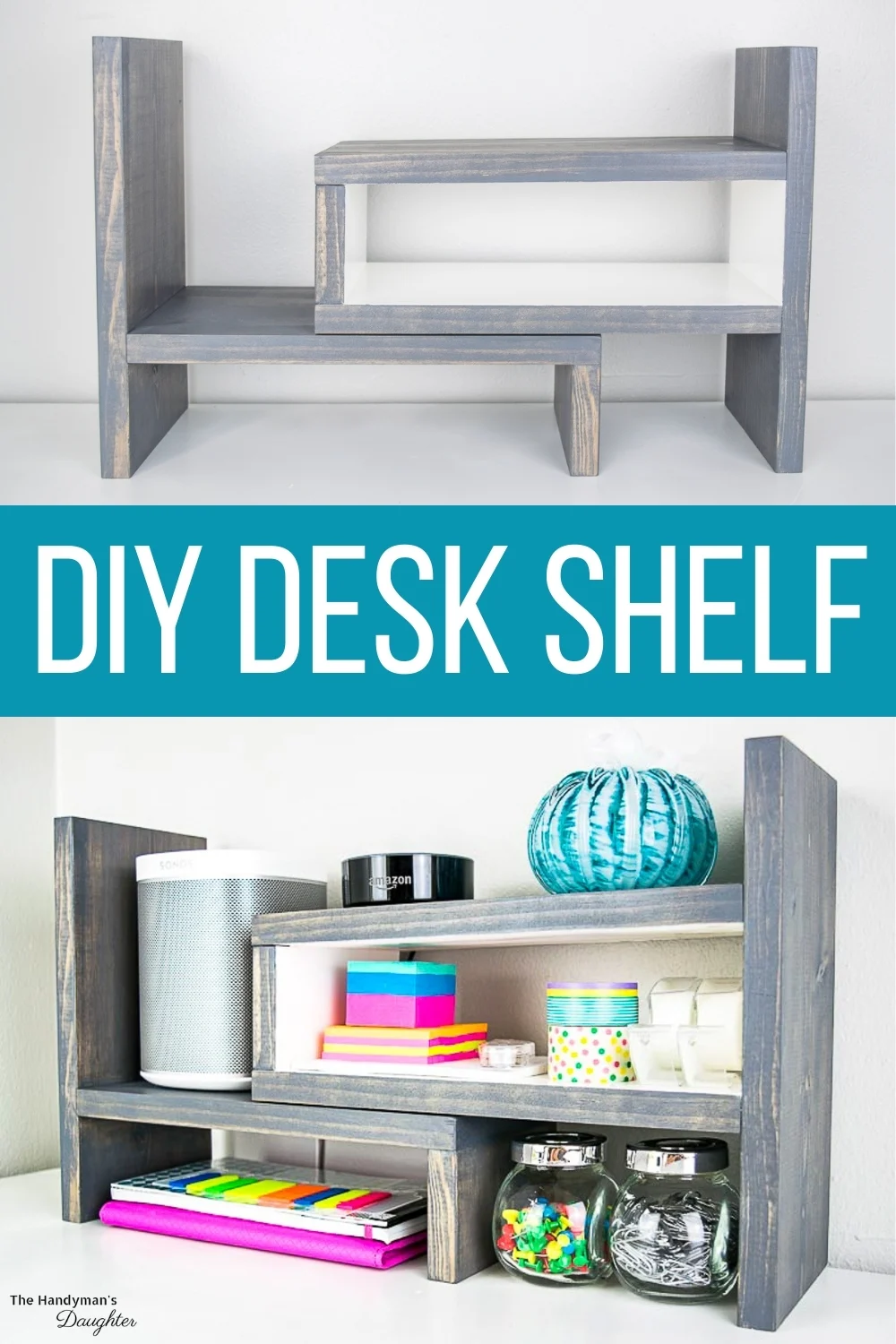
Credit: www.thehandymansdaughter.com
Planning Your Desk And Bookshelf
Planning your desk with a bookshelf is the first step to a great project. Careful planning saves time and materials. It ensures your desk fits well in your room and meets your needs. Think about the space, design, and shelf size before starting. This makes building easier and more fun.
Measuring Your Space
Start by measuring the area where you want to place the desk and bookshelf. Use a tape measure for accuracy. Note the width, height, and depth available. Check for obstacles like windows, doors, or heaters. Write down all measurements clearly. This helps avoid mistakes later.
Sketching The Design
Draw a simple sketch of your desk and bookshelf design. Use graph paper or a digital tool if you prefer. Include the desk top, shelves, and support structure. Mark where each shelf will go. Keep the design clear and easy to understand. A good sketch guides your building process.
Determining Shelf Dimensions
Decide how big each shelf should be. Think about what you will store on them. Books need deeper shelves than small decor items. Make shelves strong enough to hold your items. Measure shelf height, width, and depth carefully. Balanced shelf sizes improve both look and function.
Cutting And Preparing Wood
Cutting and preparing wood is the first step in building your desk with a bookshelf. This stage shapes the wood pieces to the right size and smooths the surfaces. Proper preparation ensures your desk fits well and looks neat. Careful work here saves time later and helps avoid mistakes.
Marking Measurements
Start by measuring the wood carefully. Use a tape measure for accuracy. Mark lines clearly with a pencil. Double-check each measurement before cutting. Mark all pieces needed for the desk and bookshelf. Clear marks guide your cuts and keep pieces uniform.
Safe Cutting Techniques
Use the right saw for your wood type and thickness. Keep your hands away from the blade. Cut slowly and steadily along the marked lines. Wear safety glasses to protect your eyes. Hold the wood firmly or use clamps. Safety prevents accidents and keeps your cuts clean.
Sanding And Smoothing
After cutting, smooth rough edges with sandpaper. Start with coarse grit, then use finer grit for a smooth finish. Sand all surfaces and edges evenly. This step makes the wood safe to touch and ready for finishing. Smooth wood improves the desk’s look and feel.
Assembling The Bookshelf
Assembling the bookshelf is a key step in building your desk with a bookshelf. This part brings the structure to life. It creates the storage space for your books, decor, and tools. Follow clear steps to make a strong, neat bookshelf that fits your desk perfectly.
Building The Frame
Start by cutting the wood pieces for the frame. Use a saw and measure twice to avoid mistakes. The frame holds the whole bookshelf together. Connect the side panels to the top and bottom boards. Use screws or nails for a tight fit. Check that the frame is square by measuring the corners.
Attaching Shelves
Next, place the shelves inside the frame. Measure equal distances between each shelf. Mark the spots on the side panels for shelf supports. Attach small wooden strips or metal brackets to hold the shelves. Secure the shelves by screwing them into the supports. Make sure shelves sit flat and level.
Reinforcing For Stability
Strengthen the bookshelf by adding braces or corner blocks. Fix these pieces inside the frame where the shelves meet the sides. This prevents wobbling and adds durability. Tighten all screws and check the whole structure for firmness. A stable bookshelf ensures safety and long-lasting use.
Constructing The Desk Surface
Constructing the desk surface is a key step in building your desk with a bookshelf. This part creates the main workspace. It must be strong and steady to hold your items comfortably. Follow clear steps to attach and secure the desktop properly. Proper support is essential to prevent wobbling or damage over time. Let’s break down the process into simple actions.
Attaching The Desktop
Choose a flat, smooth desktop board that fits your bookshelf width. Place the desktop on top of the bookshelf evenly. Use clamps to hold it in place temporarily. Drill pilot holes through the desktop into the bookshelf frame. Then, screw the desktop securely to the bookshelf using wood screws. Avoid screws that are too long to stop damage under the desk.
Securing To The Bookshelf
Check that the desktop does not move after screwing. Add extra screws along the edges for more hold. Make sure screws go into solid parts of the bookshelf frame. Avoid screwing into thin shelves that may crack. Tight screws keep the desk surface firmly attached. This step ensures your workspace will stay stable during use.
Adding Support Brackets
Support brackets add extra strength under the desktop. Attach metal L-brackets at the desk’s corners under the surface. Use screws to fix brackets both to the desktop and bookshelf sides. This prevents the desk from sagging over time. Brackets also help hold heavy items on the desk safely. Check that brackets are flush and secure for best support.
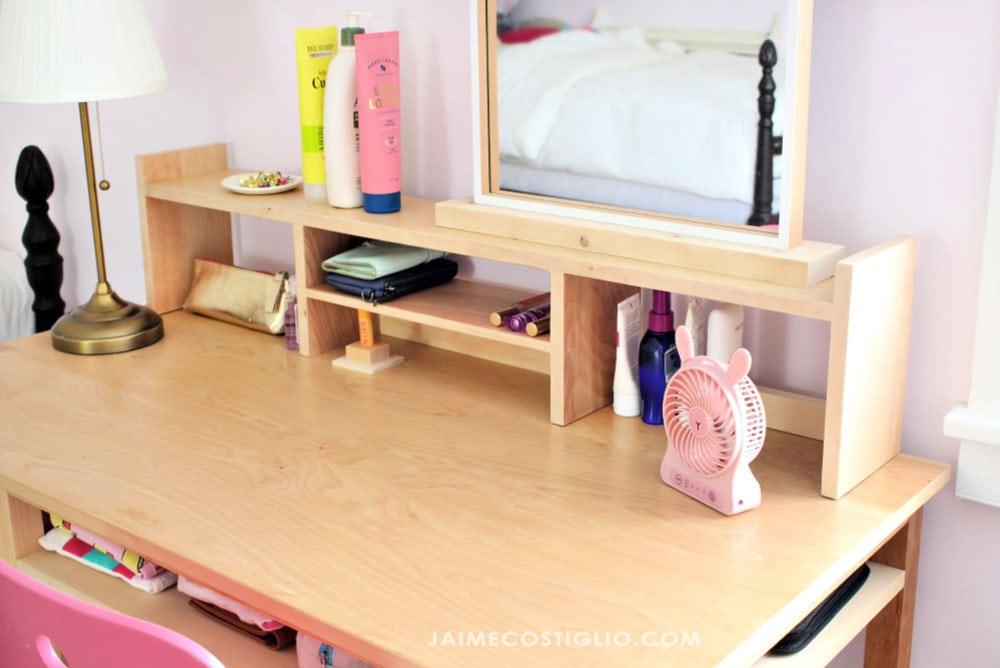
Credit: jaimecostiglio.com
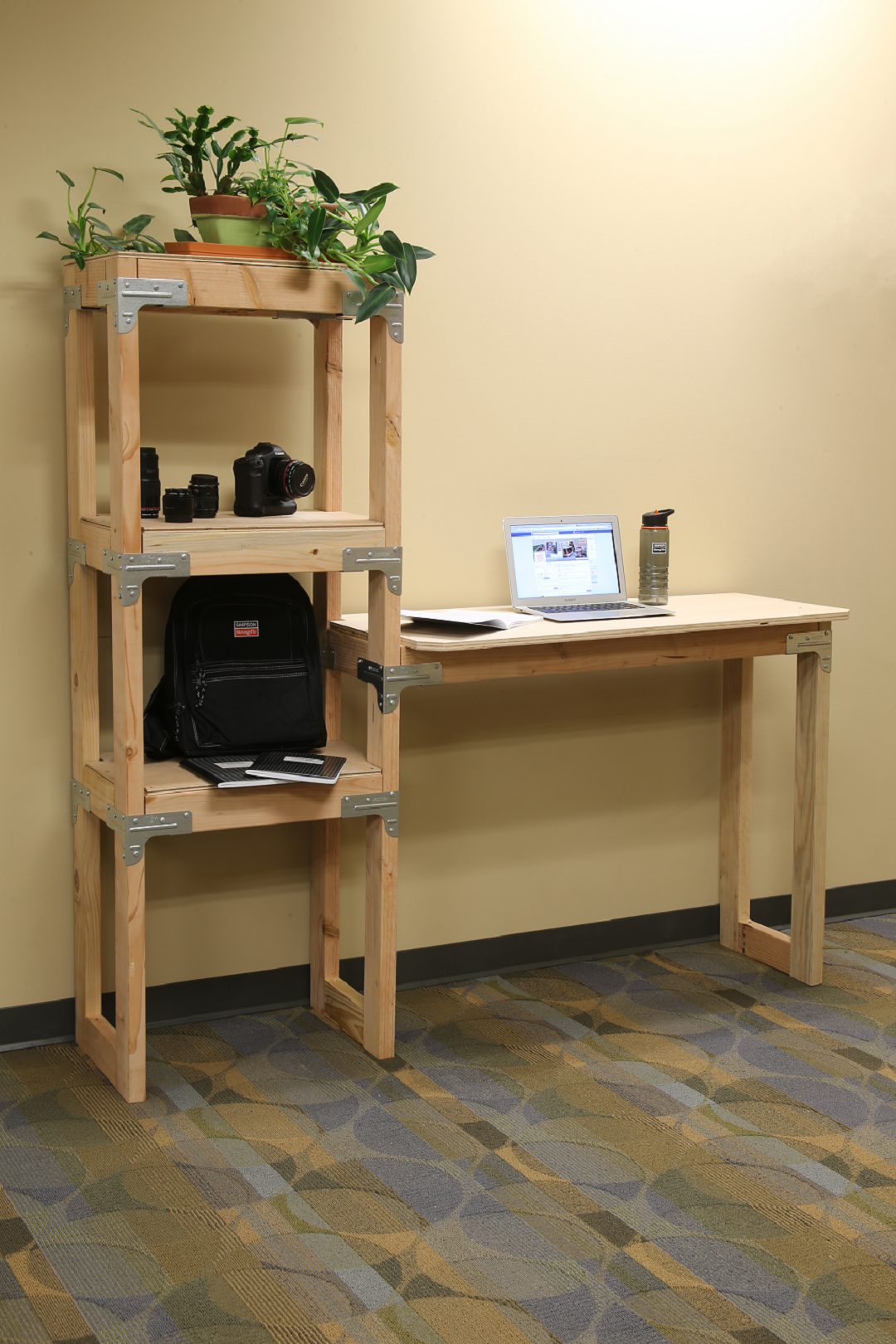
Credit: blog.strongtie.com
Frequently Asked Questions
What Materials Are Needed To Build A Desk With Bookshelf?
You need wood panels, screws, brackets, wood glue, sandpaper, paint or stain, and tools like a drill and saw. Choose sturdy materials to ensure durability and support weight. Measuring tape and clamps also help in precise assembly.
How Do I Design A Functional Desk With Bookshelf?
Start by planning dimensions based on your space and needs. Combine workspace and storage by placing shelves above or beside the desk. Ensure enough legroom and easy access to books. Sketch your design before cutting any materials.
What Is The Best Wood For Building A Desk With Bookshelf?
Plywood, pine, or oak are popular choices. Plywood is affordable and strong. Pine is easy to work with and lightweight. Oak offers durability but is more expensive. Choose wood based on your budget and desired finish.
How Can I Assemble A Desk With Bookshelf Safely?
Wear safety goggles and gloves during cutting and drilling. Use clamps to hold pieces steady. Follow instructions carefully and double-check measurements. Work in a well-ventilated area and keep tools organized to prevent accidents.
Conclusion
Building a desk with a bookshelf adds style and function to any room. It saves space and keeps your items organized. You only need a few tools and some patience to start. Follow clear steps and measure carefully for the best fit.
Personalize your desk with paint or decorations. This project is perfect for beginners and helps create a cozy workspace. Try it yourself and enjoy a tidy, useful area. Simple, practical, and rewarding.