Are you looking to create sturdy, stylish outdoor furniture without breaking the bank? Building your own PVC outdoor furniture is easier than you think.
Imagine having custom chairs, tables, or benches that fit your space perfectly and can withstand all weather conditions. In this guide, you’ll discover simple steps and insider tips that make the process quick and fun. By the end, you’ll have the confidence to turn basic PVC pipes into beautiful, durable pieces for your yard or patio.
Ready to transform your outdoor space with furniture you built yourself? Let’s get started!
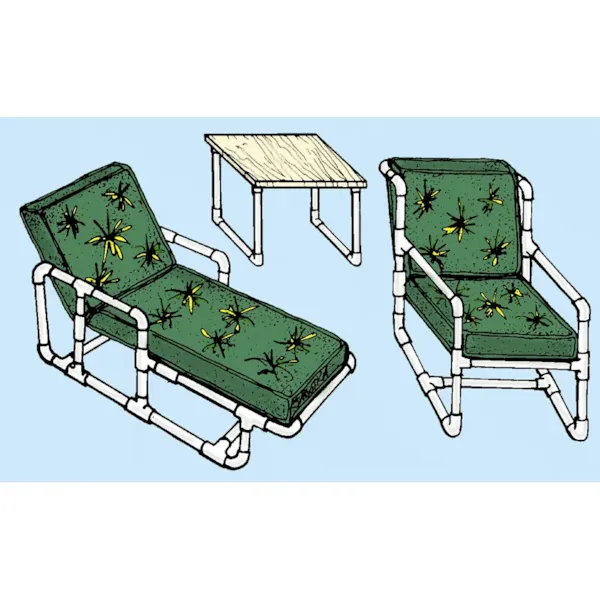
Credit: acquetech.com
Choosing The Right Pvc Materials
Choosing the right PVC materials is key to building strong outdoor furniture. The materials must resist weather and last long. Picking the best pipes, connectors, and tools makes the project easier and the furniture durable. This guide helps select the right items for your PVC outdoor furniture.
Types Of Pvc Pipes
Use schedule 40 PVC pipes for outdoor furniture. These pipes are thick and strong. They handle weight well and resist cracking. White pipes are common, but gray pipes resist sunlight better. Choose pipe sizes based on your furniture design. For chairs or tables, 1-inch or 1.5-inch pipes work well. Avoid thin pipes. They break easily under pressure.
Selecting Durable Connectors
Connectors join pipes and shape the furniture frame. Buy PVC connectors made for outdoor use. Look for elbows, tees, and crosses with thick walls. They must fit tightly to avoid wobbling. Avoid cheap connectors that crack or warp. Cement or glue designed for PVC helps secure joints. This adds strength and stops water from entering.
Tools And Accessories Needed
Cutting PVC pipes requires a fine-toothed saw or PVC cutter. Sandpaper smooths rough edges after cutting. Use a measuring tape for accurate cuts. A marker helps mark cutting points. PVC primer and cement are essential for strong joins. Gloves protect your hands while working. A rubber mallet helps fit connectors firmly without damage.

Credit: www.amazon.com
Planning Your Furniture Design
Planning your furniture design is the first step to building strong PVC outdoor furniture. A clear plan helps avoid mistakes and saves time. It lets you create pieces that fit your space and style perfectly. Careful planning makes the building process smoother and more enjoyable.
Measuring And Sketching
Start by measuring the area where the furniture will go. Write down the length, width, and height. Use a tape measure for accuracy. Next, sketch your furniture on paper. Draw simple shapes and add measurements. This sketch will guide you during construction. It helps visualize the final product clearly.
Deciding On Furniture Style
Choose a style that matches your outdoor space. Simple benches, chairs, or tables work well with PVC. Think about comfort and how many people will use it. Pick designs with clean lines for easy building. Focus on styles that suit your skill level. This keeps the project manageable and fun.
Calculating Material Requirements
List all PVC pipes and fittings needed. Check your sketch to count each piece. Include extras for mistakes or changes. Don’t forget screws, glue, and tools. Knowing material needs helps you budget and shop smart. It prevents delays caused by missing parts.
Cutting And Preparing Pvc Pieces
Cutting and preparing PVC pieces is a key step in building outdoor furniture. Proper preparation ensures the pieces fit well and look neat. It also makes the assembly stronger and safer. Taking time to cut accurately and smooth the edges helps avoid problems later.
Safe Cutting Techniques
Use a sharp saw designed for plastic or PVC pipes. Wear safety glasses to protect your eyes from flying debris. Cut slowly and steadily to avoid cracking the PVC. Secure the pipe firmly in a clamp or vise before cutting. Keep your hands clear of the blade at all times.
Sanding And Smoothing Edges
After cutting, the edges can be rough and sharp. Use sandpaper or a sanding block to smooth them. Sand in a circular motion until the edges feel smooth to touch. This step prevents cuts and helps glue or fittings stick better. Check all edges carefully before moving to the next step.
Marking Connection Points
Mark connection points clearly with a pencil or marker. Measure twice to ensure accuracy. These marks guide you during assembly and ensure pieces fit perfectly. Use a square tool to keep marks straight and aligned. Clear marks save time and reduce mistakes during building.
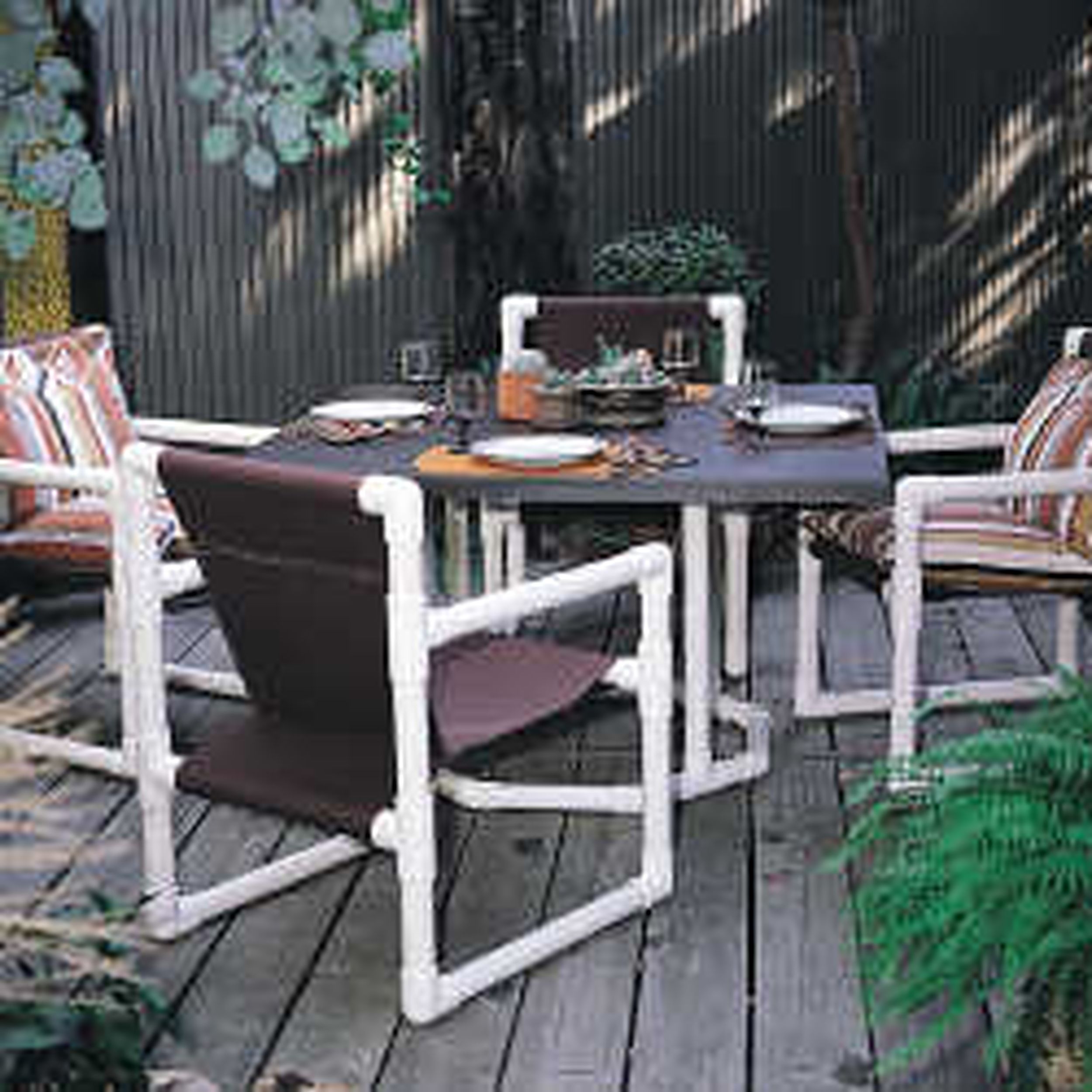
Credit: www.spokesman.com
Assembling The Pvc Frame
Assembling the PVC frame is a key step in building your outdoor furniture. It forms the base that holds everything together. A strong frame means your furniture will last longer and stay safe. Follow these steps carefully to create a solid structure.
Connecting Pipes And Joints
Start by sorting all pipes and joints by size. Fit the pipes into the joints firmly. Use PVC cement or glue to secure the connections. Avoid loose fittings; they weaken the frame. Check each joint for a tight fit before moving on.
Ensuring Stability And Balance
Place the frame on a flat surface during assembly. Adjust pipe lengths to keep the frame even. Tighten all joints to prevent wobbling. Test stability by pressing on different parts. Add extra supports if the frame feels weak.
Common Assembly Mistakes To Avoid
Do not skip cleaning pipe ends before gluing. Avoid forcing pipes into joints, which can crack them. Do not use too much glue; it can cause mess and weak bonds. Check measurements twice to avoid uneven frames. Take your time; rushing causes errors.
Adding Comfort And Finishing Touches
Adding comfort and finishing touches makes your PVC outdoor furniture inviting and durable. Soft cushions and quality fabrics improve seating comfort for long relaxation. Paint and weatherproofing protect the furniture from sun, rain, and dirt. Regular maintenance keeps your furniture looking fresh and lasting longer. Follow these steps to complete your project with style and care.
Installing Cushions And Fabrics
Choose cushions made for outdoor use. They resist water and dry quickly. Measure your furniture to find the right size cushions. Attach cushions securely using ties or Velcro straps. Pick fabrics with bright colors or patterns to brighten your space. Use fabric glue or staples to fix fabric tightly to frames if needed. This step adds softness and style to your furniture.
Painting And Weatherproofing
Select paint made for PVC or plastic surfaces. Clean the furniture well before painting to remove dirt. Use a primer designed for plastic to help paint stick better. Apply two or three thin coats of paint for an even finish. Let each coat dry completely before the next. After painting, spray a clear sealant to protect against weather damage. This shield helps your furniture last through sun and rain.
Maintaining Your Outdoor Furniture
Clean your furniture regularly with mild soap and water. Avoid harsh chemicals that can damage paint or fabric. Store cushions inside when not in use to prevent mold. Check for cracks or loose joints often. Tighten screws and fix small problems early. Cover furniture during heavy storms or winter months. Proper care keeps your outdoor furniture looking new and comfortable.
Frequently Asked Questions
What Materials Are Needed For Pvc Outdoor Furniture?
You need PVC pipes, connectors, a saw, measuring tape, sandpaper, primer, and outdoor paint. These materials ensure durability and weather resistance for your furniture.
How Do You Cut Pvc Pipes For Furniture?
Measure and mark the pipe length precisely. Use a PVC pipe cutter or a fine-toothed saw. Cut slowly for a clean edge.
Can Pvc Furniture Withstand Outdoor Weather?
Yes, PVC furniture is water-resistant and does not rust. It handles sun exposure and rain well, making it ideal for outdoor use.
How To Assemble Pvc Outdoor Furniture Properly?
Fit the pipes into connectors following your design plan. Use PVC cement for stronger joints. Allow it to dry fully before use.
Conclusion
Building PVC outdoor furniture is simple and affordable. Choose the right materials and tools first. Follow clear steps for cutting and assembling pieces. Take your time to ensure strong joints. Paint or decorate to match your style. Enjoy furniture that lasts through all seasons.
This project suits beginners and saves money. Create a cozy outdoor space with your own hands. Start today, and see how rewarding it feels.