Are you worried about your toddler rolling out of bed at night? Building bed rails is a smart way to keep your little one safe and sound while they sleep.
But how do you make sure the rails are sturdy, comfortable, and easy to use? In this guide, you’ll discover simple steps to build toddler bed rails that fit your needs perfectly. Whether you want a quick fix or a long-lasting solution, you’ll find clear instructions and helpful tips to make the process easy and stress-free.
Keep reading to create a safe sleeping space your child—and you—will both love.

Credit: alittlediyblog.wordpress.com
Choosing The Right Materials
Choosing the right materials is key to building sturdy toddler bed rails. Good materials ensure safety and durability. It also makes the project easier and more enjoyable. This section covers wood types, tools, and safety tips for the best results.
Wood Types For Bed Rails
Choose wood that is strong but smooth. Pine is soft and easy to cut. Oak is harder and lasts longer. Maple is sturdy and has a nice finish. Avoid wood with splinters or knots that can break.
Softwoods like pine are budget-friendly. Hardwoods like oak cost more but last longer. Pick wood free from chemicals and safe for children’s use.
Essential Tools Needed
Prepare basic tools before starting. You will need a saw to cut wood pieces. Sandpaper smooths rough edges to avoid splinters. A drill helps to make holes for screws. Screws hold rails firmly in place. A measuring tape ensures accurate cuts.
Safety gear like gloves and goggles protects your hands and eyes. Having the right tools saves time and creates a better finish.
Safety Considerations
Safety is the top priority for toddler bed rails. Use non-toxic paint or finish to protect your child. Check all edges and corners are rounded and smooth. Make sure rails fit securely to the bed frame. Loose rails can cause falls or injuries.
Test the rails by applying pressure to confirm strength. Avoid small parts that toddlers can swallow. Regularly inspect rails for damage or wear.
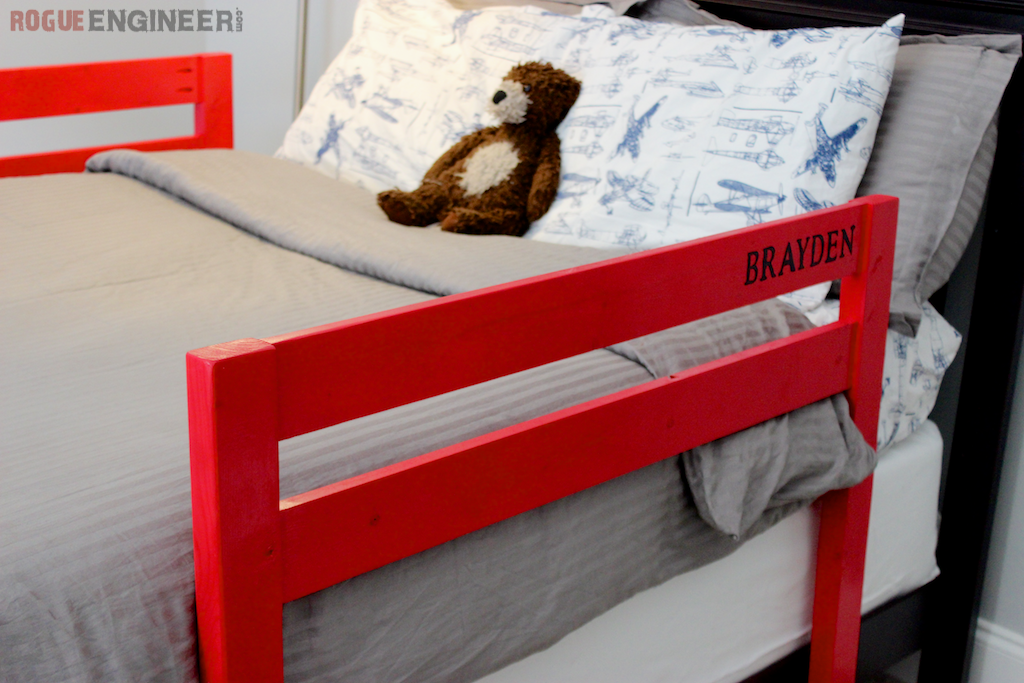
Credit: rogueengineer.com
Measuring And Planning
Measuring and planning are the first steps to build safe toddler bed rails. Careful measurements help create rails that fit well and protect your child. Planning ensures you have the right materials and tools before starting the project.
Accurate measurements prevent mistakes. They save time and effort during assembly. You will know exactly what size to cut and how to place the rails.
Measuring Your Toddler’s Bed
Start by measuring the length and width of the mattress. Use a tape measure for precise numbers. Write down these measurements clearly. Measure the height from the mattress to the floor. This helps decide the rail height. Check the bed frame size too. Sometimes rails attach to the frame, not the mattress.
Designing The Rail Dimensions
Decide how tall the rails need to be. They should be high enough to stop a fall. Usually, rails are 10 to 12 inches above the mattress. Measure the length of the side to cover. Plan space for gaps so your child can’t get stuck. Think about the thickness of the wood. Thicker rails are stronger but heavier. Balance strength and comfort carefully.
Marking Cut Lines
Use a pencil and square ruler to mark cut lines. Mark on the wood clearly and straight. Double-check measurements before cutting. Mark both sides of each rail piece. This avoids mistakes during cutting. Keep your marks light so sanding removes them easily later. Accurate marking makes cutting easier and safer.
Cutting And Preparing Wood
Cutting and preparing wood is the first step in building sturdy toddler bed rails. Accurate cuts and smooth surfaces ensure safety. Proper preparation helps the rails fit perfectly and last longer. Follow these simple steps to get the wood ready for assembly.
Cutting Rails To Size
Measure the bed frame carefully before cutting. Mark the wood with a pencil for straight cuts. Use a saw that fits your comfort and skill level. Cut slowly to avoid splinters and uneven edges. Double-check each piece after cutting to confirm correct size.
Sanding For Smooth Edges
Sand all cut edges to remove rough spots and splinters. Use fine-grit sandpaper for a smooth finish. Sand along the grain to avoid scratches. Smooth edges prevent injury and improve the rail’s appearance. Wipe off dust with a clean cloth before the next step.
Drilling Pilot Holes
Mark spots for screws on the rails clearly. Drill small pilot holes before inserting screws. Pilot holes prevent wood from splitting during assembly. Use a drill bit slightly smaller than the screw diameter. Check hole alignment to keep rails straight and secure.

Credit: www.instructables.com
Assembling The Bed Rails
Assembling toddler bed rails is an important step to ensure your child’s safety. Proper assembly stops the rails from moving or falling. It creates a secure barrier to prevent your toddler from rolling out of bed. Follow clear steps to attach and secure the rails firmly. Check every part for stability before use.
Attaching Rails To Bed Frame
Start by positioning the rails along the bed’s edges. Match the holes in the rails with the holes on the bed frame. Align the rails so they sit flush against the mattress edge. Hold the rails steady to prepare for fastening. This step sets the foundation for a strong, safe rail setup.
Securing With Screws And Brackets
Use screws and brackets to fasten the rails tightly. Insert screws through the rail holes into the bed frame. Tighten screws with a screwdriver until the rails feel solid. Place brackets at key points for extra support. Brackets prevent the rails from shifting during use.
Checking Stability
After attaching, test the rails by gently pushing and pulling. The rails should not move or wobble. Make sure all screws and brackets are tight. Repeat tightening if needed to improve firmness. A stable rail ensures your toddler’s safety throughout the night.
Finishing Touches
Finishing touches make your toddler bed rails safe and good looking. This step helps protect the wood and keeps your child safe. Small details matter a lot for comfort and security.
Applying Non-toxic Paint Or Sealant
Choose paint or sealant that is safe for children. Non-toxic options protect your toddler from harmful chemicals. Apply a thin, even coat to all wood surfaces. Let it dry fully before the next step. This also helps the bed rails last longer.
Adding Padding For Extra Safety
Soft padding reduces the risk of bumps and bruises. Wrap foam or soft fabric around the rails. Secure the padding with strong tape or straps. Make sure the padding covers all hard edges. Check it stays in place during use.
Final Safety Inspection
Inspect every part of the bed rails carefully. Look for sharp edges, loose parts, or splinters. Test the rails by gently shaking them. Make sure they stay firm and secure. Fix any problems before letting your toddler use the bed.
Maintenance Tips
Keeping toddler bed rails safe and sturdy takes regular care. Maintenance helps avoid accidents and keeps the rails working well. Simple steps can make a big difference in safety and durability.
Regular Safety Checks
Check the bed rails often for cracks or damage. Look closely at all the edges and corners. Make sure there are no sharp parts or splinters. Watch for any signs of wear that could cause problems.
Test the rails by gently shaking them. They should stay firm without moving. If they wobble, it means some parts need fixing or tightening.
Tightening Loose Parts
Loose screws and bolts can make rails unsafe. Use the right tools to tighten all the fittings. Check each connection point carefully. Tighten until firm, but do not overdo it.
Inspect the rails every few weeks. Kids move a lot and can loosen parts without noticing. Keeping everything tight keeps the rails strong and secure.
Cleaning And Care
Clean the rails regularly to keep them fresh and safe. Use a soft cloth and mild soap with water. Avoid harsh chemicals that can damage the wood or paint.
Dry the rails completely after cleaning to stop moisture damage. Keep the bed away from direct sunlight or damp places. This helps the rails last longer and look good.
Frequently Asked Questions
What Materials Are Needed To Build Toddler Bed Rails?
You need wood planks, screws, a drill, sandpaper, and measuring tape. Choose smooth, sturdy wood for safety and durability. Use screws to secure rails firmly. Sand edges to prevent splinters and ensure a smooth finish.
How Do I Measure For Toddler Bed Rails?
Measure the length of the bed frame where rails will attach. Consider the height needed to prevent falls but allow easy access. Accurate measurement ensures rails fit securely and provide proper safety for your toddler.
Are Diy Toddler Bed Rails Safe For Children?
Yes, if built with quality materials and proper installation. Ensure no sharp edges or loose screws. Regularly check rails for stability. Well-made DIY rails offer a safe, cost-effective solution to keep toddlers secure in bed.
How Long Does It Take To Build Toddler Bed Rails?
Building toddler bed rails typically takes 1 to 2 hours. Time varies based on skill level and tools available. Preparation, measuring, cutting, and assembly are key steps. Allow extra time for sanding and finishing touches.
Conclusion
Building toddler bed rails can keep your child safe and comfortable. Choose sturdy materials and measure carefully for a good fit. Follow simple steps to create rails that protect without blocking airflow. This project saves money and gives your toddler a cozy sleep space.
Enjoy the peace of mind knowing your child is secure. Start today and make bedtime safer with easy-to-build rails.