Are you worried about your toddler rolling out of bed at night? Building bed rails can give you peace of mind and keep your little one safe while they sleep.
You don’t need to buy expensive products or wait for delivery—you can create sturdy, reliable rails yourself. In this guide, you’ll discover simple steps and easy tips that anyone can follow, even if you’re not a DIY expert. Keep reading to learn how to build toddler bed rails that fit your child’s bed perfectly and protect their sweet dreams every night.
Choosing The Right Materials
Choosing the right materials for toddler bed rails is very important. The materials must be strong, safe, and easy to work with. Good choices protect your child and last a long time. This guide helps you pick the best materials for your project.
Safe Wood Options
Pick wood that is free from harmful chemicals. Pine, maple, and birch are strong and safe woods. Avoid softwoods that can splinter easily. Sand the wood smooth to protect your child’s skin. Use non-toxic paint or finish to keep it safe.
Essential Tools
You need basic tools for building bed rails. A saw cuts the wood to size. A drill helps make holes for screws. Screwdrivers fasten the pieces together tightly. Sandpaper smooths rough edges for safety. Clamps hold pieces steady while working.
Additional Safety Features
Use rounded edges on all parts to avoid sharp corners. Make sure screws and nails do not stick out. Add padding or foam covers on the rails for extra safety. Check the rails fit tightly to the bed frame. Test the rails for strength before use.
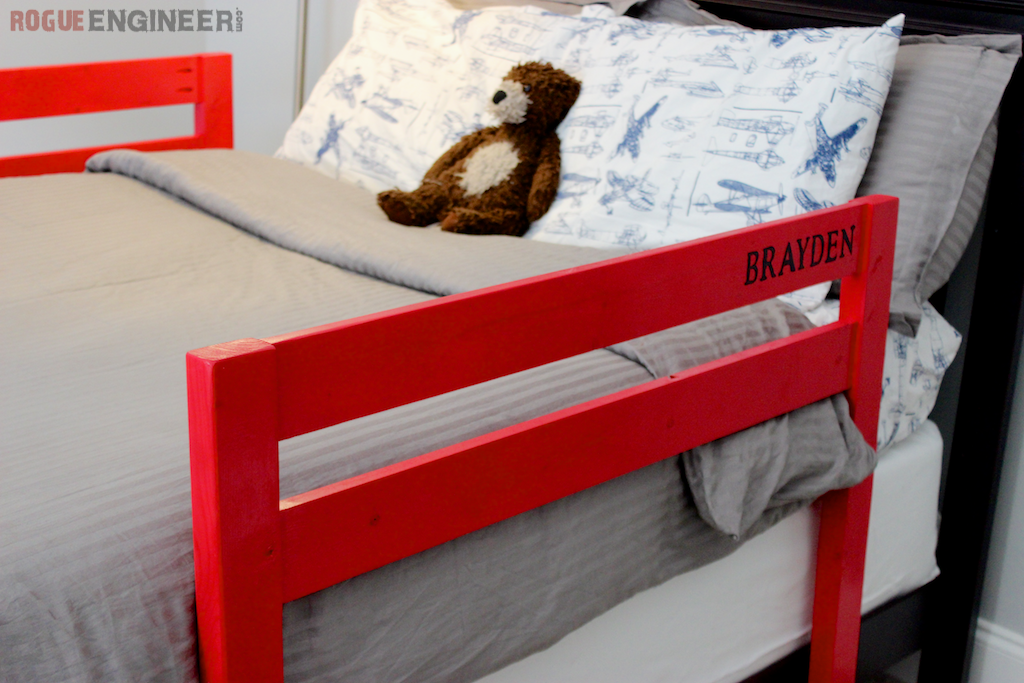
Credit: rogueengineer.com
Measuring And Planning
Measuring and planning are the first steps to build safe toddler bed rails. Accurate measurements help you create rails that fit well and protect your child. Careful planning avoids mistakes and saves time during construction. Let’s break down the process into clear steps.
Measuring The Bed Frame
Start by measuring the length and width of the bed frame. Use a tape measure and note down all dimensions. Measure the height from the mattress base to the top of the frame. Check for any gaps or uneven parts. Accurate measurements ensure the rails fit snugly and securely.
Designing The Rail Dimensions
Decide how tall the rails should be to prevent falls. Consider the mattress thickness when setting the height. Make rails long enough to cover the bed sides but leave space for easy access. Plan for smooth edges and comfortable height for your toddler. Design simple rails that are strong and easy to build.
Planning Attachment Points
Identify where to attach the rails on the bed frame. Choose spots that provide strong support without damaging the bed. Mark points for screws or brackets with a pencil. Plan for secure attachments that hold the rails tight. Proper attachment points keep rails stable and safe for your child.
Cutting And Preparing Wood
Cutting and preparing wood is a key step in making toddler bed rails. It ensures the pieces fit well and are safe for your child. Careful preparation helps avoid splinters and sharp edges.
Take your time measuring and cutting. This part sets the foundation for strong, smooth bed rails. Follow simple steps to get good results.
Marking Cut Lines
Start by measuring the wood accurately. Use a pencil to draw clear cut lines. Double-check the measurements before cutting. Mark both sides of the wood for better guidance. Clear lines help you cut straight and avoid mistakes.
Safe Cutting Techniques
Use a saw suited for wood, like a handsaw or jigsaw. Hold the wood firmly on a stable surface. Cut slowly along the marked lines. Keep fingers away from the blade at all times. Wear safety goggles to protect your eyes from dust and chips.
Sanding For Smooth Edges
After cutting, sand the edges with fine sandpaper. Sand in one direction to remove rough spots and splinters. Smooth edges prevent scratches and injuries. Wipe off dust with a clean cloth before assembling. Smooth wood feels better and is safer for toddlers.
Assembling The Rails
Assembling the rails is a key step in building safe toddler bed rails. This part brings all the wood pieces together to form a strong barrier. Careful assembly ensures the rails fit well and stay firm during use. Follow each step closely for a sturdy final product.
Joining Wood Pieces
Start by matching the wood pieces by size and shape. Lay them out flat on a clean surface. Use wood glue along the edges for a tight bond. Press the pieces together firmly. Clamp them if possible. Let the glue dry completely before moving on.
Using Screws And Brackets
Next, use screws to secure the joined pieces. Pre-drill holes to avoid splitting the wood. Attach metal brackets at the corners for extra support. Tighten all screws well but avoid over-tightening. This step makes the rails strong and safe.
Ensuring Stability
Check the rails for any wobbling or loose parts. Adjust screws and brackets as needed. Test the rails by applying gentle pressure. They should not move or bend easily. Stable rails protect toddlers from falling out of bed.
Installing The Bed Rails
Installing toddler bed rails is a key step in making your child’s bed safer. Proper installation helps prevent falls during sleep. This process requires careful attention to detail and steady hands.
Follow simple steps to place the rails correctly. Secure them tightly for stability. Finally, test the rails to ensure they hold well and keep your toddler safe.
Positioning On The Bed
Place the bed rails on the side edges of the mattress. Align them so the rails cover the sleeping area fully. Make sure the rails do not block your child’s entry and exit points.
Check that the rails are at the right height. They should be high enough to stop your toddler from rolling out.
Securing Rails Firmly
Use screws or brackets to attach the rails to the bed frame. Tighten them securely to avoid any movement. Loose rails can cause accidents.
Double-check all fasteners. They must hold the rails steady under pressure.
Testing For Safety
Push the rails gently to see if they move. No shaking means good stability. Try to wiggle the rails by hand.
Place weight on the rails as if your toddler leans on them. Make sure they hold firm without bending or loosening.

Credit: alittlediyblog.wordpress.com
Maintaining And Inspecting Rails
Maintaining and inspecting toddler bed rails is key to keeping your child safe. Bed rails protect toddlers from falling out of bed during sleep. Regular care ensures the rails stay strong and secure over time. Watch for signs of damage or loosening parts. Small problems can turn into safety risks if ignored. Make it a habit to check the rails often. This keeps the bed safe and comfortable for your toddler.
Regular Safety Checks
Check the bed rails every week. Look for loose screws or bolts. Tighten any parts that feel wobbly. Inspect the wood or metal for cracks or bends. Make sure the rails fit snugly against the mattress. Test the rails by gently shaking them. They should not move or creak. Remove any sharp edges or splinters. Keep the rails clean from dust and dirt. Clean rails last longer and stay safe.
Repairing Wear And Tear
Fix small damages quickly. Use wood glue for minor cracks. Sand rough spots to remove splinters. Replace broken screws or bolts with new ones. If paint peels, sand and repaint with child-safe paint. Avoid loose nails or sharp staples. They can hurt your toddler. Replace parts that are too damaged. Keep repair tools handy for quick fixes. Regular repairs stop bigger problems from growing.
Adjusting For Growth
Toddlers grow fast. Bed rails may need changes over time. Adjust the height of the rails as your child gets taller. Make sure the rails still prevent falling out. Some rails are adjustable; use this feature if possible. Check the length to fit bigger mattresses. Remove rails only when your child no longer needs them. Always keep safety as the top priority. Adapt the bed to your toddler’s changing needs.

Credit: www.instructables.com
Frequently Asked Questions
How Do I Choose The Right Toddler Bed Rails?
Choose bed rails that fit your toddler’s bed size perfectly. Look for sturdy materials and smooth edges to prevent injuries. Adjustable rails offer flexibility as your child grows. Prioritize easy installation and removal for convenience.
What Tools Are Needed To Build Toddler Bed Rails?
Common tools include a saw, drill, measuring tape, screwdriver, and sandpaper. You may also need screws, wood glue, and clamps. Make sure tools are child-safe and suitable for woodworking projects to ensure safety and precision.
How To Ensure Toddler Bed Rails Are Safe?
Use smooth, splinter-free wood and secure all joints tightly. Avoid sharp edges and small parts that can detach. Test the rails for stability before use. Regularly inspect for wear and tighten screws as needed.
Can I Customize Toddler Bed Rails Design?
Yes, you can customize designs using different wood types, colors, and patterns. Adding fun shapes or themes can make rails appealing. Customize height and length to suit your child’s bed and safety needs.
Conclusion
Building toddler bed rails keeps your child safe while sleeping. It requires simple tools and careful measuring. Choose sturdy materials that fit the bed size perfectly. Take your time to assemble the parts securely. Test the rails well to ensure they stay in place.
This project helps your toddler sleep comfortably and prevents falls. A little effort creates a safer bedtime space. Enjoy watching your child rest peacefully with these rails. Simple steps can make a big difference in safety.