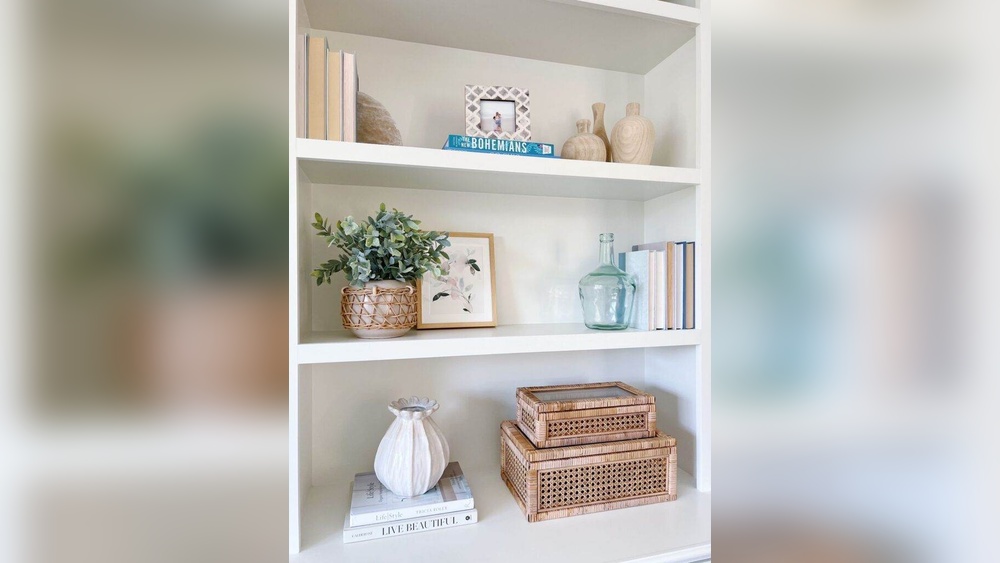
Are you tired of searching for the perfect bookshelf that fits your space and style? What if you could create one yourself, exactly the way you want it?
Building your own bookshelf DIY not only saves money but also gives you a unique piece that reflects your personality. In this guide, you’ll discover simple steps and insider tips to make the process easy and enjoyable. Ready to turn your vision into reality?
Keep reading, and by the end, you’ll have everything you need to build a bookshelf you’ll be proud of.
Materials And Tools
Building your own bookshelf is a satisfying project. Choosing the right materials and tools is key. Good materials ensure durability and style. The right tools make the work easier and safer. Here’s what you need to prepare.
Choosing The Right Wood
Pick wood that fits your budget and style. Pine is soft, easy to cut, and affordable. Oak and maple are harder and last longer. Choose smooth boards to save sanding time. Avoid wood with many knots or cracks. Measure the size you want before buying.
Essential Tools For The Project
A saw is necessary to cut the wood pieces. A drill helps to make holes and drive screws. A screwdriver or power driver tightens screws quickly. Sandpaper or a sander smooths rough edges. A tape measure ensures accurate cuts. Use a level to check shelf balance.
Additional Supplies
Wood glue strengthens joints and keeps shelves sturdy. Screws and nails hold parts together firmly. Wood filler covers gaps and nail holes nicely. Paint or stain adds color and protects wood. Brushes or rags apply finishes evenly. Safety gear like gloves and goggles protect you.
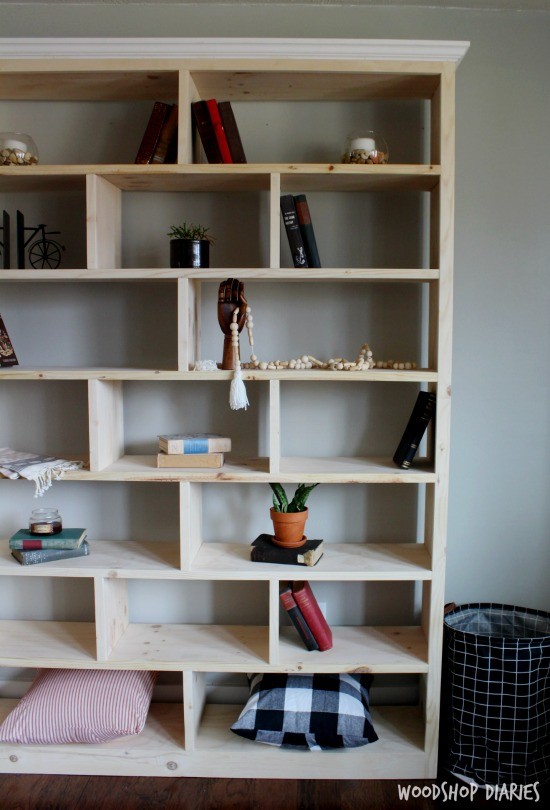
Credit: www.woodshopdiaries.com
Planning Your Bookshelf
Planning your bookshelf is the first step to a successful DIY project. Careful planning saves time, money, and effort. It helps you avoid mistakes and creates a shelf that fits perfectly.
Start by understanding the space where the shelf will go. Think about how many books or items you want to store. This helps shape the design and size of your bookshelf.
Measuring Your Space
Use a tape measure to find the height, width, and depth of your available space. Write down these numbers clearly. Measure twice to avoid errors. Consider any obstacles like vents or outlets. Keep extra space for easy access and air circulation.
Designing The Shelf Layout
Decide how many shelves you want and their spacing. Think about the size of your books or items. Mix tall shelves for large books and short ones for small items. Draw a simple sketch with measurements. This gives a clear idea before cutting any wood.
Creating A Cutting List
Make a list of all wood pieces you need. Include lengths, widths, and thicknesses. Organize the list by type of wood or cut size. This helps when buying materials and cutting them precisely. Double-check the list to avoid missing any parts.
Cutting The Wood
Cutting the wood is the first step to creating your bookshelf. It shapes the pieces that will fit together. Accuracy and safety are important here. Proper measurements and careful cutting ensure a good final product.
Marking Your Measurements
Start by measuring the wood pieces you need. Use a tape measure for exact lengths. Mark these lengths clearly with a pencil. Draw straight lines across the wood where you will cut. Double-check your marks before cutting. This prevents mistakes and wasted wood.
Safe Cutting Techniques
Wear safety glasses to protect your eyes from sawdust. Use clamps to hold the wood steady. Choose the right saw for your cuts. Cut slowly and follow your marked lines closely. Keep your hands away from the blade at all times. Work in a clean, well-lit area to avoid accidents.
Assembling The Frame
Assembling the frame is the first step to build a strong bookshelf. It holds all parts together and keeps the structure steady. Take your time to make sure every piece fits well. This step sets the base for a durable and neat bookshelf.
Joining The Sides And Shelves
Start by placing the side panels upright. Fit the shelves between these sides at the marked points. Use clamps to hold them tight. Check that the shelves sit flush with the edges. This prevents gaps and keeps the frame even.
Using Screws And Wood Glue
Apply wood glue on the edges where shelves meet sides. This adds extra strength to the joints. Next, drill pilot holes for the screws. Screws keep the parts locked in place. Tighten screws carefully to avoid splitting the wood.
Checking For Square
Use a carpenter’s square to check corners. The frame should form perfect right angles. Adjust the pieces if needed before the glue dries. Squared corners ensure the bookshelf will stand straight and strong.
Adding Finishing Touches
Adding finishing touches to your DIY bookshelf makes a big difference. It helps your project look clean and professional. These final steps protect the wood and improve the shelf’s durability. Take your time to get these details right. A few small efforts can turn your bookshelf into a beautiful piece of furniture.
Sanding The Surface
Sanding smooths rough edges and removes splinters. Use medium-grit sandpaper first, then fine-grit for a soft finish. Sand along the wood grain for best results. Wipe away dust with a dry cloth before moving on. This step prepares the wood for paint or stain.
Applying Paint Or Stain
Choose paint or stain to match your room’s style. Paint hides wood grain, while stain highlights it. Apply thin, even coats with a brush or cloth. Allow each layer to dry fully before adding another. This protects the wood and enhances the shelf’s look.
Installing Back Panel
The back panel adds strength and stability to your bookshelf. Cut the panel to fit the frame snugly. Attach it using nails or screws, keeping it flush with edges. A back panel also stops books from falling behind the shelf. It gives a finished appearance to your project.
Installing And Securing
Installing and securing your DIY bookshelf is a key step to make it safe and stable. Proper installation keeps the shelf from wobbling or falling. This step protects your books and your family.
Positioning Your Bookshelf
Choose a flat and stable spot for your bookshelf. Avoid placing it on uneven floors or near doors. Keep it away from direct sunlight to protect your books. Measure the area to ensure it fits well. Leave space around the shelf for easy cleaning and access.
Anchoring For Safety
Secure your bookshelf to the wall to prevent tipping. Use wall anchors or brackets designed for your wall type. Find studs in the wall using a stud finder for the strongest hold. Attach brackets to the bookshelf and wall tightly. Check all screws and fittings to ensure they are firm. This step is crucial if you have children or pets.
Maintaining Your Bookshelf
Building your own bookshelf is rewarding, but keeping it in good shape is key. Proper care helps your shelf last longer and look better. This section covers simple ways to maintain your bookshelf every day. Follow these tips to keep it sturdy and neat for years.
Regular Cleaning Tips
Dust your bookshelf often to avoid buildup. Use a soft cloth or duster for gentle cleaning. Wipe shelves with a damp cloth to remove stains. Avoid harsh cleaners that can damage the wood or paint. Clean corners and edges carefully to keep dirt away. Regular cleaning keeps your bookshelf fresh and inviting.
Repairing Minor Damages
Small scratches or dents can happen easily. Fix minor scratches with a wood touch-up marker. Use wood filler for tiny holes or cracks, then sand smooth. Tighten loose screws or nails to keep the shelf steady. Replace damaged parts if needed to avoid bigger problems. Quick repairs protect your shelf from further damage.
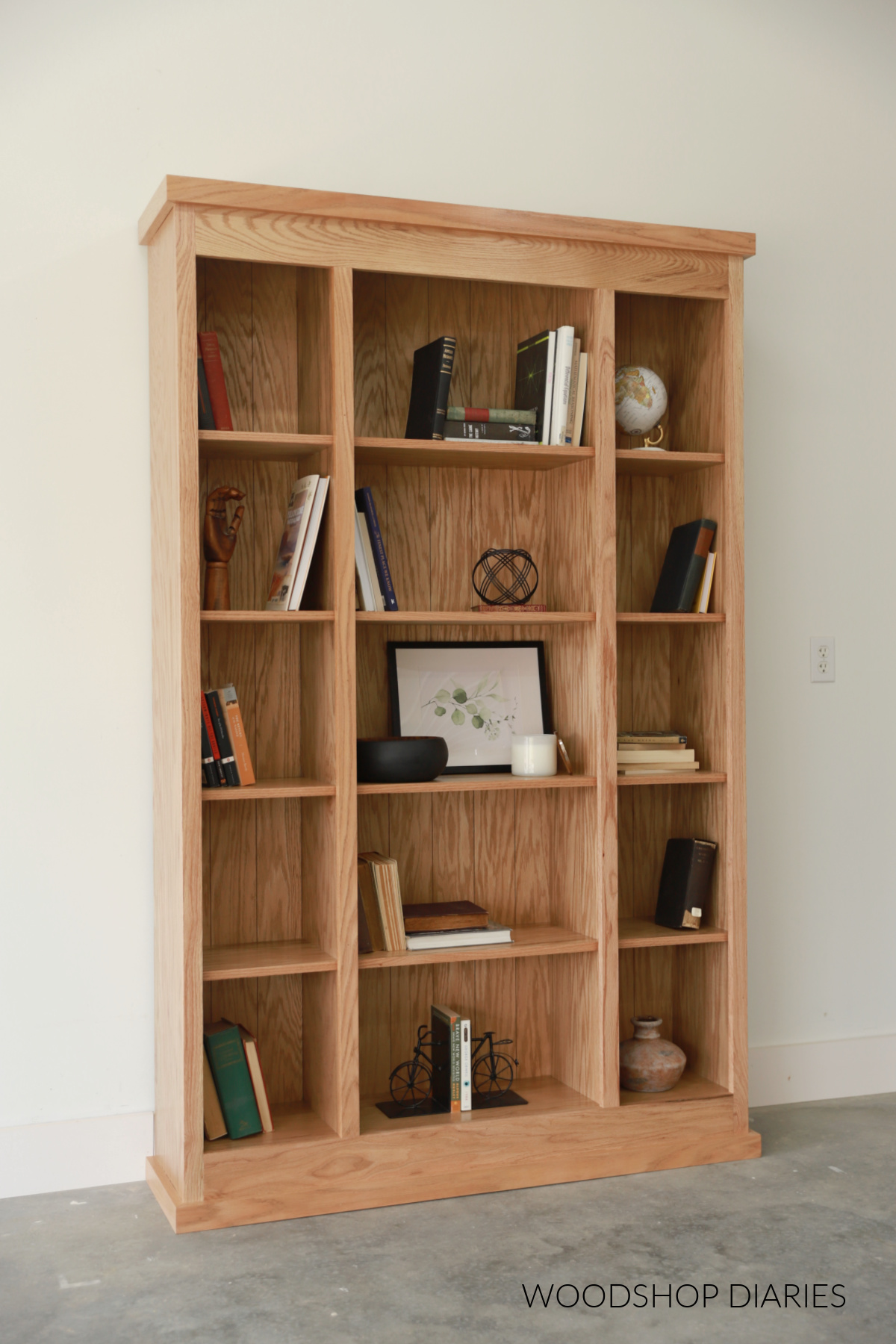
Credit: www.woodshopdiaries.com
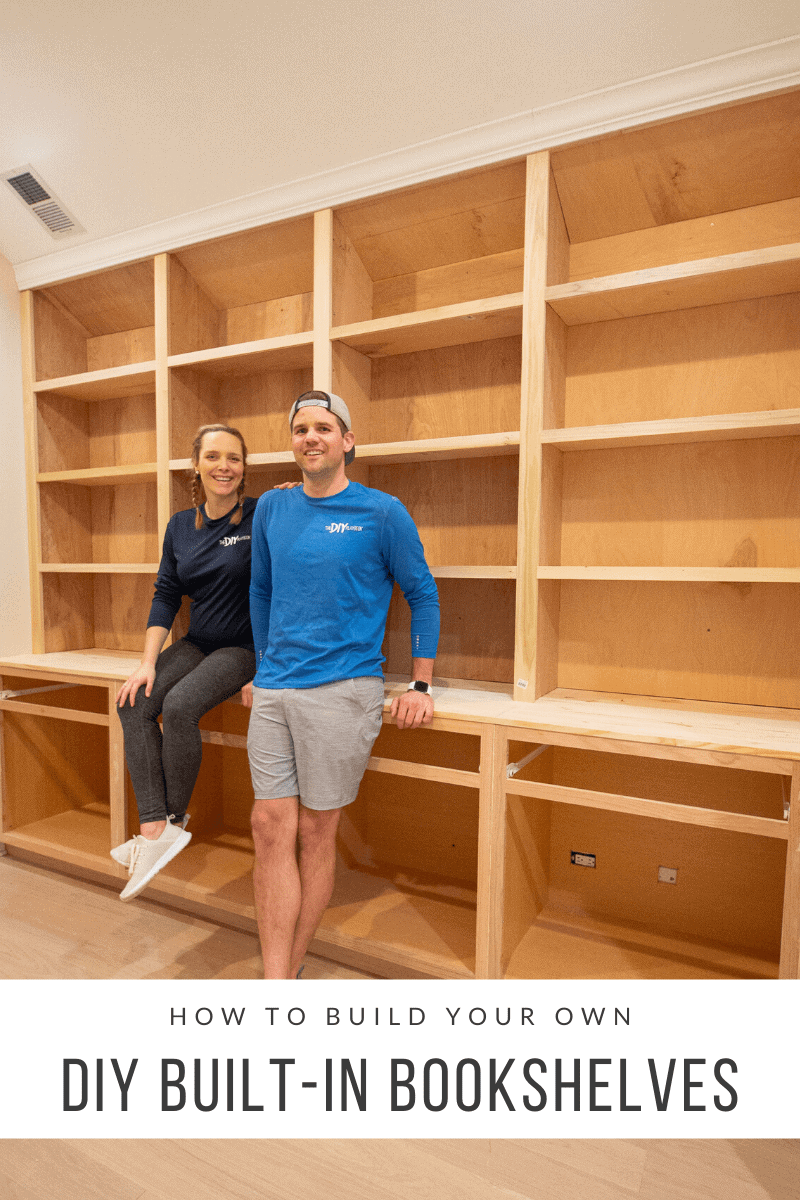
Credit: thediyplaybook.com
Frequently Asked Questions
How Much Wood Do I Need For A Diy Bookshelf?
The amount of wood depends on your bookshelf size and design. Measure the height, width, and depth first. Then calculate shelves and supports needed. Commonly, plywood or pine boards are used. Buying a bit extra wood is wise to cover mistakes or adjustments.
What Tools Are Essential For Building A Bookshelf?
Basic tools include a saw, drill, measuring tape, and screwdriver. Sandpaper smooths rough edges. Clamps hold pieces while assembling. A level ensures shelves are straight. Optional tools like a nail gun speed up construction but aren’t mandatory.
How Can I Make My Bookshelf Sturdy?
Use solid wood or thick plywood for strength. Secure shelves with screws and brackets. Add a back panel to prevent wobbling. Properly space shelves to distribute weight evenly. Anchoring the bookshelf to the wall adds extra safety and stability.
What Type Of Finish Should I Use On My Bookshelf?
Choose paint, stain, or varnish based on your style. Paint offers vibrant colors and protection. Stain enhances wood grain and natural look. Varnish adds a clear protective coat. Always apply a primer or sealant for durability and smooth finish.
Conclusion
Building your own bookshelf is a fun and useful project. It saves money and fits your space perfectly. You only need basic tools and simple steps. Take your time and enjoy the process. Soon, you will have a sturdy shelf to hold your books.
This DIY project brings pride and a personal touch to your home. Start small, learn as you go, and watch your skills grow. Your new bookshelf will brighten any room and keep things organized. Give it a try—you might surprise yourself.