Are you tired of cluttered desks and piles of books everywhere? Imagine having a neat, stylish mini bookshelf that fits perfectly in your space and keeps your favorite reads close at hand.
Building one yourself might sound tricky, but it’s easier than you think—and you’ll love the satisfaction of creating something with your own hands. In this guide, you’ll discover simple steps to build a mini bookshelf that suits your style and needs.
Ready to turn your book chaos into calm? Let’s get started!

Credit: 100things2do.ca
Materials And Tools Needed
Building a mini bookshelf is a fun and useful project. Having the right materials and tools makes the process easier and the result better. Start by gathering everything you need before you begin. This saves time and helps you work smoothly.
Choosing The Right Wood
Select wood that is strong but easy to handle. Pine and plywood are good choices. Pine is soft and easy to cut. Plywood is stable and smooth. Avoid wood that is too heavy or too soft. Measure the size of your bookshelf to know how much wood to buy. Check for any cracks or knots in the wood before buying.
Essential Tools
You need basic tools to build your mini bookshelf. A saw helps you cut the wood to size. A drill makes holes for screws. Sandpaper smooths rough edges. A screwdriver or power drill helps drive screws. A measuring tape ensures precise cuts. A pencil is useful for marking measurements. Clamps hold pieces together while you work. These tools make the build easier and safer.
Optional Accessories
Some extra items can improve your bookshelf. Wood glue strengthens joints. Paint or wood stain adds color and protection. Brushes or rags help apply paint or stain. Small nails or finishing nails can add detail. Corner brackets increase stability. Felt pads protect surfaces from scratches. These accessories help customize and finish your bookshelf nicely.
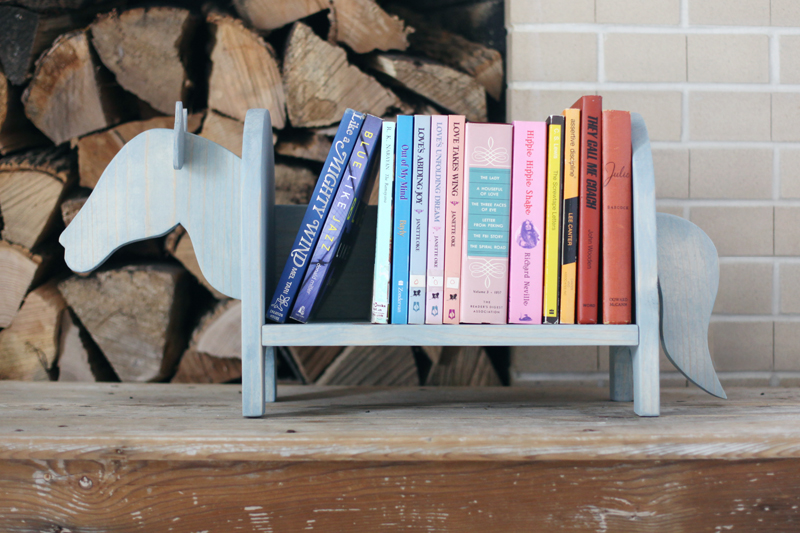
Credit: abeautifulmess.com
Designing Your Mini Bookshelf
Designing your mini bookshelf is the first step to creating a practical and attractive piece. A good design fits your space and holds your favorite books comfortably. Careful planning helps avoid mistakes and saves materials.
Think about where you will place the bookshelf and what you want to store on it. This will guide your design choices and make the project easier.
Measuring Space
Start by measuring the exact space where the bookshelf will sit. Use a tape measure to get the height, width, and depth. Write down these numbers carefully. Consider any obstacles like baseboards or power outlets that might affect the fit. Accurate measurements ensure the shelf fits perfectly without crowding the area.
Sketching The Layout
Draw a simple sketch of your bookshelf on paper. Mark the overall size based on your measurements. Show where each shelf will go. This visual helps you see the shape and balance of the design. Sketching also makes it easy to change ideas before cutting any wood.
Deciding Shelf Dimensions
Choose shelf heights that match the size of your books. Taller books need taller shelves, while small paperbacks fit on shorter shelves. Think about shelf depth too. A depth of 8 to 10 inches works for most books. Keep the shelves strong enough to hold the weight without bending.
Cutting And Preparing Wood
Cutting and preparing wood is a key step in building a mini bookshelf. It shapes the wood pieces to fit perfectly. Careful preparation makes assembly easier and the final product stronger. Each cut must be accurate and smooth. This section guides you through marking, cutting, and sanding wood for your project.
Marking Cut Lines
Start by measuring each piece of wood carefully. Use a pencil to draw clear, straight lines where you will cut. Double-check measurements to avoid mistakes. Mark lines on the wood surface that you will see easily. These lines guide your cuts and keep pieces the right size.
Safe Cutting Techniques
Use the correct saw for your wood type and thickness. Hold the wood firmly to stop it from moving. Cut slowly along the marked lines to keep control. Wear safety goggles to protect your eyes from dust and chips. Keep your fingers away from the blade at all times.
Sanding Surfaces
After cutting, smooth the edges with sandpaper. Use medium-grit sandpaper to remove rough spots. Sand in the direction of the wood grain for a clean finish. Check all surfaces to ensure there are no splinters. Smooth wood helps the paint or finish stick better.
Assembling The Frame
Assembling the frame is the most important step in building your mini bookshelf. It forms the basic shape and strength. A strong frame ensures your bookshelf holds the weight of your books safely. Follow each step carefully to create a sturdy structure.
Joining Side Panels
Start by placing the two side panels upright and parallel. Align the edges so they are straight. Use clamps to hold the panels steady. Make sure the panels are square by checking the corners. This will keep the frame even and balanced.
Attaching Shelves
Next, position the shelves between the side panels. Space them evenly depending on the height of your books. Mark the shelf locations on the inside of the panels. Slide each shelf into place carefully, fitting tightly against the side panels. This step builds the storage space for your books.
Securing With Screws Or Nails
Use screws or nails to fasten the shelves and side panels together. Pre-drill holes to avoid splitting the wood. Drive screws or nails straight and flush with the surface. This ensures the frame is strong and stable. Double-check all joints for firmness before moving to the next step.
Finishing Touches
Finishing touches bring your mini bookshelf to life. They protect the wood and make it look great. Simple steps can give your project a polished and professional look.
Painting And Staining
Choose paint or stain based on your style. Paint offers many colors to brighten the shelf. Stain shows the natural wood grain for a classic look. Use a brush or cloth for even coverage. Let each coat dry fully before adding another.
Adding Protective Coating
Protective coating keeps your bookshelf safe from damage. Clear varnish or polyurethane works well. It guards against scratches, water, and dust. Apply thin layers with a clean brush. Let each layer dry before adding the next.
Decorative Elements
Small decorations add personality to your shelf. Use stickers, stencils, or washi tape for simple designs. Attach small knobs or metal corners for style and function. Keep decorations light to avoid damage. Personal touches make the bookshelf uniquely yours.

Credit: www.amazon.com
Placing And Styling Your Bookshelf
Placing and styling your mini bookshelf brings your space to life. This step turns a simple shelf into a charming feature. Thoughtful placement enhances your room’s flow and light. Styling adds personality and keeps your shelf neat. Here’s how to make your mini bookshelf both useful and attractive.
Choosing The Perfect Spot
Pick a spot that fits your room size and style. Near a window, your shelf gets natural light. This brightens your books and makes them inviting. Avoid places with too much sun to protect book covers. Corners often work well and save space. Ensure easy access so you can reach books comfortably.
Organizing Books And Items
Group books by size, color, or subject to create order. Mix books with small decorative items for interest. Use bookends to keep books upright and tidy. Avoid overfilling shelves; leave some space for a clean look. Place frequently read books at eye level for convenience.
Maintaining Your Mini Bookshelf
Dust your bookshelf regularly to keep it fresh. Check for loose screws or parts and tighten them. Rearrange items occasionally to refresh the look. Keep the shelf away from damp areas to prevent damage. A well-maintained shelf lasts longer and looks better.
Frequently Asked Questions
What Materials Are Needed To Build A Mini Bookshelf?
You need wood boards, screws, wood glue, sandpaper, and paint or stain. Basic tools include a saw, drill, screwdriver, and measuring tape. These materials ensure a sturdy and attractive mini bookshelf.
How Long Does It Take To Build A Mini Bookshelf?
Building a mini bookshelf usually takes 2 to 4 hours. Time depends on your skill level and complexity of design. Proper planning and preparation can speed up the process.
What Are The Best Wood Types For Mini Bookshelves?
Pine, plywood, and MDF are popular choices for mini bookshelves. Pine is affordable and easy to work with. Plywood and MDF offer smooth surfaces for painting and finishing.
How Do I Customize My Mini Bookshelf Design?
You can customize by adjusting size, shape, and number of shelves. Adding paint, stain, or decorative elements enhances its look. Tailor the design to fit your space and style.
Conclusion
Building a mini bookshelf can be simple and fun. You only need a few tools and some wood. Step by step, you create a useful space for your books. It fits well in small rooms or desks. Personalize it with paint or decorations.
Enjoy your new shelf and the books it holds. Keep practicing to improve your skills. Small projects like this bring joy and pride. Start your mini bookshelf today and see the results.