Keeping your guinea pig’s bookshelf cage clean is more important than you might think. A dirty cage can lead to health problems for your furry friend and make your home smell unpleasant.
If you’re wondering how to clean your guinea pig’s bookshelf cage quickly and effectively, you’re in the right place. This guide will show you simple steps to keep your pet’s space fresh and safe. By the end, you’ll feel confident in maintaining a clean, happy environment for your guinea pig every day.
Keep reading to discover easy tips that really work!
Preparing For Cleaning
Preparing to clean your guinea pig’s bookshelf cage is an important first step. It helps keep your pet safe and makes the cleaning process smooth. Proper preparation also keeps the cage fresh and healthy for your guinea pig.
Gathering Cleaning Supplies
Collect all the cleaning tools before starting. Use mild soap, warm water, and a soft brush. Have paper towels or clean cloths ready to dry the cage. Avoid harsh chemicals that can harm your pet. Also, prepare fresh bedding for after cleaning.
Removing Your Guinea Pig Safely
Gently take your guinea pig out of the cage. Use both hands to support its body. Place your pet in a secure, quiet area. This keeps your guinea pig calm and safe. Never leave your pet unattended outside the cage.
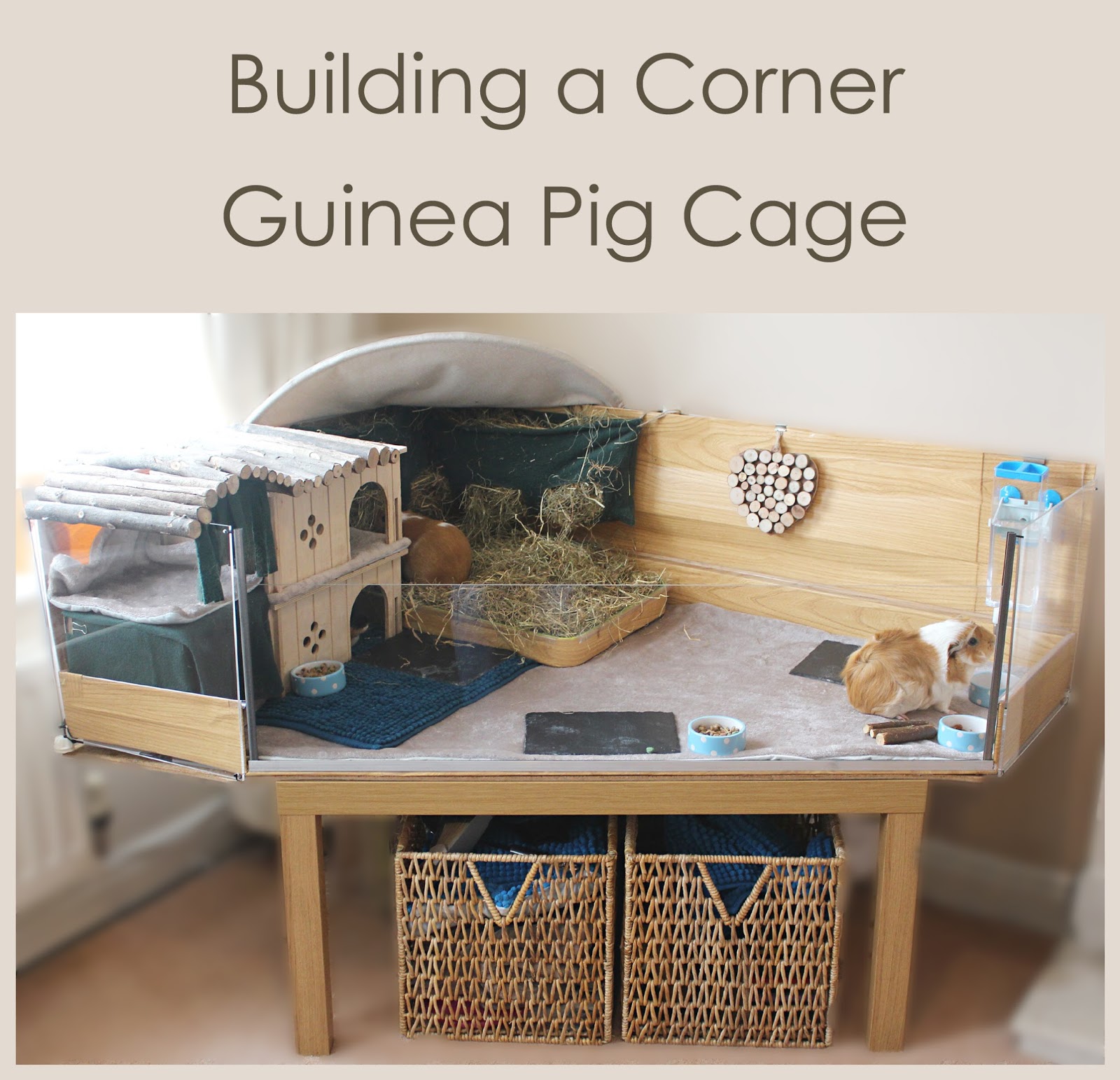
Clearing The Cage Contents
Remove all toys, food dishes, and water bottles. Take out old bedding and any leftover food. Check for any waste or dirty spots. Clearing everything allows you to clean every corner well. Dispose of waste in a sealed bag for hygiene.
Credit: houwhoekfarmstall.com
Cleaning The Cage Structure
Cleaning the cage structure is key to keeping your guinea pig healthy. Dirt, urine, and food bits build up quickly. This can cause bad smells and bacteria growth. Regular cleaning stops these problems. It also gives your pet a fresh and safe home.
Washing The Cage Base
Start by removing your guinea pig and all items from the cage. Empty the base of old bedding and debris. Use warm water with mild soap. Scrub the base gently to remove stains and dirt. Avoid harsh chemicals that can harm your pet. Rinse well to remove all soap residue.
Scrubbing The Bars And Shelves
Clean the bars and shelves with a soft brush or sponge. Focus on corners and joints where dirt hides. Use warm, soapy water and scrub carefully. Wipe off any stubborn spots. Rinse thoroughly to remove all soap. This keeps the cage bars safe and hygienic.
Drying The Cage Properly
Dry the cage completely before adding new bedding. Use a clean towel or let it air dry. Moisture can cause mold and bad smells. Make sure every part is dry, especially corners and shelves. A dry cage keeps your guinea pig comfortable and healthy.
Disinfecting Techniques
Keeping your guinea pig’s bookshelf cage clean is important for their health. Disinfecting helps remove germs and bacteria. It stops illnesses and keeps the cage fresh. Use safe methods and products to protect your pet. Follow these disinfecting techniques for the best care.
Choosing Safe Cleaning Agents
Select cleaning agents that are non-toxic and pet-friendly. Avoid strong chemicals that can harm your guinea pig. Look for products labeled safe for animals. Mild soap and water often work well for regular cleaning. Always rinse well to remove any residue after cleaning.
Natural Disinfectants For Pets
Natural disinfectants are gentle and effective. Vinegar diluted with water kills many germs safely. Baking soda helps remove odors without harsh chemicals. Lemon juice can also clean and freshen the cage naturally. Use these options to keep the environment healthy and safe.
Avoiding Harmful Chemicals
Never use bleach, ammonia, or strong disinfectants in the cage. These chemicals can cause breathing problems and skin irritation. Avoid sprays or powders with artificial fragrances. Always check product labels before use. Protect your guinea pig by choosing safe cleaning solutions.
Cleaning Accessories And Toys
Cleaning accessories and toys is important for your guinea pig’s health. Dirty items can cause bacteria and bad smells. Regular cleaning helps keep your pet happy and safe.
Make sure to clean all parts of the cage, including food bowls, water bottles, bedding, and toys. Use gentle cleaning methods to avoid harming your pet.
Washing Food Bowls And Water Bottles
Remove food bowls and water bottles daily. Wash them with warm water and mild soap. Use a brush to clean inside the water bottle. Rinse well to remove all soap. Dry completely before putting them back.
Sanitizing Bedding And Hideouts
Take out the bedding and hideouts every week. Shake off loose dirt outside. Wash plastic or fabric hideouts with warm water and soap. Rinse well and air dry. Replace bedding with fresh, clean material each time.
Maintaining Wooden Accessories
Wooden toys and accessories need special care. Wipe them with a damp cloth regularly. Avoid soaking wood in water to prevent damage. Use pet-safe disinfectant if needed. Let wood dry fully before giving it to your guinea pig.
Reassembling The Cage
Reassembling your guinea pig’s bookshelf cage is the final step after cleaning. This process helps create a safe, clean, and happy space for your pet. A well-organized cage supports your guinea pig’s health and comfort.
Replacing Fresh Bedding
Start by adding fresh bedding to the cage floor. Use soft, absorbent material that controls odor. Spread it evenly to cover all corners. Fresh bedding keeps the cage dry and cozy. Change bedding regularly to avoid bad smells and bacteria.
Arranging Toys And Hideouts
Place toys and hideouts in the cage next. These items keep your guinea pig active and entertained. Position hideouts where your pet feels safe and can rest. Distribute toys evenly to encourage movement. Clean toys before returning them to the cage.
Ensuring A Comfortable Environment
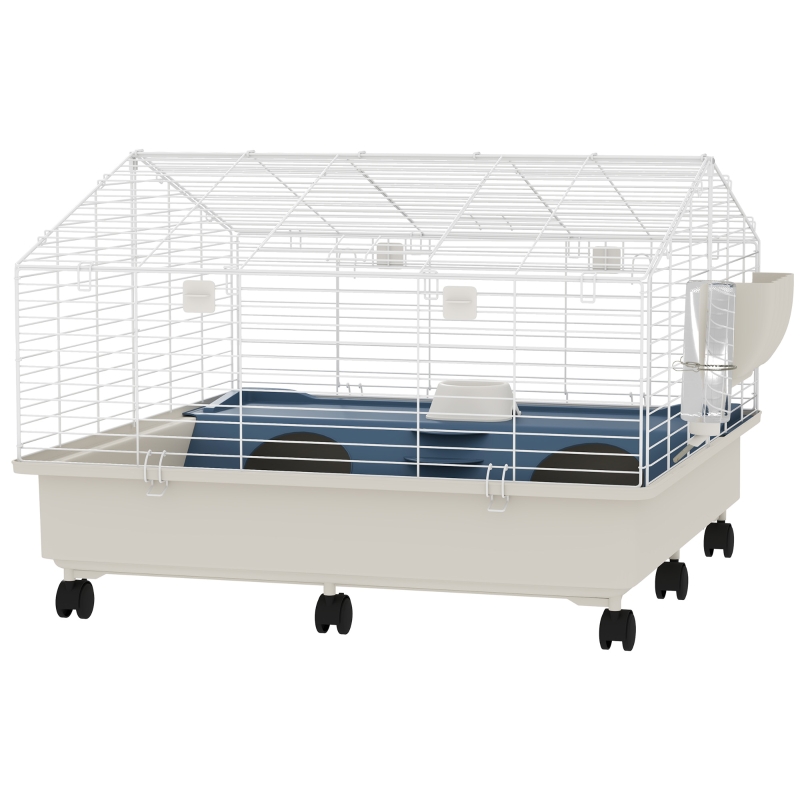
Check the cage temperature and lighting. Keep the cage in a quiet, draft-free area. Make sure your guinea pig has easy access to food and water. A calm and comfy cage helps reduce stress. Regularly inspect the cage for any sharp edges or loose parts.
Credit: www.aosom.com
Routine Maintenance Tips
Keeping your guinea pig’s bookshelf cage clean is key to their health and happiness. Routine maintenance helps prevent bad odors and keeps the cage safe. Small daily tasks and regular deep cleans make a big difference. Monitoring the cage condition ensures it stays in good shape for your pet.
Daily Spot Cleaning
Remove any wet or soiled bedding every day. Replace it with fresh bedding to keep the cage dry. Check for leftover food and uneaten treats. Clean up any spills quickly to avoid mold or bacteria. This simple step keeps your guinea pig comfortable and healthy.
Weekly Deep Cleaning
Take your guinea pig out and place them in a safe spot. Remove all bedding and toys from the cage. Wash the cage with warm, soapy water. Rinse well to remove any soap residue. Dry the cage completely before adding new bedding and toys. This thorough cleaning stops germs from building up.
Monitoring Cage Condition
Look for signs of wear or damage on the cage. Check bars, hinges, and latches to ensure they work well. Fix or replace broken parts to keep your guinea pig safe. Regular checks help prevent accidents and keep the cage sturdy. A well-maintained cage means a happy pet.
Credit: www.meireles.com.es
Frequently Asked Questions
How Often Should I Clean My Guinea Pig Bookshelf Cage?
Clean the cage weekly to maintain hygiene and prevent odor. Spot clean daily to remove droppings and uneaten food. Regular cleaning ensures a healthy environment for your guinea pig.
What Cleaning Supplies Are Safe For Guinea Pig Cages?
Use mild, pet-safe cleaners like diluted vinegar or baking soda. Avoid harsh chemicals, bleach, or ammonia, as they can harm your pet. Always rinse thoroughly and let the cage dry before returning your guinea pig.
How Do I Remove Tough Stains From The Cage?
Soak the stained area with warm water and vinegar solution. Scrub gently with a soft brush or cloth. Repeat if necessary, then rinse and dry completely to keep the cage clean and safe.
Can I Use Disinfectants In Guinea Pig Cages?
Yes, but choose non-toxic, pet-safe disinfectants. Avoid products with strong fragrances or chemicals. Always follow the instructions and rinse the cage well to protect your guinea pig’s health.
Conclusion
Cleaning your guinea pig’s bookshelf cage keeps them healthy and happy. Regular cleaning stops bad smells and germs. Use gentle soap and warm water for the best results. Make sure the cage dries completely before putting your pet back inside.
Keep a cleaning routine to avoid build-up. A clean cage means a safe home for your little friend. Simple steps make a big difference in care. Your guinea pig will thank you with a happy, active life.
