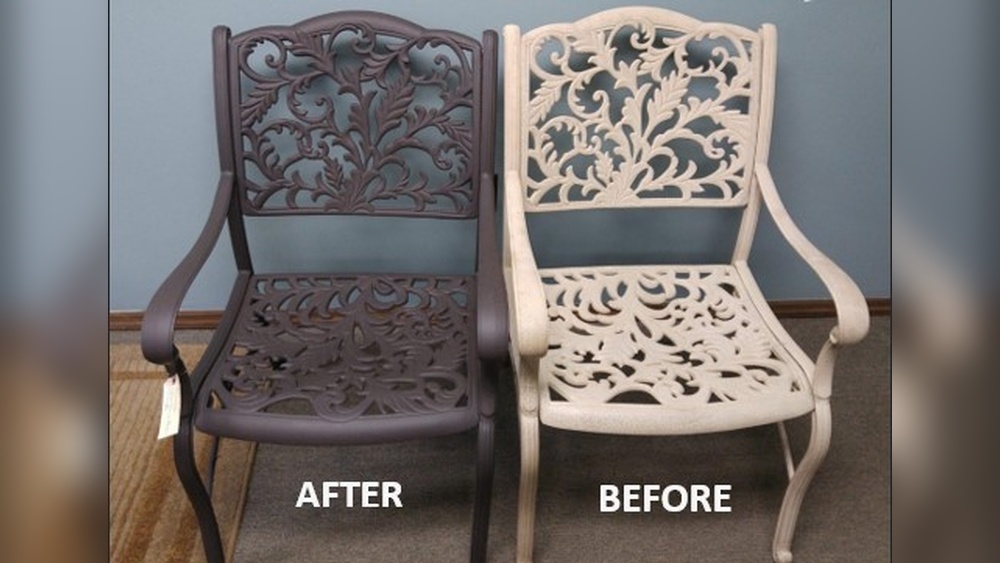
Your outdoor furniture faces the harsh elements every day—sun, rain, wind, and dust. Without the right protection, it can quickly lose its charm and durability.
But what if you could give your furniture a fresh, lasting coat that keeps it looking new and strong for years? You’ll discover simple, effective steps to coat your outdoor furniture like a pro. Whether you want to restore old pieces or protect new ones, these tips will help you save money and enjoy your outdoor space even more.
Ready to transform your furniture and boost its lifespan? Let’s get started!
Credit: patioguys.com
Choosing The Right Coating
Choosing the right coating protects outdoor furniture from weather and wear. The right coating keeps furniture looking fresh and lasts longer. Different materials need different types of coatings. Knowing the material helps pick the best option.
Coatings help prevent rust, fading, cracking, and damage. A good coating also makes cleaning easier. It improves the furniture’s look and value.
Types Of Outdoor Furniture Materials
Outdoor furniture can be made of wood, metal, or plastic. Each material reacts differently to sun, rain, and cold. Wood may crack or rot without protection. Metal can rust or corrode. Plastic might fade or become brittle. Understanding these materials guides the coating choice.
Best Coatings For Wood
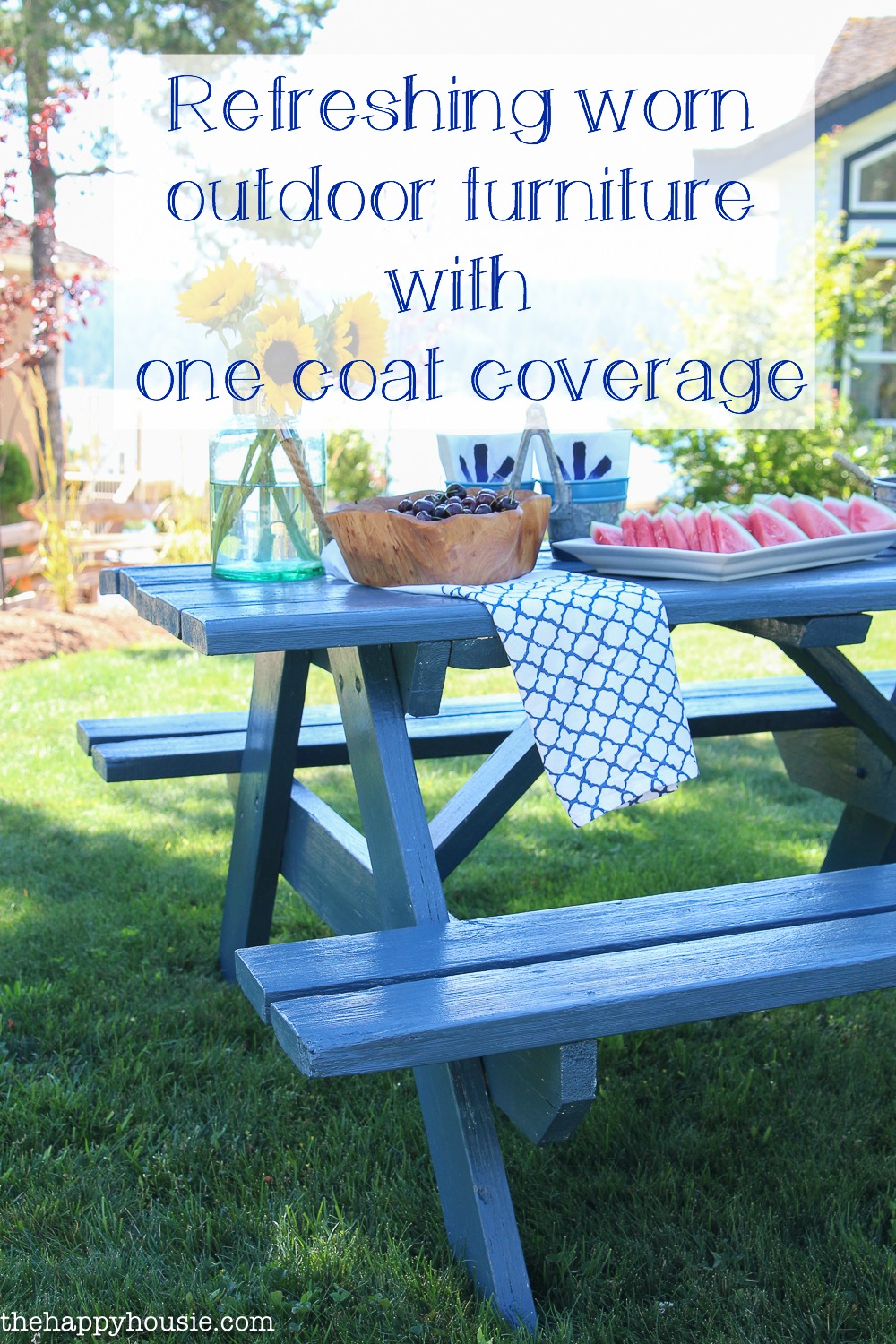
Wood needs coatings that seal and protect from moisture. Use exterior varnish or spar urethane for strong, clear finishes. These coatings resist water and UV rays. Oil-based stains also work well. They soak into the wood and keep it flexible. Avoid coatings that peel easily.
Best Coatings For Metal
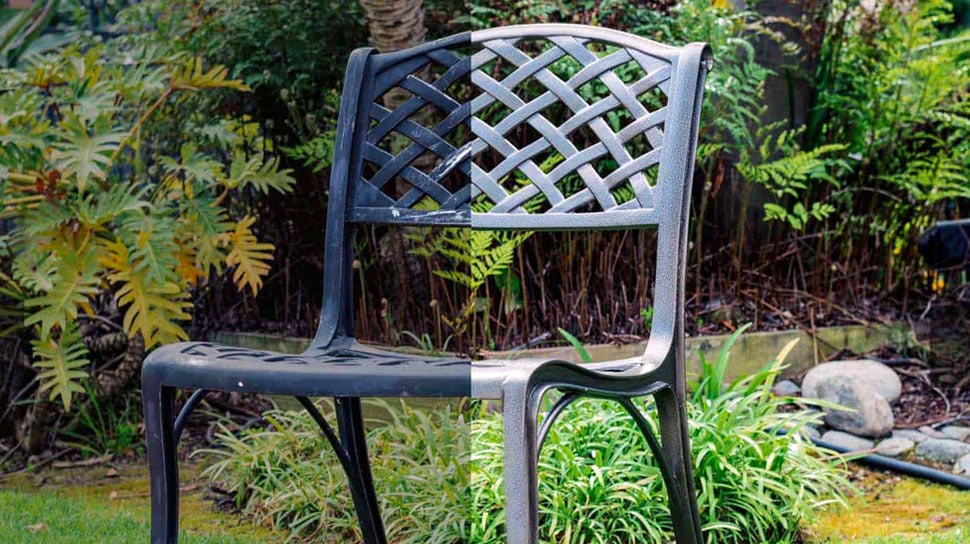
Metal furniture needs coatings that stop rust. Powder coating offers thick, durable protection. Rust-resistant spray paints also work well. Look for coatings with anti-corrosion ingredients. A good coating prevents scratches and fading from sun exposure.
Best Coatings For Plastic
Plastic furniture needs coatings that prevent fading and cracking. Use clear acrylic spray or UV-resistant paint. These coatings protect plastic from sun damage. Avoid thick coatings that peel or crack. Choose flexible coatings that move with the plastic.
Preparing Furniture For Coating
Preparing outdoor furniture for coating is a key step for a smooth and lasting finish. Proper preparation helps the coating stick better and protects the furniture. It also makes the final look neat and beautiful. Spend time cleaning, sanding, repairing, and removing old finishes before applying any new coat.
Cleaning Techniques
Start by removing dirt, dust, and grime from the furniture. Use a soft brush or cloth with warm, soapy water. Scrub gently to avoid damage. Rinse with clean water and let it dry completely. For tough stains or mildew, use a mixture of water and white vinegar. Proper cleaning ensures the coating adheres well and lasts longer.
Sanding And Smoothing Surfaces
Use sandpaper to smooth the furniture’s surface. Start with medium grit to remove rough spots and old paint flakes. Then, use fine grit for a smooth finish. Sand in the direction of the wood grain for best results. This step helps the coating stick better and gives a polished look.
Repairing Damages
Check the furniture for cracks, holes, or loose parts. Fill small cracks with wood filler and let it dry. Sand the filled areas until smooth. Tighten screws and fix any loose joints. Repairing damages prevents further wear and keeps the furniture strong before coating.
Removing Old Finishes
Old paint or varnish can stop new coatings from sticking. Use a chemical paint stripper or sand to remove old finishes. Follow safety instructions carefully when using chemicals. Make sure the surface is clean and dry after removal. This step creates a fresh base for the new coating.
Application Techniques
Applying a protective coating to outdoor furniture requires the right techniques. Proper application ensures a smooth finish and long-lasting protection. This section explains how to apply coatings effectively. Follow these steps for the best results.
Tools And Materials Needed
- Paintbrushes or foam brushes
- Rollers for larger surfaces
- Sandpaper (medium and fine grit)
- Clean cloths or rags
- Protective gloves
- Drop cloth or newspaper to protect the floor
- Primer (if needed)
- Outdoor paint or sealant
- Stir sticks
Step-by-step Coating Process
Start by cleaning the furniture thoroughly. Remove dust, dirt, and old paint. Sand the surface to smooth rough spots. Wipe off sanding dust with a damp cloth.
Apply a primer if the furniture is bare wood or metal. Let it dry completely. Stir the paint or sealant well. Use a brush or roller to apply the first coat evenly. Work in the direction of the wood grain or surface texture.
Allow the first coat to dry fully. Lightly sand the surface before the next coat. Apply a second coat for better protection. Some projects may require a third coat for durability.
Tips For Even Coverage
Use smooth, steady strokes during application. Avoid overloading the brush or roller with paint. Thin layers dry faster and reduce drips. Check for missed spots and touch up immediately. Work in a shaded, dust-free area if possible. Rotate the furniture to reach all sides easily.
Drying And Curing Times
Drying time varies by product and weather conditions. Most outdoor paints dry to touch within 1-2 hours. Wait at least 24 hours before applying additional coats. Full curing can take up to 7 days. Avoid using the furniture until the coating cures fully. This ensures maximum protection and durability.
Credit: www.thehappyhousie.com
Maintenance And Touch-ups
Keeping outdoor furniture looking fresh needs regular care. Maintenance and touch-ups protect your investment. They extend the life of coatings and keep surfaces smooth. Small problems fixed early stop bigger damage later.
This section guides you through easy steps. Simple cleaning, quick repairs, and proper seasonal care help your furniture stay beautiful year-round.
Regular Cleaning Tips
Clean furniture every few weeks to remove dirt and dust. Use a soft brush or cloth with mild soap and water. Avoid harsh chemicals that can damage the coating. Rinse well and dry with a clean cloth. Regular cleaning prevents buildup that wears down the finish.
Spot Repair Methods
Check furniture for scratches or chips often. Lightly sand rough spots with fine sandpaper. Apply a small amount of matching coating to damaged areas. Let it dry fully before using the furniture again. Spot repairs stop rust and further paint peeling.
Reapplying Coating
Recoat furniture every 1-2 years depending on use and weather. Remove loose paint by sanding or scrubbing. Clean the surface well before applying a new layer. Use thin, even coats for better coverage. Allow enough drying time between coats for best results.
Seasonal Care Advice
Protect furniture before harsh seasons like winter or heavy rain. Cover pieces or store them indoors if possible. Check coatings for cracks and repair before bad weather arrives. Dry furniture fully after rain to avoid moisture damage. Seasonal care keeps coatings strong and furniture safe.
Common Mistakes To Avoid
Coating outdoor furniture protects it from weather and wear. Avoiding common mistakes ensures a smooth, lasting finish. These errors often ruin the look and reduce protection.
Applying Coating In Poor Weather
Never apply coating during rain or high humidity. Wet conditions prevent proper drying and cause bubbles. Cold temperatures also slow the drying process. Choose a dry, mild day for best results.
Skipping Surface Preparation
Surface prep is key for coating to stick well. Dirt, old paint, or rust stops the coating from bonding. Sand and clean the furniture before painting. Skipping prep leads to peeling and flaking later.
Using Incompatible Products
Use products designed for your furniture type. Wood, metal, and plastic need different coatings. Mixing products can cause cracking or poor adhesion. Read labels carefully to pick the right coating.
Ignoring Manufacturer Instructions
Follow the instructions on the coating product. They explain drying times and number of coats needed. Ignoring these details causes weak protection and uneven finish. Always use the product as directed.

Credit: hauserspatio.com
Frequently Asked Questions
How Do I Prepare Outdoor Furniture For Coating?
Clean the furniture thoroughly to remove dirt and debris. Sand the surface to ensure the coating adheres well. Remove old paint or finish if necessary. Allow it to dry completely before applying the new coat.
What Type Of Coating Is Best For Outdoor Furniture?
Use weather-resistant coatings like exterior paint, polyurethane, or marine varnish. These protect against moisture, UV rays, and temperature changes. Choose coatings suitable for the furniture’s material, like wood, metal, or plastic.
How Many Coats Should I Apply On Outdoor Furniture?
Apply two to three coats for optimal protection. Allow each coat to dry fully before applying the next. Multiple coats enhance durability and resistance against weather damage.
Can I Coat Outdoor Furniture Myself Safely?
Yes, with proper preparation and safety gear, you can coat furniture yourself. Work in a well-ventilated area and use gloves and masks. Follow product instructions carefully for best results.
Conclusion
Coating outdoor furniture keeps it safe from sun and rain. It also stops wood or metal from wearing out fast. A good coat makes furniture look fresh and new longer. Clean and dry your furniture before applying any coating. Choose the right paint or sealant for your material.
Regular touch-ups will help your furniture last many seasons. Enjoy your outdoor space with strong, protected furniture. Small efforts bring big benefits for your garden or patio. Keep your furniture looking great with simple care steps.

