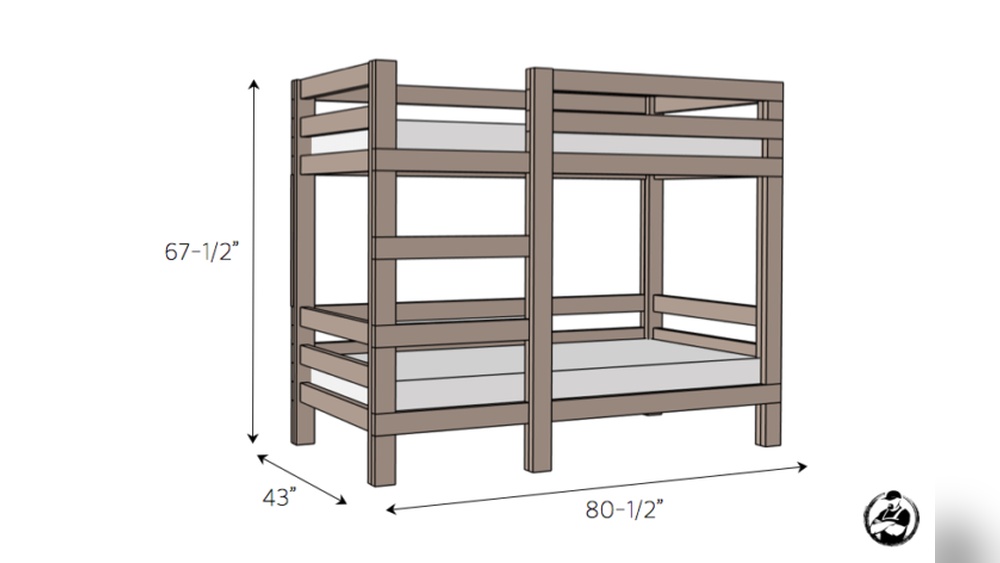
Are you looking to make more space in your room without buying a new bed? Converting your bunk bed into a loft bed could be the perfect solution.
Not only will this give you extra floor space for a desk, play area, or storage, but it can also transform the entire look of your room. If you’re wondering how to do it safely and easily, you’re in the right place.
Keep reading to discover simple steps and smart tips that will help you turn your bunk bed into a stylish and functional loft bed—without the headache. Your room upgrade starts here!

Credit: ikeahackers.net
Tools And Materials Needed
Converting a bunk bed to a loft bed needs the right tools and materials. Having these ready will make the process smoother and safer. This guide lists what to prepare before starting the project.
Basic Tools
Gather common tools like a drill, screwdriver, and measuring tape. A power drill speeds up assembly. Screwdrivers help tighten screws firmly. Measuring tape ensures accurate cuts and fits. A level keeps the bed frame balanced. A wrench or socket set may be needed for bolts.
Materials For The Frame
Use sturdy wood or metal parts from the existing bunk bed. Additional wood boards can add height or support. Choose quality screws and bolts that fit the frame. Sandpaper smooths rough edges for safety. Paint or finish protects the wood and improves look.
Safety Equipment
Wear safety goggles to protect your eyes from dust and debris. Gloves protect hands while handling tools and wood. Keep a first aid kit nearby for minor cuts or scrapes. Use a sturdy ladder to reach high areas safely.
Safety Precautions
Safety is the top priority when converting a bunk bed to a loft bed. The bed will be higher off the ground. This change can increase the risk of falls and injuries.
Taking proper safety precautions helps protect everyone using the bed. It also ensures the bed stays strong and stable over time.
Check Bed Frame Stability
Start by inspecting the bed frame. Look for loose screws or weak joints. Tighten all connections firmly. Use a level to confirm the frame is even. A sturdy frame prevents wobbling and collapse.
Install Guardrails
Guardrails are essential on a loft bed. Install them on all open sides. Rails should be at least five inches above the mattress. This prevents rolling off during sleep. Use strong materials that can hold weight.
Secure Ladder Placement
Place the ladder in a safe, easy-to-reach spot. Make sure it attaches tightly to the bed frame. Check the ladder’s angle to avoid slipping. Ladder steps should be wide and non-slip for safe climbing.
Use Proper Mattress Size
Choose a mattress that fits the bed frame exactly. A mattress that is too thick or too thin can be unsafe. It might reduce guardrail effectiveness or cause instability.
Inspect Regularly
Check the bed often after conversion. Look for any loose parts or damage. Tighten screws and fix issues immediately. Regular checks keep the loft bed safe for use.
Removing The Lower Bed
Removing the lower bed is the first step to convert a bunk bed into a loft bed. This step clears space under the top bed. It also makes the structure lighter and easier to move. Care is needed to avoid damage to parts that will stay.
Work slowly and keep all screws and small pieces safe. This helps in future adjustments or repairs. The main tasks include taking off the mattress and frame, and handling the supports.
Detaching The Mattress And Frame
Start by removing the mattress from the lower bed. Set it aside in a clean, dry place. Next, locate the screws or bolts holding the bed frame. Use the right tools to unscrew them carefully. Keep the screws in a small container. Lift the frame gently away from the bed structure. Avoid bending or breaking the frame parts.
Handling Bed Supports
Look for the vertical and horizontal supports holding the lower bed. These may be attached with screws or nails. Unscrew or pry them off with care. Some supports may be part of the bunk bed’s main frame. Do not remove anything that supports the upper bed. Check twice before removing any piece. Store the removed supports safely for later use or disposal.
Reinforcing The Loft Bed Frame
Reinforcing the loft bed frame is a key step when converting a bunk bed. A strong frame keeps the bed safe and steady. It also supports the weight well. Without proper reinforcement, the bed may wobble or become unsafe.
Focus on adding extra support and securing the frame tightly. This will help the loft bed hold up over time. Reinforcement makes the bed last longer and feel solid. Follow these steps for a strong loft bed frame.
Adding Support Beams
Start by placing support beams under the bed platform. Use sturdy wood like 2x4s for strength. Position beams evenly across the frame’s width. This spreads the weight and prevents sagging. Attach beams securely with screws, not nails. Make sure beams fit tightly against the frame. Adding more beams increases stability and safety.
Securing The Bed Frame
Check all joints and corners of the bed frame. Tighten any loose bolts or screws. Use metal brackets at frame corners for extra strength. Screw brackets firmly into the wood. This stops the frame from shifting during use. Double-check the frame’s balance after securing. A solid frame supports the loft bed safely.
Installing Guardrails
Installing guardrails is a key step in converting a bunk bed to a loft bed. Guardrails keep the sleeper safe by preventing falls. Proper installation adds security and comfort. Take care to choose and attach guardrails correctly.
Choosing The Right Guardrails
Select guardrails that fit the bed’s size and style. Look for sturdy materials like wood or metal. The height should be at least 5 inches above the mattress. Ensure the guardrails have no sharp edges. Choose designs that allow easy getting in and out of bed. Check that the guardrails meet safety standards.
Attaching Guardrails Safely
Use strong screws and brackets to fix guardrails tightly. Follow the bed frame’s instructions for mounting points. Avoid gaps bigger than 3.5 inches to stop children from slipping through. Double-check that the guardrails do not wobble or move. Test the guardrails by applying pressure before use. Tighten all hardware regularly to maintain safety.
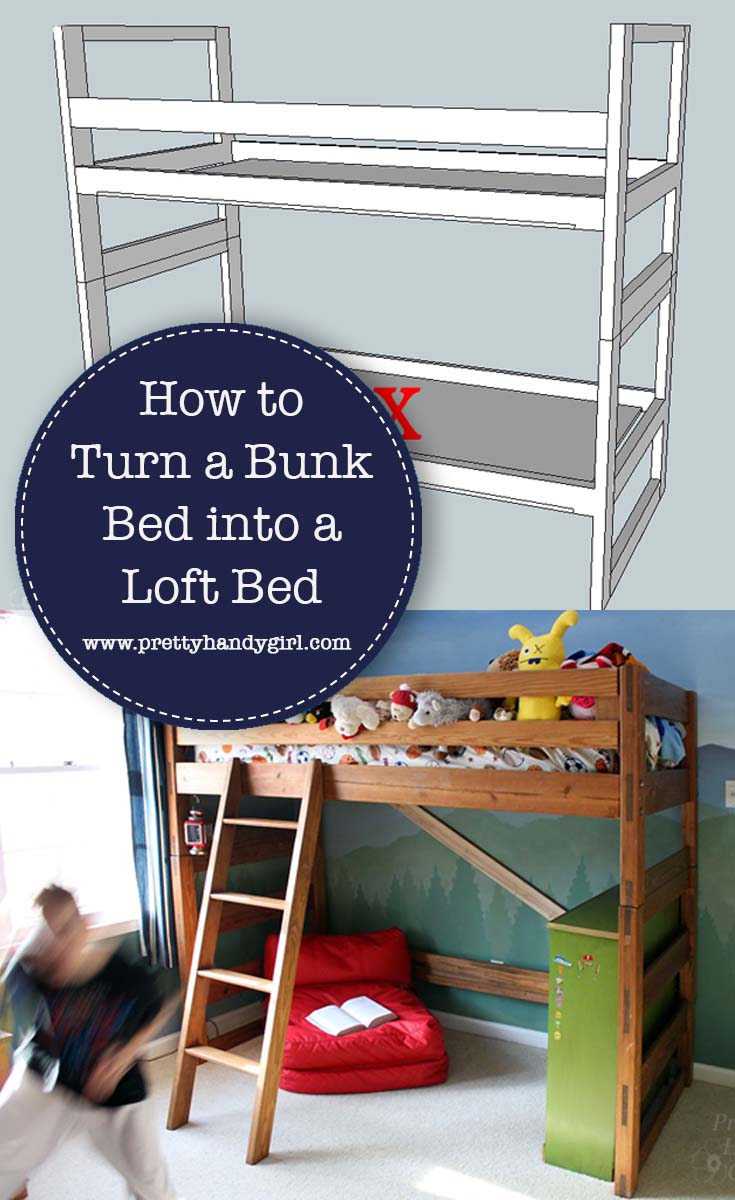
Credit: prettyhandygirl.com
Adjusting The Ladder
Adjusting the ladder is an important step when converting a bunk bed to a loft bed. The ladder needs to fit the new bed height and position. This change helps keep the ladder safe and easy to use. Take your time to make these adjustments carefully. A well-adjusted ladder improves safety and comfort.
Repositioning The Ladder
First, decide where the ladder should go on the loft bed. The ladder can stay on the same side or move to a new spot. Check if the bed frame allows moving the ladder. Mark the new position clearly before drilling any holes. The ladder should be easy to reach from the floor and the bed.
Ensuring Ladder Stability
Secure the ladder firmly to the bed frame. Use strong screws and brackets for support. Test the ladder by applying weight gently. Make sure it does not wobble or shift. Add extra braces if the ladder feels loose. Stability is key to avoid accidents and falls.
Finishing Touches
Finishing touches make your loft bed look complete and safe. They improve the bed’s style and function. Small details create a big difference in the final look. Focus on smooth surfaces and useful additions. These steps give the bed a polished, fresh feel.
Sanding And Painting
Start by sanding all wooden parts. This removes rough edges and splinters. Sanding helps paint stick better. Use fine-grit sandpaper for a smooth finish. Wipe off dust with a dry cloth after sanding.
Choose paint that fits your room’s style. Use a brush or roller to cover the wood evenly. Let the paint dry completely before using the bed. Painting protects the wood and brightens the bed’s look. Pick safe, non-toxic paint for children’s beds.
Adding Storage Or Desk Space
Use the space under the loft bed for storage or work. Add shelves or drawers for books and toys. A small desk fits well under a loft bed. This creates a study area without extra furniture.
Secure shelves and desks firmly to the bed frame. This prevents wobbling and keeps items safe. Choose compact, lightweight furniture to save space. Organize well to keep the area tidy and usable.
Maintenance Tips
Maintaining a loft bed converted from a bunk bed keeps it safe and lasting longer. Regular care prevents wear and tear. It also helps spot problems early. Follow simple steps to keep your loft bed sturdy and secure.
Inspect Joints And Screws Often
Check all joints and screws every month. Tighten any loose screws to avoid accidents. Loose parts can make the bed unstable. Use the right tools to avoid damage.
Clean The Bed Frame Regularly
Dust and dirt can build up on the frame. Wipe the bed with a damp cloth weekly. Avoid harsh chemicals that harm the finish. Keeping it clean helps prevent damage.
Check The Ladder For Safety
Make sure the ladder is strong and steady. Look for cracks or loose parts. Fix or replace any weak steps immediately. A safe ladder prevents falls and injuries.
Protect The Wood Or Metal
Apply a wood polish or metal protector as needed. This keeps the bed looking new. It also adds a layer of defense against wear. Follow product instructions carefully for best results.
Monitor Weight Limits
Keep the weight below the bed’s limit. Overloading stresses the frame and joints. Spread weight evenly to avoid damage. This ensures the bed stays safe to use.

Credit: cratedesignsfurniture.com
Frequently Asked Questions
How Do You Safely Convert A Bunk Bed To A Loft Bed?
First, remove the lower bunk and guardrails carefully. Ensure the upper bed frame is stable and secure. Use proper tools and follow manufacturer guidelines for safety. Check weight limits and reinforce the frame if needed. Always test stability before regular use.
What Tools Are Needed To Convert A Bunk Bed To Loft?
You typically need a screwdriver, wrench, and Allen keys. A drill may help for reinforcements or adjustments. Safety gear like gloves and goggles is recommended. Always check the bed’s manual for specific tools and hardware requirements.
Can Any Bunk Bed Be Turned Into A Loft Bed?
Not all bunk beds can convert to loft beds. Conversion depends on design and manufacturer instructions. Some beds lack structural support for loft use. Always verify compatibility before attempting conversion to ensure safety and durability.
How Much Space Is Saved By Converting To A Loft Bed?
Converting to a loft bed frees up floor space beneath the bed. This space can be used for storage, a desk, or play area. Typically, it saves around 15 to 20 square feet, making small rooms more functional.
Conclusion
Converting a bunk bed to a loft bed saves space and adds style. It makes the room feel bigger and more open. You just need a few tools and some basic steps. This project is perfect for a small bedroom or play area.
Take your time and follow safety tips closely. A loft bed creates extra room underneath for storage or a desk. Try this change to make your space work better for you. Simple, smart, and practical.