Are your outdoor cushions looking worn or soggy after every rain? You don’t have to replace them just yet.
Covering your cushions with wading fabric is a simple, affordable way to protect them from moisture and extend their life. In this guide, you’ll learn easy steps to keep your outdoor furniture cushions dry, fresh, and ready for any season.
Stick with me, and you’ll discover how a small change can save you time, money, and frustration. Ready to give your cushions the protection they deserve? Let’s dive in!

Credit: plankroad.com
Choosing The Right Wading Material
Choosing the right wading material is key for covering outdoor cushions. The right fabric protects cushions from rain, dirt, and sun. It also helps cushions last longer. Picking the best material depends on several factors. These include the fabric type, how waterproof it is, and its breathability. Each factor affects the comfort and protection of your cushions.
Types Of Wading Fabric
Wading fabrics come in many types. Common ones include polyester, nylon, and vinyl. Polyester is strong and dries fast. Nylon is light and resists wear. Vinyl offers good waterproofing but may not breathe well. Each fabric has benefits and limits. Choose a fabric that fits your outdoor needs.
Waterproof Vs Water-resistant
Waterproof fabrics keep water out completely. They protect cushions during heavy rain. Water-resistant fabrics block light water. They work well for small spills or dew. Waterproof is best for very wet areas. Water-resistant is enough for mild weather. Balance protection and comfort when choosing.
Durability And Breathability
Durability means the fabric lasts long outside. Look for fabrics that resist tears and sun damage. Breathability lets air flow through fabric. This stops mold and mildew inside cushions. Durable and breathable fabrics keep cushions fresh. Both qualities improve cushion comfort and life.
Measuring Your Cushion
Measuring your cushion is the first step to covering it with wading. Precise measurements help you cut the right amount of fabric. This avoids waste and ensures a snug fit. Taking careful measurements sets a strong base for the entire project.
Taking Accurate Dimensions
Start by measuring the length and width of the cushion. Use a tape measure for accuracy. Measure at the widest points to capture the full size. Don’t forget to measure the thickness or height of the cushion. Write down each number clearly. Double-check your measurements before moving on.
Allowing For Seam And Overlap
Add extra fabric for seams and overlap. Usually, add about 2 to 3 inches on each side. This space helps when sewing the cover together. It also allows the fabric to wrap around edges neatly. Without extra fabric, the cover may be too tight or short. Plan for this before cutting the wading.
Cutting The Wading
Cutting the wading correctly is a key step in covering cushions for outdoor furniture. This step ensures the wading fits well and provides the right support. Accurate cutting prevents waste and helps the cushion last longer. It also makes the next steps easier and the final result neat.
Tools Needed For Cutting
Sharp scissors or a utility knife work best for cutting wading. A measuring tape helps get exact sizes. Use a marker or chalk to draw cutting lines. A flat surface makes cutting easier and safer. Having these tools ready speeds up the process and improves accuracy.
Tips For Precise Cuts
Measure twice before cutting to avoid mistakes. Mark the wading clearly with straight lines. Cut slowly and follow the marked lines closely. Keep the wading flat and smooth while cutting. Use long, even strokes with scissors or the knife. These tips help create clean edges and fit the cushion perfectly.
&qlt=85&resMode=sharp2&op_usm=1.75,0.3,2,0)
Credit: www.orvis.com
Sewing Techniques For Waterproof Covers
Sewing waterproof covers for outdoor cushions takes careful technique. The right stitches keep water out and cushions dry. Strong seams prevent leaks and damage. Choosing proper thread and fasteners helps protect your cushions from rain and dirt.
Using the correct sewing methods makes your covers last longer. It also keeps them looking neat and tidy. Simple steps create effective, water-resistant cushion covers you can use outside.
Seam Types For Water Resistance
Flat-felled seams are a popular choice for waterproof covers. They lay flat and stop water from seeping through. Another option is French seams. These fully enclose raw edges and add extra protection. Both seam types create strong, neat finishes that resist moisture.
Double stitching along seams increases strength and water resistance. Tight stitches reduce gaps where water can enter. Avoid loose or wide stitches to keep cushions dry.
Using Waterproof Thread
Use polyester or nylon thread for sewing waterproof covers. These threads resist moisture and hold up well outdoors. Waxed thread adds extra water resistance and durability. Avoid cotton thread because it absorbs water and weakens over time.
Thread strength matters. Choose thick thread for tough, long-lasting seams. This prevents thread breakage during use and washing.
Adding Zippers Or Velcro Closures
Zippers allow easy removal of covers for cleaning. Use waterproof or plastic zippers to avoid rust and leaks. Sewing zippers with a tight seam stops water entry along the zipper line.
Velcro is a simple, quick closure option. Sew strong Velcro strips with reinforced stitching. Place Velcro strips close together to create a tight seal. Both closures keep water out and cushions secure.
Alternative No-sew Methods
Covering cushions with wading for outdoor furniture does not always require sewing. Alternative no-sew methods save time and simplify the process. These methods work well for beginners or anyone without sewing tools. Two popular no-sew options include using fabric glue and heat sealing techniques. Both provide durable and neat results for outdoor cushions.
Using Fabric Glue
Fabric glue is a quick and easy way to attach wading to cushions. Choose a waterproof glue made for fabrics to ensure durability. Apply the glue evenly along the edges of the wading. Press the fabric firmly onto the glued area. Let it dry completely before using the cushion outside. This method avoids holes or stitches that may let water in. It also keeps the cover smooth and clean.
Heat Sealing Techniques
Heat sealing uses heat to bond fabric layers without sewing. It works best with synthetic fabrics and wading. Use a heat sealer or an iron with a pressing cloth. Place the wading and fabric together. Apply heat for a few seconds to melt the edges slightly. This creates a strong, water-resistant seal. Heat sealing prevents fraying and keeps the cushion cover tight. Always test on a small area first to avoid damage.
Maintaining Your Wading Covers
Maintaining your wading covers is key to protecting outdoor cushions. Proper care keeps covers durable and looking fresh. Simple steps extend their life and save money.
Cleaning Tips
Clean wading covers regularly to remove dirt and stains. Use mild soap and lukewarm water. Gently scrub with a soft brush or cloth. Avoid harsh chemicals that can damage fabric. Let covers air dry completely before using again.
Storing During Off-season
Store covers in a dry, cool place when not in use. Make sure covers are clean and fully dry to prevent mold. Fold them loosely to avoid creases. Use a breathable storage bag to keep air flowing. Avoid storing in plastic bags that trap moisture.
Repairing Minor Damages
Fix small tears or holes quickly to stop them from growing. Use fabric glue or patch kits made for outdoor fabrics. Apply patches on both sides for extra strength. Regularly check covers for wear and tear. Early repairs keep covers in good shape longer.
Additional Waterproofing Tips
Keeping outdoor cushions dry extends their life and comfort. Besides using wading, other waterproofing methods help protect cushions from rain and moisture. These tips add extra defense against water damage.
Applying Waterproof Sprays
Waterproof sprays create a barrier on cushion fabric. Spray evenly over the entire surface for full coverage. Allow the spray to dry completely before using the cushions. Reapply every few months for best results. Choose sprays safe for outdoor fabrics to avoid damage.
Using Protective Liners
Protective liners go between the cushion and the cover. They block water from reaching the cushion filling. Use liners made from waterproof materials like vinyl or plastic. Cut liners to fit the cushion size exactly. Liners are easy to remove and clean, keeping cushions fresh and dry.
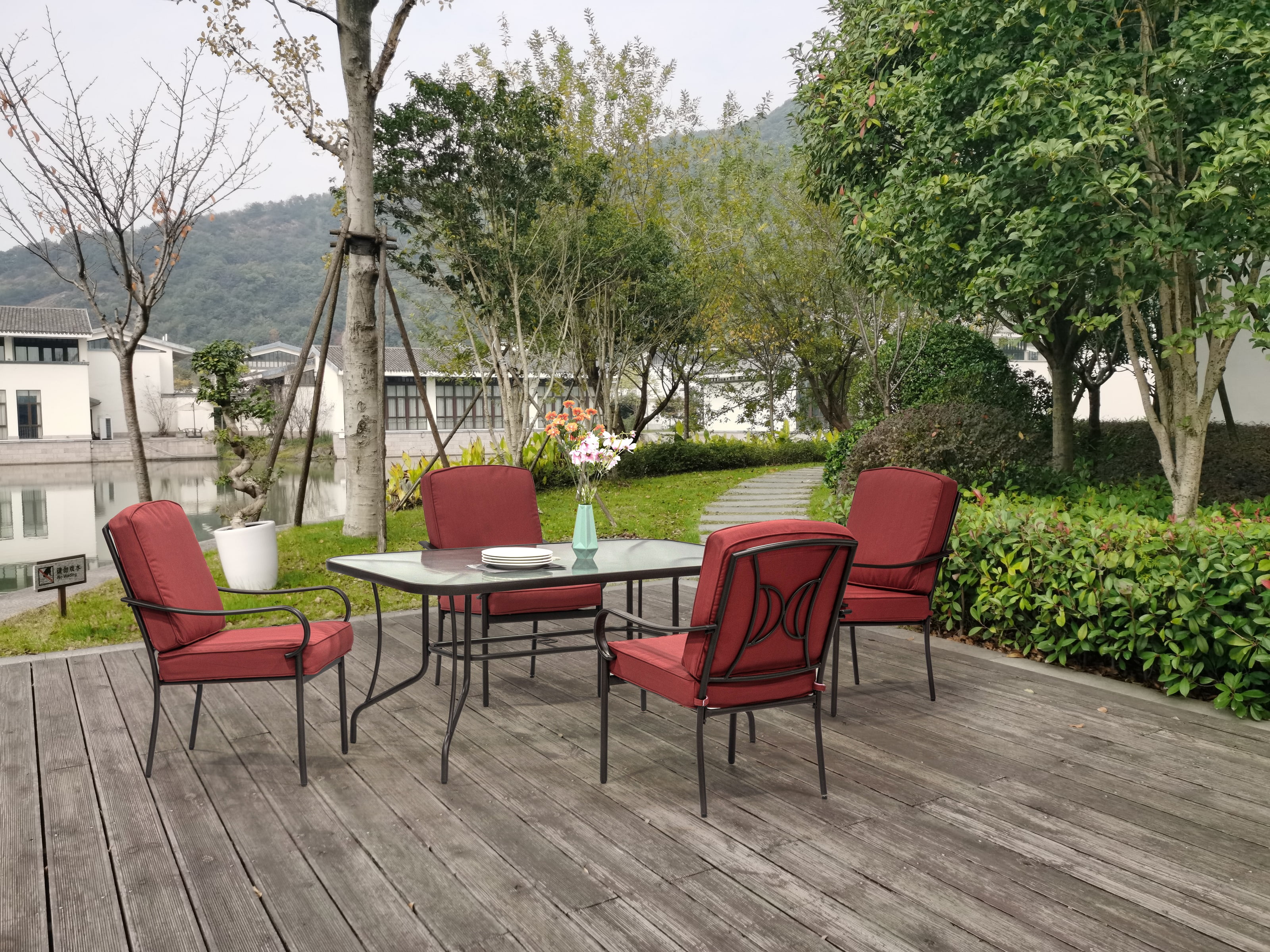
Credit: www.walmart.com
Frequently Asked Questions
What Is Wading Fabric For Outdoor Cushions?
Wading fabric is a durable, water-resistant material used to protect outdoor cushions. It helps prevent moisture damage and mold growth. Using wading extends cushion life and keeps them dry in various weather conditions.
How Do I Cover Cushions With Wading?
To cover cushions, cut wading fabric slightly larger than the cushion. Wrap it tightly around and secure with waterproof adhesive or sewing. Ensure edges are sealed to prevent water seepage and maintain cushion comfort.
Can Wading Fabric Improve Cushion Durability?
Yes, wading fabric adds a protective layer against water and wear. It reduces exposure to elements, preventing fabric rot and fading. This increases the outdoor cushion’s lifespan significantly.
Is Wading Fabric Breathable For Outdoor Cushions?
Wading fabric is somewhat breathable but mainly designed to repel water. It balances moisture protection and airflow to avoid mildew. Proper installation ensures cushions stay dry yet ventilated.
Conclusion
Covering cushions with wading helps protect them from rain and dirt. It keeps your outdoor furniture dry and comfortable. The process is simple and saves money by extending cushion life. Use the right materials and follow each step carefully. This small effort makes your outdoor space look neat and inviting.
Enjoy your furniture longer with easy cushion care.