Your bookshelf is more than just a place to hold books—it’s a chance to bring life and personality into your space. Adding plants to your shelves can transform a simple setup into a refreshing, vibrant display.
Imagine the calming green leaves brightening your room and making your favorite reads even more inviting. If you want to learn easy and stylish ways to decorate your bookshelf with plants, you’re in the right place. Keep reading, and discover simple tips that will make your shelves stand out and feel alive.
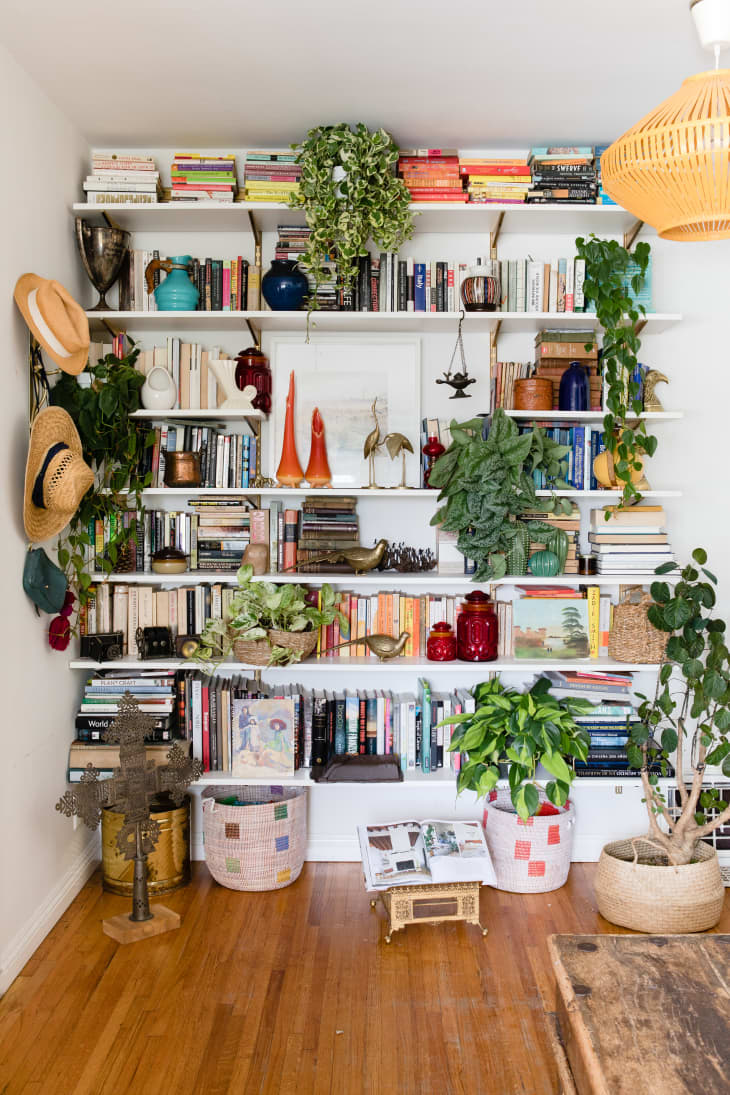
Credit: www.apartmenttherapy.com
Choosing The Right Plants
Choosing the right plants is key to decorating a bookshelf beautifully. The right plants add life and color. They also fit the space and light available. This guide helps you pick plants that thrive and look great on your shelves.
Low-maintenance Options
Pick plants that need little care. Snake plants and pothos work well. They survive with minimal water and light. Succulents are good too. These plants are perfect if you have a busy schedule. They keep your shelf green without much effort.
Plants For Different Light Conditions
Know the light your bookshelf gets. Some plants need bright light. Others do fine in low light. Spider plants and philodendrons grow well in low light. Aloe and jade plants need bright light. Choose plants based on your room’s lighting to keep them healthy.
Size And Growth Considerations
Think about how big the plants will grow. Small plants fit tight spaces better. Avoid plants that grow too tall or wide. Place fast-growing plants where you can trim them. Keep your shelf balanced with plants that match its size.
Plant Placement Ideas
Plants bring life and color to a bookshelf. Proper plant placement can change the whole look. It makes the space feel fresh and inviting. Using the right spots for your plants helps balance the shelf’s style. Here are some ideas to place plants on your bookshelf beautifully.
Balancing Plants With Books
Place plants next to books to create a balanced look. Use small plants on top of book stacks. Larger plants can go on empty shelf spaces. Keep some shelves full of books and others with plants. This mix avoids a crowded or empty feel. Balance helps both plants and books stand out.
Using Hanging Plants
Hanging plants add height and interest to shelves. Use small hooks or brackets under the shelves. Let the plants trail down gently. This draws the eye and softens the shelf edges. Hanging plants save space on the shelf surface. They also add a natural, flowing look to your decor.
Creating Layers And Depth
Arrange plants at different heights and distances. Place some plants at the back and some in front. Use plant stands or small pots to raise some plants. Layering adds depth and makes the shelf more dynamic. It creates a natural, lush look. This method avoids a flat, boring shelf display.
Pot Styles And Materials
Choosing the right pot style and material is key to decorating a bookshelf with plants. Pots do more than hold soil and roots. They add color, texture, and character to your shelf. The style and material can match your room’s look or stand out as a focal point.
Consider how pots blend with your room’s design. Think about the feel you want. Soft and natural? Sleek and modern? Different pots create different moods.
Matching Pots To Decor
Pick pot styles that fit your room’s theme. For a rustic room, use clay or terracotta pots. They have a warm, earthy look. Modern rooms suit pots with clean lines and smooth surfaces. White or black ceramic pots work well.
Match pot colors to your shelf or wall color. Neutral colors keep the look calm and simple. Bright colors add fun and energy. Small pots should not overpower the plants or shelf.
Mixing Textures And Colors
Mix different pot textures to add interest. Combine rough terracotta with smooth ceramic. Add woven baskets for a soft touch. This mix creates a lively, layered look.
Use color to create harmony or contrast. Soft greens and browns blend well with plants. Bright pots draw the eye to special plants. Balance bold colors with neutral ones for a pleasing look.
Creative Container Alternatives
Think beyond traditional pots. Old mugs, tin cans, or glass jars can hold plants. These containers add charm and personality.
Wooden boxes or small baskets make cozy homes for plants. Use containers that fit the plant size. Make sure they have drainage or add a layer of stones.
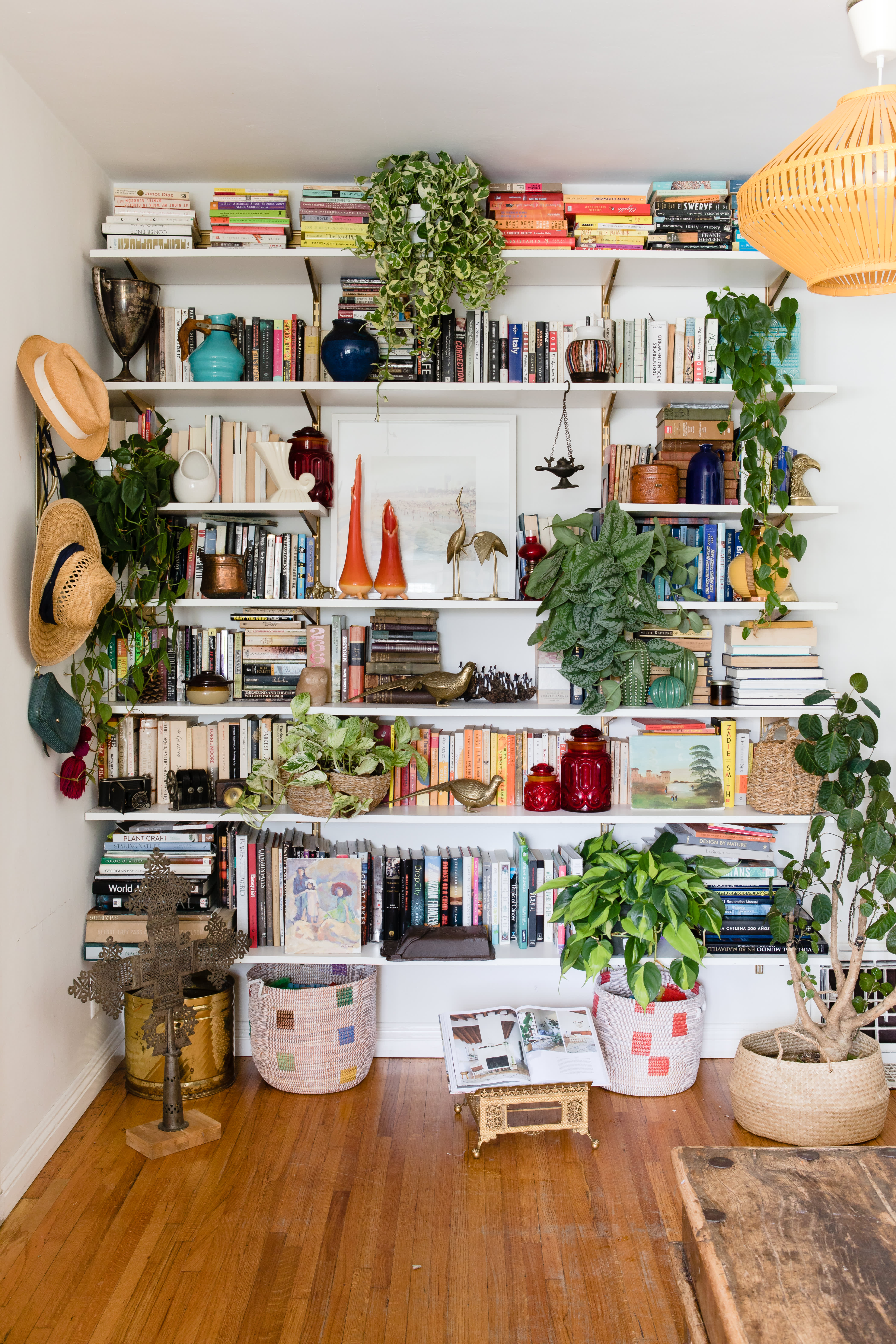
Credit: www.apartmenttherapy.com
Combining Plants With Decorative Items
Combining plants with decorative items adds life and character to your bookshelf. Plants bring freshness and a natural vibe. Decorative pieces give style and personality. Together, they create a balanced and attractive display.
Mixing these elements carefully keeps the shelf interesting. The green of plants contrasts well with colorful art or textured objects. This mix makes the shelf a focal point in any room.
Incorporating Art And Sculptures
Small paintings or framed prints add color behind the plants. Sculptures bring shape and depth. Place these items near plants to highlight both. Keep art pieces simple to not overpower the greenery. Use sculptures with smooth lines for a calm look.
Using Books As Plant Stands
Stack books to raise plants off the shelf surface. This adds height and layers to your display. Choose books with attractive covers or spines. Arrange them horizontally or vertically for variety. This method saves space and blends plants with your book collection.
Adding Personal Touches
Include items that show your personality. Family photos, souvenirs, or handmade crafts work well. These pieces make the shelf feel unique and warm. Place them near plants to create a cozy corner. Personal touches keep the display meaningful and inviting.
Maintenance Tips For Healthy Plants
Keeping plants healthy on your bookshelf needs regular care. Plants need the right water, light, and cleaning to stay fresh. Simple habits help plants grow well and look great among your books. Follow these easy tips to keep your plants happy and your shelf lively.
Watering Best Practices
Check the soil before watering. It should feel dry on top. Water only when needed to avoid root rot. Use a small watering can to control the amount. Drain excess water to stop soggy soil. Plants on shelves often need less water than floor plants. Adjust watering based on the plant type and room light.
Pruning And Cleaning
Trim dead or yellow leaves to keep plants neat. Pruning helps new leaves grow stronger. Wipe leaves gently with a damp cloth to remove dust. Dust blocks sunlight and slows growth. Use clean scissors to avoid infections. Regular cleaning keeps plants bright and healthy.
Dealing With Pests
Watch for small bugs like spider mites or aphids. They can harm your plants quickly. Remove pests by wiping leaves with soapy water. Use natural sprays if bugs return often. Keep plants isolated if you spot pests to stop spreading. Healthy plants resist pests better.

Credit: tobebright.com
Frequently Asked Questions
What Plants Are Best For Decorating Bookshelves?
Succulents, pothos, and small ferns work well on bookshelves. These plants need minimal sunlight and space. They add greenery without overwhelming your decor. Choose plants that thrive indoors and require low maintenance for easy care.
How To Arrange Plants On A Bookshelf Effectively?
Place taller plants on top shelves and smaller ones below. Mix plant sizes to create visual interest. Use decorative pots to match your style. Ensure plants get enough light by rotating their positions regularly.
Can Plants Improve Air Quality On Bookshelves?
Yes, many indoor plants like snake plants and pothos purify air. They remove toxins and increase oxygen levels. Adding these plants to bookshelves enhances both aesthetics and air quality in your room.
How To Care For Plants On Bookshelves?
Water plants according to their specific needs. Avoid overwatering to prevent damage to books. Use well-draining pots and check soil moisture regularly. Rotate plants to ensure even light exposure for healthy growth.
Conclusion
Decorating a bookshelf with plants brings life and color to any space. Plants add freshness and soft shapes among books. Choose small pots to fit shelves easily. Mix different types of plants for a nice look. Water and light keep plants healthy and bright.
This simple touch can make your room feel warm. Try adding plants today to enjoy a calm, green space. A little effort creates a big change in your home’s mood.