Are you stuck wondering how to delete a table right from your Rails console? Maybe you need to clear out old data fast or fix a mistake without leaving your command line.
Whatever your reason, knowing the exact steps to remove a table safely and efficiently can save you time and prevent headaches. In this guide, you’ll discover simple, clear instructions to delete a table in Rails console — no confusing jargon, just what you need to get it done quickly.
Keep reading, and you’ll master this essential skill in no time.

Credit: www.amazon.com
Rails Console Basics
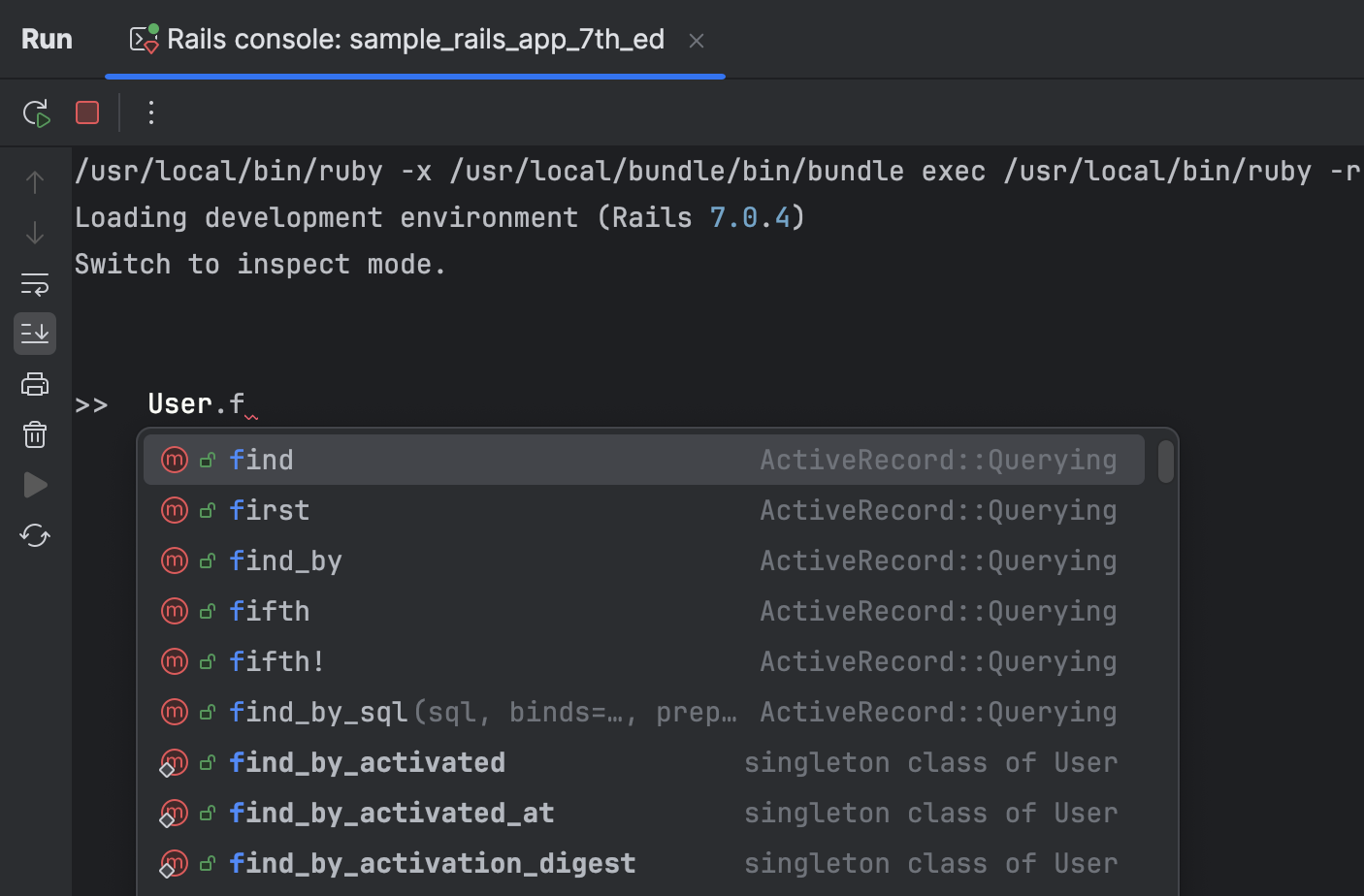
The Rails console is a powerful tool for developers. It allows you to interact directly with your Rails app’s data and code. Using the console, you can test commands, access the database, and manage your app easily. Understanding its basics is essential before deleting tables or making changes.
Starting The Rails Console
Open your terminal or command prompt. Navigate to your Rails project folder. Type rails console or rails c. Press Enter. The console will load, showing a prompt where you can type commands. You are now inside the Rails environment.
Navigating The Console Environment
The console uses Ruby syntax to interact with your app. You can run commands to query or update the database. Use model names to access tables. For example, User.all fetches all users. Type exit to leave the console. Practice simple commands to get comfortable.

Credit: runnin4tacos.com
Locating Your Table
Before deleting a table in Rails console, find the exact table first. Knowing its location helps avoid mistakes. Rails apps use models linked to database tables. These tables store app data. Finding the right table ensures you delete the correct data.
Identifying The Table Name
Rails tables usually follow a naming pattern. The table name is the plural form of the model name. For example, the model User connects to the users table. Check your model files in the app/models folder. The class name there tells you the model name. Use this to find your table name quickly.
Checking Table Associations
Tables often link to others through associations. These links affect how data depends on each other. Check your model’s associations like has_many or belongs_to. They show related tables. Knowing these links helps avoid deleting important connected data. Use Rails console commands or check model files to see these associations clearly.
Deleting A Table Via Migration
Deleting a table in Rails is often done through a migration. This method keeps your database changes organized and reversible. Using migrations helps you track changes and maintain the database structure safely.
Migrations are Ruby files that describe changes to the database. To remove a table, you create a migration that drops it. This process is clean and integrates well with Rails’ workflow.
Creating A Migration To Drop Table
Start by generating a new migration with a clear name. Use the Rails command:
rails generate migration DropTableNameReplace TableName with the actual table name you want to delete.
Inside the generated migration file, add the command to drop the table:
def change drop_table :table_name endThis code tells Rails to remove the specified table from the database.
Running The Migration
After creating the migration, apply it by running:
rails db:migrateThis command updates the database and drops the table.
Always check the database after migration to confirm the table is gone.
Deleting Records Directly In Console
Deleting records directly in the Rails console is a quick way to manage your database. It helps you remove unwanted data without writing extra code. This method suits developers who want to clean or reset tables fast. You can delete all records or just a few specific ones.
The Rails console uses ActiveRecord, which makes deleting simple and safe. You type commands, and Rails handles the rest. This section shows how to delete records step by step.
Using Activerecord To Delete All Records
To delete all records in a table, use the destroy_all or delete_all method. destroy_all runs callbacks and deletes each record one by one. delete_all is faster but skips callbacks.
Example:
ModelName.destroy_all ModelName.delete_all Replace ModelName with your table’s model name. Use destroy_all if you want callbacks to run. Use delete_all for speed when callbacks are not needed.
Deleting Specific Records
To remove specific records, find them first. Use find, where, or find_by. Then call destroy or delete.
Example deleting one record by ID:
record = ModelName.find(1) record.destroy Example deleting multiple records matching a condition:
ModelName.where(status: 'inactive').destroy_all Use destroy or destroy_all to run callbacks. Use delete or delete_all to skip them.
Dropping Tables With Raw Sql
Dropping tables with raw SQL in the Rails console allows direct control over the database. This method bypasses Rails migrations and executes SQL commands instantly. It is useful for quick table removal during development or testing. Use this method carefully to avoid data loss or errors.
Executing Sql Commands In Rails Console
Open the Rails console by running rails console in your terminal. Use the ActiveRecord::Base.connection.execute method to run raw SQL commands. For example, to drop a table, type:
ActiveRecord::Base.connection.execute("DROP TABLE table_name;")Replace table_name with the actual name of your table. This command immediately removes the table from the database.
Risks And Precautions
Dropping tables with raw SQL can delete all data without recovery. Make sure to back up important data before running commands. This method skips Rails validations and callbacks. Avoid using it on production databases unless absolutely necessary. Double-check the table name to prevent accidental deletion.
Common Errors And Fixes
Deleting a table in the Rails console is straightforward. Yet, errors can occur during the process. These errors often confuse beginners and slow down progress. Knowing common errors helps fix them quickly. This section covers typical problems and easy solutions.
Handling Permission Issues
Permission errors happen when the database user lacks rights. The console may show “permission denied” or “access denied” messages. Check the database user’s privileges first. Grant the user permission to drop tables using your database admin tool. Restart the Rails console after changing permissions. Try deleting the table again. This fix usually solves permission problems fast.
Resolving Table Not Found Errors
The “table not found” error means the table name is incorrect or missing. Confirm the exact table name in your database. Table names are case-sensitive in some systems. Use the correct case and spelling. Run ActiveRecord::Base.connection.tables to list all tables. Verify the table exists before deleting. Fix any typos or wrong names. This step prevents unnecessary errors in the console.
Best Practices For Table Deletion
Deleting a table in Rails console is a powerful action. It removes all data and structure linked to that table. Best practices help you avoid data loss and errors. They protect your application and make your work safer.
Following these steps ensures the process is smooth. It also helps keep your data secure. Careful planning and testing reduce risks during table deletion.
Backing Up Data
Always create a backup before deleting a table. Backups save your data in case something goes wrong. Use Rails commands or database tools to export data. Store backup files in a safe place. This way, you can restore data if needed.
Testing In Development Environment
Test table deletion in your development environment first. This prevents issues in the live app. Run deletion commands and check for any errors. Confirm that other parts of the app work fine. Fix problems before doing it on the production server.
Credit: www.jetbrains.com
Frequently Asked Questions
How Do I Delete A Table Using Rails Console?
To delete a table in Rails console, use a migration or raw SQL. Rails console does not support direct table deletion commands. Instead, generate a migration that drops the table, then run it with rails db:migrate. Alternatively, execute raw SQL with ActiveRecord::Base.
connection. execute(“DROP TABLE table_name”).
Can I Drop A Table Without A Migration In Rails Console?
Yes, you can drop a table directly in Rails console using raw SQL commands. Use ActiveRecord::Base. connection. execute(“DROP TABLE table_name”). However, this bypasses Rails migrations and is not recommended for production apps as it can cause schema inconsistencies.
What Is The Safest Way To Remove A Table In Rails?
The safest method is creating a migration that drops the table. This keeps schema changes tracked and reversible. Run rails generate migration DropTableName and edit it to drop the table, then migrate with rails db:migrate. Avoid using raw SQL directly in console for safety.
Will Deleting A Table In Rails Console Remove All Data?
Yes, deleting a table removes the entire table and all its data permanently. Be sure to back up any important data before dropping the table. Use migrations for controlled deletion to avoid accidental data loss.
Conclusion
Deleting a table in Rails console is simple and fast. Just follow the steps carefully to avoid errors. Always double-check the table name before running commands. This helps keep your database clean and organized. Practice these steps to gain confidence and work efficiently.
Rails console is a useful tool for managing databases. Keep exploring to learn more about Rails and coding. Your skills will grow with each command you try.