Imagine your favorite bookshelf, filled with treasured books and delicate items, standing right next to a fragile glass wall. Now picture an earthquake shaking everything around you.
Would your bookshelf stay safe, or could it crash into the glass and cause serious damage? If you want to protect your home and keep your belongings secure, you need simple, effective ways to earthquake-proof your bookshelf. You’ll discover easy steps you can take to make sure your bookshelf stays firmly in place—no matter what happens.
Keep reading to learn how to safeguard your space and enjoy peace of mind.
Assessing The Setup
Before securing a bookshelf against a glass wall, assess the setup carefully. This step helps prevent damage during an earthquake. Understanding the current condition of both the bookshelf and the glass wall is essential. It ensures the safety of your books and the glass surface. Start by checking the stability of the bookshelf itself. Then, examine the glass wall for any risks or weaknesses.
Evaluating Bookshelf Stability
Check if the bookshelf stands firmly on the floor. Look for any wobbling or loose joints. Tighten screws or bolts to strengthen the frame. Consider the weight distribution of the books inside. Place heavier items on lower shelves to lower the center of gravity. A stable bookshelf reduces the risk of tipping during shaking.
Inspecting The Glass Wall
Look closely at the glass wall for cracks or chips. These can worsen during an earthquake. Check how the glass is fixed to the wall or frame. Identify any gaps or loose fittings that allow movement. Understand the glass type—tempered glass is safer than regular glass. Protecting the glass wall from impact is critical for overall safety.
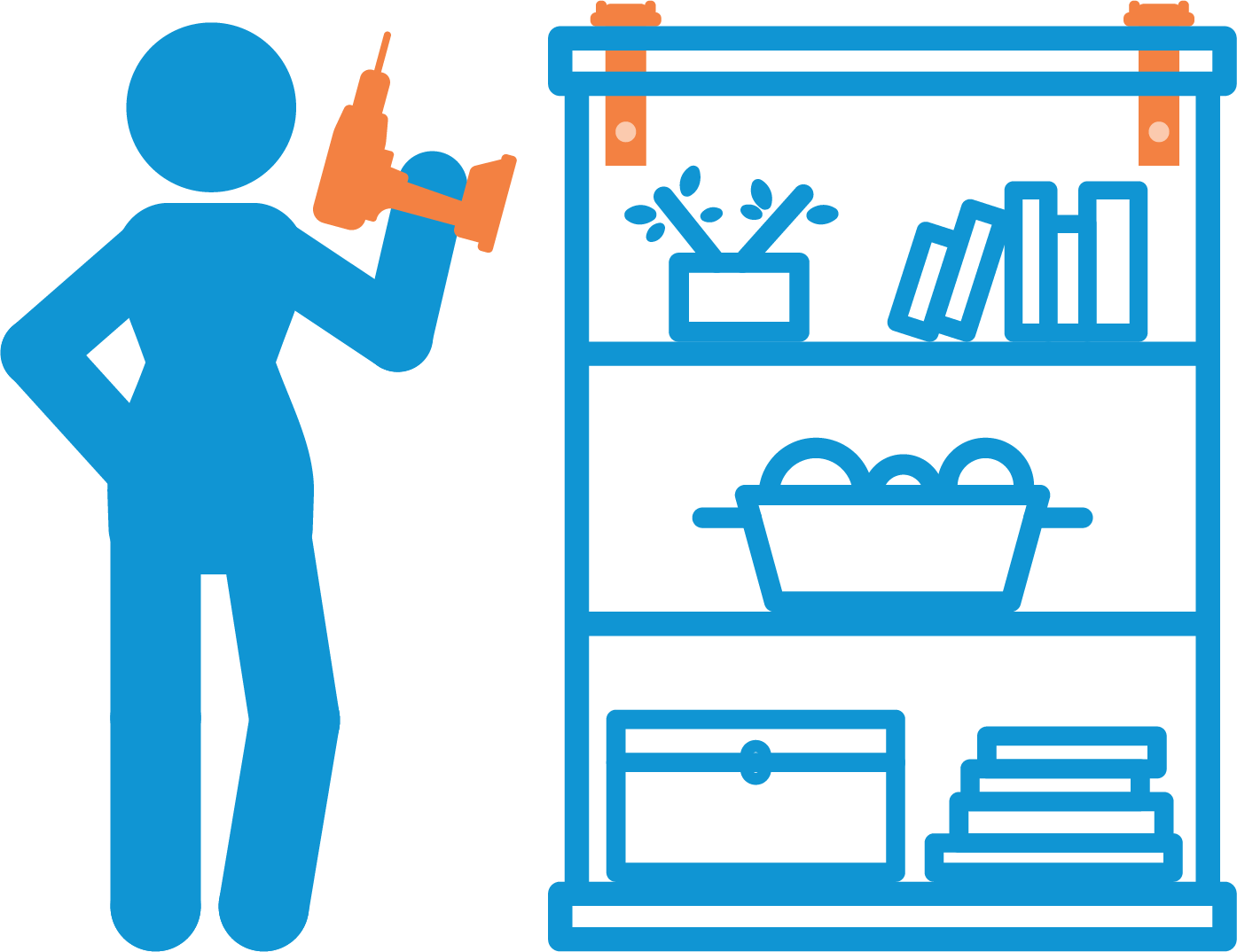
Credit: www.earthquakecountry.org
Choosing The Right Anchors
Choosing the right anchors is key to securing a bookshelf against a glass wall. The anchors must hold firmly without damaging the glass. Selecting strong and safe options improves stability during an earthquake. This section covers common anchors suitable for this task.
Wall-mount Brackets
Wall-mount brackets provide strong support for bookshelves. Choose brackets designed for glass walls or use special fittings. These brackets attach the shelf frame to the wall securely. They reduce the risk of tipping or sliding during shaking. Proper placement and tightening ensure the best hold.
Adhesive Options
Adhesive anchors work without drilling holes in glass. Use industrial-strength adhesives made for glass surfaces. Clean both the glass and bracket areas before applying glue. Adhesives create a strong bond that resists movement. This method protects the glass from cracks or chips.
Using Anti-tip Straps
Anti-tip straps add extra security to bookshelves. Attach one end to the bookshelf and the other to the wall or floor. Straps are flexible and absorb shock during earthquakes. Use straps with adjustable tension for a snug fit. These straps prevent shelves from falling forward or sideways.
Positioning The Bookshelf Safely
Positioning a bookshelf safely is key to protecting both the furniture and the glass wall behind it. Careful placement reduces the risk of damage during an earthquake. This section covers how to place your bookshelf to keep it stable and secure.
Distance From The Glass Wall
Keep a small gap between the bookshelf and the glass wall. About two to three inches works well. This space prevents direct contact and reduces pressure on the glass. It also allows the bookshelf to move slightly without hitting the wall. Avoid pushing the bookshelf flush against the glass. This could cause cracks or breakage during shaking.
Weight Distribution Techniques
Place heavier books and items on lower shelves. This lowers the center of gravity and improves stability. Avoid stacking too many heavy items on top. Spread weight evenly across the shelves to prevent tipping. Use bookends or non-slip mats to hold items in place. Proper weight distribution helps the bookshelf stay steady during an earthquake.

Credit: www.reddit.com
Protecting The Glass Surface
Protecting the glass surface behind a bookshelf is essential during an earthquake. Glass can break easily and cause injury or damage. Taking steps to shield the glass helps keep the area safe. Simple methods can reduce the risk of cracks or shattering. Focus on soft materials and barriers that absorb shock. These solutions add a layer of protection without changing the room’s look.
Cushioning Materials
Use soft materials like foam strips or rubber pads along the bookshelf edges. These cushions absorb shocks and stop hard impacts on the glass. Attach foam tape to the bookshelf sides facing the glass. This prevents scratches and lessens the force if the shelf moves. Felt pads also work well for gentle cushioning. Choose materials that do not damage walls or glass.
Temporary Barriers
Place temporary barriers such as plexiglass sheets or clear plastic panels between the shelf and the glass. These barriers act as shields during shaking. Secure the barrier with removable adhesive strips to avoid damage. Barriers help stop objects from hitting the glass directly. They are easy to remove once the earthquake risk lowers.
Securing Loose Items
Securing loose items on a bookshelf near a glass wall is crucial for safety. Loose books and objects can fall and break the glass during an earthquake. This section explains simple ways to keep items stable and prevent damage.
Non-slip Shelf Liners
Non-slip shelf liners stop books and objects from sliding. These liners are made of rubber or foam. Place them on each shelf to create grip. The grip holds items in place during shaking. Liners are easy to cut and fit any shelf size. They also protect the shelf surface from scratches.
Bookends And Fasteners
Use sturdy bookends to keep books upright. Heavy metal or wooden bookends work best. For extra security, attach bookends to the shelf with screws or adhesive strips. Fasteners like Velcro or small brackets can hold decorations and small items. Secure fasteners tightly to avoid movement. This method reduces the risk of items falling onto the glass.
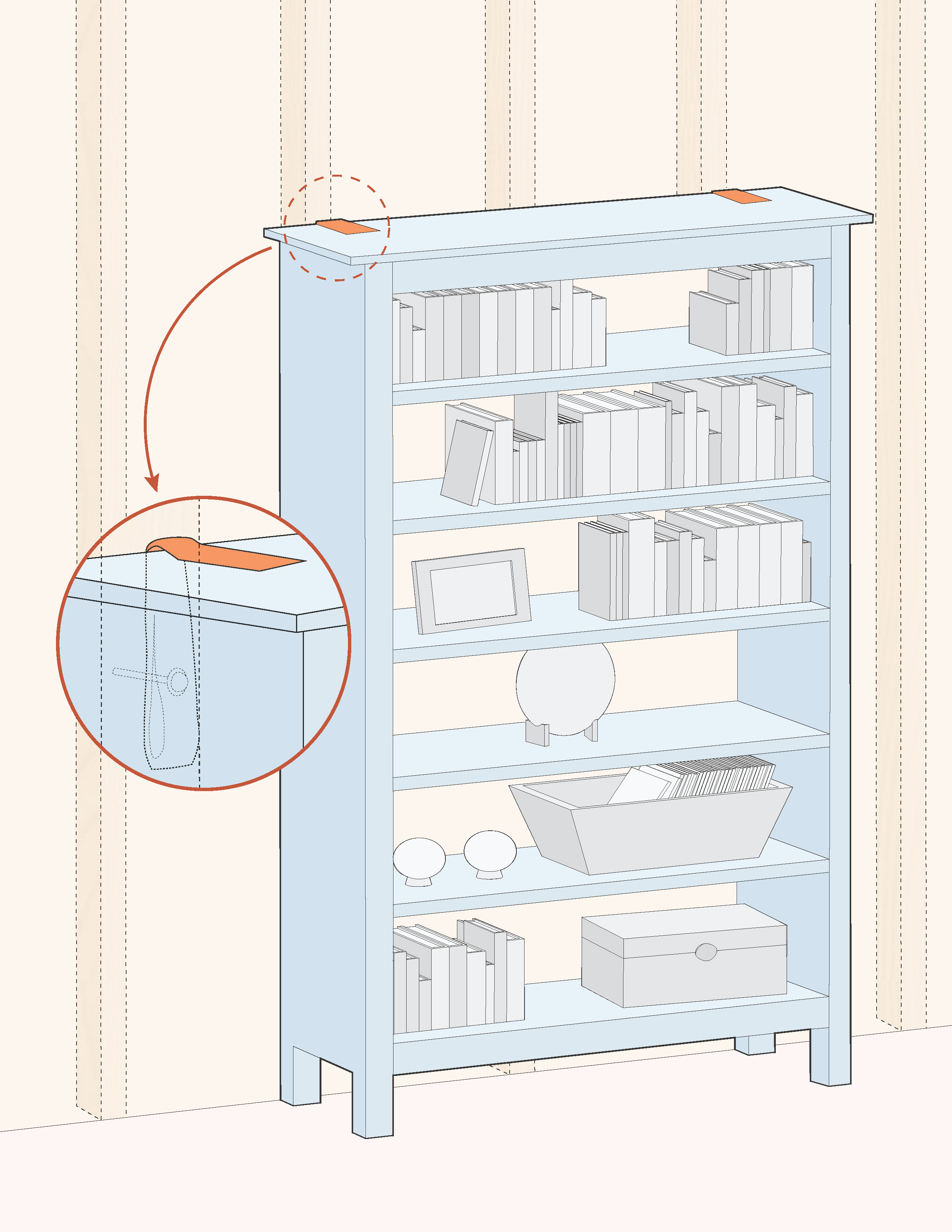
Credit: www.earthquakecountry.org
Regular Maintenance Checks
Regular maintenance checks keep your bookshelf safe near a glass wall. Small problems can grow if you do not act fast. Checking often helps catch loose parts and worn materials early. This care keeps the bookshelf steady during an earthquake. It also protects the glass wall from damage.
Tightening Fasteners
Fasteners hold the bookshelf in place. Screws and bolts can loosen over time. Tighten all fasteners using the right tools. Make sure the bookshelf does not wobble. Check the brackets that attach the shelf to the wall. Secure brackets firmly against the glass wall frame. This prevents the shelf from moving during shaking.
Inspecting For Wear
Look for signs of wear on all parts. Check wood, metal, and plastic components. Cracks or rust weakens the bookshelf’s hold. Examine the mounting points on the glass wall. Damage here can cause the shelf to fall. Replace any worn parts right away. Regular inspection avoids bigger problems later.
Frequently Asked Questions
How To Anchor A Bookshelf Near A Glass Wall?
Use specialized brackets to secure the bookshelf to the floor or ceiling. Avoid direct contact with glass. Install padding between the bookshelf and the glass wall to prevent damage during shaking. This method stabilizes the shelf while protecting the glass.
What Materials Help Earthquake-proof A Bookshelf?
Use strong metal brackets, anti-slip pads, and secure straps. These materials absorb shock and prevent tipping. Choose flexible, non-damaging pads to protect glass surfaces. Proper materials increase safety and reduce damage risk during an earthquake.
Can I Use Adhesive Strips To Secure The Bookshelf?
Adhesive strips alone are not reliable for earthquake securing. They may fail under strong shaking. Use mechanical anchors or straps alongside adhesive for better stability. Combining methods ensures the bookshelf stays in place safely.
How To Protect Glass Walls From Bookshelf Impact?
Install cushioned bumpers or rubber padding between the shelf and glass. This absorbs vibrations and prevents scratches or cracks. Ensure padding covers all contact points. Protective measures reduce the risk of glass damage during earthquakes.
Conclusion
Securing a bookshelf near a glass wall protects both your items and your home. Small steps like using straps and padding make a big difference. Keep shelves stable to prevent accidents during earthquakes. Simple tools and careful planning help you stay safe.
Taking time now can save damage and stress later. Safety at home starts with smart choices. Keep your space secure and enjoy peace of mind every day.