Have you ever plugged your bookshelf speakers into your computer and felt like something was missing? Maybe the sound feels flat, too bass-heavy, or just not clear enough.
The secret to unlocking rich, balanced audio lies in how you equalize—or EQ—your setup. Getting this right can transform your listening experience, whether you’re gaming, streaming music, or watching movies. You’ll discover simple, step-by-step tips to EQ your computer with bookshelf speakers like a pro.
By the end, you’ll enjoy crisp highs, deep lows, and everything in between—making every sound come alive. Ready to upgrade your audio? Let’s dive in.

Credit: creativeaudio.net
Choosing The Right Bookshelf Speakers
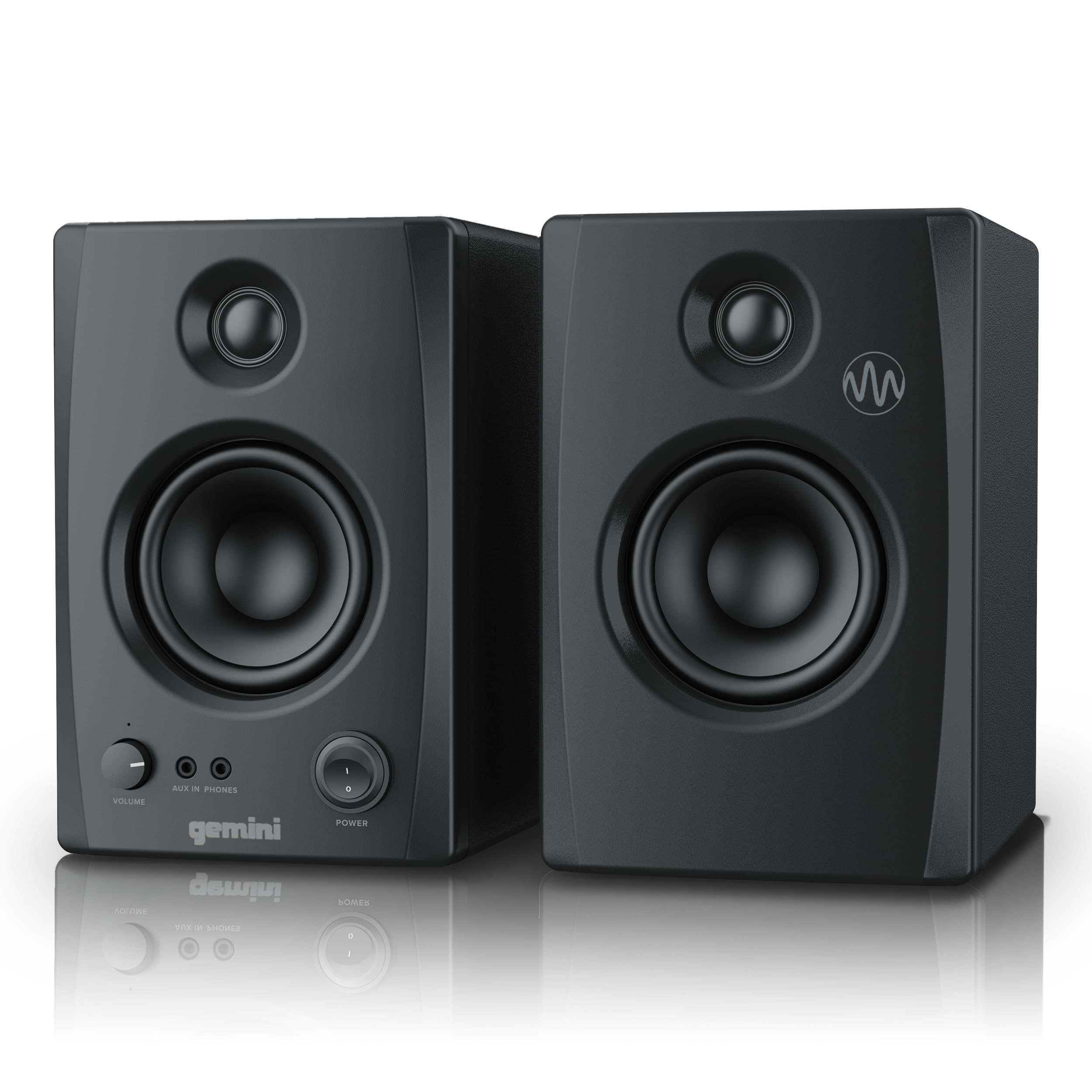
Choosing the right bookshelf speakers is key to getting great sound from your computer. These speakers must fit your space and match your audio needs. The right choice makes your music, movies, and games sound clear and full. Below are important points to consider before buying bookshelf speakers.
Speaker Size And Design
Bookshelf speakers come in different sizes. Small speakers fit tight spaces but may have less bass. Larger speakers offer deeper sound but need more room. The design also matters. Some speakers have a port or bass reflex to boost low tones. Choose a design that fits your desk or shelf space and style.
Power Handling And Sensitivity
Power handling shows how much amplifier power a speaker can take. Choose speakers that match your computer’s output power. Sensitivity measures how loud a speaker gets from a set power. Higher sensitivity means louder sound with less power. Look for speakers with balanced power handling and good sensitivity for clear audio.
Connectivity Options
Check the connection types on the speakers. Most bookshelf speakers use wired connections like RCA or 3.5mm jacks. Some have Bluetooth for wireless use. Make sure the speakers connect easily to your computer. Simple connections reduce setup issues and keep sound quality strong.
Credit: www.amazon.com
Setting Up Your Computer Audio
Setting up your computer audio correctly is key to getting the best sound from your bookshelf speakers. Good setup helps you hear clear music and rich details. It also reduces noise and improves overall sound quality. Follow these steps to prepare your computer audio for a better listening experience.
Audio Interface And Dac
A good audio interface or DAC improves sound quality from your computer. These devices convert digital audio into analog signals for your speakers. Many computers have built-in sound cards, but external DACs offer clearer sound. Choose one that matches your speaker’s power and connection type. Connect the DAC to your computer using USB or other ports.
Connecting Speakers To Computer
Connect your bookshelf speakers to the DAC or audio interface. Use the right cables, like RCA or 1/4 inch, based on your devices. Avoid using cheap or damaged cables for better sound. Ensure the connections are tight and secure. Power on the speakers after all cables are connected. Test the sound to confirm everything is working well.
Positioning For Optimal Sound
Place your bookshelf speakers at ear level for best sound. Keep speakers about 3 to 5 feet apart for balanced audio. Avoid placing them too close to walls or corners to reduce bass distortion. Angle the speakers slightly towards your listening spot. This setup creates clear stereo imaging and natural sound.
Basics Of Equalization
Equalization, or EQ, shapes the sound from your bookshelf speakers. It adjusts different sound parts to make music clearer and more balanced.
EQ lets you control bass, midrange, and treble. This helps match the speaker sound to your room and music style.
Frequency Bands Explained
Sound divides into frequency bands. Bass covers low sounds like drums and bass guitars. Midrange holds voices and many instruments. Treble includes high sounds like cymbals and flutes.
Each band affects how music feels. Boosting bass adds depth. Raising treble brings brightness. Cutting midrange can reduce harshness.
Common Eq Controls
Most EQs have controls called knobs or sliders. They adjust specific frequencies up or down. Gain controls how much boost or cut you apply.
Some EQs use bands labeled by frequency numbers, like 100 Hz or 5 kHz. You move controls to shape the sound as you want.
Types Of Equalizers
Graphic EQs show bands with fixed frequencies and sliders. They are easy to use for beginners. Parametric EQs allow more detailed control, like changing bandwidth and frequency.
Some EQs are software-based, built into music apps or sound cards. Others are physical devices connected to your setup.
Eq Techniques For Bookshelf Speakers
EQ techniques help improve sound quality from bookshelf speakers. These small speakers need careful tuning for clear audio. Using EQ controls, you can shape bass, mids, and treble. This makes music and movies sound better. Follow simple steps to adjust each frequency range correctly.
Adjusting Bass Frequencies
Bass gives music depth and warmth. Too much bass makes sound muddy. Too little bass feels thin and weak. Start by lowering bass frequencies below 100 Hz. Increase slowly until the sound feels full but not overwhelming. Stop if the bass causes distortion or boomy effects.
Balancing Midrange Tones
Midrange controls most voices and instruments. Clear mids make vocals easy to understand. Cut or boost frequencies between 250 Hz and 2 kHz. Reduce any harsh or nasal sounds by lowering 1 kHz slightly. Raise midrange gently to add presence without causing fatigue.
Enhancing Treble Clarity
Treble adds sparkle and detail to sound. Boost frequencies above 5 kHz for brightness. Avoid too much treble to prevent sharpness or hiss. Fine-tune treble to make cymbals and high notes crisp. Keep treble balanced to maintain natural sound quality.
Using Software Eq Tools
Using software EQ tools is a smart way to improve sound from bookshelf speakers. These tools let you change sound frequencies to match your taste. You can make music clearer, add bass, or soften harsh sounds. Software EQ is easy to use and works well with any computer setup.
Popular Eq Software Options
Several EQ software options work well for computers. Equalizer APO is a free, powerful choice for Windows users. It offers many settings and is easy to customize. For Mac users, Boom 3D provides good EQ control and extra sound effects. Another simple option is Peace Equalizer, which works as a front-end for Equalizer APO. These tools help you shape sound without extra hardware.
Setting Presets For Different Genres
Music genres sound best with different EQ settings. Rock needs boosted mids and highs for guitars and vocals. Jazz may need softer bass and clearer highs. Pop often benefits from balanced bass and treble. Save presets for each genre to switch quickly. This saves time and keeps your music sounding right every time.
Fine-tuning With Real-time Feedback
Fine-tuning EQ settings is easier with real-time feedback. Play music while adjusting sliders and listen closely. Notice how small changes affect sound quality. Use headphones or listen near your bookshelf speakers. Adjust bass, mids, and treble until sound feels natural and clear. This careful tuning improves your listening experience greatly.
Troubleshooting Sound Issues
Troubleshooting sound issues with bookshelf speakers can improve your listening experience. Sometimes, the audio may not sound clear or balanced. Small adjustments can fix these problems quickly. Below are common issues and easy ways to solve them.
Eliminating Distortion And Noise
Distortion happens when speakers play sounds too loudly. Lower the volume to reduce distortion. Check speaker wires for loose or damaged connections. Use high-quality cables to avoid noise. Keep electronic devices away from speakers to prevent interference. Clean speaker surfaces to stop dust buildup that affects sound.
Fixing Imbalanced Audio
Imbalanced audio means one speaker sounds louder than the other. Adjust the balance settings on your computer or amplifier. Swap speaker cables to check if wires cause the problem. Make sure both speakers are the same distance from you. Place speakers at ear level for even sound. Use the equalizer to match sound levels between speakers.
Dealing With Room Acoustics
Room shape and materials affect speaker sound. Hard surfaces cause echoes and harsh sounds. Add rugs, curtains, or cushions to absorb sound. Avoid placing speakers near walls or corners. Move speakers slightly to find the best sound spot. Soft furniture helps reduce sound reflections and improves clarity.
Advanced Tips For Better Sound
Advanced tips help you get the best sound from your bookshelf speakers. Simple equalizer settings are good, but these extra steps improve audio quality. Small changes can make a big difference. Follow these tips to enjoy clearer and richer sound.
Adding Subwoofers
Bookshelf speakers often lack deep bass. Adding a subwoofer fills this gap. It handles low frequencies that small speakers miss. Place the subwoofer near a wall or corner for stronger bass. Adjust its volume and crossover for smooth blending with speakers. This creates a fuller sound experience.
Using Acoustic Treatments
Room sound affects speaker performance. Hard surfaces cause echoes and distortions. Use acoustic panels or foam to reduce reflections. Place treatments on walls and corners. Rugs and curtains also help soften sound. These steps make music clearer and reduce unwanted noise.
Regular Maintenance And Calibration
Dust and dirt can affect speaker sound. Clean speaker grills and cones gently with a soft cloth. Check connections and cables regularly. Calibrate your system often using sound test tracks or apps. This keeps sound balanced and speakers performing well over time.

Credit: www.aldodicesimo.com
Frequently Asked Questions
How Do I Connect Bookshelf Speakers To My Computer?
Use a 3. 5mm to RCA cable or a USB audio interface. Connect the cable from your computer’s headphone jack to the speaker’s input. Ensure the speakers have power and are turned on. Adjust volume settings on both devices for optimal sound.
What Software Helps To Eq Computer Audio For Speakers?
Use equalizer software like Equalizer APO or Voicemeeter. These tools allow precise frequency adjustments to match your bookshelf speakers. They are free, easy to install, and improve sound clarity. Configure settings according to your room and speaker specs for the best results.
What Eq Settings Suit Bookshelf Speakers Best?
Boost bass frequencies slightly between 60-100 Hz for warmth. Reduce midrange frequencies around 500-1000 Hz to avoid muddiness. Increase treble frequencies between 8-12 kHz for clarity. Always adjust settings based on your room acoustics and listening preference.
Can I Eq My Computer Audio Without Extra Hardware?
Yes, software equalizers let you adjust sound without extra devices. They modify audio output directly on your computer. Examples include system sound settings or third-party apps. This method is cost-effective and convenient for basic audio tuning.
Conclusion
EQing a computer with bookshelf speakers improves your sound quality. Adjust bass, mids, and treble to suit your taste. Small changes make a big difference in clarity and depth. Test different settings while playing music or videos. Enjoy richer sound from your existing setup without extra gear.
Remember, patience helps you find the best balance. Your ears are the best judge. Keep it simple and listen closely. Good sound makes every audio experience better.
