Is your metal white bunk bed wobbling or showing signs of wear? Fixing it might seem tricky, but you don’t have to call a handyman just yet.
With a few simple steps, you can bring your bunk bed back to sturdy, safe condition. In this guide, you’ll discover easy tips and tricks to repair your bed quickly and confidently. Keep reading—your peaceful, secure sleep space is just a few fixes away.
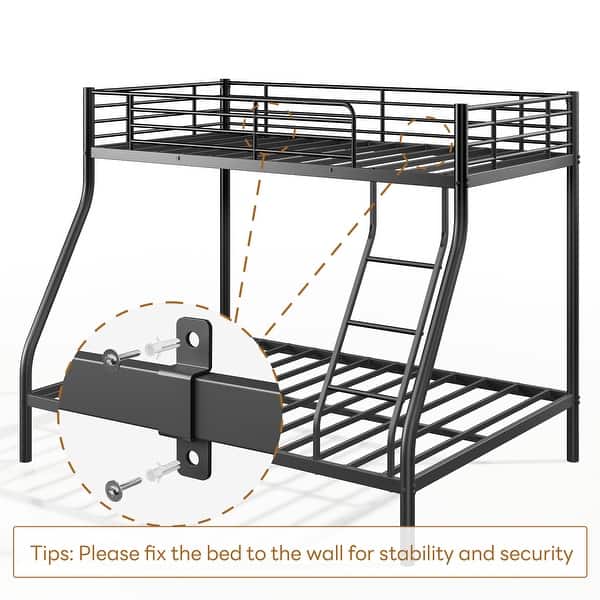
Credit: www.bedbathandbeyond.com
Identify Common Issues
Before fixing a metal white bunk bed, it is important to identify common problems. This helps to know what needs repair and saves time. Many issues show clear signs. Spotting these early keeps the bed safe and strong. Below are typical problems found in metal bunk beds.
Loose Bolts And Screws
Bolts and screws can become loose with use. This makes the bed shaky and unsafe. Check all joints and corners for any loose parts. Tighten them with the right tools. Loose hardware is a common cause of wobbling beds.
Bent Or Damaged Frame
The metal frame can bend or get damaged from heavy use. A bent frame affects the bed’s stability. Look closely for any bends or cracks in the metal. Small dents can be fixed, but large damage may need professional help.
Worn Paint And Rust
Paint on a metal bunk bed can wear off over time. This exposes the metal to moisture, causing rust. Rust weakens the bed frame and looks bad. Inspect the bed for chipped paint or rust spots. Sand and repaint areas to stop rust from spreading.
Squeaky Joints
Squeaky sounds come from joints rubbing without enough lubrication. These noises can be annoying and show friction. Apply a light oil or lubricant to the joints. This reduces noise and helps parts move smoothly.
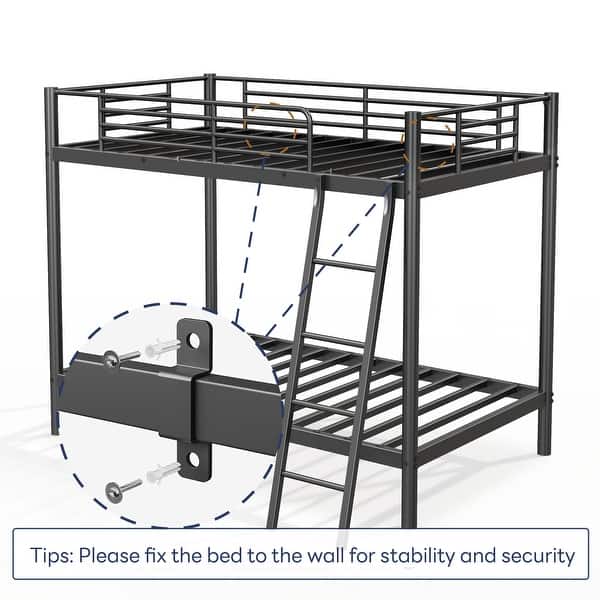
Credit: buybuybaby.bedbathandbeyond.com
Gather Necessary Tools
Fixing a metal white bunk bed requires the right tools. Preparing these tools before starting the repair saves time and effort. It also helps the process go smoothly. Gather everything you need for the job. This section covers the key tools to have on hand for a successful repair.
Basic Hand Tools
Start with common hand tools. A screwdriver set is essential for tightening or removing screws. Use a wrench or pliers to handle bolts and nuts. A hammer might be needed to adjust parts or remove stuck pieces. Keep a measuring tape nearby to check dimensions. These tools are the foundation for most repairs.
Rust Removal Supplies
Rust often affects metal bunk beds. Prepare rust remover or a wire brush to clean the surfaces. Sandpaper helps smooth rough spots after rust removal. Use a clean cloth to wipe away dust and debris. Removing rust prevents further damage and improves the bed’s look.
Paint And Touch-up Materials
Repairing scratches or chips requires paint supplies. Get white metal paint that matches the bed’s color. Use small brushes for precise touch-ups. Primer can help paint stick better and last longer. Keep painter’s tape to protect other areas from paint spills.
Lubricants And Adhesives
Lubricants help moving parts work smoothly. Apply WD-40 or a similar spray to hinges and joints. Adhesives like super glue or epoxy can fix broken or loose parts. Choose the right glue for metal surfaces. These materials ensure the bed stays sturdy and functional.
Tighten And Replace Hardware
Tightening and replacing hardware is key to fixing a metal white bunk bed. Loose bolts or missing screws make the bed unsafe. Small fixes here keep the bed strong and steady. This step takes little time but improves safety a lot. Follow these tips to check and fix the hardware easily.
Check All Fasteners
Look at every bolt, screw, and nut on the bed. Use a wrench or screwdriver to test if they are loose. Tighten those that spin easily. Don’t forget to check joints and corners. These points often get loose first from use. Tight fasteners stop the bed from shaking or squeaking.
Replace Missing Or Damaged Parts
Missing screws or bent bolts reduce the bed’s strength. Find exact replacement parts at a hardware store or online. Match size and type to the original hardware. Replace any part that looks worn, rusted, or broken. This ensures the bed holds together well over time.
Use Thread Locking Compounds
Thread locking compounds keep screws and bolts tight for longer. Apply a small drop on the threads before tightening. The compound stops hardware from loosening due to movement or vibrations. It’s a simple way to make repairs last. Use only a little to avoid messy buildup.

Credit: www.amazon.com
Straighten Bent Metal Parts
Bent metal parts can weaken the structure of a white metal bunk bed. Straightening these parts restores strength and safety. The process requires careful handling and the right tools. Follow these steps to fix bent metal parts and keep the bed sturdy.
Assess Damage Severity
Start by checking how badly the metal is bent. Light bends can often be fixed by hand. Severe bends may need special tools or professional help. Look for cracks or breaks that need extra care.
Use Proper Tools For Bending
Select tools designed for metalwork. A rubber mallet helps reshape metal without damaging it. Pliers or a clamp can hold parts steady during bending. Avoid using too much force to prevent new damage.
Reinforce Weak Areas
Add support to areas that look weak after straightening. Metal braces or corner brackets can strengthen joints. Use bolts or screws to secure reinforcements tightly. This step helps the bed last longer and stay safe.
Remove Rust And Repaint
Removing rust and repainting your metal white bunk bed is key to keeping it strong and looking fresh. Rust can damage the metal and make the bed unsafe. Fixing the rust early stops it from spreading. This process also brings back the bed’s clean, bright look.
Clean Affected Areas
Start by wiping the rust spots with a damp cloth. Remove dirt and dust around the rust. Use a wire brush to scrub off loose rust. Cleaning the surface helps the next steps work better.
Apply Rust Converter
Rust converter changes rust into a stable surface. Brush or spray it on the rusted parts. Let it dry as the product instructions say. This step stops rust from growing under the paint.
Sand And Prime Surface
Use sandpaper to smooth the treated areas. Sanding helps paint stick to the metal. Wipe away dust after sanding. Next, apply a metal primer to the surface. Primer protects the metal and improves paint coverage.
Apply Matching Paint
Choose paint that matches your bunk bed’s color. Use spray paint or a brush for even coverage. Apply thin coats and let each dry well. Multiple coats give a strong, smooth finish. The fresh paint keeps the bed safe and looking new.
Lubricate Moving Parts
Lubricating the moving parts of your metal white bunk bed helps stop annoying noises. It also makes the bed parts move smoothly. This step is important to keep your bunk bed safe and quiet. Proper lubrication prevents rust and wear on metal joints.
Identify Squeaky Joints
Check all the joints and hinges on your bunk bed. Listen for any squeaking sounds when you move the bed. Focus on corners, bolts, and where metal parts touch. Mark these spots for lubrication. This helps you target the exact areas that need attention.
Choose Suitable Lubricants
Pick a lubricant made for metal parts. Silicone spray or white lithium grease works well. Avoid oils that attract dust or dirt. Use a lubricant that does not stain the white paint. This keeps the bed clean and functioning well.
Apply And Test Movement
Spray or apply lubricant on the squeaky joints carefully. Use a cloth to wipe off extra lubricant. Move the bed parts back and forth to spread it evenly. Test each joint again for noise and smoothness. Repeat if needed until the bed moves quietly.
Safety Checks After Repairs
After fixing a metal white bunk bed, safety checks are very important. These checks make sure the bed is safe to use. They help avoid accidents and injuries. Always take time to carefully inspect the bed before use.
Test Stability And Strength
Push the bunk bed gently from different sides. It should not wobble or shake. Sit or lie down carefully to check if it holds weight well. Strong frames keep the bed steady and safe.
Verify Secure Fastening
Look at all screws, bolts, and nuts. Tighten any loose parts with a wrench or screwdriver. Loose fasteners can cause the bed to collapse. Every joint must be firmly connected for safety.
Ensure No Sharp Edges
Run your hand along all metal parts. Feel for rough or sharp edges. Sand down any sharp spots with sandpaper. Sharp edges can hurt skin, especially children’s. Smooth surfaces prevent cuts and scratches.
Frequently Asked Questions
How Do I Tighten Loose Bolts On A Metal White Bunk Bed?
Use a wrench or screwdriver to firmly tighten all bolts. Check each joint carefully. Avoid over-tightening to prevent damage.
What Tools Are Needed To Repair A Metal Bunk Bed?
Common tools include a wrench, screwdriver, replacement bolts, and metal glue. These help fix loose parts and minor damages efficiently.
How Can I Fix Squeaky Noises On A Metal Bunk Bed?
Apply lubricant like WD-40 to joints and bolts. Tighten any loose screws or bolts to reduce noise.
How Do I Repaint A Scratched Metal White Bunk Bed?
Sand the surface lightly, clean it, then apply a primer. Use white metal spray paint for a smooth finish.
Conclusion
Fixing a metal white bunk bed can be simple with the right steps. Tighten loose screws and replace damaged parts carefully. Check the bed regularly to keep it safe and strong. Small fixes can stop big problems later. Taking time to repair your bunk bed helps it last longer.
You can enjoy a sturdy, safe bed for years. Keep tools close and follow instructions for best results. A little effort goes a long way in home repairs.