Are you confused about whether to choose a console or a table for your space? You’re not alone.
Both pieces can add style and function, but knowing the difference is key to making the right choice for your home. This guide will help you understand what sets a console apart from a table so you can pick the perfect fit for your needs.
Keep reading—you’ll soon discover how to transform your room with the right piece of furniture.

Credit: flowyline.com
Console Basics
A console is a narrow table designed for tight spaces. It often sits against a wall or behind a sofa. Consoles add style and function without taking much room.
They come in many shapes and sizes but share common traits. Consoles offer a mix of beauty and practicality. They help organize and decorate at the same time.
Design Features
Consoles are usually slim and tall. This shape fits hallways and entryways well. Many have open shelves or small drawers. Legs can be straight or curved, adding charm. The top surface is perfect for lamps, keys, or decor.
Common Materials
Wood is the most popular choice for consoles. It brings warmth and natural beauty. Metal frames offer a modern, sturdy look. Glass tops add elegance and lightness. Some consoles mix materials for a unique style.
Typical Uses
People use consoles in entryways to hold essentials. They work well in living rooms for decor display. Consoles can separate spaces without bulky furniture. Many use them for extra storage or as a desk alternative.
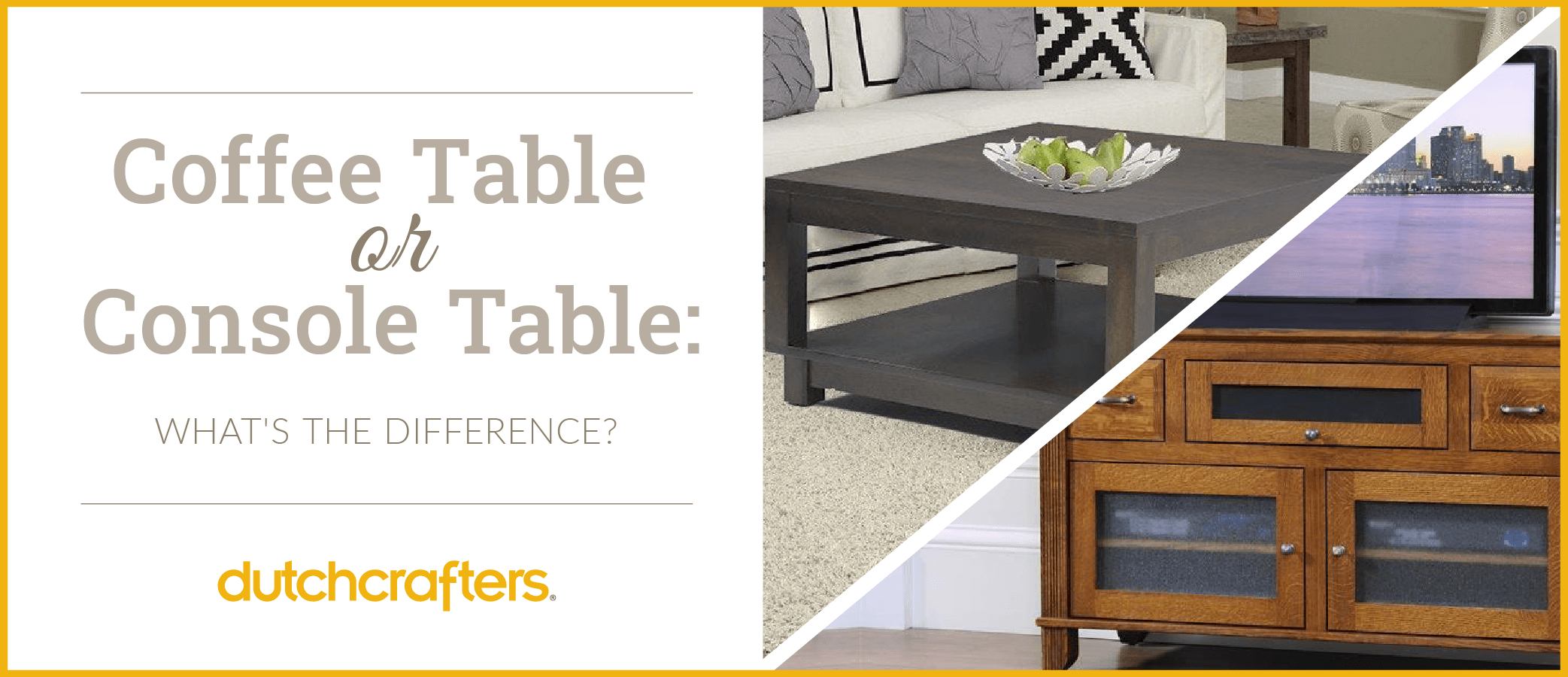
Credit: www.dutchcrafters.com
Table Essentials
Tables are common pieces of furniture in homes and offices. They serve many purposes and come in various styles. Understanding the basics helps in choosing the right table for your space.
Every table has key features that make it unique. These features include its type, material, and main use. Knowing these helps you pick a table that fits your needs perfectly.
Varieties Of Tables
Tables come in many forms. Dining tables are large and sturdy for meals. Coffee tables sit low and hold drinks or books. Side tables fit beside chairs or sofas for small items. Desks provide space for work or study. Each type serves a special role in a room.
Material Choices
Tables are made from wood, metal, glass, or plastic. Wood offers warmth and classic style. Metal gives a modern and strong look. Glass tables feel light and open. Plastic is affordable and easy to clean. Choosing the right material affects the table’s look and durability.
Primary Functions
Tables support many daily activities. Eating, working, storing items, and displaying decor are common uses. Some tables also fold or extend for flexibility. The function decides the size and shape of the table. Pick a table that matches your main purpose for best use.
Size And Shape Differences
Understanding the size and shape differences between a console and a table helps you pick the right piece. These differences affect where and how you use each one in your space. The height, surface area, and overall form vary to suit different needs and styles.
Height Variations
Consoles are usually taller and narrower than tables. They often stand around 30 to 36 inches high. Tables, like coffee or dining tables, tend to be lower or wider. This height difference makes consoles ideal for entryways or behind sofas. Tables suit dining rooms or living areas where you sit and eat or work.
Surface Area
Consoles have smaller surface areas than most tables. Their tops are long and slim, perfect for holding keys or decor. Tables offer larger surfaces to hold plates, books, or laptops. The wider surface makes tables more versatile for daily use. Consoles focus on style and light storage space.
Form And Style
Consoles often have sleek, narrow forms with minimal legs or shelves. Their shape fits tight spaces easily. Tables come in many shapes like round, square, or rectangular. They can have thick legs or extra storage below. Consoles lean toward decorative looks, while tables focus on function and comfort.
Placement And Space
Placement and space play a big role when choosing between a console and a table. Each has different needs for where it fits best. Knowing these differences helps you use your room better.
Ideal Locations
Consoles work well in narrow spaces like hallways or entryways. They often sit against walls. Tables suit open areas like living rooms or dining rooms. They can stand in the center or next to walls.
Space Requirements
Consoles need less space. Their slim design fits tight spots easily. Tables require more room for chairs and movement. They demand clear space around all sides.
Room Impact
Consoles add style without crowding the room. They offer surface space without bulk. Tables become focal points. They fill space and invite gathering.
Functionality Comparison
Understanding the difference between a console and a table involves looking at their functionality. Each piece of furniture serves different needs in a home or office. This section compares their key functions to help you choose the right one.
Storage Options
Consoles usually offer more storage space. They often have drawers or shelves. This makes them ideal for keeping small items organized. Tables tend to have less or no built-in storage. They focus more on providing a flat surface. Consoles help reduce clutter by storing items out of sight.
Usage Flexibility
Tables have versatile uses. They can serve as dining tables, work desks, or coffee tables. Consoles are mostly placed against walls. They work well in entryways or hallways. Consoles are less flexible but add style and function to tight spaces. Tables adapt easily to different rooms and activities.
Multi-purpose Roles
Consoles combine style and function. They can hold decorative items and store essentials. Tables focus on providing space for tasks or meals. Some tables, like foldable ones, can change purpose quickly. Consoles often stay in one spot, serving a specific role. Tables support many daily activities and needs.
Styling Tips
Styling a console or table can change the entire look of a room. These furniture pieces offer a chance to add personality and charm. Simple tips help you use them effectively and beautifully. Below are key ideas to style your console or table with ease.
Matching Decor
Pick colors that blend with your room’s palette. Use similar styles for a smooth look. For instance, a modern console pairs well with sleek decor. Rustic tables look great with natural, earthy items. Consistency in theme keeps the space balanced and pleasing.
Accessorizing
Place a few items to avoid clutter. A vase, a lamp, or a small sculpture works well. Books stacked neatly add height and interest. Use trays to group smaller pieces together. Change accessories seasonally to keep the style fresh.
Creating Focal Points
Console tables are perfect spots for eye-catching items. Use a large mirror or artwork above the table. Bright flowers or a bold lamp can draw attention. Keep the area tidy to let the focal point stand out. This approach makes your space inviting and stylish.
Cost And Durability
Cost and durability are key factors when choosing between a console and a table. Both types of furniture vary in price and how long they last. Understanding these differences helps you pick the right piece for your space and budget.
Price Range
Consoles often cost less than tables. They use less material because they are smaller. Simple designs make consoles more affordable. Tables usually need more wood or metal. Bigger size and complex shapes raise the price. Prices also change with brand and quality.
Longevity Factors
Durability depends on material and build quality. Solid wood tables last longer than particleboard ones. Consoles may wear faster due to lighter construction. Tables face more wear from heavy use. Consoles hold up well in low-traffic areas. Proper care extends the life of both.
Maintenance Needs
Both consoles and tables need regular cleaning. Dust and spills should be wiped quickly. Wooden pieces may need polishing or sealing. Metal parts can require rust prevention. Consoles are easier to move for cleaning. Tables may need more effort to maintain.

Credit: www.livingspaces.com
Frequently Asked Questions
What Is A Console Table Used For?
A console table is a narrow, decorative table often placed in entryways or hallways. It holds keys, lamps, or decor. Its design saves space while enhancing room aesthetics.
How Does A Console Differ From A Regular Table?
A console is typically slimmer and taller than regular tables. It’s designed for decorative or functional use in tight spaces, unlike larger dining or coffee tables.
Can A Console Table Be Used As A Workspace?
While not ideal for extended work, a console can serve as a temporary desk. It’s best for light tasks due to its limited surface area.
Where Is The Best Place To Put A Console Table?
Console tables fit well against walls in hallways, living rooms, or entryways. They provide storage and style without crowding the space.
Conclusion
Choosing between a console and a table depends on your needs. Consoles offer style and narrow space use. Tables provide more surface for work or dining. Both fit different rooms and purposes. Think about your space and how you will use it.
This helps pick the right piece for your home. Simple choices make your space both useful and nice.
