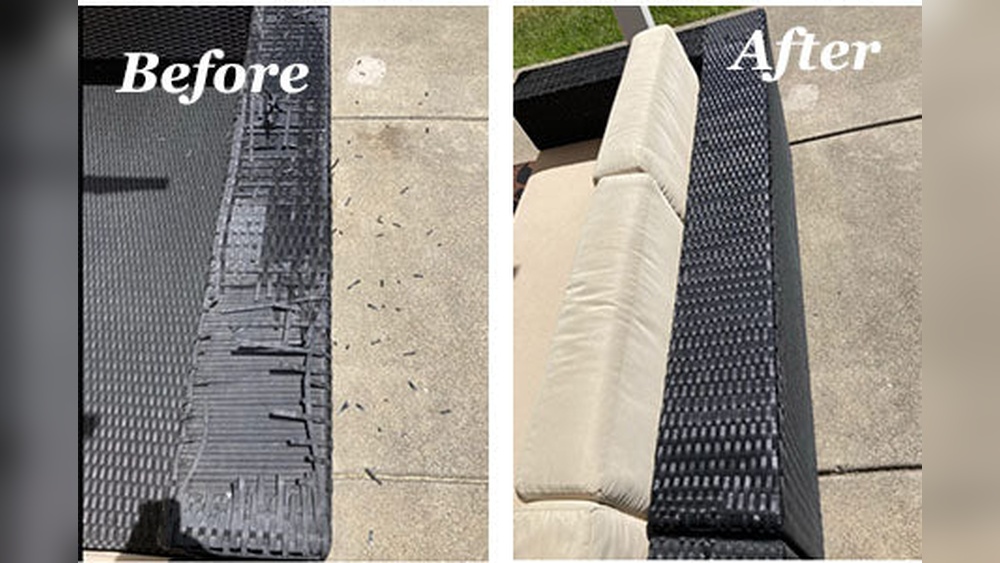
Is your outdoor plastic wicker furniture looking worn or damaged? Don’t rush to replace it just yet.
You can bring your favorite pieces back to life with a few simple fixes. Imagine enjoying your patio again with furniture that looks fresh and sturdy. In this guide, you’ll discover easy, effective ways to repair your plastic wicker furniture and protect it from future damage.
Keep reading—you’re just a few steps away from making your outdoor space inviting again.
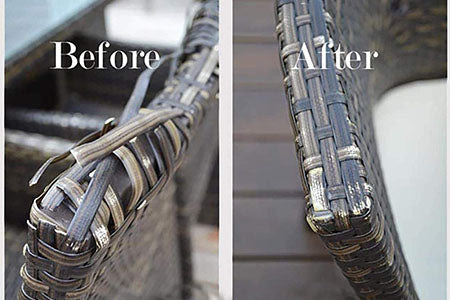
Credit: rattanyard.com
Common Damage Types
Outdoor plastic wicker furniture faces several common problems over time. Exposure to sun, rain, and dirt causes wear and tear. Knowing the typical damage types helps in fixing your furniture quickly and easily.
Cracks And Breaks
Plastic wicker can crack or break due to heavy use or harsh weather. These cracks weaken the structure and may spread if ignored. Small breaks can be fixed with glue or plastic welding kits. Larger cracks might need replacement parts or professional repair.
Loose Weaving
Weaving can loosen from constant movement or aging materials. Loose strands look untidy and reduce support. Tightening the weave or reweaving broken sections restores strength. Use matching plastic strips for a neat finish.
Faded Color
Sun exposure often fades plastic wicker’s color. Faded furniture looks old and worn out. Clean the surface first, then apply plastic paint or dye made for outdoor use. This freshens the look and protects the material.
Mold And Mildew
Moisture causes mold and mildew to grow on plastic wicker. These stains damage the furniture and create odors. Clean the surface with a mix of water and mild detergent. Use a soft brush to scrub away mold safely.
Tools And Materials Needed
Fixing outdoor plastic wicker furniture needs specific tools and materials. Having the right items makes the repair easier and longer-lasting. Prepare everything before starting to avoid interruptions.
Repair Kits
Repair kits are designed for plastic wicker furniture. They usually include small tools, patches, and instructions. These kits help fix cracks, holes, and broken strands. Choose a kit that matches your furniture’s color and texture.
Adhesives And Sealants
Strong adhesives hold broken parts together. Look for waterproof glue to resist outdoor weather. Sealants protect repairs from water damage and UV rays. Use a clear sealant for a neat finish.
Cleaning Supplies
Clean furniture before repair. Use mild soap and water to remove dirt and grime. Soft brushes reach into wicker gaps without damage. Dry the furniture completely before starting repairs.
Replacement Straps
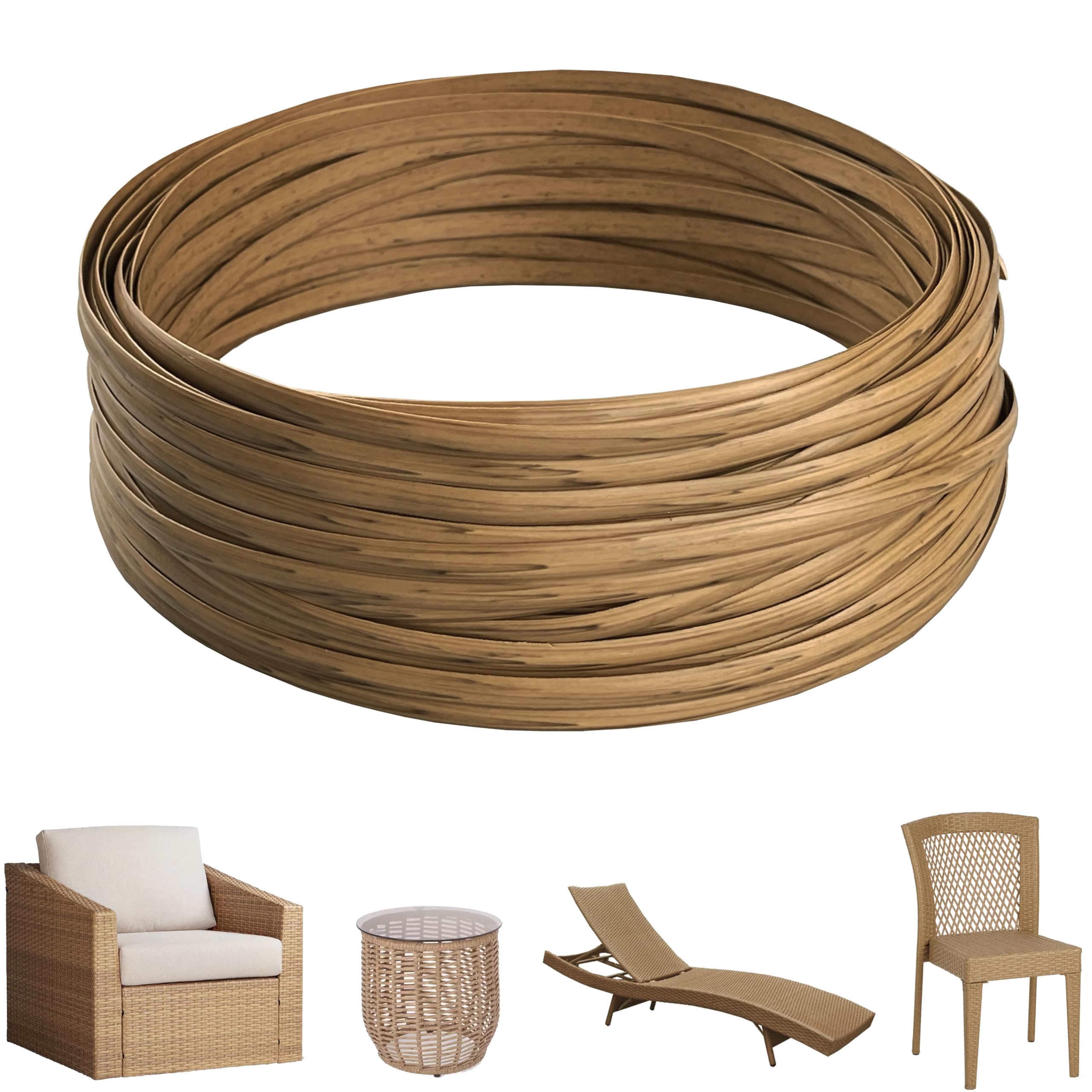
Some wicker furniture uses straps for support. Replace old or broken straps to restore strength. Choose straps made for outdoor use and that match the style. Cut straps to the right size for a perfect fit.
Fixing Cracks And Breaks
Cracks and breaks in outdoor plastic wicker furniture happen over time. Sun, rain, and use can cause damage. Fixing these issues quickly prevents further harm. This section shows simple steps to repair cracks and breaks. It helps restore strength and beauty to your furniture.
Cleaning The Damaged Area
Start by cleaning the cracked or broken spot. Use mild soap and water. Remove dirt, dust, and grease. Dry the area completely. Clean surfaces help glue stick better. Avoid using harsh chemicals that can damage plastic.
Applying Adhesive
Choose a strong adhesive made for plastic. Apply glue carefully to the crack or break. Press the parts together firmly. Hold in place until the glue sets. Follow the glue’s instructions for drying time. Proper bonding ensures a lasting repair.
Reinforcing With Replacement Straps
For added strength, use replacement straps or strips. Cut plastic strips to fit the damaged area. Attach them over the repair with glue or small screws. This support prevents the crack from widening. Reinforcement makes the furniture sturdy again.

Credit: www.youtube.com
Restoring Loose Weaving
Loose weaving on outdoor plastic wicker furniture makes it look old and weak. Fixing this issue can bring back its charm and strength. A few simple steps can tighten the weave and replace damaged parts. This helps the furniture last longer and stay comfortable.
Tightening Techniques
Start by gently pulling the loose strands toward their original position. Use pliers to grip and tighten the weave without breaking it. Work slowly and evenly across the loose area. This restores the shape and stops the weave from unraveling more.
Replacing Missing Strands
Check for any broken or missing strands in the wicker. Cut a new plastic strand that matches the original size and color. Weave it carefully through the existing pattern, following the same direction. Secure both ends by tucking them tightly under nearby strands.
Securing Loose Ends
Loose ends can cause more damage over time. Use clear outdoor glue or strong thread to fix these ends in place. Press them firmly and hold until dry. This keeps the weave tight and prevents further loosening.
Reviving Faded Color
Outdoor plastic wicker furniture often loses its bright color over time. Sunlight and weather can make the color fade. Bringing back the original color makes your furniture look new again. This process takes some care but is not hard.
Cleaning Before Coloring
Start by cleaning the furniture well. Remove dirt and dust using a soft brush or cloth. Use warm water mixed with mild soap. Gently scrub the surface to get rid of grime. Rinse with clean water and let it dry completely. Clean surfaces help paint stick better and last longer.
Choosing The Right Paint
Select paint made for plastic materials. Look for outdoor spray paint that resists sun and rain. Choose a color close to the original or your favorite shade. Avoid regular house paint; it may peel or crack. Test the paint on a small area first to check how it looks.
Applying Paint Correctly
Apply paint in thin, even layers. Hold the spray can about 10-12 inches from the surface. Use smooth, back-and-forth strokes to cover all areas. Allow each coat to dry before adding another. Two or three coats work best for strong color. Let the paint cure fully before using the furniture again.
Credit: www.amazon.com
Removing Mold And Mildew
Mold and mildew grow easily on outdoor plastic wicker furniture. These fungi cause stains and a bad smell. They can also damage the material over time. Removing mold and mildew keeps furniture clean and safe. It also helps furniture last longer. Use gentle but effective methods to clean these outdoor pieces.
Safe Cleaning Solutions
Use mild soap mixed with warm water for cleaning. A soft brush or cloth helps remove dirt and mold. For tougher stains, mix one cup of white vinegar with one gallon of water. Spray or apply this mix to affected areas. Let it sit for 10 minutes before scrubbing gently. Rinse well with clean water. Avoid bleach or harsh chemicals that can weaken the wicker.
Preventing Future Growth
Keep furniture dry and in sunlight to stop mold growth. Store pieces under cover during wet seasons. Use furniture covers that allow air flow. Clean furniture regularly to remove dirt and moisture. Check for mold spots often and clean them quickly. Proper care reduces mold and mildew risks effectively.
Preventive Maintenance Tips
Preventive maintenance keeps outdoor plastic wicker furniture looking fresh. It stops damage before it starts. Simple steps extend the life of your furniture. They save money and effort over time.
Regular Cleaning
Clean your wicker furniture often. Use mild soap and water. A soft brush helps remove dirt and dust. Rinse with clean water and dry with a towel. Avoid harsh chemicals that can harm the plastic fibers. Regular cleaning prevents buildup that causes wear and tear.
Protective Covers
Use covers to shield furniture from rain and sun. Covers block UV rays that fade colors. They keep moisture away, preventing mold and mildew. Choose breathable fabric covers to avoid trapped humidity. Cover furniture when not in use for the best protection.
Proper Storage
Store wicker furniture indoors during harsh weather. Keep it in a dry, cool place. Avoid stacking heavy items on top. Proper storage prevents warping and cracking. If indoor storage is not possible, place furniture on pallets to avoid ground moisture.
Frequently Asked Questions
How Do I Repair Broken Strands In Plastic Wicker Furniture?
Use a strong adhesive designed for plastics to glue broken strands. Clamp the area until dry. Replace missing strands with matching wicker strips for a seamless look.
What Cleaning Methods Restore Plastic Wicker Furniture’s Appearance?
Clean with mild soap and water using a soft brush. Rinse thoroughly and dry completely. Avoid harsh chemicals that damage plastic fibers.
Can Uv Protectant Prevent Plastic Wicker Furniture Damage?
Yes, applying a UV protectant spray helps shield plastic wicker from sun damage. Reapply every few months to maintain protection and prevent fading.
How To Fix Sagging Seats On Plastic Wicker Furniture?
Tighten or replace the support underneath the seat. Add new webbing or straps if needed to restore firmness and comfort.
Conclusion
Fixing outdoor plastic wicker furniture is simple with basic steps. Clean the surface gently to remove dirt and grime. Use glue or repair tape for small cracks or breaks. Replace damaged strands carefully to keep the look neat. Regular care helps furniture last longer and stay strong.
Enjoy your outdoor space with furniture that looks fresh and well-kept. Small repairs save money and keep your furniture useful. Try these tips and see the difference yourself.

