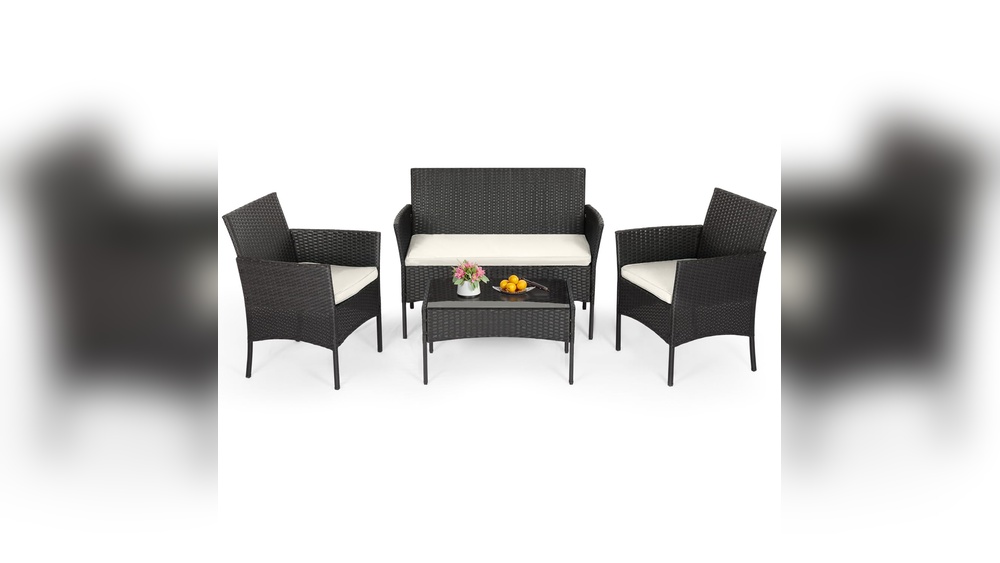
Are you looking to transform your unfinished outdoor wood furniture into a stunning centerpiece? Painting your outdoor wood pieces not only boosts their appearance but also protects them from the elements.
But where do you start? This guide will walk you through simple, step-by-step tips to help you achieve a smooth, long-lasting finish. By the end, you’ll have the confidence to bring new life to your furniture and enjoy beautiful outdoor spaces all year round.
Keep reading, and let’s get your project underway!
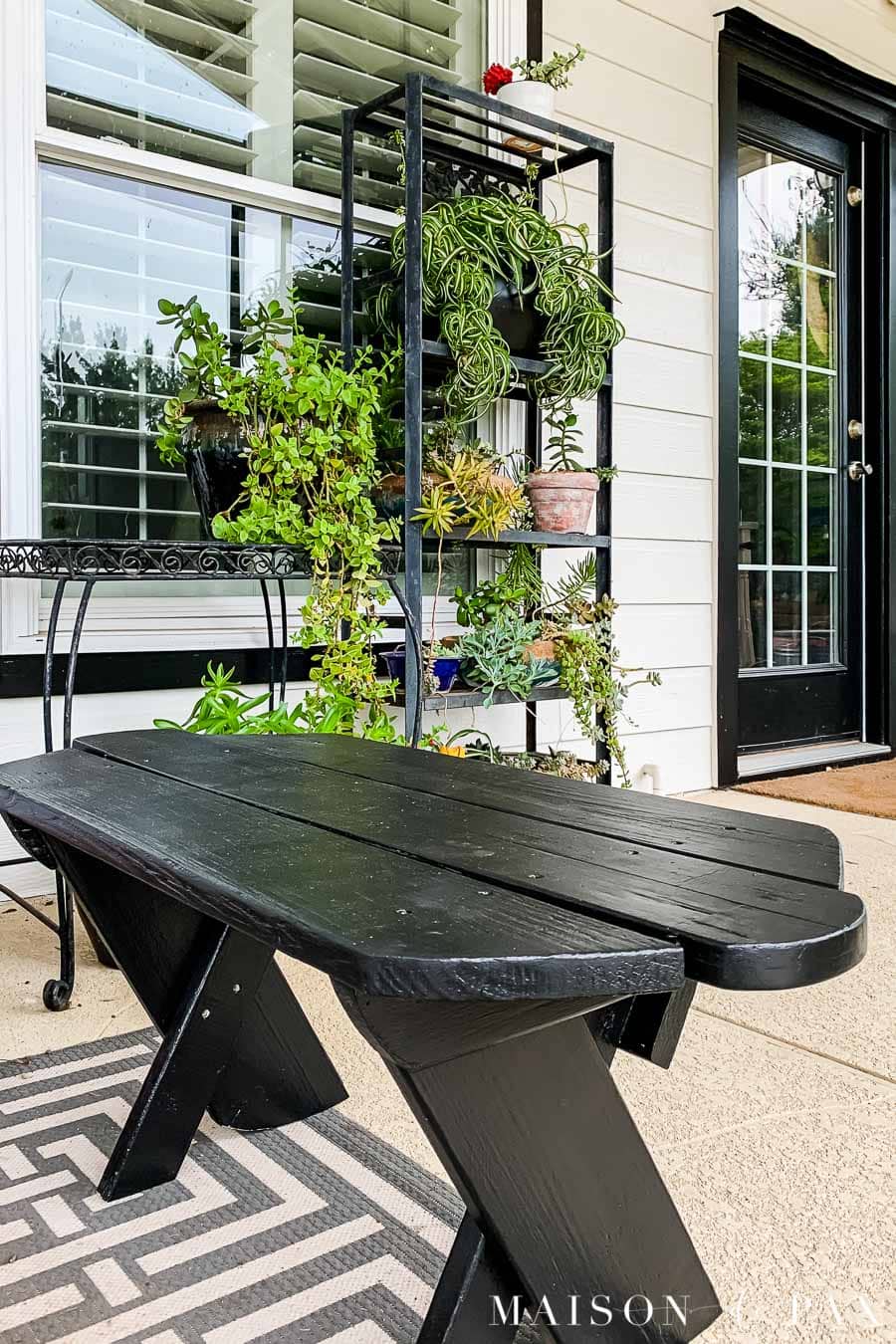
Credit: www.maisondepax.com
Preparing The Wood Surface
Preparing the wood surface is the first step to a long-lasting paint job. It helps paint stick better and look smooth. Taking time to prepare the furniture avoids peeling and uneven color. Clean, smooth, and repaired wood makes the paint job easier and more beautiful.
Cleaning The Furniture
Remove dirt, dust, and old grime from the wood. Use a soft brush or cloth to wipe the surface. For tough stains, mix mild soap with water and scrub gently. Rinse with clean water and let it dry completely before painting.
Sanding For Smoothness
Sand the wood to remove rough spots and splinters. Use medium-grit sandpaper to start, then fine-grit for a smooth finish. Sand in the direction of the wood grain. Wipe away dust with a dry cloth after sanding.
Repairing Imperfections
Check the wood for cracks, holes, or damage. Fill small holes or cracks with wood filler. Let the filler dry, then sand the area smooth. Replace any broken parts or loose screws before painting.
Choosing The Right Paint
Choosing the right paint is key to a good finish on outdoor wood furniture. The paint must protect the wood from weather and last long. It should also look nice and match your style. Picking the right paint means understanding types, colors, and finishes. This guide helps you make smart choices for your project.
Types Of Outdoor Paint
Outdoor paints come in many types. Latex paint is water-based and easy to clean. It dries fast and resists cracking. Oil-based paint is stronger and sticks well to wood. It works great for rough weather but takes longer to dry. There are also special paints with extra protection. Choose paint made for outdoor wood for best results.
Selecting Suitable Colors
Colors affect how your furniture looks and feels. Light colors reflect heat and keep wood cooler. Dark colors absorb heat and may fade faster. Think about your garden or patio colors. Pick shades that blend or stand out nicely. Bright colors can create a cheerful mood. Neutral tones give a classic, calm look.
Considering Paint Finish
Paint finish changes the surface look and feel. Glossy finishes shine and show details well. They are easy to clean but can highlight flaws. Satin or eggshell finishes have soft shine. They hide imperfections better and still resist dirt. Matte finish looks flat and natural. It may be harder to clean. Choose finish based on furniture use and style.
Priming The Wood
Priming the wood is an important step before painting unfinished outdoor wood furniture. It helps the paint stick better and lasts longer. A good primer blocks moisture and protects the wood from weather damage. Priming also creates a smooth surface for the paint.
Benefits Of Using Primer
Primer seals the wood pores. This stops the paint from soaking in too much. It helps the color look even and bright. Primer also stops peeling and cracking over time. It protects the wood from moisture and sun damage.
Applying Primer Evenly
Use a brush or roller to spread primer evenly. Cover every part of the furniture, including edges and corners. Avoid thick layers that can drip or run. Thin, even coats work best. Light sanding after drying improves the surface for paint.
Drying Time Tips
Let the primer dry fully before painting. Check the label for the exact drying time. Usually, it takes 1 to 4 hours. Avoid painting in cold or humid weather. Proper drying helps paint stick well and last longer.
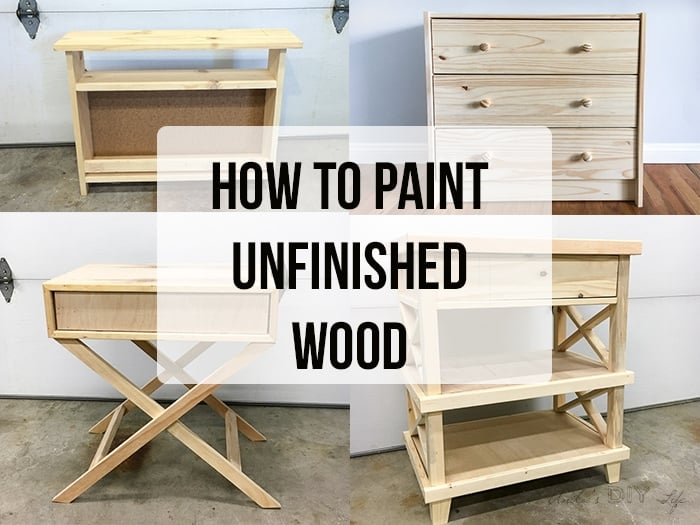
Credit: www.anikasdiylife.com
Painting Techniques
Painting unfinished outdoor wood furniture needs the right techniques. These techniques help the paint last longer and look smooth. Proper painting also protects the wood from weather damage. Focus on the tools and methods for the best results.
Using Brushes Vs. Sprayers
Brushes give control for detailed work and edges. They work well on small pieces and corners. Sprayers cover large areas fast and create a smooth finish. Sprayers need practice to avoid uneven paint layers. Choose brushes for precision and sprayers for speed.
Applying Thin Coats
Thin coats dry faster and reduce paint drips. Multiple thin coats build stronger protection than one thick coat. Let each coat dry fully before applying the next. Thin layers help paint stick better to the wood surface. This method keeps the finish even and neat.
Avoiding Drips And Streaks
Use steady, even strokes to prevent drips. Avoid overloading your brush or sprayer with paint. Start painting from the edges, then fill in the center. Check for drips and smooth them out quickly. Proper technique ensures a clean, streak-free finish.
Protecting The Finish
Protecting the finish on your outdoor wood furniture is key to keeping it beautiful and strong. After painting, the wood still faces sun, rain, and dirt. These elements can cause the paint to fade, peel, or crack over time. Taking steps to protect the finish helps your furniture last longer and look fresh through all seasons.
Adding A Sealant
Sealants create a strong shield over the paint. They stop water from seeping into the wood. Choose a clear, outdoor sealant made for wood surfaces. Apply it evenly with a brush or spray. Let it dry fully before using the furniture. Sealants keep the paint from chipping and protect the wood underneath.
Choosing Uv-resistant Products
Sunlight can fade paint quickly. Use products with UV protection to slow this damage. UV-resistant paints and sealants keep colors bright. Look for labels that mention UV or sunlight resistance. These products help your furniture stay vibrant longer in direct sun.
Maintenance Tips For Longevity
Clean your furniture regularly with mild soap and water. Avoid harsh chemicals that can wear down the finish. Check for cracks or chips and touch them up promptly. Cover the furniture or store it indoors during harsh weather. These small steps extend the life of your paint job and wood.
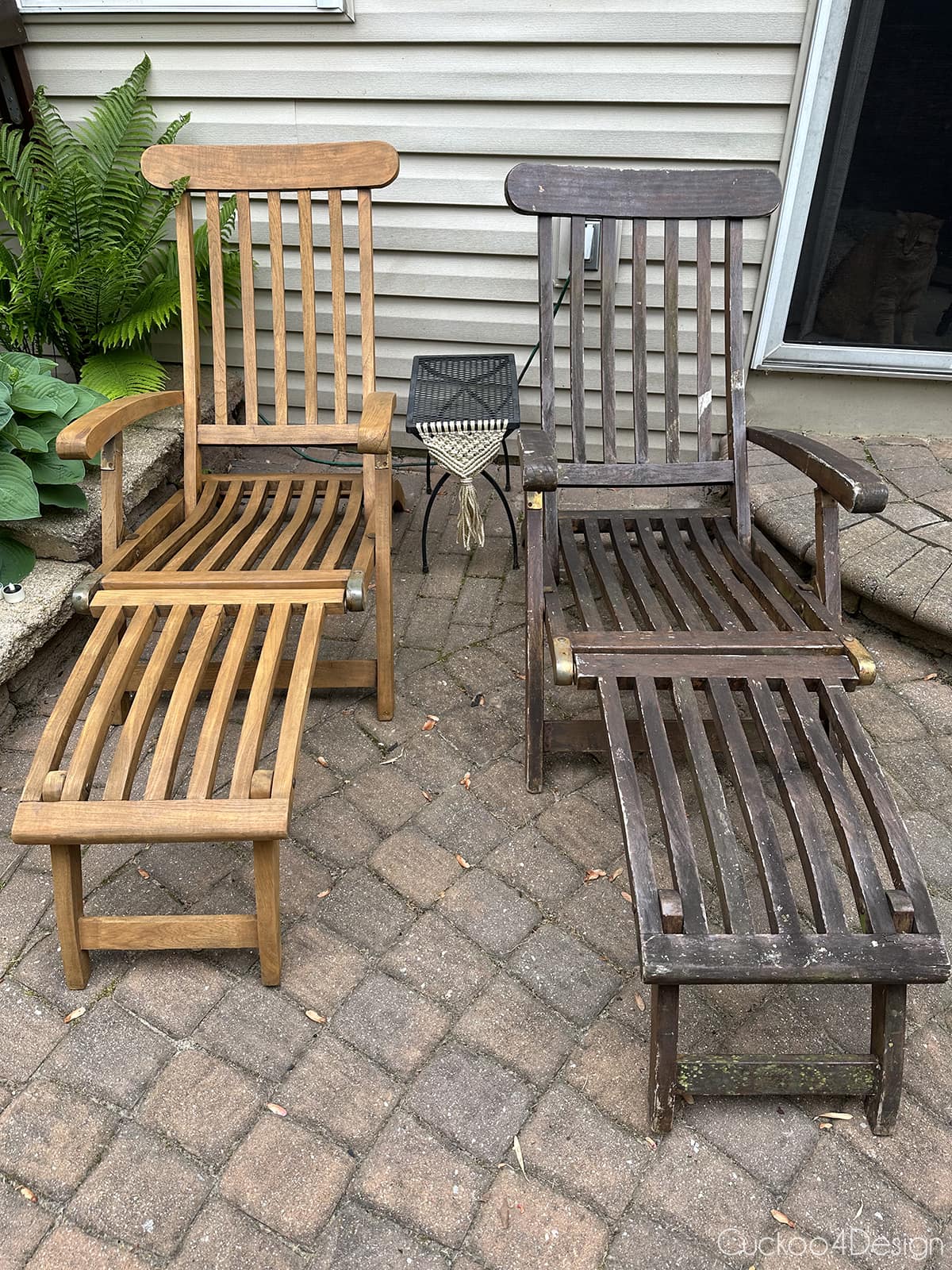
Credit: cuckoo4design.com
Frequently Asked Questions
How Do I Prepare Unfinished Outdoor Wood For Painting?
Start by cleaning the wood with a mild detergent and water. Sand the surface lightly to smooth rough spots. Remove dust with a brush or cloth before painting. Proper preparation ensures paint adhesion and durability.
What Type Of Paint Is Best For Outdoor Wood Furniture?
Use exterior-grade acrylic latex paint for durability and weather resistance. It offers good flexibility and prevents cracking. Avoid interior paints as they don’t withstand outdoor conditions well.
Should I Use Primer Before Painting Outdoor Wood?
Yes, applying a primer enhances paint adhesion and longevity. It seals the wood and prevents moisture damage. Use a high-quality exterior wood primer for best results.
How Many Coats Of Paint Are Needed For Outdoor Furniture?
Apply two to three coats for even coverage and protection. Allow each coat to dry completely before applying the next. Multiple coats improve durability against weather and wear.
Conclusion
Painting unfinished outdoor wood furniture can refresh any space quickly. Start with cleaning and sanding for smooth results. Choose the right paint and apply thin, even coats. Let each layer dry completely before the next. This process protects wood and boosts its look.
With care, your furniture stays beautiful longer. Enjoy your outdoor area with bright, fresh pieces. Simple steps make a big difference. Now, your furniture can face weather and wear with style.