Your cedar outdoor furniture holds a special place in your backyard, adding charm and comfort year after year. But over time, weather and wear can leave it looking dull and worn out.
What if you could bring back that fresh, natural beauty without spending a fortune or buying new pieces? In this guide, you’ll discover simple, effective steps to restore your cedar furniture to its former glory. Keep reading, and you’ll learn how to protect your investment and enjoy your outdoor space even more.

Credit: www.handmadeweekly.com
Assessing The Condition
Before restoring cedar outdoor furniture, it is important to assess its condition. This step helps you understand the work needed to bring it back to life. Careful inspection prevents surprises during restoration. You will know where to focus your effort and resources.
Checking For Damage
Start by examining the furniture closely for any damage. Look for cracks, splits, or broken parts. Check joints and screws to see if they are loose or missing. Small damages can often be fixed easily. Larger damage may require replacement parts or professional help.
Identifying Weathering Signs
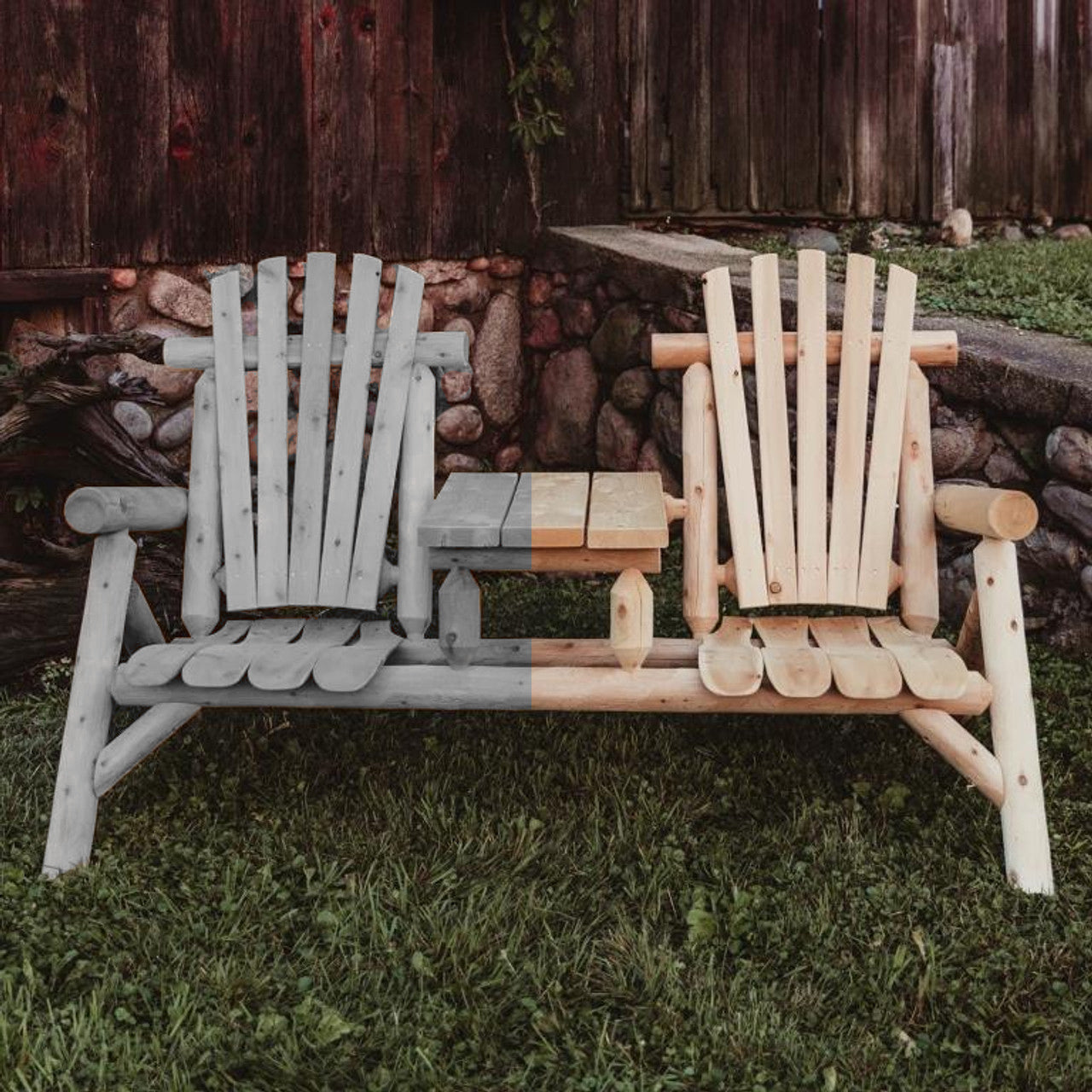
Cedar wood outdoors faces sun, rain, and wind. These elements cause weathering over time. Watch for gray or faded color on the surface. Feel for rough or splintered areas. Mold or mildew spots may also appear. Understanding these signs helps decide on cleaning and refinishing steps.
Credit: lakelandmills.com
Gathering Supplies
Gathering the right supplies is the first step to restoring cedar outdoor furniture. Having everything ready saves time and makes the job easier. It helps you work smoothly without interruptions. Use the proper tools and cleaning products for the best results.
Essential Tools
Start with basic tools like a soft brush and a sponge. A garden hose or bucket of water is needed for rinsing. Sandpaper or a sanding block helps smooth rough spots and remove old finish. Wear gloves to protect your hands. A clean cloth or towel is useful for drying the wood.
Recommended Cleaning Products
Choose a gentle wood cleaner made for cedar furniture. Avoid harsh chemicals that can damage the wood. A mild detergent mixed with water also works well. Use a wood brightener to restore the natural color. These products help remove dirt, mildew, and stains safely.
Cleaning The Furniture
Cleaning cedar outdoor furniture is the first step to restoring its natural beauty. Dirt, dust, and debris settle on the wood over time. This buildup can cause damage if not removed properly. Careful cleaning helps prepare the surface for further restoration. It also prevents mold and mildew growth that can spoil the wood.
Removing Dirt And Debris
Start by brushing off loose dirt with a soft brush. Avoid hard scrubbing to protect the wood’s surface. Use a broom or a dry cloth to remove leaves and twigs. Check corners and crevices for trapped debris. Removing this buildup prevents scratches during washing.
Washing Techniques
Mix mild soap with warm water in a bucket. Use a soft sponge or cloth to wash the furniture gently. Rinse with clean water to remove soap residue. Avoid using high-pressure water as it can damage the wood fibers. Let the furniture dry completely before the next restoration steps.
Sanding For Smoothness
Sanding is an important step to restore cedar outdoor furniture. It removes old finishes and smooths rough spots. A smooth surface helps new paint or sealant stick better. This makes your furniture look fresh and last longer.
Proper sanding also prevents splinters and rough patches. It brings out the natural beauty of cedar wood. Taking time to sand well improves both appearance and durability.
Choosing The Right Grit
Start sanding with coarse grit sandpaper. Use 80-grit to remove old paint or rough surfaces. After that, switch to medium grit, like 120-grit. This smooths the wood further without deep scratches.
Finish with fine grit sandpaper, around 220-grit. This gives the wood a soft, smooth feel. Using the right grit step-by-step avoids damage and keeps wood healthy.
Sanding Tips
Sand along the grain of the wood, not against it. This reduces scratches and keeps the surface even. Use a sanding block or electric sander for consistent pressure.
Wear a mask to protect from dust. Clean the wood with a dry cloth after sanding. Check for rough spots and sand again if needed. Take your time for the best results.
Repairing Damages
Repairing damages is an important step to restore cedar outdoor furniture. Small cracks and splits can get worse over time. Broken parts weaken the structure and can cause accidents. Fixing these issues early helps keep your furniture safe and looking good. It also extends the life of your cedar pieces.
Fixing Cracks And Splits
Start by cleaning the damaged area with a soft brush. Remove dirt and debris from cracks. Use wood glue designed for outdoor use. Apply glue inside the crack with a small brush or toothpick. Press the crack together and hold it with clamps or tape. Let the glue dry for at least 24 hours. Sand the repaired area smooth using fine-grit sandpaper. Finish with a coat of outdoor wood oil or sealant to protect the repair.
Replacing Broken Parts
Identify which parts need replacement, like slats or legs. Remove damaged pieces carefully with a screwdriver or saw. Measure the broken part to get the exact size for replacement. Cut a new piece from matching cedar wood. Sand the edges to fit smoothly. Attach the new part with outdoor screws or wood glue. Check for stability and tighten screws if needed. Apply finish to match the rest of the furniture.
Credit: www.thriftydecorchick.com
Applying Finish
Applying finish is a key step in restoring cedar outdoor furniture. It protects the wood from weather damage and keeps it looking fresh. A good finish also brings out the natural beauty of cedar. Choose the right product and apply it with care for the best results.
Selecting Stains Or Sealants
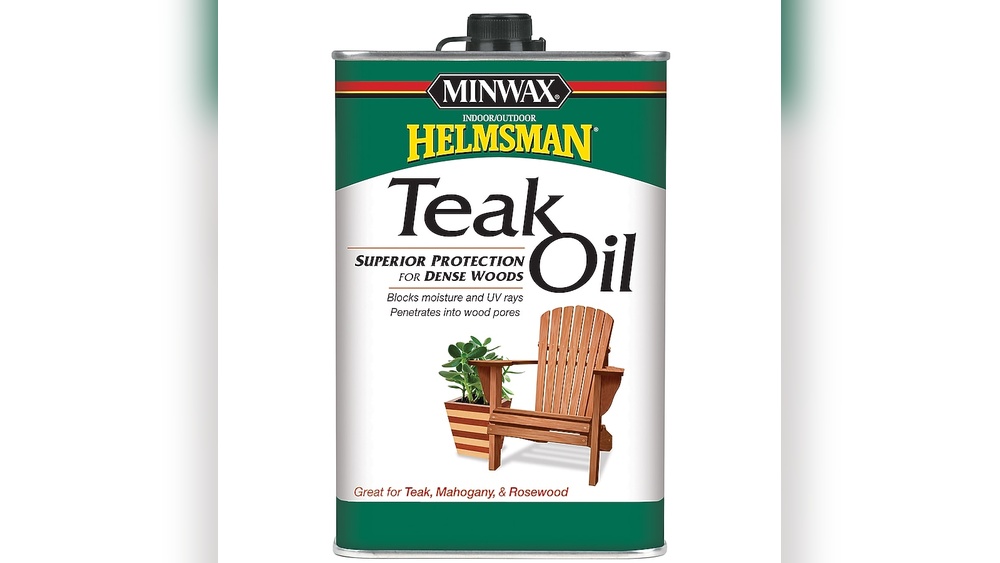
Choose a stain or sealant made for outdoor cedar wood. Stains add color and highlight the wood grain. Sealants protect against moisture and UV rays. Some products combine both stain and sealant. Pick a finish that matches your style and climate. Test the product on a small area first. Check how it dries and looks before full application.
Proper Application Methods
Clean the furniture thoroughly before applying finish. Use a brush or sprayer for even coverage. Apply thin coats to avoid drips and pooling. Let each coat dry completely before adding another. Light sanding between coats helps the finish stick better. Work in a shaded area to prevent quick drying. Follow the product instructions carefully for best results.
Maintaining Cedar Furniture
Cedar outdoor furniture adds natural beauty to any space. Maintaining it keeps the wood strong and looking fresh. Regular care helps prevent damage from weather and dirt. Simple steps can extend the life of your cedar pieces.
Regular Cleaning Routine
Clean cedar furniture often to remove dust and debris. Use a soft brush or cloth for gentle cleaning. Mix mild soap with water and scrub lightly. Avoid harsh chemicals that can harm the wood. Rinse with clean water and let it dry fully. Clean furniture stays bright and resists mold and stains.
Seasonal Protection Tips
Protect cedar furniture before harsh seasons arrive. Apply a wood sealant or oil to keep moisture out. Cover furniture during heavy rain or snow using waterproof covers. Store pieces indoors if possible during winter months. Check for cracks or damage and repair quickly. Seasonal care helps prevent warping and fading over time.
Frequently Asked Questions
How Do I Clean Cedar Outdoor Furniture Before Restoring?
Start by brushing off dirt and debris using a soft brush. Then, wash with mild soap and water. Rinse thoroughly and let it dry completely before proceeding with restoration steps. Proper cleaning ensures better adhesion of treatments and finishes.
What Is The Best Way To Sand Cedar Furniture?
Use fine-grit sandpaper (120-150 grit) to gently sand the surface. Always sand in the wood grain direction to avoid scratches. Sanding removes old finishes and smooths rough spots, preparing the wood for staining or sealing.
Should I Apply A Sealant After Restoring Cedar Furniture?
Yes, applying a high-quality sealant protects cedar from moisture and UV damage. Sealants extend the furniture’s life and maintain its natural beauty. Choose a product designed for outdoor wood and reapply annually for best results.
How Often Should Cedar Outdoor Furniture Be Restored?
Restore cedar furniture every 2-3 years, depending on exposure to weather. Regular maintenance prevents wood deterioration and preserves its appearance. Inspect the furniture yearly to decide if cleaning or refinishing is needed.
Conclusion
Restoring cedar outdoor furniture takes time and care. Clean the wood gently and sand it smooth. Apply a good finish to protect against weather. Regular maintenance keeps your furniture looking fresh longer. Enjoy the natural beauty of cedar in your outdoor space.
Small steps make a big difference. Your furniture will stay strong and beautiful for years. Try these tips to bring life back to old pieces. Caring for cedar furniture is simple and rewarding. Start today and see the change yourself.