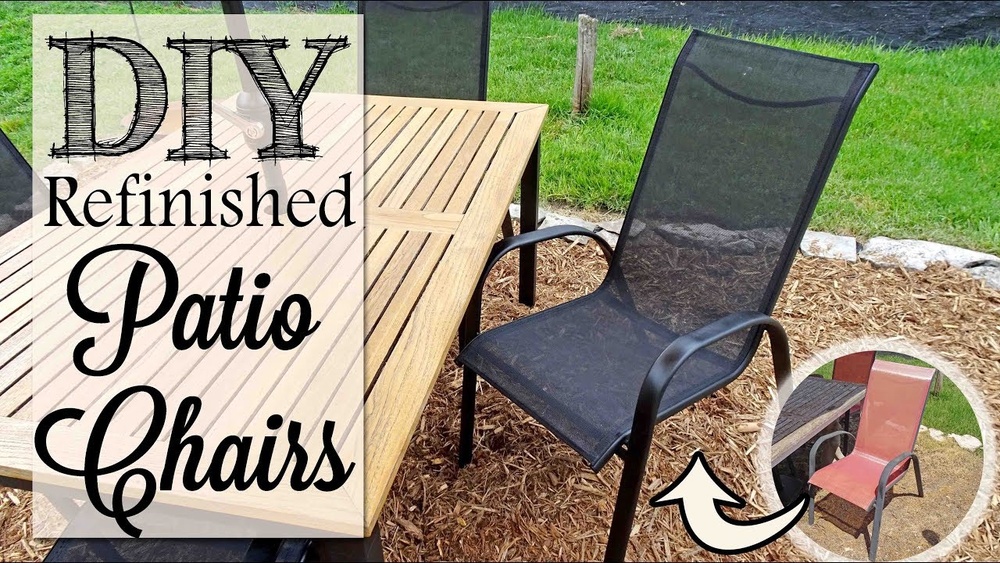
Rust spots on your outdoor furniture can turn a beautiful backyard into an eyesore. You don’t have to replace your favorite chair or table just because of a few rust marks.
Imagine enjoying your outdoor space without worrying about rusty stains ruining the look. In this guide, you’ll discover simple, effective ways to fix rust spots and bring your furniture back to life. Keep reading to learn how to protect your investment and make your outdoor area shine again.
Identify Rust On Furniture
Rust can damage outdoor furniture quickly if left unchecked. Spotting rust early helps protect your pieces and keeps them looking good. Knowing how to identify rust on furniture is the first step in fixing it. It also prevents further damage and costly repairs.
Rust appears in different ways, depending on the material and exposure. This section explains common signs of rust and the materials most likely to rust outdoors.
Common Rust Signs
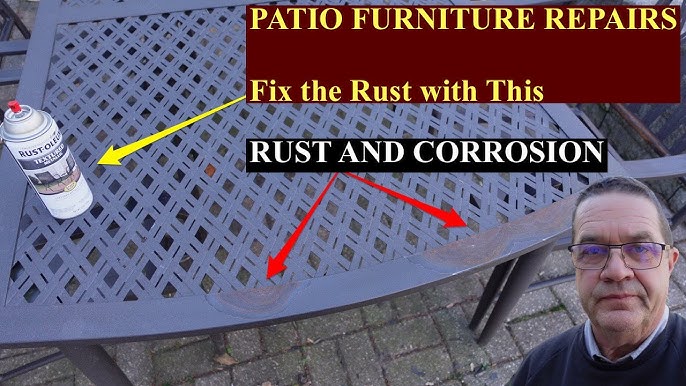
Rust often looks like reddish-brown spots on metal surfaces. It feels rough or flaky to the touch. Sometimes, rust creates small bubbles under paint or finishes. You might see stains spreading or metal weakening in certain areas. Rust can also cause a musty or metallic smell around furniture.
Materials Prone To Rust
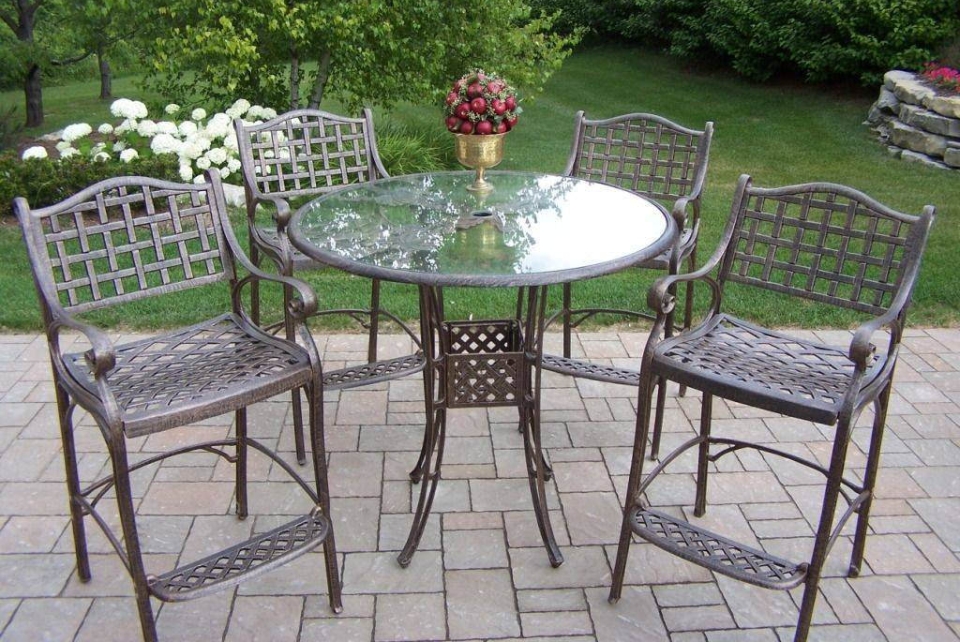
Iron and steel furniture rust the easiest when exposed to moisture. Aluminum can corrode but rust is rare. Wrought iron is very prone to rust if not sealed. Even some metal coatings can wear off over time, exposing the metal underneath. Wooden furniture with metal parts may show rust on the hardware or fasteners.
Credit: www.youtube.com
Gather Needed Tools
Before you start fixing rust spots on outdoor furniture, gather all the tools you need. Having the right supplies makes the job easier and faster. It also helps you clean the rust properly and protect your furniture from future damage. Below are the main tools to prepare.
Cleaning Supplies
Start with basic cleaning items. A bucket, warm water, and mild soap help remove dirt and grime. Use a soft brush or sponge to scrub the surface gently. Clean furniture allows rust removers to work better. Rinse with clean water and dry well before treating rust.
Rust Removal Products
Choose rust removers designed for outdoor furniture. Options include rust converters, rust dissolvers, or sanding tools. Rust converters turn rust into a paintable surface. Dissolvers break down rust for easy wiping. Sandpaper or wire brushes help remove tough rust spots. Pick what fits your furniture type.
Protective Gear
Wear gloves to protect your hands from chemicals and rust. Safety glasses shield your eyes from dust and splashes. Use a mask if sanding or using strong rust removers. Proper protection keeps you safe during the cleaning and repairing process.
Prepare The Furniture
Preparing your outdoor furniture is the first step to fixing rust spots. Proper preparation ensures the repair lasts longer. It also makes the surface ready for new paint or sealant. Start by cleaning and removing loose rust.
Clean The Surface
Use a mild soap mixed with water to clean the furniture. A sponge or soft brush works well for this job. Remove dirt, dust, and grease completely. Rinse with clean water and let it dry. A clean surface helps rust removal tools work better.
Remove Loose Rust
Use a wire brush or sandpaper to remove loose rust flakes. Scrub gently but firmly to avoid damaging the metal. Focus on rusty areas until smooth metal shows. Wipe away dust with a dry cloth. Removing loose rust prevents further corrosion under new paint.
Credit: www.homecrux.com
Remove Rust Effectively
Rust spots can spoil the look of your outdoor furniture. Removing rust quickly stops damage and keeps furniture safe. Use simple methods to remove rust without harming the surface. Choose the best way that fits your tools and time.
Using Vinegar And Baking Soda
Vinegar and baking soda work well to remove rust naturally. Soak a cloth in white vinegar and apply it on rust spots. Let it sit for 10 to 15 minutes. Sprinkle baking soda on the rust. Use a soft brush to scrub gently. Rinse with water and dry the surface fully.
Applying Commercial Rust Removers
Commercial rust removers are strong and fast. Follow the product instructions carefully. Wear gloves to protect your skin. Apply the remover to the rust spots using a cloth or brush. Wait the suggested time for the product to work. Wipe off the rust with a clean cloth. Rinse and dry the furniture completely.
Sanding Techniques
Sanding is effective for tough rust spots. Use fine-grit sandpaper to avoid scratching the surface. Sand the rust gently in circular motions. Clean off dust with a damp cloth. Repeat sanding if needed until rust disappears. Finish by drying and applying protective paint or sealant.
Protect And Restore Finish
Protecting and restoring the finish on outdoor furniture helps prevent rust from coming back. A strong finish keeps moisture and air away. This stops metal from corroding again. The right steps can make your furniture look new. Follow simple techniques to keep the finish smooth and sealed.
Priming Rust-free Areas
Apply primer only on clean, dry metal. Choose a rust-inhibiting primer for best results. Use a brush or spray for even coverage. Cover all spots near the repaired rust areas. Let the primer dry fully before painting. This step prevents rust from spreading under the paint.
Painting Tips
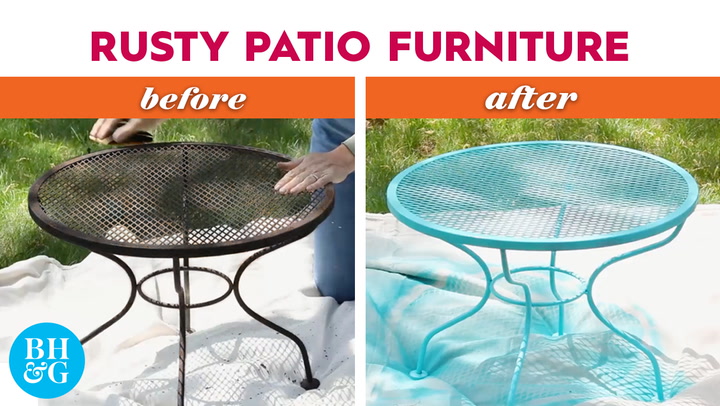
Select paint made for outdoor metal surfaces. Use thin, even coats for a smooth finish. Paint in dry weather to avoid bubbles and peeling. Allow each coat to dry before applying the next. Two or three coats usually give good protection. Bright colors can refresh old furniture and hide repairs well.
Applying Sealants
Sealants add a clear protective layer over paint. They block water and air from reaching metal. Apply sealant after paint is completely dry. Use a brush or spray for even coverage. Let sealant cure as the label directs. Regular sealing extends the life of your furniture’s finish.
Prevent Future Rust
Preventing rust on outdoor furniture saves money and time. It keeps your furniture looking new longer. Taking small steps regularly helps avoid rust buildup. Simple habits make a big difference in protection.
Regular Maintenance
Check your furniture often for early rust signs. Clean dirt and moisture quickly to stop rust growth. Use a soft brush and mild soap for cleaning. Dry the furniture completely after washing. Apply rust-resistant paint or sealant yearly. Small fixes prevent bigger rust problems later.
Proper Storage
Store furniture in dry, covered places during bad weather. Avoid leaving metal furniture in rain or snow. Use a garage or shed if possible. Keep furniture off the ground to reduce moisture contact. Proper storage limits exposure to elements that cause rust.
Use Of Protective Covers
Cover furniture with waterproof, breathable covers when not in use. Covers shield metal from rain and humidity. Choose covers that fit well and allow air flow. Remove covers on sunny days to prevent mold. Protective covers add a strong layer against rust.
Credit: www.bhg.com
Frequently Asked Questions
How Do I Remove Rust From Outdoor Furniture?
Use a wire brush or sandpaper to scrub rust spots. Apply a rust remover or vinegar solution. Rinse and dry thoroughly before repainting or sealing.
Can I Prevent Rust On Metal Outdoor Furniture?
Yes, regularly clean and dry your furniture. Apply a rust-resistant primer and paint. Store furniture indoors or cover during rain and snow.
What Materials Are Best For Rust-resistant Outdoor Furniture?
Aluminum, stainless steel, and powder-coated metals resist rust well. These materials require less maintenance and last longer outdoors.
Is It Safe To Use Household Items To Fix Rust?
Yes, white vinegar and baking soda effectively remove rust. They are affordable, non-toxic, and easy to apply on outdoor furniture.
Conclusion
Rust spots do not have to ruin your outdoor furniture. Clean and treat the spots quickly to stop rust from spreading. Use simple tools and products you can find at home. Regular care keeps your furniture looking fresh and strong.
Enjoy your outdoor space without worrying about rust damage. Small steps make a big difference over time. Keep your furniture ready for every season. Easy fixes help you save money and effort. Start today, and protect your outdoor furniture for years to come.