Are your outdoor furniture legs looking rusty and worn out? Rust not only ruins the look of your favorite pieces but can also weaken their structure over time.
You might think replacing the furniture is your only option, but that’s not true. You can bring your rusted legs back to life with some simple, effective steps. You’ll discover easy ways to fix rusted legs on your outdoor furniture, saving you money and keeping your space looking fresh.
Keep reading to learn how to restore strength and style to your furniture quickly and easily.

Credit: www.reddit.com
Identify Rust Damage
Identifying rust damage on outdoor furniture legs is the first step to fixing them. Rust can weaken the metal and cause furniture to break. Early detection helps you decide the best repair method. Carefully check each leg for signs of rust or corrosion.
Look closely at the color and texture. Rust often appears as reddish-brown spots. It can make metal feel rough or flaky. Knowing the rust’s extent saves time and effort in repairs.
Check Extent Of Rust
Start by examining all furniture legs thoroughly. Use a bright light to see small rust patches. Run your hand over the legs to feel rough areas. Tap the metal gently to detect weak spots. Large rust areas need more work than small ones. Note if rust only covers the surface or if it has eaten deep into the metal.
Assess Furniture Material
Know what material your furniture legs are made of. Common metals include steel, iron, and aluminum. Rust affects each metal differently. Iron and steel rust easily. Aluminum may corrode but not rust in the same way. Identifying the material helps choose the right cleaning and repair tools. It also guides you on which rust remover or paint to use after cleaning.
Gather Necessary Tools
Fixing rusted legs on outdoor furniture starts with gathering the right tools. Having everything ready makes the job easier and faster. It also helps you avoid interruptions while working. Focus on collecting items that remove rust and protect you during the process.
Rust Removal Supplies
Begin with rust removal supplies. You need a wire brush or sandpaper to scrub off rust. A rust remover liquid or gel can help dissolve tough rust spots. A clean cloth or rag is useful to wipe surfaces after cleaning. Also, consider a metal primer and paint to protect the legs after rust removal.
Safety Gear
Safety gear is essential when working with rust and chemicals. Wear gloves to protect your hands from sharp edges and irritants. Use safety goggles to shield your eyes from dust and splashes. A mask or respirator helps prevent inhaling rust particles and fumes. Dress in old clothes that cover your arms and legs.
Prepare The Furniture
Preparing the furniture is the first step to fix rusted legs on outdoor furniture. This step ensures the surface is ready for repair. Proper preparation helps the rust removal and painting last longer. Follow simple steps to get the furniture ready.
Clean Surface Dirt
Start by removing dirt and dust from the furniture legs. Use a brush or cloth to wipe off loose debris. For tougher grime, mix mild soap with water. Scrub the legs gently with a sponge or brush. Rinse with clean water and let it dry completely. Clean legs help rust removal products work better.
Protect Surrounding Areas
Cover nearby plants, floors, or walls with plastic sheets or old newspapers. This stops dirt, rust, or paint from causing stains. Tape the covers in place to avoid movement. Wear gloves and old clothes to protect yourself. Taking these precautions keeps the repair area neat and safe.

Credit: www.youtube.com
Remove Rust
Removing rust from outdoor furniture legs is the first step in repair. Rust weakens the metal and causes damage. Cleaning it off helps protect the furniture. It also makes the legs ready for painting or sealing. Use tools and products to get rid of rust effectively. Choose the best method based on the rust’s severity and your tools.
Use Wire Brush Or Sandpaper
Start with a wire brush to scrape off loose rust. It works well on rough surfaces. For smaller spots, sandpaper can smooth the metal. Use medium to coarse grit sandpaper for best results. Sand until the metal looks clean and shiny. Wear gloves to protect your hands during this task.
Apply Rust Remover Chemicals
Rust remover liquids dissolve rust quickly. Apply the chemical with a cloth or brush. Follow the instructions on the product label carefully. Let the remover sit for the recommended time. Afterward, wipe or rinse the legs clean. This method works well for tough rust stains.
Try Natural Rust Removal Methods
Natural options use household items to fight rust. White vinegar soaks the rust and breaks it down. Apply vinegar with a cloth or soak small parts. Baking soda mixed with water creates a paste. Rub the paste on rust and let it sit. Use a brush or cloth to scrub off rust. These methods are gentle and eco-friendly.
Repair Surface
Repairing the surface of rusted legs is an important step in restoring outdoor furniture. Rust can cause rough spots, holes, and pits that weaken the metal. Fixing these issues makes the legs strong and ready for painting. This process helps the furniture last longer and look better.
Start by filling any pits and holes to create a smooth base. After that, sanding will even out the surface. These steps prepare the legs for the final finish and protect them from future rust.
Fill Pits And Holes
Use a metal filler or epoxy putty to fill pits and holes. Apply the filler with a putty knife and press it firmly into the damaged areas. Make sure to cover all rusted spots fully. Let the filler dry completely. This creates a solid surface to work on next.
Smooth Surface With Sanding
After the filler dries, sand the legs with medium-grit sandpaper. Sand until the surface feels even and smooth. Focus on edges and filled areas to blend them well. Wipe away dust with a clean cloth. A smooth surface helps paint stick better and gives a neat finish.
Apply Protective Coating
Applying a protective coating is important after fixing rust on outdoor furniture legs. It stops new rust from forming. It also keeps the metal safe from rain and sun. A good coating makes your furniture last longer and look better.
Use the right materials to protect the metal well. This process involves choosing a primer and paint, then sealing the surface. These steps give strong protection against rust and weather damage.
Choose Primer And Paint
Start with a rust-inhibiting primer. This layer stops rust from coming back. It also helps paint stick better. Pick a primer made for metal and outdoor use.
Next, apply a paint made for metal surfaces. Use paint that is weatherproof and rust-resistant. Use thin, even coats. Let each coat dry before adding the next. This builds a tough, protective layer.
Use Rust-resistant Sealant
After painting, add a sealant for extra protection. Sealants block moisture and air from reaching the metal. Choose a clear, rust-resistant sealant made for outdoor metal.
Apply the sealant evenly with a brush or spray. Let it dry completely. This final layer keeps your furniture legs safe from rust and damage for a long time.
Maintain Furniture
Maintaining outdoor furniture helps keep rust away from the legs. Rust forms when metal meets moisture and air. Regular care stops rust before it starts. A little effort extends furniture life and keeps it looking good. Follow simple steps to protect and clean your furniture often.
Regular Cleaning Tips
Clean furniture every week to remove dirt and moisture. Use a soft brush or cloth with mild soap and water. Avoid harsh chemicals that can damage metal surfaces. Dry the legs well after washing to prevent rust. Check for small rust spots and treat them quickly. Cover furniture or move it indoors during rain or snow.
Seasonal Care Advice
Prepare furniture before winter to avoid rust damage. Apply a rust-resistant spray or paint to metal legs. Store furniture in a dry place or use strong covers. Remove leaves and debris that trap moisture. Inspect furniture in spring for any rust or damage. Fix rust spots early to stop spread and keep legs strong.
Prevent Future Rust
Preventing rust on outdoor furniture legs keeps them strong and looking good longer. Taking simple steps helps stop rust before it starts. Regular care protects your furniture from moisture and harsh weather. This saves time and money on repairs later.
Cover Furniture When Not In Use
Use waterproof covers to shield furniture from rain and dew. Covers block moisture that causes rust. Choose covers that fit well and allow air flow. This stops water from sitting on metal legs. Always cover furniture after cleaning or use.
Store Indoors During Harsh Weather
Move furniture inside during winter or heavy storms. Cold, wet weather speeds up rust formation. A dry garage or shed works best for storage. If indoor space is limited, place furniture under a sturdy shelter. This keeps legs dry and rust-free.
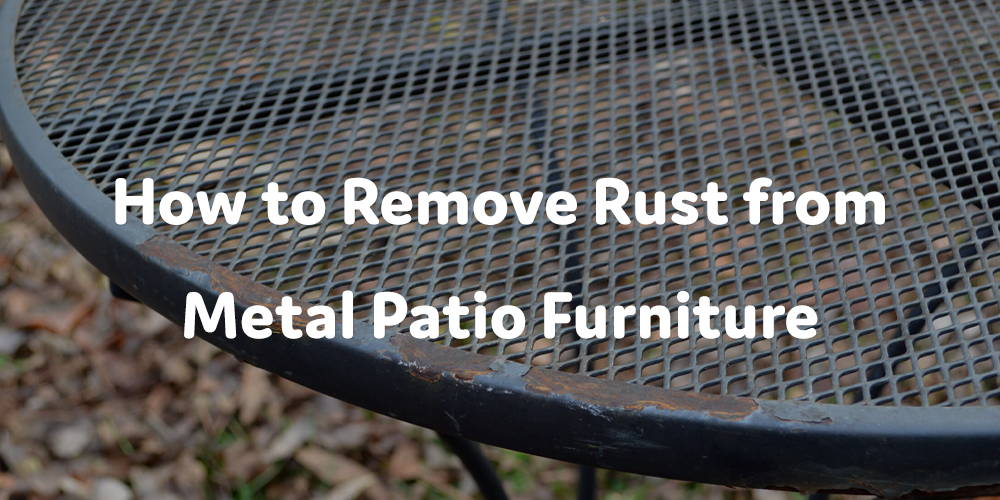
Credit: www.furnituremaxi.com
Frequently Asked Questions
How Do I Remove Rust From Outdoor Furniture Legs?
Use a wire brush or sandpaper to scrub off rust. Apply a rust remover or vinegar for stubborn spots. Rinse and dry thoroughly before repainting or sealing the legs to prevent further rusting.
What Materials Are Best To Fix Rusted Furniture Legs?
Steel wool, sandpaper, rust remover, primer, and rust-resistant paint work best. These materials help clean, protect, and restore the furniture legs effectively, extending their lifespan outdoors.
Can I Prevent Rust On Outdoor Furniture Legs?
Yes, regularly clean and dry the legs. Apply a rust-resistant primer and paint. Cover furniture when not in use and store indoors during harsh weather to minimize rust formation.
How Long Does It Take To Fix Rusted Outdoor Furniture Legs?
Cleaning and sanding usually takes 30-60 minutes. Applying rust remover and paint requires drying time, often several hours. The total process may take a day for best results.
Conclusion
Fixing rusted legs on outdoor furniture takes patience and care. Clean the rust well and use the right tools for the job. A good paint or sealant can protect the metal longer. Small repairs today can save you money later.
Enjoy your outdoor space without worrying about rusty furniture. Regular checks will keep your furniture looking fresh and strong. Rust doesn’t have to mean the end of your favorite pieces. Take action, and your furniture will last through many seasons.