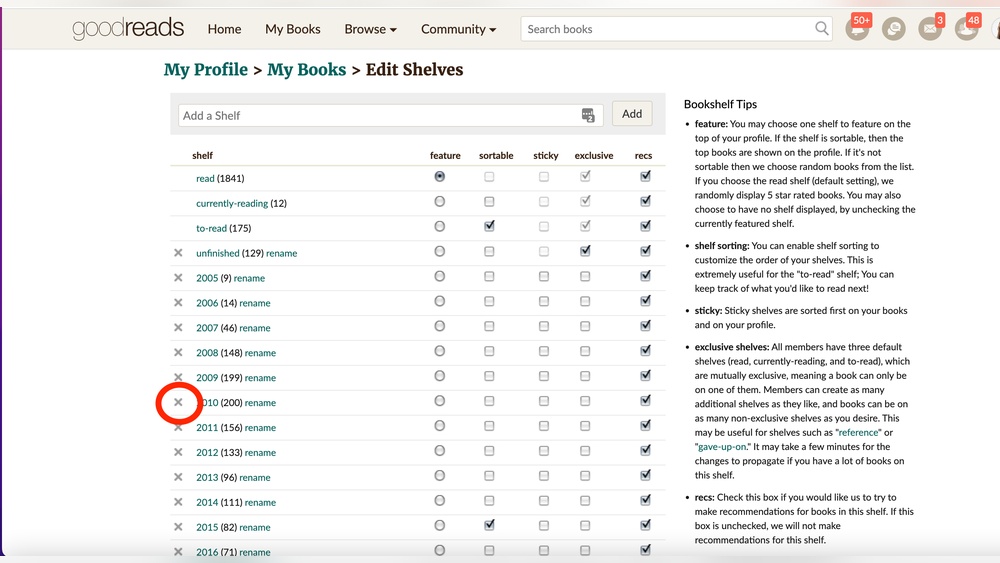
Have you ever struggled to flip pages smoothly on Bookshelf? Whether you’re reading an important document or diving into a favorite book, awkward page turns can disrupt your flow and cause frustration.
Imagine a simple trick that makes flipping pages effortless and quick every time you open Bookshelf. You’ll discover easy steps to master page turning so you can focus on what really matters—enjoying your reading without interruptions. Keep reading to transform the way you interact with your digital books.
Credit: www.amazon.com
Choosing The Right Bookshelf
Choosing the right bookshelf makes flipping pages easier and more enjoyable. A good bookshelf holds your books well. It helps you find and open books without struggle. Picking the correct bookshelf fits your space and style. It also keeps your books safe and neat. Consider these key points before buying or setting up your bookshelf.
Types Of Bookshelves
Bookshelves come in many shapes and styles. Wall-mounted shelves save floor space. Standing shelves offer more storage and flexibility. Cubby-style shelves create neat compartments for books. Ladder shelves add a modern touch and are easy to access. Choose the type that fits your room and book collection best.
Bookshelf Size And Layout
Size matters for comfort and convenience. Measure your space carefully before buying. Ensure shelf height matches your tallest books. Depth should hold books without sticking out. Layout affects how you flip pages on books. Open shelves allow quick access and easy browsing. Closed shelves protect books from dust but need doors to open wide.
Material And Durability
Bookshelves come in wood, metal, and plastic. Solid wood looks classic and lasts long. Metal shelves are sturdy and modern. Plastic shelves are lightweight and budget-friendly. Choose a material that fits your style and budget. Durability matters to support heavy books without bending or breaking.

Credit: www.vecteezy.com
Setting Up Your Reading Space
Setting up your reading space is the first step to enjoy flipping pages on Bookshelf. A good space helps you focus and feel relaxed. It makes reading more fun and less tiring. Small changes can make a big difference in your reading experience.
Optimal Lighting
Choose a spot with bright, soft light. Natural light works best during the day. At night, use a lamp that does not shine too harshly. Avoid light that creates glare on your screen. Proper lighting prevents eye strain and keeps you comfortable.
Comfortable Seating
Pick a chair that supports your back well. Sit upright but relaxed. Use cushions if needed. Keep your feet flat on the floor. Comfortable seating helps you read longer without feeling tired or sore.
Minimizing Distractions
Find a quiet place where noise is low. Turn off notifications on your devices. Keep your phone away or on silent. A calm space helps you stay focused on the book. This makes flipping pages smooth and enjoyable.
Techniques For Flipping Pages Quickly
Flipping pages quickly on a bookshelf saves time and keeps your reading flow smooth. Using simple techniques helps you turn pages fast without damage. These methods work well for paper and digital books. Practicing them improves your speed and comfort.
Using Your Thumb And Fingers
Place your thumb on the page’s edge. Use your index finger to lift the corner. Slide your thumb and finger together to turn the page. This method feels natural and controls the page well. It works best for thin, light pages.
Page Corner Grasping
Pinch the corner of the page between your thumb and index finger. Pull gently to separate it from the rest. Lift and flip the page quickly with a smooth motion. This technique avoids tearing and helps with thicker pages. It is ideal for books with stiff paper.
Leveraging Page Edges
Use your thumb to hold the book open near the spine. Slide your finger along the page edge to lift it. Push the page over using a flicking motion. This way, you turn pages fast without losing grip. It works well for digital books or thin paper.
Tools To Aid Page Flipping
Flipping pages smoothly can make reading more enjoyable. Using the right tools helps you turn pages without damage. These tools support a better reading flow and protect your books. Here are some useful tools to aid page flipping.
Page Turners And Holders
Page turners are simple tools that help you lift pages easily. They work well for thin or fragile paper. Holders keep the book open so you can read hands-free. Both tools reduce stress on your fingers and the book spine.
Digital Page Flipping Options
Many apps and e-readers offer digital page flipping. You can swipe or tap to change pages. Some apps add sound effects that mimic real page turns. Digital flipping is fast and clean, with no risk of tearing pages.
Bookmark Tips
Bookmarks save your place without damaging pages. Use thin, flexible bookmarks to avoid bulky folds. Magnetic bookmarks stick securely and do not slip. A good bookmark makes returning to your page easy and quick.
Maintaining Book Condition
Keeping books in good shape makes reading more enjoyable. Books last longer when handled with care. Proper care helps preserve pages and covers. This section explains how to keep your books neat and safe.
Gentle Page Handling
Turn pages slowly and with clean hands. Avoid bending or folding pages. Hold the book firmly but gently. Use fingertips, not nails, to flip pages. These small steps reduce damage over time.
Avoiding Page Tears
Do not force pages open wide. Use a bookmark instead of folding corners. Keep food and drinks away from books. Tears happen easily with rough handling. Careful use prevents costly damage.
Cleaning And Care
Dust books regularly with a soft cloth. Store books upright on shelves. Avoid direct sunlight to prevent fading. Use a dry cloth to clean covers gently. Proper cleaning keeps books fresh and lasting.
Speed Reading Strategies
Speed reading helps you go through books faster. It lets you understand the main ideas quickly. Using smart methods can improve your reading speed on Bookshelf. Here are some easy strategies to try.
Skimming And Scanning
Skimming means reading only the main points. Look at titles, headings, and bold words. This gives a quick overview of the page. Scanning means searching for specific words or facts. Move your eyes fast to find what you need. Both methods save time and help focus on key info.
Chunking Text
Chunking means reading groups of words together. Instead of reading word by word, try to see phrases. This reduces eye movement and speeds up reading. Practice by reading two to three words at once. It helps your brain understand faster and keeps your place on the page.
Using A Pointer
Use your finger or a pen to guide your eyes. Move the pointer smoothly under the line you read. This keeps your focus and stops your eyes from jumping around. It also increases your reading speed. Try to keep the pointer moving steadily to keep pace.

Credit: www.vecteezy.com
Frequently Asked Questions
How Do I Flip Pages On Bookshelf App?
To flip pages on the Bookshelf app, swipe left or right on the screen. You can also tap the edges to navigate pages quickly.
Can I Use Keyboard Shortcuts To Flip Pages?
Yes, use the arrow keys on your keyboard to flip pages forward or backward when reading on Bookshelf.
Is There An Option To Auto-flip Pages?
Bookshelf does not currently support auto-flip. You must manually swipe or tap to move through pages.
How To Zoom In While Flipping Pages?
Pinch out on the screen to zoom in. This helps read small text while flipping pages smoothly.
Conclusion
Flipping pages on Bookshelf is simple and quick. Just follow the steps carefully to avoid mistakes. Practice a few times to feel confident and comfortable. This skill helps you read and explore digital books easily. Enjoy your reading experience without any trouble.
Keep these tips in mind for smooth page turns. Happy reading!