Have you ever faced the frustrating problem of a stuck screw in your bunk bed? It can be annoying and even stop you from fixing or moving your bed the way you want.
But don’t worry—getting that screw out doesn’t have to be a struggle. You’ll learn simple, effective steps to remove a stuck screw safely and quickly. By the end, you’ll feel confident handling this common issue and keep your bunk bed sturdy and secure.
Keep reading to discover easy tricks that anyone can use!
Credit: cityofharrah.com
Tools You’ll Need
Removing a stuck screw from a bunk bed needs the right tools. These tools make the task easier and safer. Having them ready saves time and effort. Here are the basic tools you will need.
Common Screwdrivers
Screwdrivers are the first tools to try. Use a flat-head or a Phillips screwdriver. Match the screwdriver tip to the screw head. A good fit prevents damage to the screw. Choose screwdrivers with comfortable handles for better grip.
Pliers And Wrenches
Pliers help if the screw is tight or stripped. Needle-nose pliers grab small screws in hard spots. Adjustable wrenches work for bolts or nuts on the bed. Use them carefully to avoid scratching the wood.
Lubricants And Extractors
Lubricants like WD-40 loosen rusty or stuck screws. Spray a little and wait a few minutes. Screw extractors remove screws that are broken or stuck deep. They bite into the screw and help pull it out smoothly.
Identifying The Screw Type
Identifying the screw type is the first step to safely remove a screw from a bunk bed. Different screws need different tools and techniques. Using the wrong tool can damage the screw or the bed. Take a close look at the screw head before starting.
Flathead Vs Phillips
Flathead screws have a single straight groove across the head. They need a flathead screwdriver that fits the groove perfectly. Too small or too big can slip and strip the screw.
Phillips screws have a cross-shaped groove. Use a Phillips screwdriver that matches the size of the screw head. This helps to apply good pressure and turn the screw easily. Most bunk beds use Phillips screws for a strong hold.
Specialty Screws
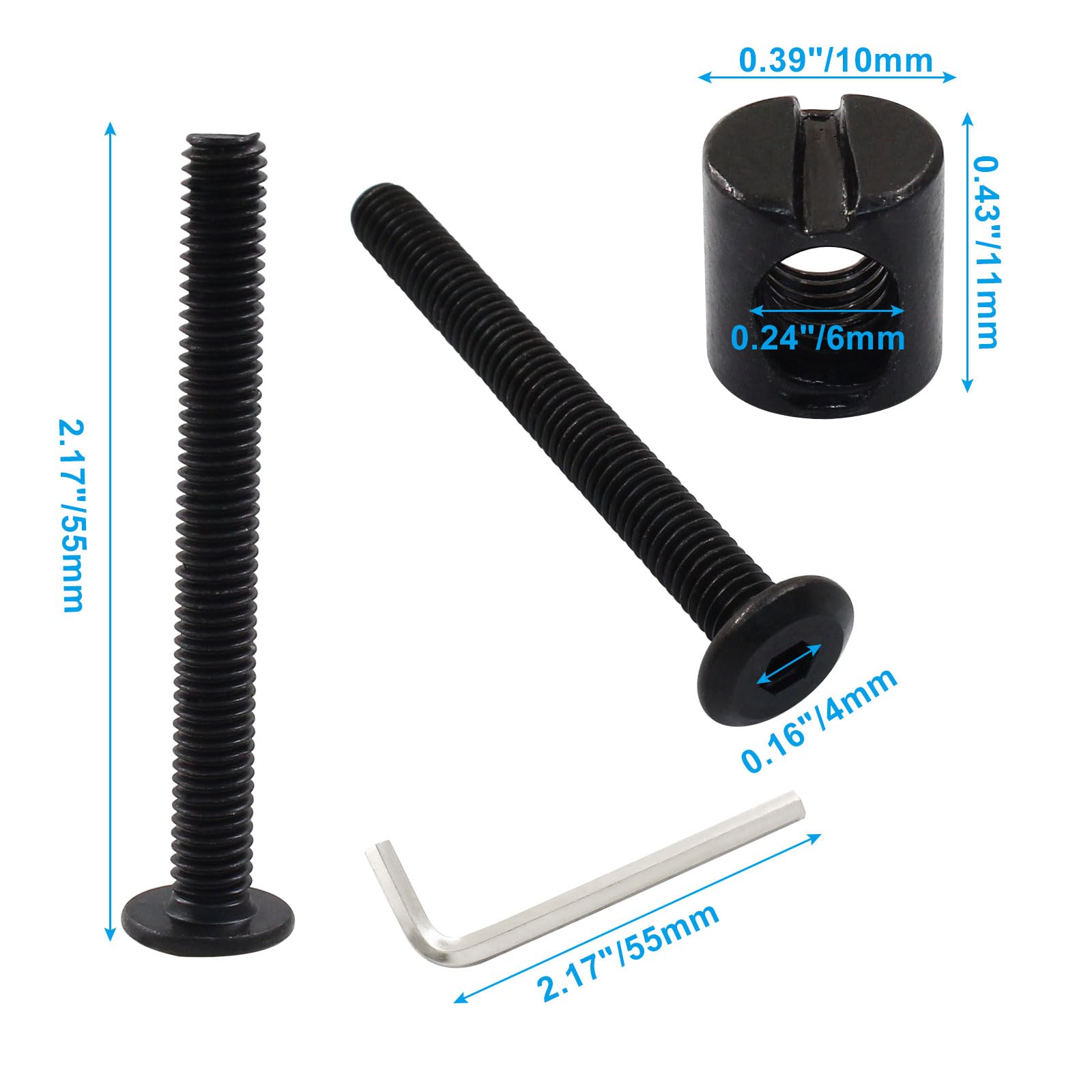
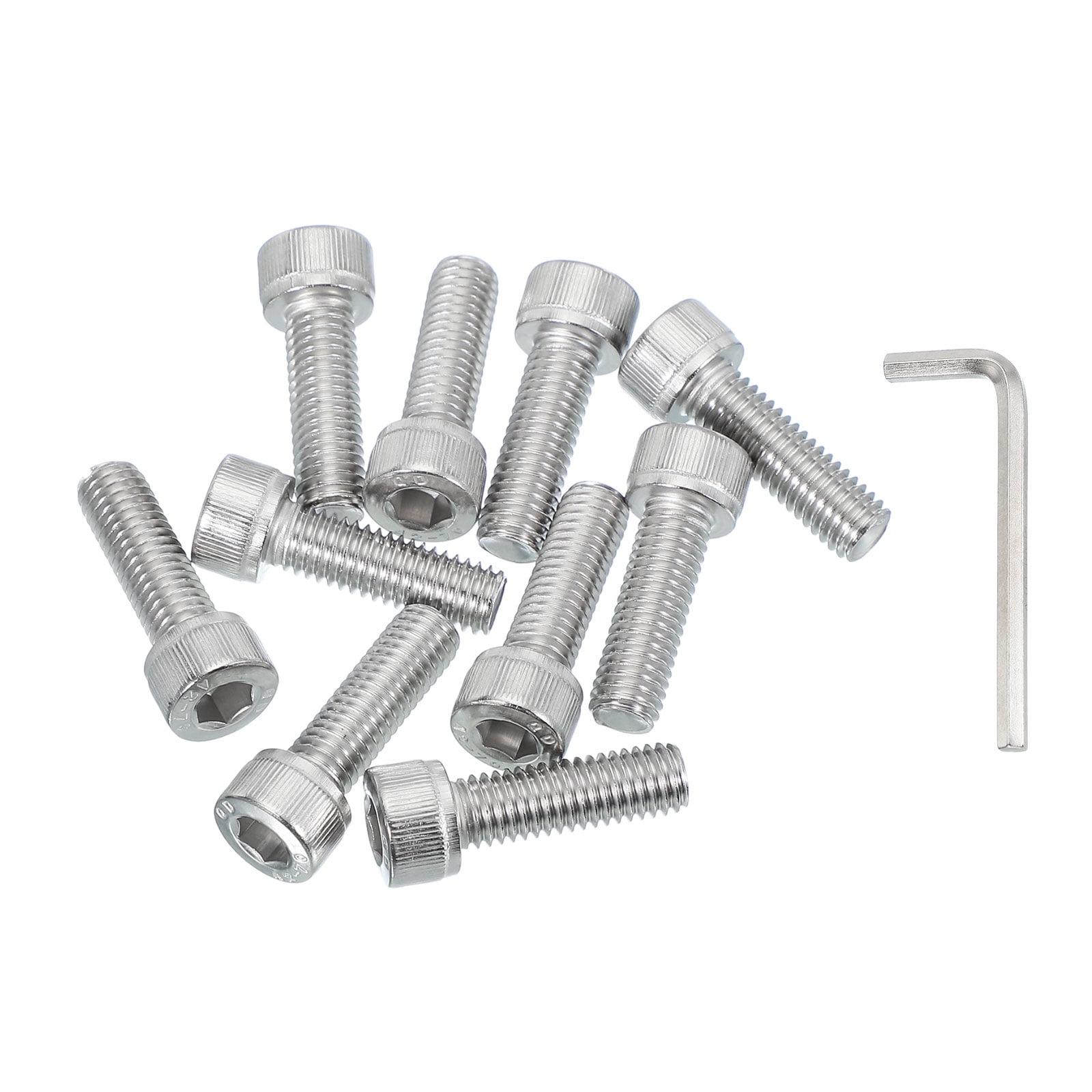
Some bunk beds use specialty screws for extra security. These include hex, Torx, or security screws. Hex screws have a hexagonal hole and need an Allen wrench. Torx screws look like a star shape. Security screws have unusual shapes to prevent easy removal.
Identify these screws early. Find the right tool before trying to remove them. This prevents damage to both the screw and the bed frame.
Simple Screw Removal Techniques
Removing a screw from a bunk bed can feel tricky. Simple techniques help make the job easier. These methods reduce damage to the bed and the screw. Follow these tips for smooth screw removal.
Using The Right Screwdriver
Choose the correct screwdriver that fits the screw head. A tight fit prevents slipping and damage. Avoid using tools that are too small or large. Match the screwdriver to the screw type, like Phillips or flathead.
Applying Gentle Pressure
Press the screwdriver gently but firmly into the screw. Too little pressure causes slipping. Too much pressure can strip the screw head. Find the balance to keep the screwdriver steady.
Turning Slowly And Steadily
Turn the screwdriver slowly to loosen the screw. Fast turning can damage the screw or bed frame. Steady motion helps the screw come out cleanly. Stop if you feel resistance and adjust your grip.
Credit: theplantfedgut.com
Dealing With Stripped Screws
Stripped screws can be a big problem when working on a bunk bed. The screw head becomes damaged, making it hard to turn. This can stop your progress fast. Luckily, there are easy ways to fix this without much stress.
Using Rubber Bands For Grip
Place a wide rubber band over the stripped screw head. The rubber adds extra grip. Press the screwdriver into the rubber band and turn slowly. This helps the screwdriver catch the damaged edges. Often, this simple trick can loosen the screw quickly.
Tweaking With Pliers
Use a pair of locking or needle-nose pliers. Grip the screw head firmly. Turn the screw slowly by hand. Pliers work best if the screw is sticking out a bit. They give you better control and power than a screwdriver.
Screw Extractor Tools
Screw extractors are special tools for stripped screws. First, drill a small hole in the screw head. Insert the extractor and turn it counterclockwise. The tool bites into the screw and pulls it out. These tools work well for screws stuck tight or broken.
Handling Rusted Or Stuck Screws
Rusted or stuck screws can make removing parts of a bunk bed difficult. These screws often get tight due to rust or long use. Using the right methods helps loosen them safely without damage. Patience and the correct tools are key.
Applying Penetrating Oil
Start by spraying penetrating oil directly on the screw. Let it sit for 10 to 15 minutes. The oil seeps into the rust and loosens the grip. This makes turning the screw easier. Repeat if the screw remains stuck.
Tapping To Loosen
Use a small hammer or screwdriver handle to tap the screw head. Gentle taps can break rust bonds. This action helps the oil work deeper. Avoid hard hits to prevent damage to the bed or screw.
Heating The Screw
Heat the screw with a soldering iron or heat gun carefully. Warm metal expands and breaks rust bonds. Heat for 30 seconds, then try turning the screw. Do not overheat wood parts nearby to avoid burns.

Credit: www.walmart.com
Preventing Future Screw Issues
Preventing screw problems in your bunk bed saves time and effort. Regular care keeps screws tight and parts stable. Avoiding loose or stuck screws makes your bed safer and lasts longer. Follow these simple steps to keep screws in good shape.
Regular Maintenance Tips
Check screws every few months. Tighten any loose screws with a screwdriver. Clean the screw heads from dust and dirt. This stops rust and makes screws easier to turn. Look for signs of wear or damage early. Replace screws that look bent or worn out.
Choosing Quality Screws
Pick screws made of strong metal like stainless steel. They resist rust and last longer. Use screws that match your bed’s size and material. Avoid cheap screws that can strip or break easily. Good screws hold the bed parts firmly without slipping.
Proper Installation Practices
Use the correct screwdriver for each screw type. Turn screws gently to avoid stripping the head. Don’t force screws into hard wood; drill a small hole first. Tighten screws evenly to keep parts aligned. Double-check all screws after assembly for a secure fit.
Frequently Asked Questions
How Do I Safely Remove A Stuck Screw From A Bunk Bed?
Use a screwdriver that fits snugly. Apply steady pressure while turning counterclockwise. Use penetrating oil if stuck. Avoid stripping the screw head.
What Tools Help Remove Screws From Bunk Beds Easily?
A Phillips or flathead screwdriver, penetrating oil, pliers, and rubber bands can help. These tools provide grip and reduce damage.
Can I Remove A Screw Without Stripping Its Head?
Yes, use the correct screwdriver size and apply firm, even pressure. Turning slowly helps prevent stripping.
What Should I Do If The Screw Is Rusted Or Stuck?
Apply penetrating oil and let it sit for 10-15 minutes. Then try removing gently with a screwdriver or pliers.
Conclusion
Removing a screw from a bunk bed can be simple with the right steps. Use the correct tools and take your time. Keep the bed stable and avoid forcing the screw. Small efforts prevent damage and make the job easier.
Now you can fix or move your bunk bed safely. Remember, patience and care work best. Try these tips next time you need to remove a screw.