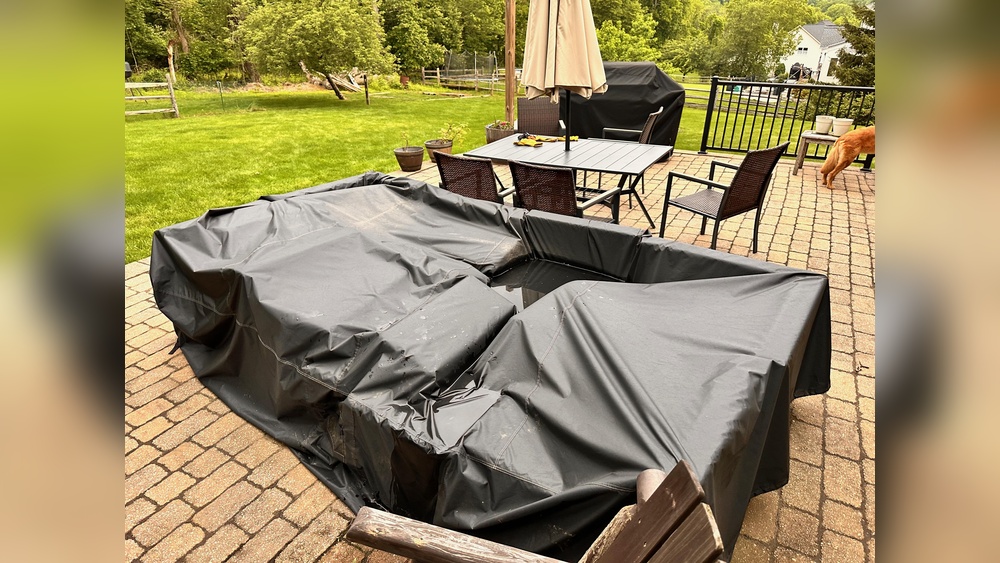
Is your outdoor patio furniture looking dull and slippery because of green algae? You’re not alone.
Algae can quickly take over your favorite seating spots, making them look dirty and even unsafe to use. But don’t worry—removing green algae doesn’t have to be a tough job. You’ll discover simple, effective ways to clean your patio furniture and bring back its fresh, inviting look.
Keep reading to find out how easy it is to restore your outdoor space so you can enjoy it again without worry.
Credit: www.decks-docks.com
Causes Of Green Algae Growth
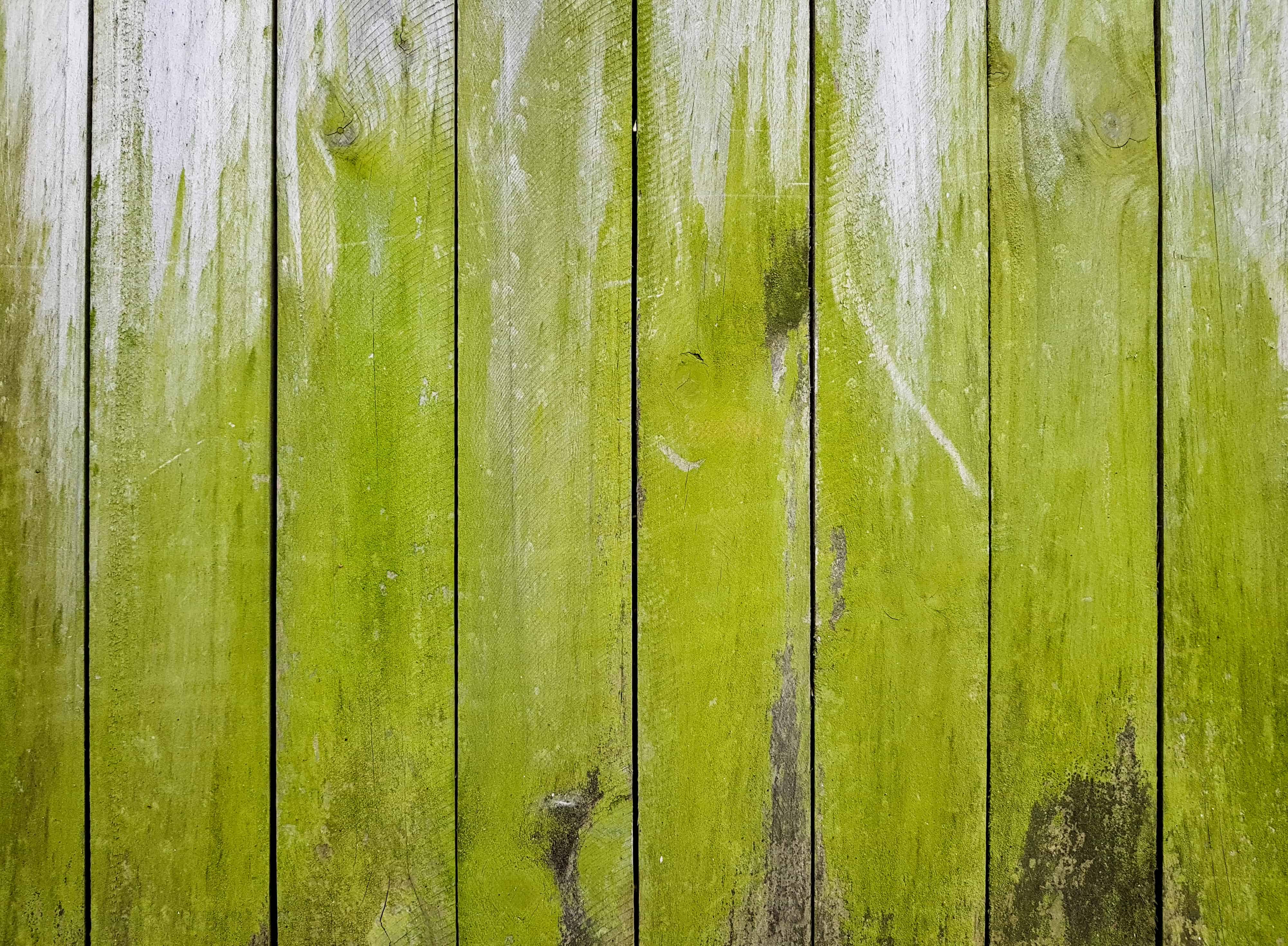
Green algae often appears on outdoor patio furniture. It grows quickly and makes furniture look dirty and slippery. Understanding what causes green algae helps prevent and remove it effectively. Algae thrives in certain environments and on specific furniture types. Knowing these details makes cleaning easier and keeps patios inviting.
Common Conditions For Algae
Green algae need moisture to grow. Outdoor furniture left wet after rain or watering plants is at risk. Shady areas with little sunlight allow algae to spread. Warm temperatures speed up growth. Dirt and organic debris on furniture provide food for algae. Poor air circulation makes moisture last longer. These conditions create the perfect place for algae to form.
Types Of Patio Furniture Affected
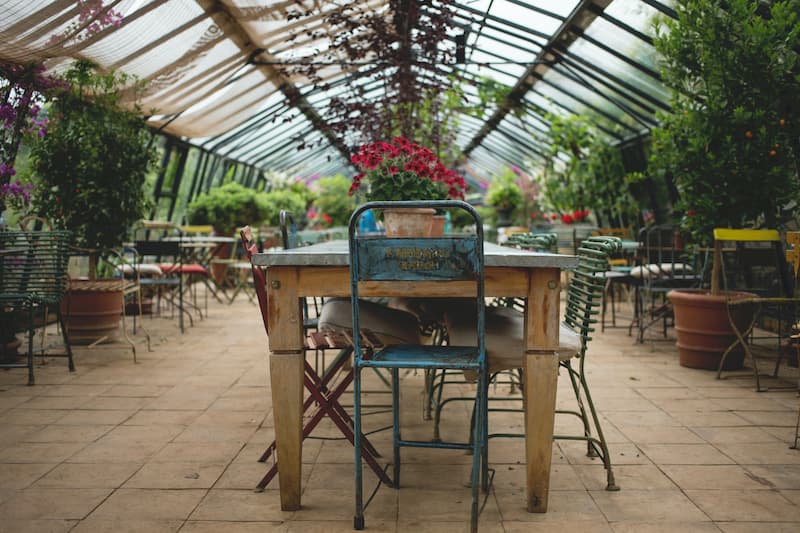
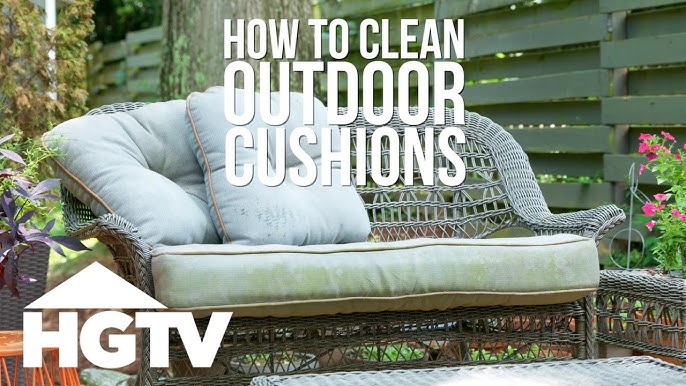
Wooden furniture is very prone to algae growth. Its rough surface holds moisture and dirt. Plastic furniture can also get algae but is easier to clean. Metal furniture may develop algae, especially if paint or coating wears off. Fabric cushions absorb moisture and can grow algae or mold. Regular cleaning helps all types stay algae-free and fresh.
Credit: www.befurnituresales.co.uk
Tools And Materials Needed
Removing green algae from outdoor patio furniture requires specific tools and materials. These help clean the furniture safely and effectively. Using the right items makes the job easier and protects your furniture from damage. Prepare everything before starting the cleaning process.
Cleaning Solutions
Choose a cleaning solution that kills algae without harming furniture. A mix of water and white vinegar works well. Mild dish soap with warm water also helps. Avoid harsh chemicals that can discolor or damage surfaces. You can find commercial outdoor cleaners made for algae removal too.
Scrubbing Tools
Use soft to medium brushes or sponges for scrubbing. A nylon brush works well on plastic and metal furniture. Avoid wire brushes, as they may scratch surfaces. Soft cloths or microfiber towels help wipe off residue gently. A garden hose or bucket of water is useful for rinsing.
Protective Gear
Wear gloves to protect your hands from cleaning solutions. Safety glasses keep your eyes safe from splashes. Choose old clothes or an apron to avoid stains on your outfit. If you use strong cleaners, consider a mask to avoid inhaling fumes. Safety is important during any cleaning task.
Step-by-step Cleaning Process
Removing green algae from outdoor patio furniture needs care and the right steps. A clear process helps clean the furniture safely and effectively. Follow each step to restore your furniture’s look and avoid damage.
Preparing The Furniture
Start by moving furniture to an open area with good sunlight. Remove cushions and any fabric parts. Sweep off loose dirt and leaves. Wear gloves to protect your hands. Check furniture material to choose the right cleaner.
Applying Cleaning Solutions
Use a mild detergent mixed with water or a vinegar solution. Avoid harsh chemicals that can harm surfaces. Spray or apply the cleaner evenly on all algae spots. Let the solution sit for 10 to 15 minutes to break down algae.
Scrubbing Techniques
Use a soft-bristle brush to scrub the furniture gently. Focus on areas with thick algae growth. Avoid metal brushes that can scratch surfaces. For tight spots, use an old toothbrush. Keep scrubbing until algae loosens and fades.
Rinsing And Drying
Rinse furniture thoroughly with clean water. Use a hose or buckets of water to remove all cleaner residue. Wipe down with a clean cloth to speed drying. Leave furniture in the sun to dry completely before use. This stops algae from returning quickly.
Natural Remedies For Algae Removal
Green algae can make your patio furniture look old and dirty. Natural remedies offer safe and effective ways to clean it. These methods use common household items that are easy to find. They are gentle on the environment and your furniture. Here are some natural solutions to remove green algae and restore your outdoor space.
Vinegar Solutions
White vinegar is a powerful cleaner against algae. Mix equal parts of white vinegar and water in a spray bottle. Spray the solution on the algae-covered furniture. Let it sit for 10 to 15 minutes. Use a soft brush or cloth to scrub the surface gently. Rinse with water and dry with a clean towel. Vinegar kills algae without harming most furniture materials.
Baking Soda Methods
Baking soda is another natural cleaner that fights algae well. Make a paste by mixing baking soda and water. Apply the paste to the green algae spots on your furniture. Leave it for 10 minutes to work on the algae. Scrub the area lightly with a brush or sponge. Rinse off with water and dry the furniture. Baking soda also helps remove odors and stains.
Lemon Juice Applications
Lemon juice contains natural acids that break down algae. Squeeze fresh lemon juice directly onto the algae patches. Let the juice sit for about 10 minutes. Use a soft brush to scrub the furniture surface carefully. Rinse thoroughly with water to remove any residue. Lemon juice leaves a fresh scent and brightens the furniture naturally.
Preventing Future Algae Growth
Stopping green algae from growing again keeps your patio furniture clean and nice. Preventing algae is easier than cleaning it all the time. Small habits and smart choices protect your outdoor space.
Here are some simple ways to keep algae away and make your furniture last longer.
Proper Furniture Placement
Place your furniture where sunlight reaches it daily. Sunlight slows down algae growth by drying surfaces. Avoid shady spots near trees or walls. Better air flow helps keep furniture dry. This reduces dampness, which algae loves.
Regular Maintenance Tips
Clean your furniture often using mild soap and water. Remove dirt and leaves that trap moisture. Dry furniture after rain or washing. Check for any algae spots and clean them fast. Regular care stops algae from spreading and growing.
Sealing And Protective Coatings
Apply a water-resistant sealant to wood or metal furniture. Sealants create a barrier against moisture and dirt. Use products made for outdoor furniture for best results. Reapply sealant every year or as needed. Protective coatings help prevent algae and extend furniture life.
Dealing With Stubborn Algae Stains
Stubborn algae stains can make outdoor patio furniture look old and dirty. These stains often stick deep into the surface, making regular cleaning less effective. Tough stains need stronger solutions and sometimes expert help to remove fully. Act quickly to stop algae from spreading and damaging your furniture.
Stronger Cleaning Agents
For tough algae stains, use stronger cleaning agents. Look for cleaners with bleach or hydrogen peroxide. These break down algae better than mild soaps. Always test a small area first to avoid damage. Use gloves and protect your skin. Apply the cleaner, let it sit for 10-15 minutes, then scrub with a brush. Rinse well with water to remove all residue.
Professional Services
Some stains stay even after strong cleaners. Professional cleaning services have special tools and chemicals. They can clean deeply without harming furniture. Experts know the right method for each material. Hiring pros saves time and effort. It keeps your furniture safe and looking good for longer.
Safety Tips During Cleaning
Cleaning green algae off outdoor patio furniture is important. Safety is key during this task. Chemicals and cleaning tools can cause harm if not handled correctly. Protect yourself and your surroundings for a smooth cleaning process.
Handling Chemicals Safely
Always read the label before using any cleaning product. Wear gloves to protect your skin from harsh chemicals. Use goggles to prevent splashes from reaching your eyes. Work in a well-ventilated area to avoid breathing in fumes. Never mix different cleaners; this can create dangerous reactions. Store chemicals out of reach of children and pets.
Protecting Surrounding Plants
Cover plants near your patio with plastic sheets or cloth. This prevents chemicals from dripping onto leaves or soil. Use gentle sprays to avoid splashing cleaner beyond furniture. Rinse nearby plants with water if they come into contact with chemicals. Protecting plants keeps your garden healthy and thriving.
Credit: www.youtube.com
Frequently Asked Questions
How Do I Remove Green Algae From Patio Furniture?
Use a mixture of water and mild detergent to scrub the algae gently. Rinse with clean water and dry thoroughly to prevent regrowth.
What Household Items Clean Algae Off Outdoor Furniture?
White vinegar, baking soda, or diluted bleach are effective. Always test on a small area first and rinse well after cleaning.
Can Pressure Washing Remove Algae From Patio Furniture?
Yes, pressure washing can remove algae effectively. Use a low-pressure setting to avoid damaging the furniture surface.
How Often Should I Clean Algae From Outdoor Furniture?
Clean your outdoor furniture every 2-3 months or after heavy rain to prevent algae buildup and maintain appearance.
Conclusion
Green algae can make your patio furniture look old and dirty. Cleaning it regularly keeps your outdoor space fresh and inviting. Use simple tools and safe cleaners for the best results. Dry the furniture well to stop algae from growing again.
Taking small steps often saves time and effort later. Enjoy your clean patio and relax outside without worry. Keep these tips handy for easy maintenance anytime. Your outdoor furniture deserves care to stay beautiful longer.