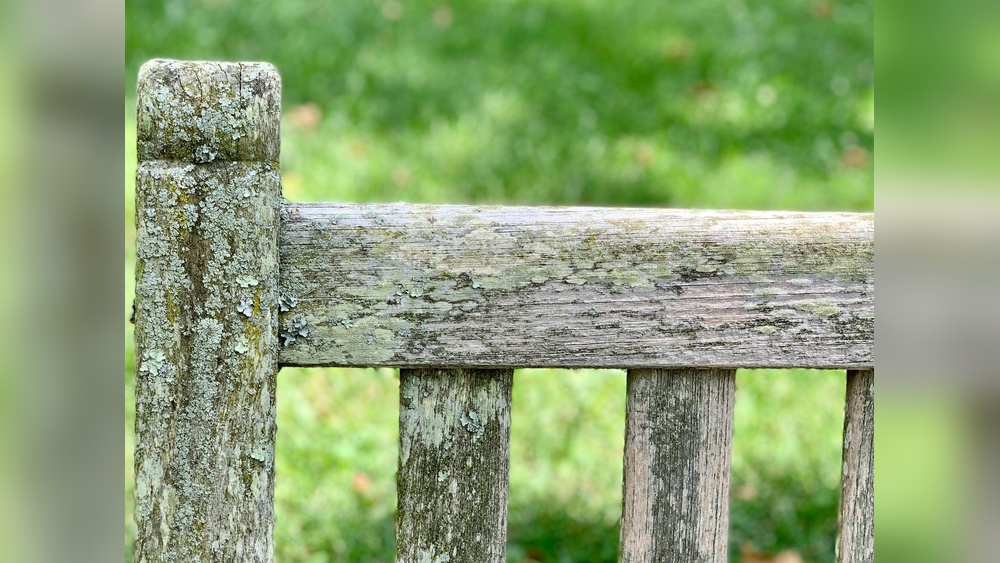
Is your outdoor furniture looking dull and covered in green stains? You’re not alone.
Those stubborn green spots come from algae, moss, or mildew, and they can make your favorite chairs and tables look old and neglected. But don’t worry—getting rid of that green buildup is easier than you think. You’ll discover simple, effective ways to clean your outdoor furniture and bring back its fresh, inviting look.
Keep reading, and you’ll learn how to protect your furniture so it stays beautiful season after season.
Causes Of Green Build-up
Green build-up on outdoor furniture is a common problem. It makes furniture look old and dirty. Understanding what causes this green layer helps in removing it effectively. Various natural factors cause this growth. Knowing these causes can help prevent future build-up.
Algae And Moss Growth
Algae and moss thrive in damp places. They grow on surfaces that stay wet for long. Outdoor furniture often stays moist after rain or watering plants. These tiny plants use sunlight to grow. They form a green, slippery layer on furniture surfaces.
Environmental Factors
Shade and humidity increase green build-up. Furniture under trees or near water gets less sun. This keeps the surface wet for longer times. Cool temperatures also help algae and moss grow. Dirt and dust on furniture provide food for these plants.
Material Susceptibility
Some materials attract green build-up more than others. Wood and wicker absorb water easily. This makes them perfect for algae and moss. Plastic and metal get less green build-up but can still grow some. Rough surfaces hold moisture and dirt, speeding up growth.

Credit: jardina.com
Tools And Materials Needed
Removing green stains from outdoor furniture needs the right tools and materials. Having these ready makes cleaning easier and faster. Gather everything before starting to avoid interruptions. This section lists the essential items you need.
Cleaning Solutions
Choose a gentle cleaner safe for your furniture material. Mild soap mixed with water works well. For tougher stains, a vinegar and water mix helps. Avoid harsh chemicals that can damage surfaces. Test any solution on a small area first.
Scrubbing Tools
Use soft brushes or sponges to scrub the furniture. Nylon brushes work well for most surfaces. Avoid metal brushes that can scratch and damage. A toothbrush helps clean small corners and crevices. Have a bucket or spray bottle to hold your cleaning solution.
Protective Gear
Wear gloves to protect your skin from cleaning solutions. Use safety glasses to keep spray out of your eyes. Wearing old clothes prevents stains on your outfit. A mask helps if you use strong cleaning products. Protect yourself to clean safely and comfortably.
Preparation Before Cleaning
Before cleaning the green mold or algae off outdoor furniture, good preparation is key. It helps clean better and protects your furniture. Taking a few simple steps can save time and avoid damage. This section explains what to do before you start scrubbing.
Clearing The Area
Move other items away from your furniture. This prevents spills or splashes on nearby plants or walls. Give yourself enough space to work freely. Clear leaves, dirt, or debris around the furniture. A clean area helps you focus on the job without distractions.
Testing Cleaning Products
Try cleaning products on a small, hidden spot first. This checks if the product harms the furniture’s color or material. Wait a few minutes to see any changes. If the spot looks fine, it is safe to use. This simple test avoids costly mistakes.
Safety Precautions
Wear gloves to protect your hands from harsh chemicals. Use eye protection if splashing is possible. Work in a well-ventilated area to avoid breathing fumes. Keep pets and children away during cleaning. These safety steps keep everyone safe and healthy.
Cleaning Methods For Different Materials
Cleaning green stains from outdoor furniture depends on the material. Different furniture types need special care to remove algae, moss, or mold. Using the right method keeps furniture safe and looking fresh. Here are easy cleaning tips for common materials.
Wood Furniture
Wood needs gentle cleaning to avoid damage. Use a soft brush and warm soapy water. Scrub the green spots lightly. Rinse with clean water and dry with a cloth. For tough stains, mix equal parts water and vinegar. Apply carefully and wipe after a few minutes. Avoid harsh chemicals that harm wood finish.
Metal Furniture
Metal furniture cleans well with water and mild soap. Use a soft brush to scrub green growth. Rinse thoroughly to stop rust. Dry with a towel to prevent water spots. For rusty areas, gently scrub with a paste of baking soda and water. Rinse again and dry completely.
Plastic Furniture
Plastic furniture is easy to clean. Use a sponge or soft cloth with soapy water. Wipe green stains until they disappear. Rinse with water and dry. Avoid abrasive scrubbers that can scratch plastic. For stubborn green marks, use a mixture of water and vinegar.
Wicker And Rattan
Wicker and rattan need delicate care. Use a soft brush or cloth with mild soap. Clean between the weave to remove green buildup. Rinse lightly with water and dry quickly to avoid mold. Avoid soaking these materials. Use a fan or sun to dry faster.
Natural Cleaning Alternatives
Removing green stains from outdoor furniture can be simple and safe. Natural cleaning alternatives use common household items. These options avoid harsh chemicals and protect your furniture and the environment.
Vinegar Solutions
White vinegar works well to clean green mold and mildew. Mix equal parts vinegar and water in a spray bottle. Spray the solution on the green spots and let it sit for 10 minutes. Scrub gently with a soft brush or cloth. Rinse with clean water and dry the furniture.
Baking Soda Paste
Baking soda is a mild abrasive that helps remove stubborn green stains. Make a paste by mixing baking soda with a little water. Apply the paste on the affected areas and let it sit for 15 minutes. Use a brush to scrub the stains lightly. Rinse thoroughly with water and dry the surface.
Lemon Juice Treatments
Lemon juice has natural acidity that breaks down green algae. Squeeze fresh lemon juice directly onto the green patches. Allow it to rest for 10 to 15 minutes under sunlight. Use a soft brush to scrub the spots gently. Rinse with water and wipe dry to prevent new growth.
Credit: www.marcopaul.co.uk
Using Commercial Cleaners
Using commercial cleaners is a fast way to remove green stains from outdoor furniture. These products are designed to break down mold, mildew, and algae. They save time and effort compared to homemade solutions. Commercial cleaners also work well on many materials like plastic, metal, and wood. Always follow the instructions to protect your furniture and yourself.
Choosing The Right Product
Pick a cleaner made for outdoor furniture. Check the label to ensure it removes mold or algae. Avoid harsh chemicals that can damage surfaces. Look for eco-friendly options that are safe for plants and pets. Test the cleaner on a small, hidden area first. This step prevents unwanted damage or discoloration.
Application Tips
Wear gloves and eye protection before applying the cleaner. Spray or apply the product evenly over the green stains. Let it sit for the time suggested on the label. Use a soft brush or cloth to scrub gently. Avoid harsh scrubbing to protect the furniture’s finish. Repeat if stains remain after the first treatment.
Rinsing And Drying
Rinse the furniture thoroughly with water after cleaning. Remove all cleaner residue to avoid damage or stickiness. Use a hose or buckets of clean water for rinsing. Dry the furniture in the sun to prevent new growth. Make sure the surface is completely dry before use or storage.
Preventing Future Green Growth
Stopping green growth on outdoor furniture saves time and effort. It keeps furniture looking fresh and clean. Simple steps can help prevent moss, algae, and mold buildup. These steps protect furniture and extend its life. Consistency is key for best results.
Regular Maintenance
Clean furniture often with mild soap and water. Remove dirt and leaves quickly to avoid moisture. Use a soft brush to scrub stubborn spots. Check for green patches every few weeks. Regular cleaning stops growth before it starts.
Proper Storage
Store furniture in dry places during wet seasons. Cover it with breathable covers that keep air flowing. Avoid storing furniture directly on damp ground. Raise furniture slightly to let air circulate underneath. Proper storage reduces moisture that feeds green growth.
Protective Coatings
Apply sealants made for outdoor furniture surfaces. These coatings block water and reduce moss growth. Reapply coatings yearly or after heavy rain. Choose products that suit your furniture material. Protective layers keep furniture cleaner longer and easier to maintain.
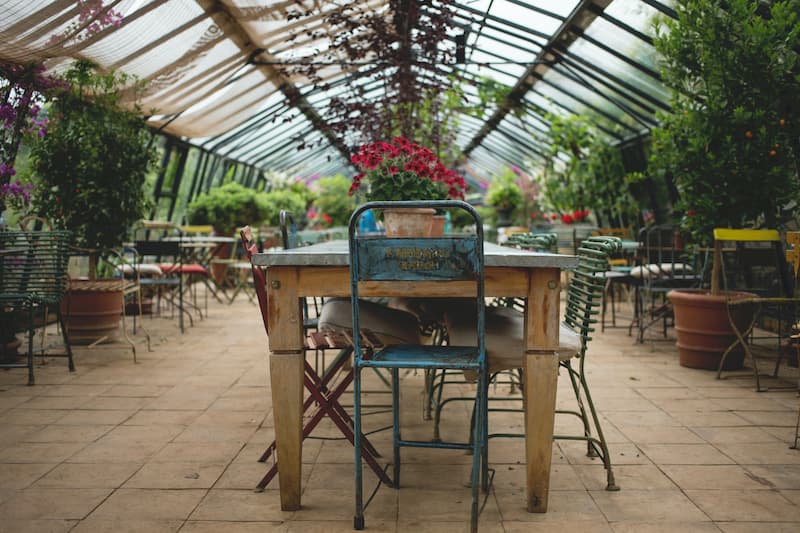
Credit: www.befurnituresales.co.uk
Troubleshooting Stubborn Stains
Stubborn green stains on outdoor furniture can be tough to remove. These marks often come from algae, moss, or mildew. Simple cleaning may not clear them completely. Persistent stains need special care and attention. Knowing the right steps can help restore your furniture’s look.
Deep Cleaning Techniques
Start by scrubbing the stained area with a soft brush. Use a mix of water and mild detergent. Let the solution sit for 10 to 15 minutes. This helps break down the green build-up.
For tougher stains, try a solution of vinegar and water. Apply it gently and avoid harsh scrubbing. Rinse well with clean water afterward. Repeat the process if needed. Avoid using bleach as it may damage the furniture.
Pressure washers work well on durable materials like metal or plastic. Keep the pressure low to prevent surface damage. Always test a small area first. Let the furniture dry completely in sunlight to stop algae from returning.
When To Seek Professional Help
Some stains stay even after deep cleaning attempts. Furniture with porous surfaces may trap dirt and green growth inside. Professionals have special tools and cleaners for these cases.
Call a professional if stains look old or cover large areas. They can use safe products that protect your furniture. Experts also know how to handle delicate materials.
Getting help early can save time and effort. It keeps your outdoor furniture looking fresh and inviting.
Frequently Asked Questions
How Do I Remove Green Algae From Outdoor Furniture?
Use a mixture of water and white vinegar to scrub the green algae gently. Rinse with clean water. Repeat if necessary to restore your furniture’s appearance.
What Household Items Clean Green Stains On Outdoor Furniture?
Common items like baking soda, vinegar, and mild soap effectively clean green stains. Apply, scrub gently, and rinse thoroughly to prevent damage and discoloration.
Can Pressure Washing Remove Green Buildup On Furniture?
Yes, pressure washing can remove green buildup effectively. Use a low-pressure setting to avoid damaging the furniture surface while cleaning algae and moss.
How Often Should I Clean Outdoor Furniture To Prevent Green Growth?
Clean your outdoor furniture every 1-2 months during wet seasons. Regular cleaning prevents algae and mold buildup, keeping your furniture looking fresh and extending its lifespan.
Conclusion
Green stains on outdoor furniture can spoil its look quickly. Cleaning them regularly keeps your furniture fresh and inviting. Use gentle cleaners and soft brushes to protect surfaces. Act fast to stop green buildup from spreading. A little care goes a long way in maintaining your outdoor space.
Enjoy your clean, green-free furniture all season long. Simple steps make a big difference. Keep your outdoor area neat and welcoming with ease.