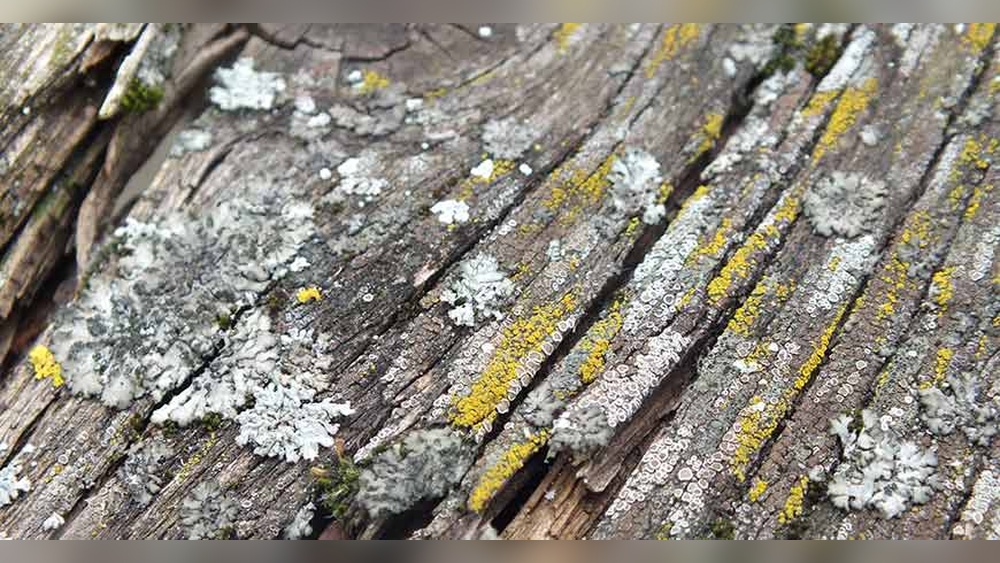
Is your outdoor furniture looking dull and covered with stubborn green patches? Lichen can quickly take over your favorite chairs and tables, making your outdoor space look neglected.
But don’t worry—you can easily get rid of it and restore your furniture’s natural beauty. You’ll discover simple, effective ways to remove lichen without damaging your furniture. Keep reading, and by the end, your outdoor pieces will look fresh and inviting again.
Causes Of Lichen Growth
Lichen often appears on outdoor furniture, causing unsightly patches. Understanding why lichen grows helps prevent and remove it effectively. Lichen is a slow-growing organism made of fungi and algae or bacteria living together. It thrives in certain outdoor conditions that are common around homes and gardens.
Why Lichen Thrives Outdoors
Lichen grows well where moisture stays for long periods. It loves damp and shaded places with poor air flow. Outdoor furniture in shaded gardens is perfect for lichen. It does not harm the furniture quickly but can cause stains and damage over time. Lichen also survives in areas with little pollution. Clean air and natural materials encourage its growth. Sunlight, moisture, and clean air create the best environment for lichen.
Common Surfaces Affected
Lichen grows on many outdoor surfaces, especially wood, stone, and metal. Wooden benches and tables often show lichen patches. Stone surfaces like patios or garden walls can also host lichen. Metal furniture may develop lichen, especially if painted or left unprotected. Rough and porous surfaces hold moisture, making them more prone. Smooth surfaces usually resist lichen better but are not immune. Regular cleaning helps keep these surfaces free from lichen.
Tools And Materials Needed
Removing lichen from outdoor furniture requires the right tools and materials. Having these ready makes the cleaning process easier and more effective. Prepare everything before you start to save time and avoid interruptions.
Cleaning Supplies
Gather a soft brush to scrub gently without damage. Use a bucket filled with warm water and mild soap. A spray bottle helps apply cleaning solutions evenly. Consider using white vinegar or a commercial lichen remover for tough spots. Have a clean cloth or sponge for wiping surfaces. A garden hose or a large container of water is useful for rinsing.
Protective Gear
Wear rubber gloves to protect your hands from chemicals and rough surfaces. Use safety glasses to shield your eyes from splashes. A mask helps prevent breathing in dust or spores. Dress in old clothes that cover your skin fully. Closed shoes protect feet from sharp debris or slippery surfaces.
Manual Removal Techniques
Manual removal techniques are a great way to clean lichen off outdoor furniture. These methods use simple tools and natural products. They work well without harming the furniture or the environment. Manual removal takes some effort but gives good results. This section explains two easy ways to remove lichen by hand.
Scraping And Brushing
Start by gently scraping the lichen with a plastic scraper or old credit card. Avoid metal tools to prevent damage. Scrape in a soft, steady motion. Next, use a stiff brush to scrub away the loosened lichen. A brush with nylon bristles works best. Brush in small circles to lift the lichen from the surface. This method removes the bulk of the growth and makes cleaning easier.
Using Natural Solutions
Mix equal parts of water and white vinegar in a spray bottle. Spray the lichen-covered areas lightly. Let the solution sit for 10 to 15 minutes. Vinegar helps weaken the lichen’s hold. After soaking, scrub again with a soft brush. Rinse with clean water to wash away residue. This natural solution is safe and effective for most outdoor furniture materials.
Credit: www.wetandforget.com
Chemical Treatments
Chemical treatments offer a quick way to remove lichen from outdoor furniture. These treatments break down the lichen and stop it from growing back fast. Choosing the right chemical solution protects your furniture and keeps it looking good. Always follow safety steps to avoid damage and skin irritation.
Safe Commercial Cleaners
Safe commercial cleaners are made for outdoor furniture and lichen removal. They contain gentle chemicals that kill lichen without harming surfaces. Many cleaners work on wood, metal, and plastic furniture. Look for products labeled as safe and eco-friendly. Use gloves and work in a well-ventilated area. Spray the cleaner on the lichen and wait a few minutes. Then, scrub gently with a soft brush and rinse with water.
Homemade Chemical Mixes
Homemade mixes use common household items to remove lichen. A popular mix is water with white vinegar or baking soda. Vinegar’s acidity helps break down lichen quickly. Baking soda’s mild alkalinity scrubs off lichen without damage. Mix one part vinegar to two parts water or a tablespoon of baking soda in a bucket of water. Apply the mix to lichen with a spray bottle or cloth. Let it sit for 10-15 minutes. Then, scrub lightly and rinse thoroughly with water.
Preventing Future Lichen Growth
Preventing future lichen growth on outdoor furniture helps keep it clean and attractive. Lichen thrives in damp, shaded places. Taking steps to reduce these conditions can stop it from coming back. Regular care and small changes to the environment make a big difference. Here are some simple ways to prevent lichen growth.
Regular Maintenance Tips
Clean your furniture often with mild soap and water. Use a soft brush to remove dirt and debris. Check for any signs of lichen and remove it quickly. Dry the furniture thoroughly after cleaning to avoid moisture buildup. Cover the furniture when not in use to protect it from rain. Store cushions and fabric indoors during wet seasons. Regularly inspect your furniture for damage or cracks where lichen can grow.
Environmental Adjustments
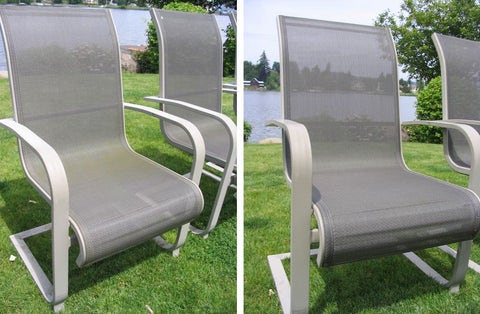
Place furniture in areas that get sunlight. Sunlight dries surfaces and stops lichen from growing. Trim nearby plants and trees to improve air flow. Avoid placing furniture directly on grass or soil. Use hard surfaces like patios or decks instead. Ensure good drainage around the furniture to prevent water pooling. These small changes reduce moisture and make the area less friendly for lichen.
Credit: 30secondscleaners.com
Special Care For Different Materials
Different outdoor furniture materials need special care for lichen removal. Each type reacts differently to cleaning methods. Using the wrong approach may cause damage. Below are tips for treating wooden, metal, and plastic furniture safely.
Wooden Furniture
Wood absorbs water and chemicals quickly. Use mild soap and water to clean lichen. Avoid harsh scrubbing that can scratch the surface. A soft brush works best. After cleaning, dry wood completely to stop mold growth. Apply wood oil or sealant to protect the wood.
Metal Furniture
Metal can rust if exposed to moisture too long. Use a mixture of water and gentle detergent for cleaning. Scrub lichen off with a soft brush or cloth. Avoid steel wool or abrasive pads that scratch metal. Rinse well and dry immediately. Use a rust-resistant spray for extra protection.
Plastic Furniture
Plastic is more durable but can discolor or weaken with harsh chemicals. Clean lichen with warm water and mild soap. Use a soft sponge or brush to remove growth. Avoid bleach or strong cleaners that harm plastic. Rinse thoroughly and let it air dry in the sun.
When To Seek Professional Help
Removing lichen from outdoor furniture can be done at home in many cases. Sometimes, the problem is too big or tricky to handle alone. Knowing when to seek professional help can save time and protect your furniture from damage.
Professionals have tools and knowledge to remove lichen safely and fully. They can also advise on how to prevent lichen from coming back. Here are signs that show it’s time to call an expert.
Extensive Lichen Growth Covering Large Areas
If lichen covers most of your furniture, cleaning it yourself might not work well. Large patches need special techniques and strong cleaners. Professionals handle big jobs efficiently without harming the material.
Delicate Or Antique Furniture
Old or fragile furniture requires careful cleaning. Harsh chemicals or scrubbing can cause damage. Experts know how to treat delicate surfaces gently and safely.
Persistent Lichen After Diy Attempts
Sometimes lichen returns after home cleaning efforts. Persistent growth means it may be deeper in the material. Professionals use treatments that reach hard-to-clean spots and stop regrowth.
Uncertainty About Cleaning Methods
Unsure which cleaner or method to use? Wrong choices can ruin your furniture’s look or structure. Professionals offer the right solutions tailored for your furniture type.
Time Constraints And Convenience
Cleaning lichen yourself takes time and effort. Hiring experts frees you from the hassle and ensures fast, thorough results. It’s a good choice for busy schedules.

Credit: www.reddit.com
Frequently Asked Questions
How Do I Remove Lichen From Wood Furniture?
Use a soft brush and mild soapy water to scrub the lichen gently. Rinse with clean water and let it dry. For stubborn lichen, apply a vinegar solution carefully and scrub again. Avoid harsh chemicals to protect the wood surface.
What Natural Solutions Work For Lichen Removal?
White vinegar and baking soda are effective natural cleaners. Spray vinegar on the lichen, let it sit for 15 minutes, then scrub gently. Baking soda paste can also be applied to break down lichen without damaging furniture.
Can Pressure Washing Remove Lichen Safely?
Yes, but use a low-pressure setting to avoid damaging furniture. High pressure can harm wood or paint. Test a small area first and maintain a safe distance. Pressure washing is effective for stone or metal outdoor furniture.
How Often Should I Clean Outdoor Furniture To Prevent Lichen?
Clean your furniture at least twice a year to prevent lichen growth. Regular cleaning removes moisture and debris that help lichen thrive. During wet seasons, increase cleaning frequency for better protection.
Conclusion
Removing lichen from outdoor furniture keeps it looking clean and fresh. Use gentle scrubbing and safe cleaners to protect the surface. Regular cleaning stops lichen from growing back quickly. Stay patient and take your time during the process. Clean furniture makes your outdoor space more inviting.
Keep checking your furniture often for early signs of lichen. Small efforts prevent bigger problems later. Enjoy your outdoor area without worrying about lichen. Simple care goes a long way in maintaining your furniture.

