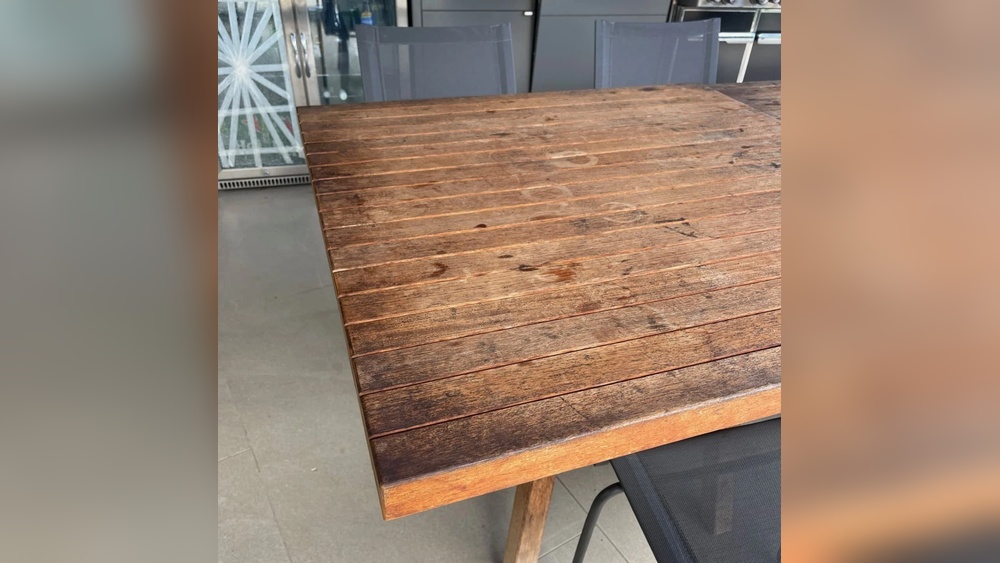
Is your outdoor wooden furniture looking dull and spotted with mould? You’re not alone.
Mould can quickly ruin the beauty and lifespan of your favorite pieces, making your outdoor space less inviting. But don’t worry—removing mould is easier than you think. You’ll discover simple, effective ways to get mould off your wooden furniture and keep it looking fresh and clean all year round.
Ready to bring your outdoor space back to life? Let’s dive in!
Credit: www.atlantateak.com
Causes Of Mould On Outdoor Wood
Mould grows on outdoor wooden furniture for a few clear reasons. Understanding these causes helps prevent damage and keeps your furniture looking fresh. Outdoor wood faces many challenges that invite mould growth. Moisture, lack of air, and certain mould types all play a role. Knowing these factors can guide you in cleaning and protecting your wood furniture.
Moisture And Humidity Factors
Wood absorbs water easily. Rain, dew, or watering plants nearby adds moisture to the surface. High humidity keeps the wood damp for long periods. Damp wood creates the perfect place for mould spores to settle and grow. Wet wood also loses its natural resistance to decay. Without drying quickly, mould finds a home on the surface and inside the wood grain.
Poor Ventilation And Sunlight
Wood in shaded or closed areas stays moist longer. Poor air flow slows drying, allowing mould to thrive. Sunlight helps kill mould spores by drying out the surface. Areas with little sun and tight spaces trap moisture. These conditions encourage mould to spread quickly. Proper ventilation and sun exposure help keep wood dry and clean.
Types Of Mould Commonly Found
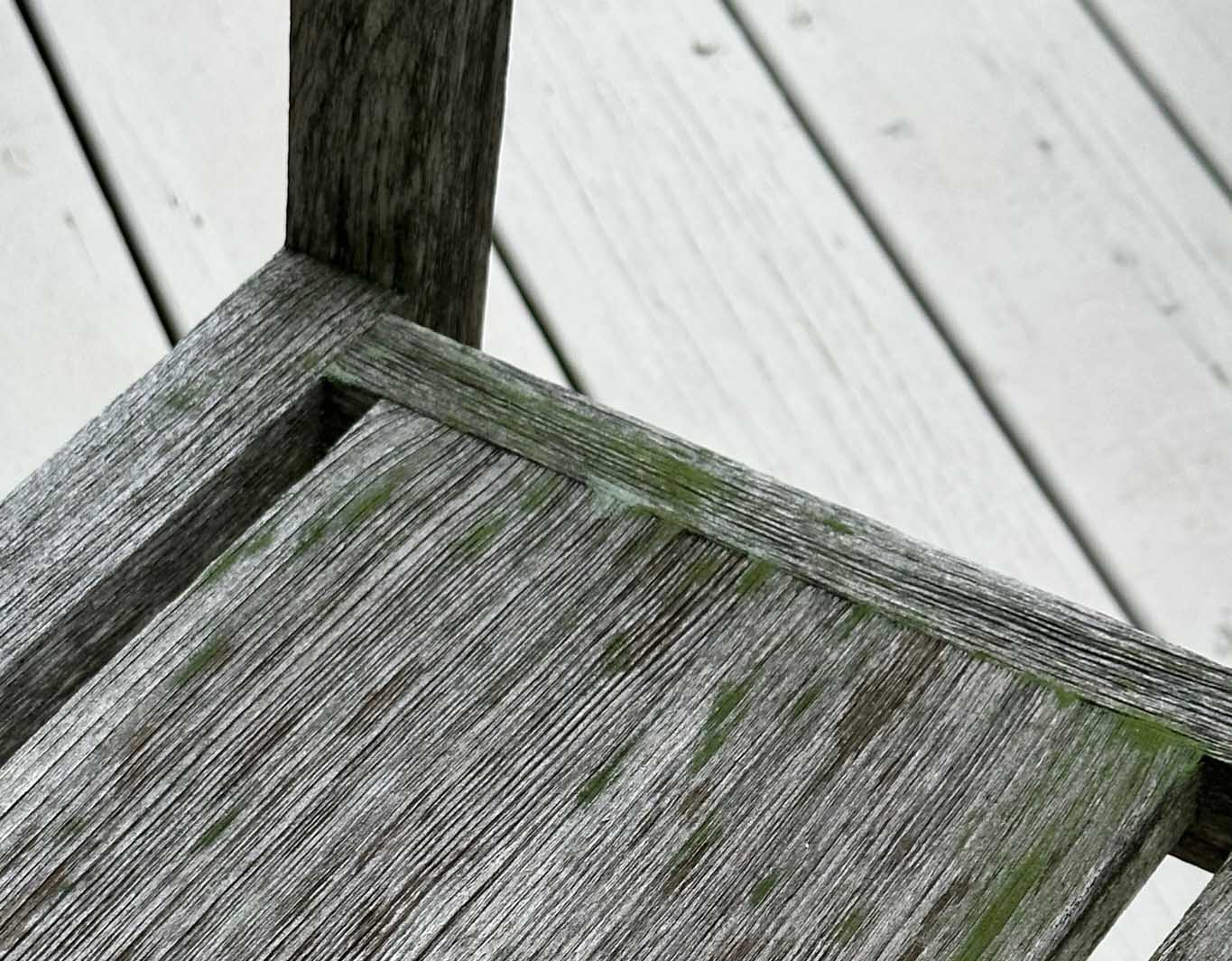
Outdoor wood often hosts black, green, or white mould. Black mould appears as dark, fuzzy patches on wood. Green mould looks like algae or moss and feels slimy. White mould shows as powdery or fluffy white spots. Each type damages wood differently and requires specific cleaning methods. Recognizing the mould type helps treat the problem effectively.
Preparation For Cleaning
Preparing to clean mould off outdoor wooden furniture is important. Proper preparation makes the cleaning easier and more effective. It also helps protect you and your furniture during the process. Follow simple steps before starting the cleaning.
Gathering Cleaning Supplies
Collect all materials before you begin. You need a soft brush or sponge to scrub the mould. Use a bucket for water and cleaning solution. Mild detergent or vinegar works well against mould. Have clean cloths or towels ready for drying. Gloves and a mask help protect your skin and lungs.
Safety Precautions
Wear gloves to avoid skin contact with mould. Use a mask to prevent breathing in spores. Work in an open or well-ventilated area. Avoid touching your face during cleaning. Wash your hands thoroughly after finishing. Keep children and pets away from the cleaning zone.
Moving And Inspecting Furniture
Move furniture to a sunny, open spot. Sunlight helps kill mould and dries wood faster. Check all surfaces for mould patches or damage. Note any cracks or soft spots in the wood. These areas may need special care or repair. Preparing your furniture well ensures a better cleaning result.
Cleaning Methods
Cleaning mould off outdoor wooden furniture requires the right methods. Choosing the proper cleaning technique helps protect the wood and remove mould effectively. Various options work well depending on the mould severity and wood type. Using natural ingredients or commercial products can clear mould safely.
Using Vinegar Solutions
White vinegar kills mould on wooden surfaces. Mix equal parts vinegar and water in a spray bottle. Spray the solution on the mouldy areas. Let it sit for at least one hour. Wipe the furniture with a soft cloth or brush. Rinse with clean water and dry thoroughly. Vinegar is a natural and gentle cleaner for wood.
Applying Baking Soda Paste
Baking soda removes mould and absorbs moisture. Mix baking soda with a small amount of water to form a thick paste. Apply the paste on mouldy spots using a soft brush. Scrub gently in circular motions. Leave it on for 10-15 minutes. Rinse with water and dry the furniture well. Baking soda is safe and eco-friendly for mould cleaning.
Commercial Mould Removers
Many commercial mould removers target outdoor wood. Choose one labeled safe for wooden furniture. Follow the product instructions carefully. Usually, spray or apply the remover on mouldy areas. Let it sit for the recommended time. Scrub lightly if needed. Rinse off the product completely. These removers work fast but use gloves and masks for safety.
Pressure Washing Tips
Pressure washing can clean mould from wood quickly. Use a low-pressure setting to avoid damaging the wood. Hold the nozzle at a 45-degree angle and keep distance. Move the spray continuously to prevent wood erosion. Test on a small area first. After washing, let the furniture dry fully in the sun. Pressure washing removes dirt and mould effectively but requires care.
:strip_icc()/Clean-Outdoor-Furniture-34bc286d99604bce93f968cc0e060c68.jpg)
Credit: www.bhg.com
Preventing Future Mould Growth
Preventing mould on outdoor wooden furniture keeps your pieces looking fresh longer. Mould grows in damp, shaded areas and damages wood over time. Taking steps to stop mould saves you work and protects your furniture’s life.
Proper Furniture Placement
Place furniture where sunlight reaches it often. Sunlight helps dry moisture that mould needs. Avoid spots near plants or walls that block air flow. Good air circulation lowers dampness and mould risk.
Regular Maintenance Routines
Clean your furniture regularly to remove dirt and mould spores. Use a soft brush and mild soap. Rinse with water and let it dry fully in the sun. Check for mould spots and treat them early to stop spread.
Using Protective Sealants
Apply sealants made for outdoor wood to block moisture. Sealants create a protective layer that mould cannot easily penetrate. Reapply sealant every year or after heavy rain. This keeps wood strong and mould-free longer.
Restoring Wood After Cleaning
After cleaning mould off outdoor wooden furniture, restoring the wood is important. Cleaning removes the surface dirt and mould, but the wood may look dull or damaged. Proper restoration brings back the wood’s natural beauty and protects it from future harm. This process includes sanding, applying oils or stains, and fixing damaged spots. Follow these steps to make your furniture look fresh and last longer.
Sanding And Refinishing
Sanding smooths the wood surface and removes rough patches. Use fine-grit sandpaper for gentle sanding. Sand along the grain to avoid scratches. Remove all dust with a clean cloth before refinishing. Refinishing seals the wood and improves its appearance. Choose a suitable finish like varnish or outdoor wood sealer. Apply it evenly with a brush or cloth. Let the finish dry completely to protect the wood from moisture and sun damage.
Applying Wood Oils And Stains
Wood oils nourish and protect outdoor furniture. They soak into the wood and prevent cracking. Use oils like teak oil or linseed oil. Apply with a soft cloth and rub it in well. Stains add color and enhance the wood grain. Pick a stain made for outdoor use. Apply it evenly and wipe off extra stain quickly. Both oils and stains need drying time. Repeat the process yearly to keep the wood healthy and attractive.
Repairing Damaged Areas
Check for cracks, splits, or loose joints in the wood. Small cracks can fill with wood filler or epoxy. Follow product instructions for best results. For loose joints, use wood glue and clamps to secure pieces. Replace any broken parts if needed. Sand repaired areas smooth before refinishing. Fixing damage improves strength and keeps pests away. Regular checks help catch problems early and extend your furniture’s life.
When To Call Professionals
Knowing when to call professionals to remove mould from outdoor wooden furniture is important. Some mould problems need expert care to avoid damage or health risks. Understanding the signs helps you decide the right time to get help.
Severe Mould Infestations
Large patches of mould covering your furniture mean a severe infestation. This type is hard to clean with home methods. Professionals have the tools and chemicals to remove mould safely and fully. Trying to clean severe mould yourself may spread spores or cause damage.
Structural Damage Concerns
Mould can weaken wood and cause rot over time. If you see cracks, softness, or holes in your furniture, call a professional. Experts can check the wood’s condition and fix any damage. This prevents your furniture from breaking or collapsing later.
Health Risks And Allergies
Mould spores can cause breathing problems or allergic reactions. People with asthma or weak immune systems must avoid mould exposure. Professionals use protective gear and proper cleaning methods. This keeps your family safe from harmful mould spores during removal.
Credit: teakanddeck.com
Frequently Asked Questions
How Do I Remove Mould From Outdoor Wooden Furniture?
Clean the furniture with a mixture of water and mild detergent. Scrub gently using a soft brush. Rinse well and let it dry completely in sunlight to prevent mould regrowth.
What Natural Solutions Work For Mould On Wood?
White vinegar or baking soda mixed with water effectively remove mould. Apply, scrub gently, and rinse thoroughly. These natural options are safe and eco-friendly for outdoor wooden furniture.
Can Bleach Be Used To Clean Mould Off Wood?
Yes, dilute bleach with water (1:10 ratio) and apply carefully. Scrub the mouldy area gently, then rinse thoroughly. Avoid excessive bleach to prevent wood damage.
How To Prevent Mould On Outdoor Wooden Furniture?
Keep furniture dry and clean regularly. Apply protective sealants or wood oils. Store furniture under cover or use waterproof covers when not in use.
Conclusion
Cleaning mould from outdoor wooden furniture helps keep it safe and strong. Use gentle scrubbing with natural cleaners to protect wood. Dry the furniture well after washing to stop mould growth. Regular checks and cleaning prevent future mould problems. Taking simple steps saves money and keeps furniture looking nice.
Enjoy your outdoor space without worrying about mould damage. Keep the wood fresh and ready for sunny days ahead.


