Is your outdoor wood furniture looking dull and faded? You’re not alone.
Sun, rain, and time can take a toll, leaving your favorite pieces looking tired and worn out. But don’t worry—bringing that natural beauty back is easier than you think. You’ll discover simple, effective steps to restore your wood furniture’s charm.
Imagine relaxing outside on furniture that looks fresh, vibrant, and inviting again. Ready to make your outdoor space shine? Let’s dive in and get your wood furniture looking natural and beautiful once more.
Causes Of Wood Fading Outdoors
Wood furniture placed outside faces many challenges. These challenges cause the wood to lose its rich color and look faded. Understanding the main causes helps in caring for outdoor wood better. Three key factors cause wood to fade outdoors.
Sunlight Exposure
Sunlight is the top reason wood fades outside. The sun’s ultraviolet (UV) rays break down wood fibers. This damages the wood’s natural color and makes it dull. Long hours in direct sunlight speed up this fading process.
Moisture And Weather Effects
Rain, snow, and humidity affect outdoor wood. Water can seep into the wood and cause swelling or cracking. Changing weather also wears down wood finishes. Over time, this exposure leads to a pale and uneven wood surface.
Wear And Tear Factors
Daily use and physical contact cause wood to wear out. Moving furniture, cleaning, or even insects can damage the wood surface. These actions remove protective layers and make the wood look old and faded.
Credit: www.homedepot.com
Preparing Faded Wood Furniture
Preparing faded wood furniture for restoration is the first step to bring back its natural charm. This process removes dirt, old finishes, and rough patches. It helps the wood absorb new treatments evenly. Taking time to prepare the surface carefully leads to better results and longer-lasting beauty.
Cleaning The Surface
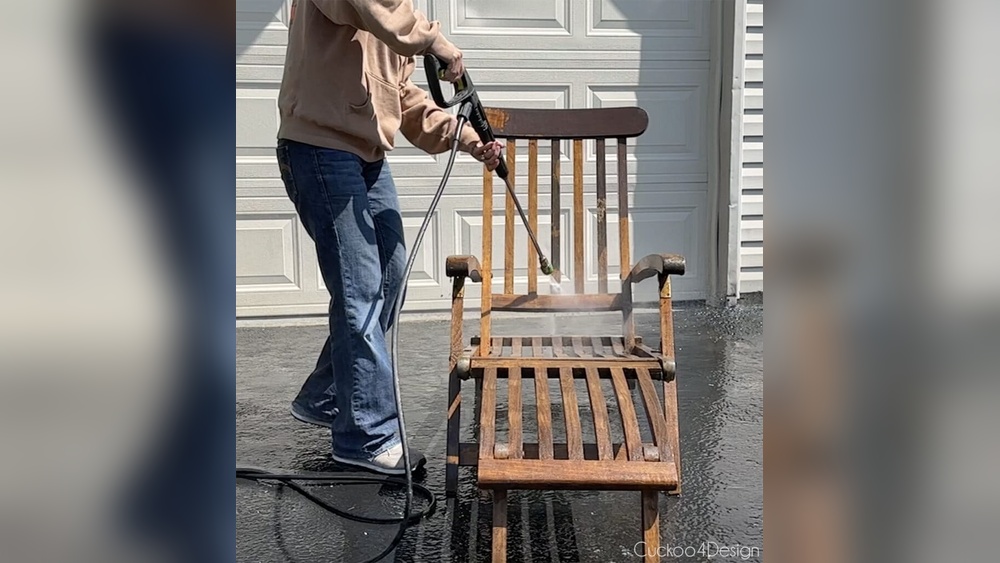
Start by removing dust, dirt, and grime from the wood. Use a soft brush or cloth to wipe the surface gently. A mild soap mixed with water works well to clean stubborn stains. Avoid soaking the wood. Let it dry completely before moving on to sanding.
Sanding Techniques
Sanding smooths the wood and removes any old finish. Use sandpaper with medium grit to start. Work in the direction of the wood grain to avoid scratches. Switch to fine grit sandpaper for a smooth finish. Sand evenly to prevent rough spots and prepare the wood for treatment.
Choosing The Right Tools
Select tools that fit the size and condition of your furniture. Hand sanding blocks work well for small areas. Electric sanders save time on large surfaces. Use soft brushes and clean cloths for cleaning. Proper tools make preparation easier and improve the final look.
Natural Revitalizing Methods
Natural methods restore the beauty of faded wood furniture outdoors. They keep the wood healthy and enhance its color. These methods use simple materials that bring back the wood’s natural charm. They do not harm the environment or the wood itself. Choose the right method based on your wood type and condition.
Using Oil Treatments
Oils nourish wood deeply and prevent cracking. Apply teak oil, linseed oil, or tung oil with a soft cloth. Rub gently along the wood grain to soak the oil. Let the wood absorb the oil for several hours. Wipe off any extra oil to avoid sticky spots. Oil treatments bring a warm glow and protect wood from drying out.
Applying Wood Stains
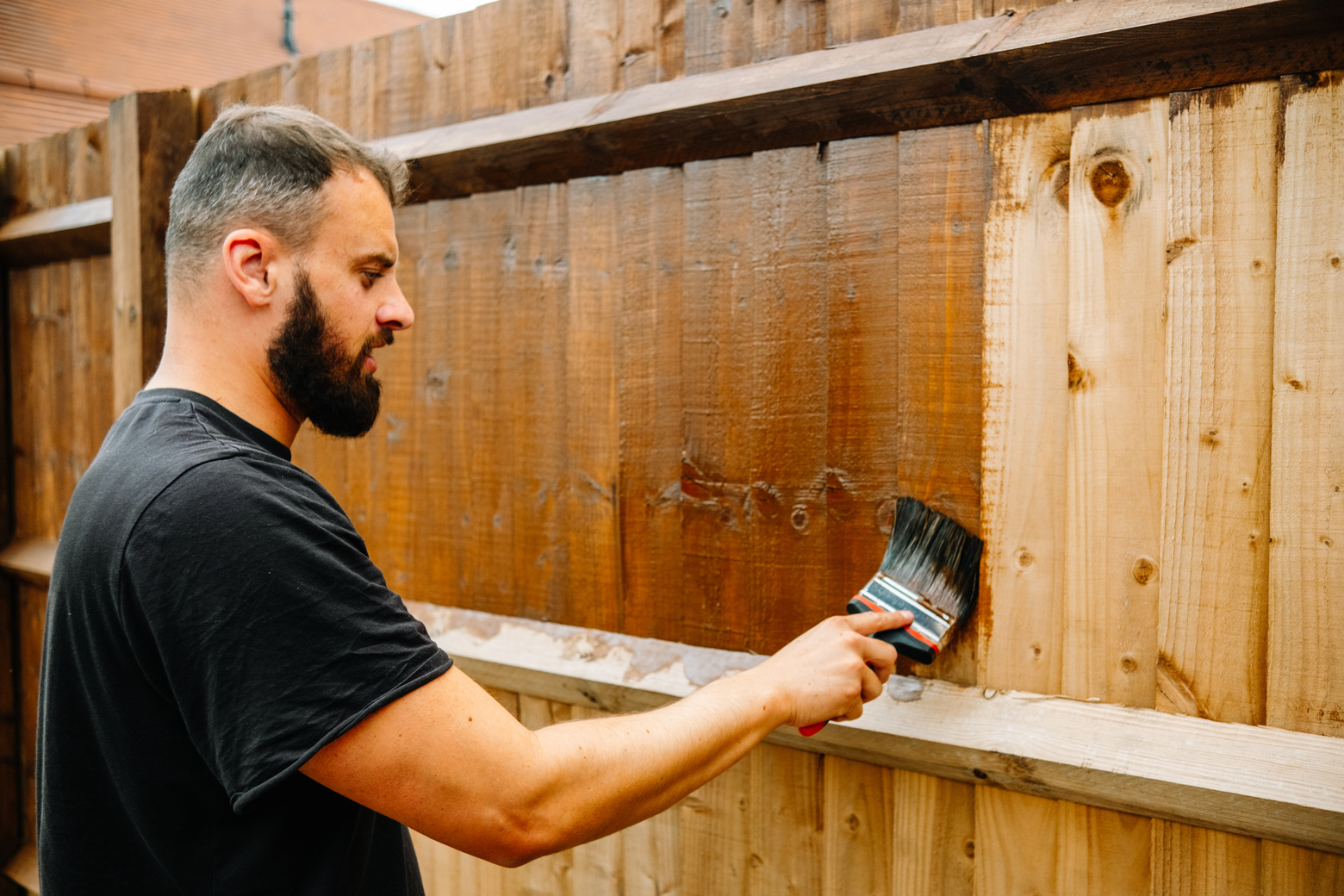
Wood stains add color while showing natural grain. Pick a stain that matches or enhances the original shade. Use a brush or cloth to spread the stain evenly. Work in thin layers for a smooth finish. Allow each layer to dry fully before the next. Stains refresh the wood’s look without covering its texture.
Homemade Remedies
Simple household items can brighten wood naturally. Mix vinegar and olive oil to clean and shine. Use lemon juice and salt for removing tough stains. Apply a paste of baking soda and water to lift dirt. Test remedies on a small spot first. Homemade solutions save money and avoid harsh chemicals.
Credit: www.wood-finishes-direct.com
Protecting Wood After Restoration
After restoring outdoor wood furniture, protection is key. Freshly restored wood looks great but stays vulnerable. Weather, sun, and moisture can harm it quickly. Proper protection helps keep the wood natural and strong longer. This section covers ways to protect wood after restoration.
Sealing Options
Sealing wood stops water and dirt from causing damage. Use clear sealers to keep the natural look. Oil-based sealers soak in deeply and protect well. Water-based sealers dry fast and have low odor. Apply two coats for best results. Let each coat dry fully before adding the next.
Regular Maintenance Tips
Check the furniture often for signs of wear. Clean dirt and dust with a soft cloth or brush. Avoid harsh chemicals that can strip the finish. Apply a fresh coat of sealer every year or two. Fix small cracks or chips right away. Routine care keeps the wood healthy and bright.
Covering And Storage Advice
Cover furniture during bad weather to prevent damage. Use breathable covers that block rain but allow air flow. Store wood furniture indoors or in a dry place during winter. Avoid plastic covers that trap moisture and cause mold. Proper covering and storage reduce weathering and extend wood life.
Common Mistakes To Avoid
Restoring outdoor wood furniture takes care and the right approach. Many people make mistakes that harm the wood or reduce its natural beauty. Avoiding these common errors will help your furniture look fresh and last longer.
Understanding what not to do is just as important as knowing the right steps. Below are key mistakes to avoid during your restoration project.
Over-sanding
Sanding too much removes the wood’s natural layers. This weakens the surface and makes the furniture rough. Light sanding is enough to smooth the wood and remove old finish. Go slowly and check the wood often.
Using Harsh Chemicals
Strong chemicals can damage the wood fibers. They may cause discoloration or leave harmful residues. Choose gentle, wood-safe cleaners and strippers. Test any product on a small hidden spot first.
Skipping Protective Coatings
Protective coatings shield wood from sun, rain, and dirt. Skipping this step leaves the wood exposed and faded again quickly. Use quality sealants or oils to keep the wood natural and strong. Apply coatings regularly for best results.

Credit: www.amazon.com
Frequently Asked Questions
How Do I Restore Faded Outdoor Wood Furniture Naturally?
Clean the wood with mild soap and water first. Lightly sand the surface to remove gray wood. Apply natural oils like teak or linseed oil to nourish and protect the wood, bringing back its natural color and luster.
What Causes Outdoor Wood Furniture To Fade?
Sunlight UV rays break down wood fibers and natural oils. Rain and moisture cause wood to swell and discolor. These elements combined lead to wood fading, graying, and losing its original appearance over time.
Can I Use Household Products To Revive Wood Furniture?
Yes, mild soap and water work for cleaning. White vinegar diluted with water removes mildew stains. Avoid harsh chemicals; instead, use natural oils or wood restorers designed for outdoor furniture.
How Often Should Outdoor Wood Furniture Be Maintained?
Clean and oil your wood furniture at least twice a year. Regular maintenance prevents fading and damage. Inspect for cracks or mold, and treat immediately for best results.
Conclusion
Restoring outdoor wood furniture takes time and care. Clean the surface gently to remove dirt and old finish. Sand the wood lightly to smooth rough spots. Apply a natural wood oil or stain to bring back color. Let the wood dry fully between steps.
Keep furniture covered when not in use. Regular care helps maintain its natural look longer. Small efforts make faded wood look fresh again. Your outdoor space will feel warm and inviting once more. Try these simple steps and enjoy your wood’s natural beauty.