Is your outdoor wood furniture looking dull or spotted with mold? Mold not only ruins the beauty of your favorite pieces but can also damage the wood over time.
If you want to enjoy your outdoor space without worrying about mold, you need a simple and effective way to get rid of it fast. You’ll discover easy steps to clean and protect your wood furniture, so it stays fresh and inviting all season long.
Keep reading—you’re just moments away from making your outdoor space mold-free and beautiful again.
Credit: teakanddeck.com
Causes Of Mold On Outdoor Wood
Mold grows easily on outdoor wood furniture. Understanding why mold appears helps to stop it fast. Several key causes make wood a perfect place for mold growth. Knowing these causes helps protect your furniture from damage and decay.
Moisture And Humidity
Moisture is the main cause of mold on wood. Rain, dew, and water spills keep wood wet. High humidity levels trap moisture in the wood. Mold spores need wet surfaces to grow and spread. Wood that stays damp for long invites mold quickly.
Lack Of Sunlight
Sunlight helps keep wood dry. Shady spots block sunlight and slow drying. Without sun, moisture stays longer on wood surfaces. Dark, damp places create a perfect mold environment. Outdoor furniture in shade often develops mold faster.
Poor Air Circulation
Air moves moisture away from wood. Poor air flow traps moisture around furniture. Tight spaces or crowded areas limit air movement. Stagnant air keeps wood damp for a long time. Proper air circulation reduces mold growth risks.
Credit: www.angi.com
Signs Of Mold On Wood Furniture
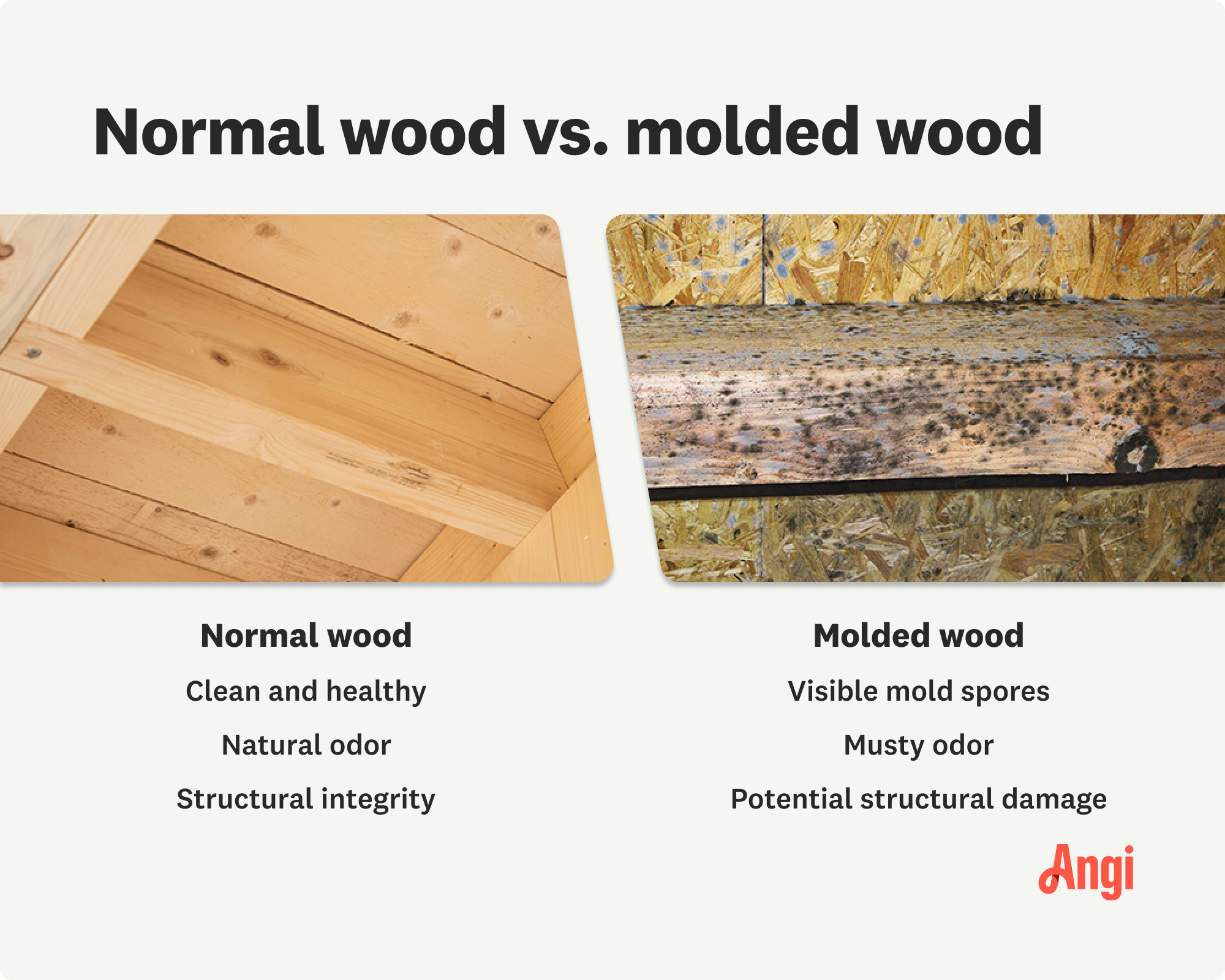
Mold on outdoor wood furniture can cause damage and health risks. Early signs help stop mold before it spreads. Watch for changes in look, smell, and feel of the wood. These signs point to mold growth and need quick action.
Visual Appearance
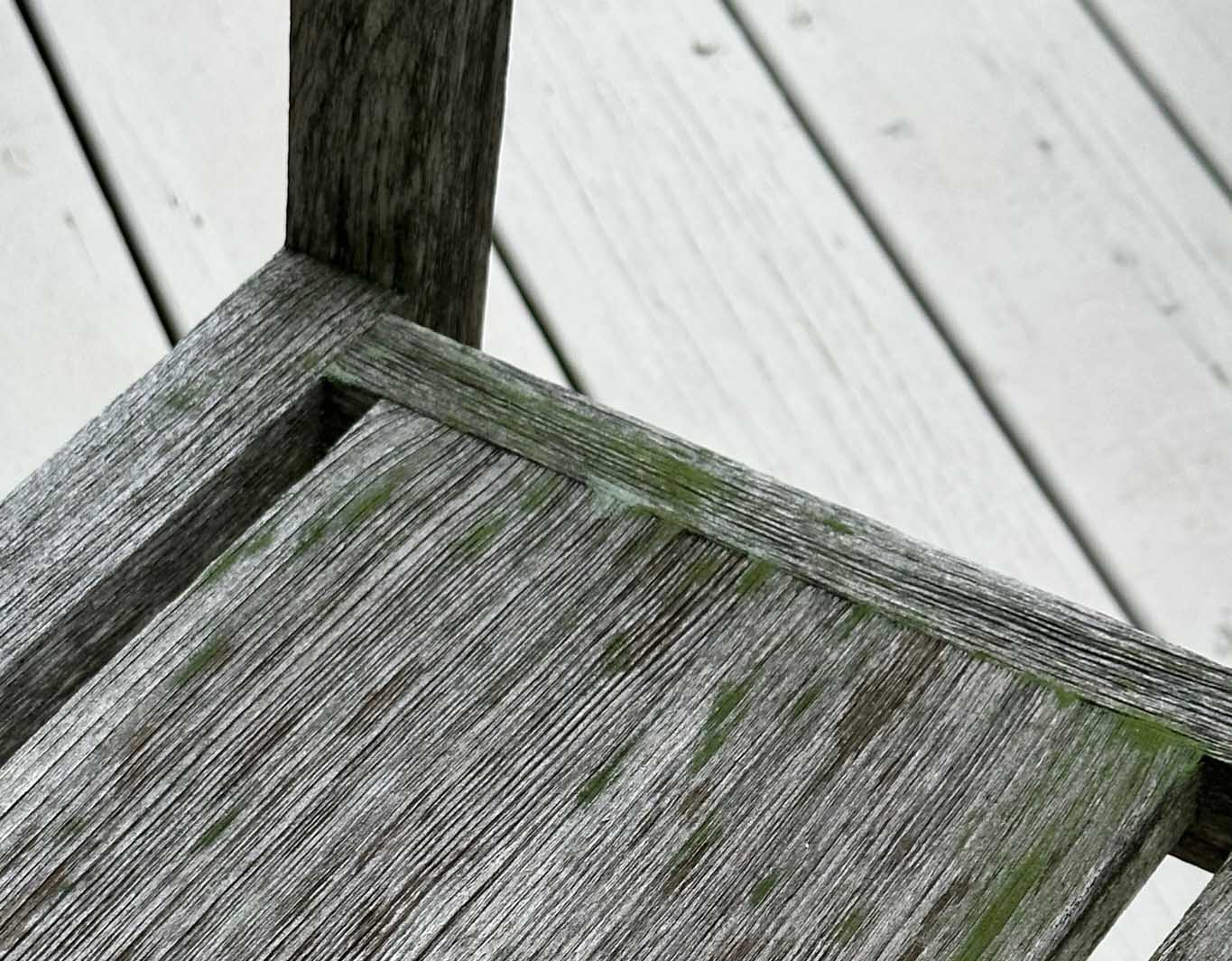
Mold often shows as dark spots or patches. Colors vary from black, green, to white. Spots may look fuzzy or slimy. Sometimes mold forms a powdery layer on the wood. Check hidden and shaded areas carefully. Mold grows best in damp, dark places.
Odor Detection
Mold has a strong, musty smell. It smells like damp earth or old leaves. The odor may be faint at first. It gets stronger as mold spreads. Smell near the wood surface and under cushions. A strange smell often means mold is present.
Surface Texture Changes
Mold changes how wood feels. The surface might feel slimy or sticky. Sometimes it feels rough or powdery. Mold can make wood softer or crumbly. Press gently to check for softness. Texture changes are a clear sign of mold growth.
Tools And Materials Needed
Removing mold from outdoor wood furniture needs the right tools and materials. These help clean the furniture well and keep it safe. Having everything ready makes the job easier and faster. Here are the main tools and materials you need for the task.
Cleaning Solutions
Use mild cleaning solutions to avoid wood damage. A mix of water and white vinegar works well. You can also use dish soap with warm water. For tough mold, a small amount of bleach diluted with water helps. Always test the solution on a small spot first.
Protective Gear
Protect yourself from mold spores and cleaning chemicals. Wear rubber gloves to keep your hands safe. Use a mask to avoid breathing in spores. Safety goggles protect your eyes from splashes. Dress in old clothes that cover your skin.
Cleaning Tools
Soft brushes work best for cleaning mold off wood. Use a sponge to apply cleaning solutions gently. A bucket holds your cleaning mix. A garden hose helps rinse the furniture after cleaning. Avoid metal brushes that can scratch wood surfaces.
Preparing The Furniture For Cleaning
Preparing outdoor wood furniture for cleaning is a key step. It helps make the cleaning process easier and more effective. Proper preparation protects your furniture and the surrounding area. Follow these simple steps to get ready.
Removing Cushions And Accessories
Take off all cushions, pillows, and accessories from the furniture. These items can hold moisture and mold. Clean cushions separately according to their care instructions. Removing them clears space and prevents damage during cleaning.
Brushing Off Loose Dirt
Use a soft brush or broom to sweep off loose dirt and debris. This helps prevent dirt from mixing with cleaning solutions. Brush gently to avoid scratching the wood surface. Removing loose dirt improves the overall cleaning result.
Setting Up A Safe Work Area
Choose a well-ventilated outdoor spot for cleaning. Lay down a tarp or old sheets to catch drips and debris. Wear gloves and a mask to protect your skin and lungs. Keep pets and children away from the area during cleaning.
Step-by-step Mold Removal Process
Removing mold from outdoor wood furniture is simple with the right steps. The process protects your furniture and keeps it looking great. Follow these clear steps to clean mold safely and effectively.
Applying Cleaning Solution
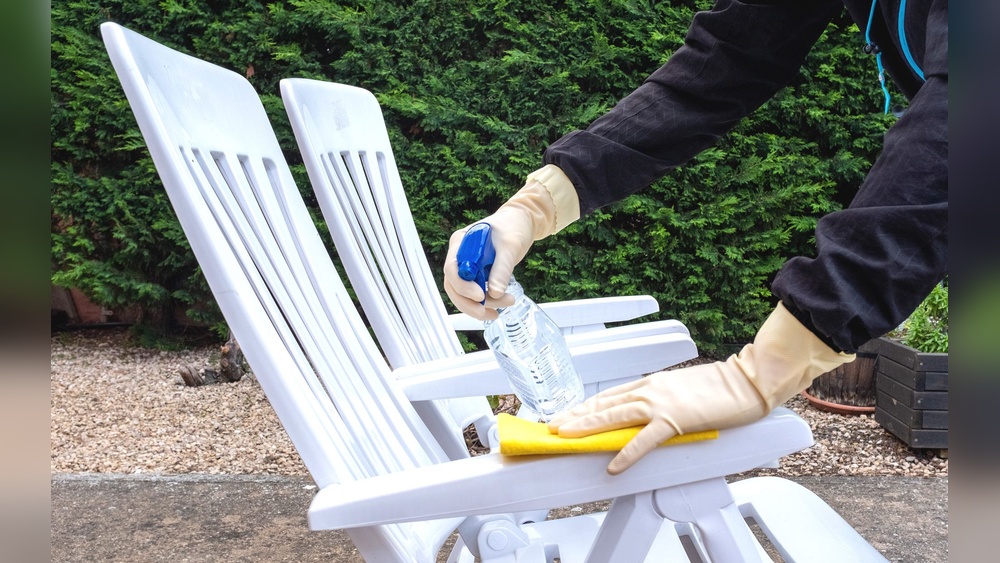
Start by mixing a cleaning solution. Use equal parts water and white vinegar or a mild detergent. Apply the solution generously to the moldy areas. Use a spray bottle or a soft cloth for even coverage. Let the solution sit for 10 to 15 minutes. This helps break down the mold and makes scrubbing easier.
Scrubbing Moldy Areas
Take a soft-bristle brush or sponge. Gently scrub the treated areas to remove mold. Focus on spots with heavy growth. Avoid harsh scrubbing to protect the wood. Rinse the brush or sponge often to remove mold residue. Repeat scrubbing if some mold remains visible.
Rinsing And Drying
Rinse the furniture with clean water to remove leftover solution and mold. Use a garden hose or a bucket of water. Make sure all cleaning solution is washed away. Dry the furniture fully in the sun. Sunlight helps kill mold spores and prevents new growth. Keep the furniture dry to avoid future mold problems.
Preventing Future Mold Growth
Stopping mold from growing again on outdoor wood furniture takes care and effort. Protecting the wood and keeping it dry are key steps. Small daily habits can make a big difference in keeping your furniture clean and mold-free.
Sealing And Protecting Wood
Apply a good quality wood sealer to shield your furniture. Sealers block moisture, which mold needs to grow. Use products made for outdoor wood. Reapply the sealer every year or as the label suggests. This keeps the wood strong and safe from mold.
Proper Furniture Placement
Place furniture where sunlight reaches it often. Sunlight helps dry the wood and stops mold spores. Avoid putting furniture near plants or walls that trap moisture. Good air flow around the furniture lowers mold risk. Move furniture to a dry, open spot if possible.
Regular Maintenance Tips
Clean your furniture regularly with a soft brush and mild soap. Remove dirt and leaves that hold moisture. Check for any cracks or damage and fix them quickly. Cover furniture during rain or winter to keep it dry. Dry furniture thoroughly after rain or washing to prevent mold growth.
Natural Vs Chemical Cleaners
Removing mold from outdoor wood furniture requires choosing the right cleaner. Natural and chemical cleaners work differently. Both have pros and cons. Understanding these helps pick the best method for your furniture and safety.
Benefits Of Natural Cleaners
Natural cleaners use ingredients like vinegar, baking soda, or lemon juice. They are gentle on wood and the environment. These cleaners are non-toxic and safe for children and pets. They do not leave harmful residues. Natural options help maintain the wood’s natural look. They are easy to prepare at home. Cleaning with natural products reduces chemical exposure in your outdoor space.
When To Use Chemical Solutions
Chemical cleaners work faster and kill mold deeply. Use them for heavy mold or stubborn stains. They are effective against mold spores that natural cleaners might miss. Chemicals are ideal for large furniture pieces. Choose products labeled safe for wood. Follow instructions carefully to avoid damage. Chemical solutions often require protective gear during use.
Safety Considerations
Always wear gloves and a mask when cleaning mold. Natural cleaners are safer but still need care. Chemical cleaners can irritate skin and eyes. Ensure good ventilation outdoors during use. Avoid mixing chemicals to prevent harmful reactions. Rinse furniture well after cleaning. Keep children and pets away during treatment. Proper safety prevents health risks and protects your wood furniture.
Credit: www.atlantateak.com
Dealing With Stubborn Mold Stains
Stubborn mold stains on outdoor wood furniture need special care. These stains go deep into the wood, making them hard to remove. Simple cleaning may not be enough. Stronger methods can help bring back the wood’s natural look. Here are some ways to handle tough mold stains effectively.
Sanding Techniques
Sanding removes the top layer of wood where mold hides. Use fine-grit sandpaper for gentle cleaning. Sand along the wood grain to avoid damage. Wear a mask to avoid breathing in dust. After sanding, wipe the surface with a damp cloth. This method works well for small mold patches.
Using Mold-resistant Paints
Apply mold-resistant paint to protect wood from future growth. These paints stop mold spores from settling. Choose a paint made for outdoor wood. Clean and dry the surface before painting. Paint evenly and let it dry completely. This step helps keep furniture mold-free longer.
Professional Help Options
Some mold stains need expert care. Professionals use special tools and chemicals. They can treat deep mold safely and thoroughly. Hiring experts ensures the wood stays strong and clean. Ask for quotes and check reviews before hiring. This option suits severe mold problems.
Frequently Asked Questions
How Do I Remove Mold From Outdoor Wood Furniture?
Clean the furniture with a mixture of water and mild detergent. Scrub gently using a soft brush. Rinse thoroughly and dry completely to prevent mold regrowth.
What Natural Solutions Work Against Mold On Wood Furniture?
White vinegar and baking soda effectively kill mold. Spray vinegar on affected areas, let sit, then scrub. Baking soda helps absorb moisture and eliminate mold odors.
Can Bleach Safely Clean Mold On Outdoor Wood Furniture?
Yes, but use diluted bleach carefully. Mix one cup bleach with one gallon water. Apply gently, rinse well, and dry to avoid damaging the wood.
How Do I Prevent Mold From Returning On Wood Furniture?
Keep furniture dry and clean. Store pieces under cover or use waterproof covers. Regularly inspect and treat wood with mold-resistant sealants or finishes.
Conclusion
Cleaning mold on outdoor wood furniture keeps it strong and nice. Use gentle cleaners and soft brushes to protect the wood. Regular checks help catch mold early and stop it from spreading. Let the furniture dry completely after cleaning to avoid new mold.
Taking small steps often saves big repair costs later. Enjoy your outdoor space with clean, mold-free wood furniture all year. Simple care makes a big difference. Keep it fresh, keep it safe.