Your outdoor furniture is more than just a place to sit—it’s where memories are made, and your backyard comes alive. But if you want your furniture to look great year after year, you need to protect it the right way.
Knowing exactly what to seal and stain can make all the difference between furniture that lasts and furniture that fades or cracks. You’ll discover the simple steps to keep your outdoor pieces looking fresh and strong, no matter the weather.
Ready to make your furniture shine and stand the test of time? Let’s dive in.
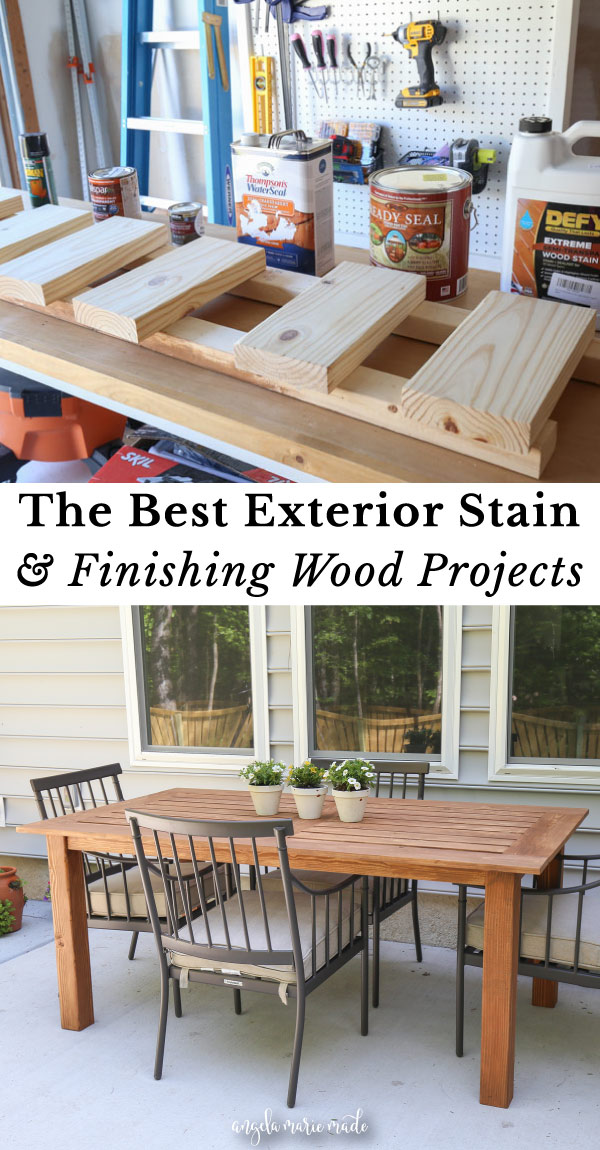
Credit: angelamariemade.com
Choosing The Right Furniture To Seal And Stain
Choosing the right furniture to seal and stain helps protect your outdoor pieces. Not all furniture needs the same care. Some materials respond better to sealing and staining than others. Knowing which furniture to treat keeps your outdoor space looking fresh longer.
Wood Types Suitable For Sealing And Staining
Wood furniture is the best candidate for sealing and staining. Teak, cedar, redwood, and pine are common woods used outside. These woods absorb stains well and gain extra protection from sealers. Softwoods like pine need sealing to prevent damage from moisture. Hardwoods like teak benefit from sealing to maintain color and prevent cracking.
Metal And Synthetic Materials Considerations
Metal furniture rarely needs sealing or staining. Metals like aluminum and wrought iron resist water and rust with regular paint or coatings. Synthetic materials such as plastic or resin do not absorb stains. These materials usually need cleaning and occasional protective sprays instead of sealers.
Identifying Furniture That Needs Protection
Wood furniture exposed to sun, rain, or snow needs sealing and staining. Look for signs like fading, cracking, or splintering. Untreated wood often becomes rough or dull over time. Metal furniture showing rust or paint peeling might need a different approach. Synthetic furniture in good shape usually does not need sealing.
Best Sealants And Stains For Outdoor Use
Choosing the right sealant or stain is essential for outdoor furniture. These products protect the wood from moisture, sun damage, and dirt. They also keep the furniture looking fresh and new for a longer time. Understanding the types and features of sealants and stains helps you pick the best one for your needs.
Oil-based Vs. Water-based Products
Oil-based sealants soak deeply into wood. They offer strong protection against water and wear. These products enhance the wood grain and add a warm tone. Water-based sealants dry faster and have less odor. They are easy to clean with just soap and water. Water-based options keep the furniture color closer to the original wood. Both types work well, but your choice depends on the finish and drying time you want.
Uv Protection Features
Sunlight can cause wood to fade and crack. Sealants with UV blockers shield furniture from sun damage. These products slow down color fading and wood aging. Look for stains that mention UV protection on the label. Using UV-protective sealants keeps outdoor furniture looking new longer. It saves you time and money on repairs or replacement.
Eco-friendly Options
Eco-friendly sealants use natural or low-toxicity ingredients. They release fewer harmful chemicals into the air. These options are safer for your family and pets. Many eco-friendly stains still offer strong protection. They work well to keep wood safe from weather and insects. Choosing green products helps protect the environment and your health.
Preparation Before Sealing And Staining
Preparing outdoor furniture before sealing and staining is essential for a lasting finish. Proper preparation helps the stain penetrate better and the sealant protect the wood. Skipping these steps can cause peeling, uneven color, and damage from weather. Follow simple steps to get your furniture ready for treatment.
Cleaning And Sanding Techniques
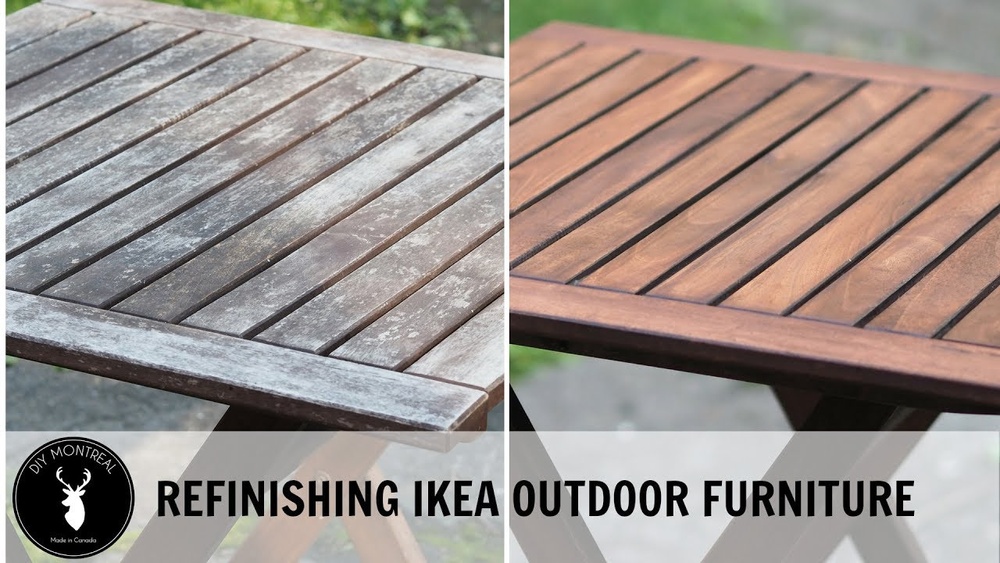
Start by removing dirt, dust, and old finishes from the furniture. Use a soft brush or cloth with mild soap and water. Rinse well and let the wood dry completely. Sand the surface with fine-grit sandpaper to smooth rough spots. Sanding opens the wood grain for better stain absorption. Always sand along the wood grain to avoid scratches. Wipe off sanding dust with a clean cloth before staining.
Repairing Damages And Imperfections
Inspect the furniture for cracks, holes, or loose joints. Fill small cracks and holes with wood filler that matches the wood color. Let the filler dry and sand it smooth. Tighten screws or nails in loose parts. Replace broken pieces if needed. Fixing imperfections ensures the finish looks smooth and lasts longer.
Choosing The Right Weather For Application
Pick a dry day with mild temperatures to apply stain and sealer. Avoid very hot, cold, or humid weather. High heat can cause the stain to dry too fast and look blotchy. Cold slows drying and may prevent proper curing. Humidity can trap moisture, causing bubbles or peeling. Morning or late afternoon works best, avoiding direct sunlight on the furniture.

Credit: www.backyarddiscovery.com
Application Tips For Long-lasting Results
Applying sealant and stain to outdoor furniture needs care and the right approach. Good application helps protect your furniture from weather damage and keeps it looking fresh. Follow clear steps to make the finish last longer and maintain the wood’s beauty.
Tools And Methods For Applying Sealant And Stain
Use a clean brush or a foam applicator for smooth application. A paint sprayer can speed up the job on large pieces. Always stir the stain or sealant well before use. Apply with even strokes along the wood grain. Avoid over-brushing to prevent streaks and blotches.
Number Of Coats And Drying Times
Apply at least two coats for strong protection. Let the first coat dry fully before adding the next. Drying time depends on weather and product type. Usually, 4 to 6 hours is enough in warm, dry conditions. Avoid rushing to stop peeling or uneven finish.
Avoiding Common Mistakes
Do not apply sealant or stain on wet or dirty wood. Sand the surface lightly to remove old finish and smooth rough spots. Avoid applying too thick coats as it can crack later. Always test the product on a small area first. Protect your furniture from rain during drying.
Maintenance For Sealed And Stained Furniture
Maintaining sealed and stained outdoor furniture helps keep its beauty and durability. Proper care stops damage from sun, rain, and dirt. It also protects wood and other materials from cracking and fading. Small steps in maintenance extend the furniture’s life. Simple routines prevent costly repairs or replacements.
Regular Cleaning Routines
Clean furniture gently with a soft brush or cloth. Remove dust and dirt often to avoid buildup. Use mild soap and water for deeper cleaning. Avoid harsh chemicals that can damage the seal or stain. Rinse well and dry furniture completely before use. Cleaning twice a month keeps the finish fresh and strong.
Reapplication Frequency
Check the finish every year for signs of wear. Areas exposed to more sunlight may need reapplication sooner. Light sanding before reapplying helps the new coat stick better. Use the same type of sealant or stain for best results. Reapply at least once every two years for good protection. Timely reapplication prevents wood from drying out or rotting.
Storage Tips To Extend Lifespan
Store furniture indoors during harsh winter months. Cover pieces with breathable covers to avoid moisture buildup. Keep furniture away from direct ground contact to prevent dampness. Elevate legs slightly if storing outside. Proper storage reduces exposure to extreme weather. It helps maintain the finish and wood quality for years.

Credit: www.youtube.com
Protecting Different Furniture Styles
Outdoor furniture needs protection from sun, rain, and dirt. Different furniture styles require different care. Sealing and staining help keep wood strong and beautiful. This section covers how to protect deck chairs, tables, and wooden accents.
Deck Chairs And Benches
Deck chairs and benches face harsh weather daily. Use a waterproof sealant to stop water damage. Stain adds color and shields from sun rays. Choose a stain with UV protection to prevent fading. Apply sealant every year for best results. Sand rough spots before sealing to ensure smooth finish.
Tables And Dining Sets
Tables and dining sets get heavy use and spills. A stain with a protective topcoat resists stains and scratches. Seal edges and legs carefully to block moisture. Use a brush to reach tight corners and joints. Let the stain dry fully before using the furniture again. Regular maintenance keeps the wood from cracking.
Wooden Accessories And Accents
Wooden accessories like planters and trays need gentle care. Light sealants prevent moisture without hiding natural grain. Staining enhances wood’s natural beauty and adds warmth. Use soft cloths to apply stain evenly. Small items may need more frequent sealing due to exposure. Proper care extends their life and keeps them looking fresh.
Frequently Asked Questions
What Types Of Wood Need Sealing And Staining?
Softwoods like pine and cedar need sealing and staining. Hardwoods like teak benefit too. This protects wood from moisture, sun, and insects, extending furniture life and maintaining appearance.
How Often Should Outdoor Furniture Be Sealed And Stained?
Seal and stain outdoor furniture every 1-3 years. Frequency depends on climate, exposure, and wood type. Regular maintenance prevents cracking, fading, and water damage, keeping furniture durable and attractive.
Can I Seal And Stain Metal Outdoor Furniture?
Metal furniture usually doesn’t require sealing and staining. Use rust-resistant paint or coating instead. Proper maintenance prevents rust and corrosion, ensuring longevity and preserving the furniture’s look.
What Is The Best Season To Seal And Stain Outdoor Furniture?
Spring or early summer is ideal for sealing and staining. Warm, dry weather helps the finish dry and cure properly. Avoid rainy or humid days to prevent improper sealing and streaks.
Conclusion
Sealing and staining outdoor furniture protects it from sun and rain. It keeps wood strong and looking good longer. Choose the right products for the material you have. Apply sealant and stain carefully and evenly. Regular maintenance helps your furniture last through seasons.
Enjoy your outdoor space with furniture that stays fresh. Simple steps make a big difference in durability. Protect your investment with proper care and attention.