Choosing the right material for your outdoor furniture can make all the difference in how long it lasts and how well it withstands the elements. You want something that stays strong, looks great, and requires little maintenance.
But with so many options out there, how do you know which one will truly stand the test of time? You’ll discover the most durable materials that can handle sun, rain, and wear—helping you make a smart choice that protects your investment and keeps your outdoor space inviting for years to come.
Keep reading to find out which material fits your needs best.
Credit: metercube.com
Key Factors For Durability
Durability is key when choosing outdoor furniture. It must handle different weather and daily use. Several factors affect how long furniture lasts outside. Knowing these helps pick the best material for your needs.
Weather Resistance
Outdoor furniture faces rain, wind, snow, and heat. Materials that resist water and rust last longer. Some woods handle moisture better than others. Metals with protective coatings fight corrosion. Weather resistance keeps furniture strong and safe.
Maintenance Needs
Furniture that needs less care saves time and effort. Some materials require regular sealing or painting. Others clean easily with soap and water. Low-maintenance furniture stays attractive without much work. This factor matters for busy people or those who dislike upkeep.
Wear And Tear
Daily use causes scratches, dents, and fading. Tough materials resist damage from bumps and moves. Strong fabrics hold up against rubbing and stretching. Wear-resistant furniture looks good longer. It also reduces replacement costs over time.
Uv Protection
Sunlight can cause colors to fade and materials to crack. UV-resistant furniture keeps its color and strength. Some plastics and treated woods block harmful rays well. UV protection helps furniture stay vibrant and durable. This is important in sunny areas.
Popular Outdoor Materials
Outdoor furniture must resist weather and stay strong over time. Choosing the right material is important for durability and style. Many materials suit different needs and budgets. Some offer natural beauty, while others focus on low maintenance. Here are popular materials used for outdoor furniture.
Teak Wood
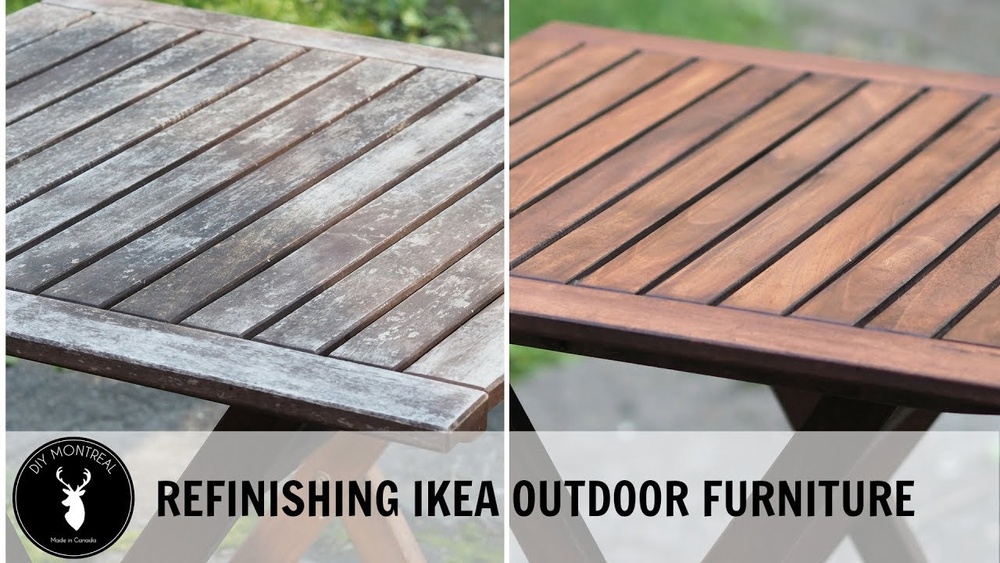
Teak wood is famous for its strength and beauty. It contains natural oils that protect it from water and insects. This wood ages well and turns a silver-gray color outside. Teak furniture lasts many years with little care. It feels warm and natural in any garden.
Aluminum
Aluminum is light and does not rust. It works well in wet or humid places. Aluminum furniture is easy to move and clean. It can have many shapes and colors. This metal holds paint well and resists scratches.
Wrought Iron
Wrought iron is very strong and heavy. It offers classic and elegant designs. This material needs coating to avoid rust. With good care, wrought iron furniture can last decades. It is perfect for a vintage or traditional look.
Synthetic Resin
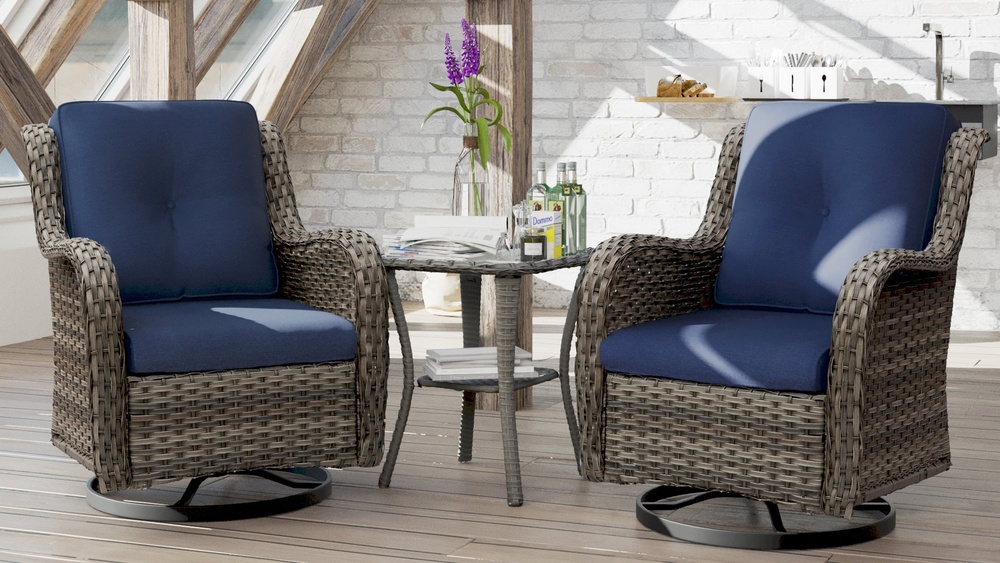
Synthetic resin is made to look like natural wicker. It is waterproof and resists sun damage. Resin furniture is lightweight and easy to clean. It does not fade or crack easily. This material fits modern and casual spaces.
Plastic And Polypropylene
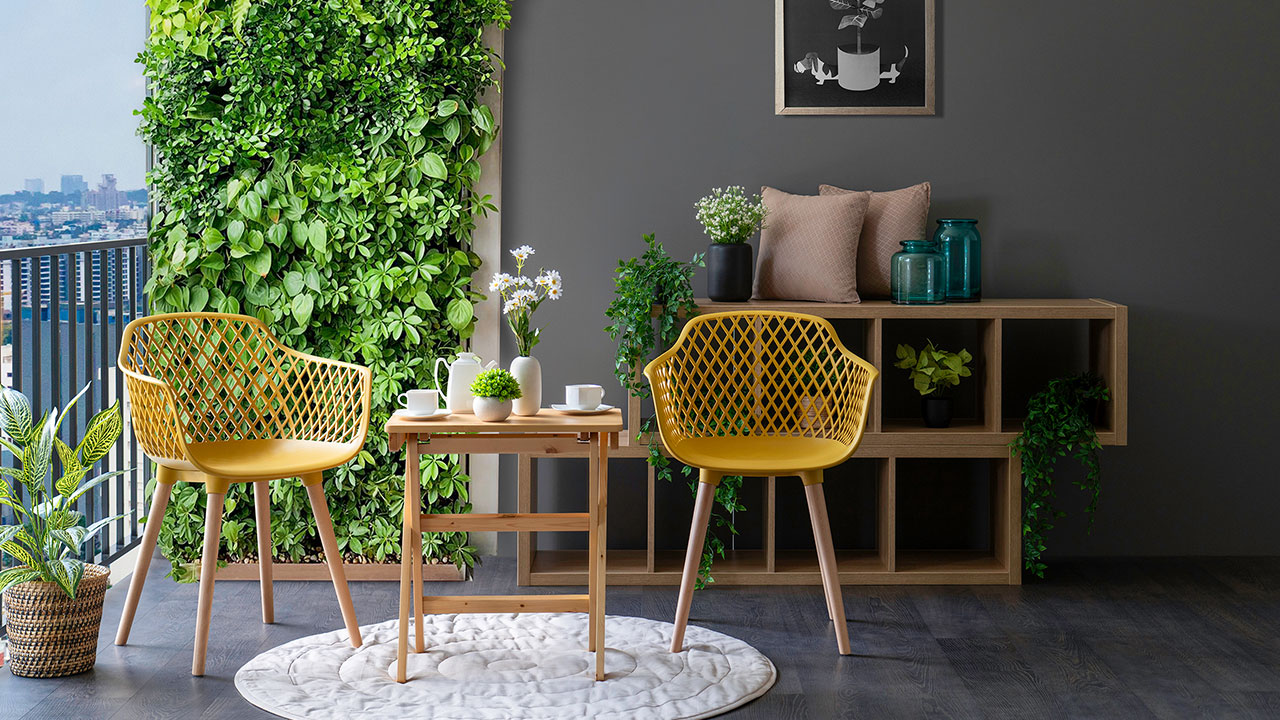
Plastic and polypropylene are affordable and versatile materials. They resist moisture and many chemicals. These materials come in many colors and styles. Plastic furniture is easy to move and stack. It suits casual and small outdoor areas.
Steel
Steel is strong and durable but can rust without protection. It supports large and heavy furniture designs. Steel often gets a powder coating to prevent corrosion. This metal fits both modern and industrial styles. Proper care helps steel last for many years.
Comparing Material Strengths
Choosing the right material for outdoor furniture is important for long-lasting use. Different materials have different strengths and weaknesses. Comparing these strengths helps find the best fit for your needs. This section explores key factors affecting the durability of outdoor furniture materials.
Resistance To Moisture
Moisture can damage many materials over time. Wood may rot or warp if exposed to water. Synthetic materials like resin or plastic resist moisture well. Metal furniture can handle moisture but might need protective coatings. Choosing materials with high moisture resistance ensures furniture lasts through rain and humidity.
Rust And Corrosion
Rust weakens metal furniture and ruins its look. Aluminum and stainless steel resist rust better than iron or steel. Powder-coated metals also offer extra protection. Avoid metals that easily corrode in outdoor settings. This keeps your furniture strong and attractive for years.
Fading And Discoloration
Sunlight can cause colors to fade over time. Fabrics and painted surfaces are especially vulnerable. Materials with UV protection hold color longer. Certain plastics and treated woods resist fading well. Durable color means your furniture looks fresh season after season.
Weight And Portability
Heavy furniture feels sturdy but can be hard to move. Lightweight materials like aluminum or resin are easy to carry. Consider how often you will move your furniture. Balance strength with portability for practical outdoor use.
Environmental Impact
Choosing the most durable material for outdoor furniture means thinking about the environment. Outdoor furniture faces weather and wear, but its impact on nature matters too. Understanding the environmental effects of materials helps make better choices for the planet.
Sustainability Of Materials
Sustainable materials come from sources that renew quickly. Wood from responsibly managed forests is one example. Bamboo grows fast and needs little water. Metals like aluminum can last decades with little waste. Choosing sustainable materials reduces harm to forests and mines.
Recyclability
Recyclable materials lower waste and save resources. Aluminum and steel are easy to recycle many times. Some plastics can be recycled but not all. Wood can be reused or composted if untreated. Recycling saves energy and reduces pollution from new production.
Eco-friendly Options
Eco-friendly outdoor furniture uses natural or recycled materials. Products made from recycled plastic help reduce landfill waste. Furniture with natural oils instead of chemical finishes is safer for soil and water. Choosing eco-friendly options protects wildlife and supports a healthier environment.
Cost Vs. Longevity
Choosing outdoor furniture means thinking about cost and how long it lasts. Spending less now might mean more spending later. Durable materials can cost more upfront but save money over time. Understanding cost versus longevity helps make smart choices for your outdoor space.
Initial Investment
Durable materials often have a higher price at first. Teak, metal, and high-quality synthetic fibers usually cost more than cheap plastics or softwoods. This initial cost covers strength and resistance to weather. Paying more upfront means furniture can handle sun, rain, and wind better.
Long-term Value
Long-lasting furniture reduces the need for frequent replacement. Materials like aluminum or teak resist rust and decay. They keep their look and function for years. Spending more at first often saves money in the long run. Durable furniture also keeps your outdoor area attractive over time.
Repair And Replacement
Some materials are easy to fix; others are not. Metal frames can be repainted or welded if damaged. Wood might need sanding and sealing. Cheap materials often break or fade quickly, requiring full replacement. Durable furniture means fewer repairs and less hassle.

Credit: www.castlery.com
Tips For Extending Furniture Life
Outdoor furniture faces many challenges from weather and daily use. Taking good care of it helps keep it strong and looking good. Simple steps can make a big difference in how long your furniture lasts.
Regular care prevents damage and keeps materials from wearing out fast. These tips fit all types of outdoor furniture, whether wood, metal, or plastic. Use them to protect your investment and enjoy your outdoor space longer.
Proper Cleaning Techniques
Clean furniture often to avoid dirt buildup. Use mild soap and water for most materials. Avoid harsh chemicals that can cause damage. Soft brushes or cloths work best for scrubbing. Rinse well and dry furniture completely to stop mold growth.
Seasonal Care
Adjust care based on the season. In winter, remove snow and ice gently. In summer, check for sun damage or fading. Treat wood with protective oils or sealants yearly. Tighten screws and bolts to keep furniture stable.
Protective Covers
Use covers made for outdoor furniture to guard against rain and sun. Choose waterproof and breathable fabrics to prevent moisture buildup. Cover furniture when not in use for long periods. Remove covers regularly to air out and avoid mold.
Storage Solutions
Store furniture indoors during harsh weather or winter months. Use dry, cool places to avoid warping or rust. If indoor space is limited, use sheds or garages. Elevate furniture off the ground to prevent moisture damage.

Credit: www.amishoutletstore.com
Frequently Asked Questions
What Materials Last Longest For Outdoor Furniture?
Teak, aluminum, and synthetic wicker are the most durable outdoor furniture materials. They resist weather, moisture, and UV damage effectively. Teak naturally repels water and pests, aluminum won’t rust, and synthetic wicker withstands sun and rain well.
Is Teak The Best Wood For Outdoor Furniture?
Yes, teak is highly durable for outdoor use. Its natural oils protect against rot, insects, and moisture. Teak ages beautifully, requiring minimal maintenance compared to other woods, making it a top choice for outdoor furniture.
How Does Aluminum Perform In Outdoor Furniture?
Aluminum is lightweight, rust-resistant, and strong, making it ideal for outdoor furniture. It withstands harsh weather without corroding. Powder-coated finishes further enhance its durability and color retention, ensuring long-lasting outdoor use.
Are Synthetic Materials Good For Outdoor Furniture?
Synthetic materials like resin wicker and plastic composites are excellent for outdoor furniture. They resist fading, cracking, and moisture damage. These materials require low maintenance and offer a variety of stylish, weatherproof options.
Conclusion
Durable outdoor furniture makes your space last longer. Materials like teak, aluminum, and synthetic wicker stand strong against weather. Choose what fits your style and budget. Regular care helps keep furniture looking good. Strong materials save money and time. Invest wisely for comfort and lasting use.
Your outdoor area deserves sturdy, reliable furniture. Durable choices bring peace of mind and beauty.