Have you ever wondered why your outdoor furniture doesn’t seem to fit well inside your home? You might think that if it looks good outside, it should work just as well indoors.
But there’s more to it than just style. Using outdoor furniture inside can affect your comfort, the look of your space, and even how long your furniture lasts. If you want to make the best choices for your home, understanding these key differences is important.
Keep reading to discover why outdoor furniture might not be the right fit for your indoor living space—and what you should consider instead.
Material Differences
Outdoor and indoor furniture differ mainly in the materials used. These differences affect how well the furniture lasts and feels. Choosing the right material is key to comfort and durability inside your home. Understanding these material differences helps explain why outdoor furniture may not suit indoor use.
Durability Factors
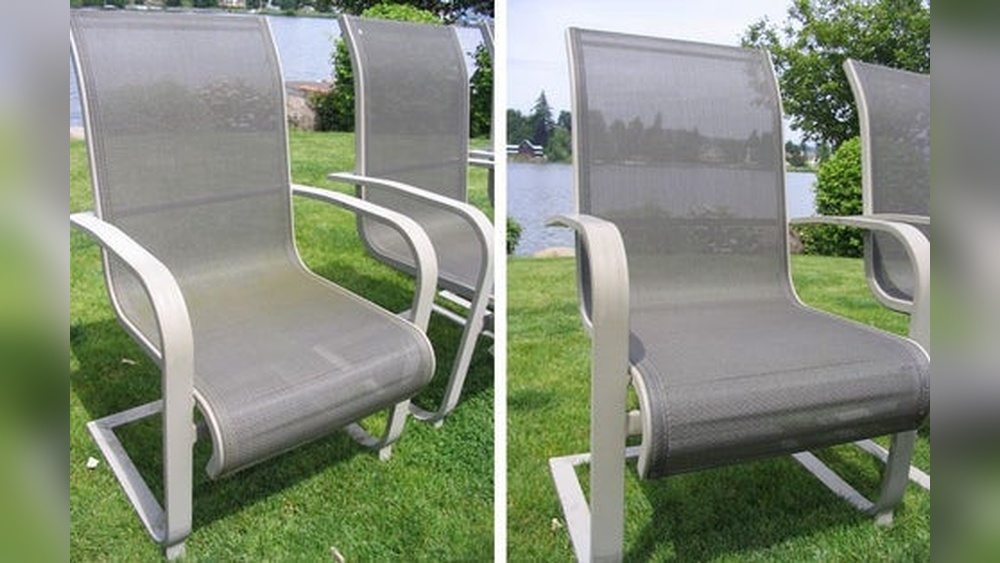
Outdoor furniture uses tough materials to fight wear and tear. Metals are usually coated to stop rust. Plastics and wood are treated to resist cracking and fading. Indoor furniture materials focus less on toughness and more on style. They may not stand up to outdoor conditions but offer comfort inside. Using outdoor furniture indoors can feel rough or heavy.
Weather Resistance
Outdoor furniture is made to survive sun, rain, and wind. Fabrics resist fading and dry quickly. Frames repel moisture to avoid damage. Indoor furniture lacks these weatherproof features. It can break down fast if placed outside. Bringing outdoor furniture indoors means using items with coatings and fabrics designed for harsh weather. This can make them less soft and inviting.
Indoor Comfort Materials
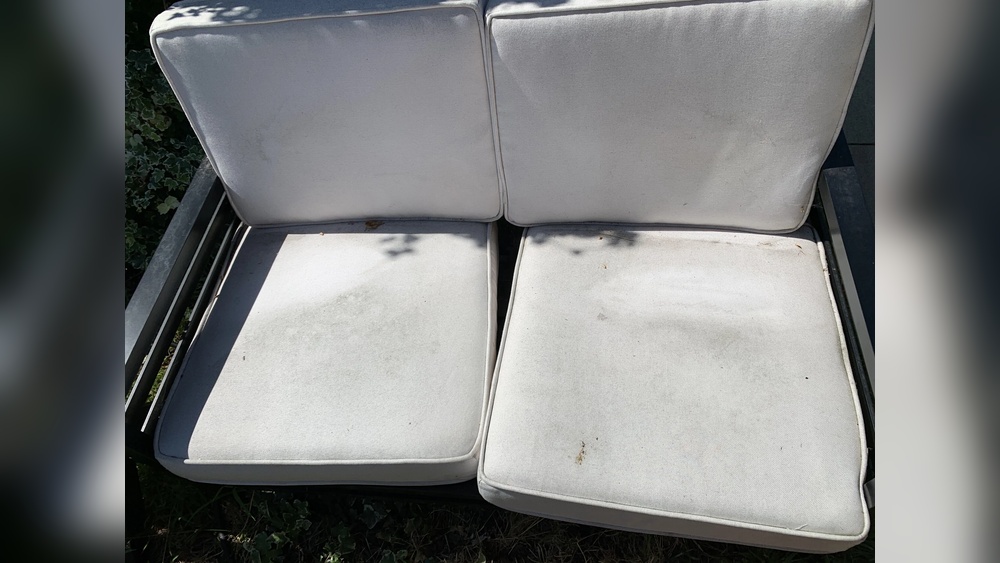
Indoor furniture uses soft fabrics like cotton or velvet. Cushions are plush and cozy for long sitting. Foam inside is designed for comfort, not toughness. Outdoor cushions often use firm foam and water-resistant covers. These materials dry fast but feel stiff. Using outdoor materials indoors can reduce comfort. The fabric may feel rough and less breathable inside your home.
Design Considerations
Design plays a big role in choosing furniture for indoor spaces. Outdoor furniture often looks and feels different than indoor pieces. These differences can affect how well the furniture fits inside your home.
Thinking about design helps you avoid problems with style, comfort, and space. Here are some key points to consider before using outdoor furniture indoors.
Aesthetic Mismatch
Outdoor furniture usually has a rugged or casual look. It is made to handle weather and dirt. Indoor furniture often has a softer, polished style. Mixing these styles can make a room feel unbalanced or strange. Your indoor space might lose its cozy and refined feel.
Ergonomic Variations
Outdoor furniture is designed for short, relaxed use. It may not offer the same support as indoor furniture. Chairs and sofas might be harder or less comfortable for long sitting. Ergonomics matter inside, where people spend more time. Poor ergonomics can cause discomfort or pain.
Size And Proportions
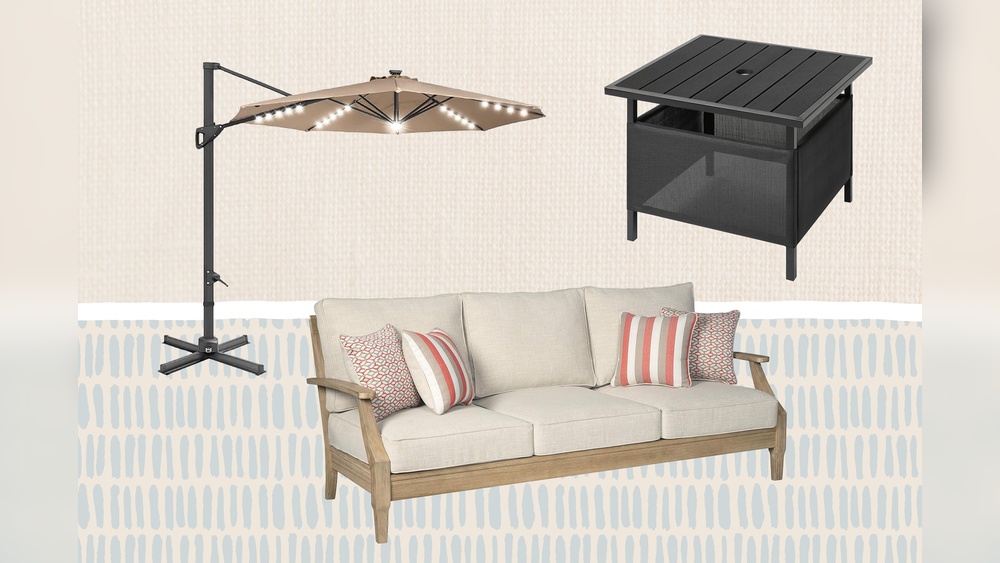
Outdoor furniture tends to be larger and bulkier. It fits open spaces like patios and gardens. Inside your home, space is often limited. Big outdoor pieces can crowd rooms and block pathways. Proper size and scale keep your room functional and welcoming.
Maintenance Challenges
Using outdoor furniture inside creates unique maintenance challenges. These pieces are built for the outdoors and need different care indoors. Understanding these challenges helps you keep your furniture in good shape.
Cleaning Requirements
Outdoor furniture often has materials that resist dirt and water. Indoors, dust and spills need more frequent cleaning. Some outdoor fabrics can trap dust easily. Regular wiping and vacuuming become necessary. Using harsh cleaners can damage the outdoor finish inside.
Wear And Tear Patterns
Outdoor furniture faces sun and rain outside. Inside, it deals with constant use and movement. Floors may scratch the legs more than grass or dirt. Cushions can wear unevenly on indoor surfaces. The furniture may show signs of wear faster indoors.
Longevity Indoors
Outdoor furniture may not last as long inside. Materials may not suit indoor humidity and temperature. Metal parts can rust even indoors without proper care. Wood may crack or warp in dry indoor air. Keeping furniture in stable conditions extends its life.

Credit: www.escapetoblueridge.com
Health And Safety Issues
Using outdoor furniture inside your home may seem practical. Yet, it can cause health and safety problems. Outdoor pieces are made for open air, not indoor use. Materials and chemicals used outdoors might not be safe inside. Understanding these risks helps protect your well-being.
Toxic Chemicals
Outdoor furniture often contains chemicals to resist weather. These include pesticides, fungicides, and sealants. Some chemicals can release harmful fumes indoors. Poor ventilation makes these fumes more dangerous. Prolonged exposure may cause headaches and breathing issues. Indoor furniture uses safer materials without strong chemicals.
Allergen Concerns
Outdoor furniture collects dirt, pollen, and mold. These allergens stick to cushions and surfaces. Bringing them inside can trigger allergies or asthma. Mold grows faster in indoor humidity. Allergens reduce indoor air quality and comfort. Regular cleaning may not remove all allergens.
Fire Safety
Outdoor furniture materials may not meet indoor fire codes. Some fabrics and foams burn easily or release toxic smoke. Indoor furniture must pass strict fire safety tests. Using outdoor pieces inside increases fire risk. Fire hazards threaten your safety and property. Choose furniture designed for indoor fire safety standards.
Cost Implications
Using outdoor furniture inside your home might seem like a smart choice. It looks sturdy and can handle rough weather. But this choice has important cost implications. Outdoor furniture is made for different conditions than indoor furniture. This difference affects your budget in many ways.
Repair Expenses
Outdoor furniture faces rough weather conditions like sun and rain. It uses materials that resist these elements but may not suit indoor use. Inside, humidity and temperature changes can cause damage. Repairs can be frequent and costly. Fixing rust, cracks, or fading requires special care. Repair bills can add up quickly over time.
Replacement Frequency
Outdoor furniture inside may wear out faster than indoor furniture. Materials designed for outdoor use may not last well indoors. The furniture might lose its look and comfort sooner. This leads to more frequent replacements. Replacing furniture often increases your overall expenses. It is less cost-effective than buying furniture meant for indoor use.
Value Retention
Outdoor furniture kept indoors may lose its value quickly. Buyers expect outdoor furniture to show wear if used outside. Inside use can cause unusual damage that lowers resale value. Furniture that does not keep value is a poor investment. Choosing the right furniture helps maintain its worth longer.

Credit: www.escapetoblueridge.com
Practical Alternatives
Choosing the right furniture for indoors matters a lot. Outdoor furniture often lacks the comfort and style needed inside. Practical alternatives offer better options for indoor spaces. These choices provide comfort, durability, and suit your home’s design.
Best Indoor Furniture Types
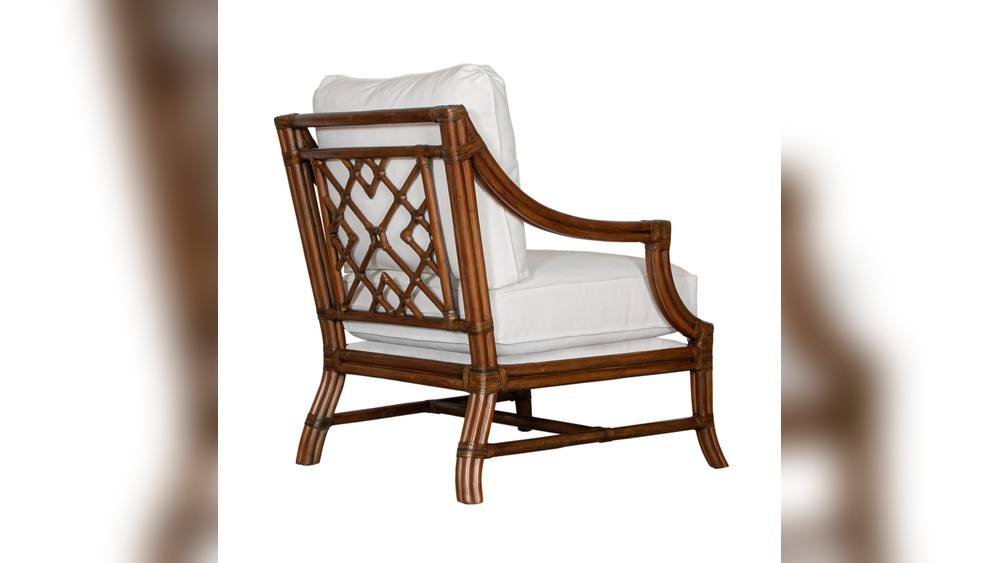
Indoor furniture is made with soft fabrics and smooth finishes. Sofas, armchairs, and wooden tables are common. They feel cozy and look good in living rooms. Materials like leather, velvet, and polished wood work well inside. These pieces resist stains and wear from daily use. They also come in many styles to match your home.
Hybrid Furniture Options
Hybrid furniture blends outdoor toughness with indoor comfort. These pieces use strong frames but softer cushions. Some chairs and benches work well both inside and outside. They offer flexibility and save space. You get the best of both worlds—easy cleaning and cozy seating.
Custom Solutions
Custom furniture fits your exact needs and space. You can choose materials and colors that match your style. Builders create pieces that last and feel comfortable. Custom options help if you want unique shapes or sizes. They offer a personal touch to your home’s look.

Credit: www.tripadvisor.com
Frequently Asked Questions
Why Is Outdoor Furniture Unsuitable For Indoor Use?
Outdoor furniture is designed to resist weather, not indoor conditions. It often lacks indoor comfort features and may look out of place inside. Materials can feel rough or stiff, and finishes may release odors indoors, making them less suitable for indoor living spaces.
Can Outdoor Furniture Damage Indoor Flooring?
Yes, outdoor furniture can damage indoor floors. Heavy frames and rough feet can scratch hardwood or tile. Lack of protective pads increases wear and tear. It’s best to use furniture with indoor-safe bases or add floor protectors to prevent damage.
Does Outdoor Furniture Affect Indoor Air Quality?
Outdoor furniture materials may emit volatile organic compounds (VOCs) indoors. These chemicals can come from plastic, treated wood, or metal coatings. Poor ventilation worsens this effect. Using furniture made for indoor use ensures better air quality and safety.
Are Outdoor Furniture Cushions Comfortable Indoors?
Outdoor cushions are firmer and less plush than indoor ones. They use quick-dry foam and water-resistant fabric, which feel less cozy inside. For better comfort, swap outdoor cushions for softer indoor alternatives when using furniture indoors.
Conclusion
Outdoor furniture suits weather, not indoor comfort. It feels heavy and rough inside. Materials may damage floors or walls over time. Indoor furniture offers better style and coziness. Choosing the right furniture keeps your home safe and inviting. Think about comfort, safety, and design before buying.
Your indoor space deserves furniture made for it. This helps you enjoy your home fully and comfortably.