Is your outdoor furniture looking dull and spotted with mould? You’re not alone, and the good news is you can fix this quickly.
Mould not only ruins the look of your furniture but can also cause damage and health issues. Imagine enjoying your outdoor space again, free from those stubborn black or green patches. In this guide, you’ll discover simple, effective steps to get rid of mould and keep your furniture looking fresh all year round.
Ready to bring your outdoor space back to life? Let’s dive in.
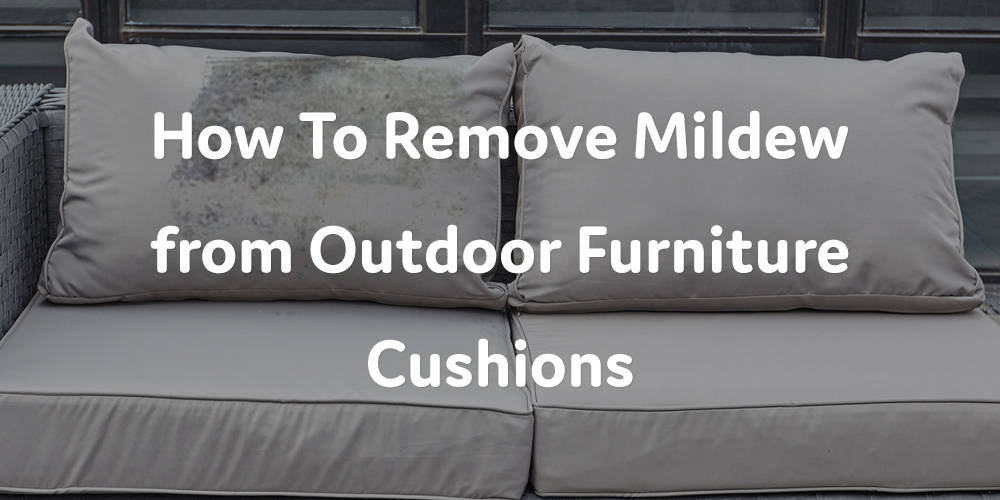
Credit: www.furnituremaxi.com
Causes Of Mould On Outdoor Furniture
Mould on outdoor furniture is a common problem. It grows in places that stay damp and shaded. Understanding the causes helps prevent mould growth. This section explains why mould appears on outdoor furniture.
Common Mould Triggers
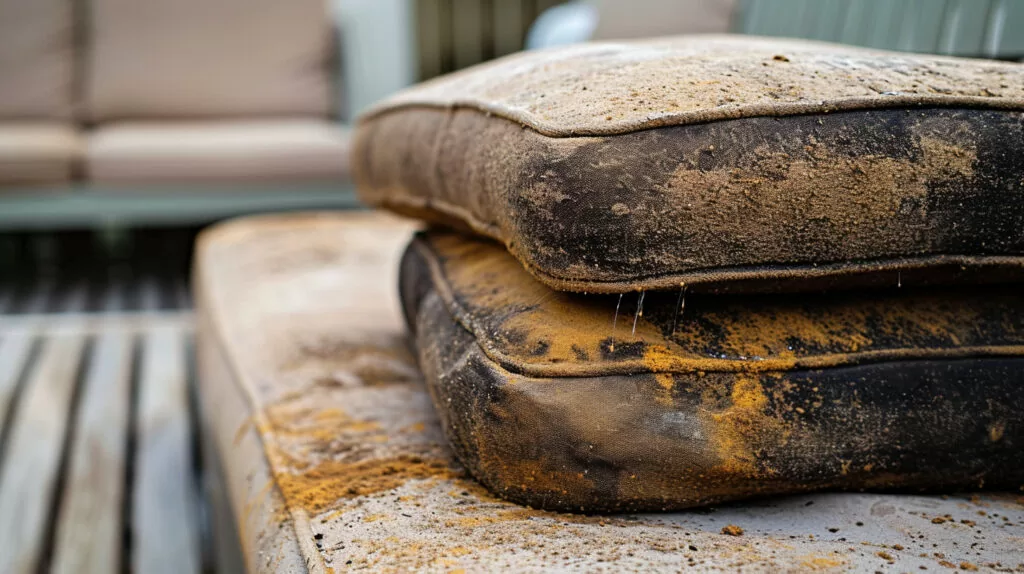
Mould spores are everywhere in the air. They settle on furniture surfaces. Dirt and organic matter feed mould spores. Leaves, dust, and pollen create a perfect spot for mould. Furniture left dirty or wet allows mould to grow fast. Poor cleaning habits increase mould risks.
Climate And Moisture Factors
Warm and humid weather supports mould growth. Rain and dew keep furniture wet for long times. Shady areas do not dry quickly. Moisture trapped in cushions or wood causes mould. High humidity indoors or outdoors also helps mould spread. Proper airflow reduces moisture and mould buildup.
Credit: www.patioproductions.com
Materials Prone To Mould
Outdoor furniture faces different risks for mould growth. Some materials attract mould more than others. Knowing which materials are prone to mould helps in cleaning and prevention. This knowledge also guides you in choosing furniture that stays cleaner longer.
Wood And Fabric Vulnerability
Wood is a common material for outdoor furniture. It soaks up water and stays damp. This dampness creates the perfect environment for mould. Softwoods like pine are more likely to get mould than hardwoods. Untreated or poorly sealed wood is even more vulnerable.
Fabric cushions and covers also attract mould easily. Fabrics hold moisture and dirt, which mould loves. Natural fabrics like cotton and linen are more likely to grow mould than synthetic ones. Regular cleaning and drying are essential to stop mould on fabric.
Metal And Plastic Resistance
Metal furniture resists mould better than wood and fabric. Metals do not absorb water, so mould has less chance to grow. Rust can form on metal, but it does not cause mould. Keep metal furniture clean and dry to prevent rust and mould.
Plastic furniture is the most resistant to mould. Plastic does not hold moisture or dirt well. Mould rarely grows on plastic surfaces. Wipe plastic furniture regularly to keep it free from dirt and mould spores.
Safe Cleaning Solutions
Removing mould from outdoor furniture requires safe cleaning solutions. These solutions protect your furniture and your health. Choosing the right method keeps your furniture looking fresh without harsh chemicals. Use gentle products that kill mould but do not damage materials. Here are two main types of safe cleaning solutions you can try.
Natural Remedies
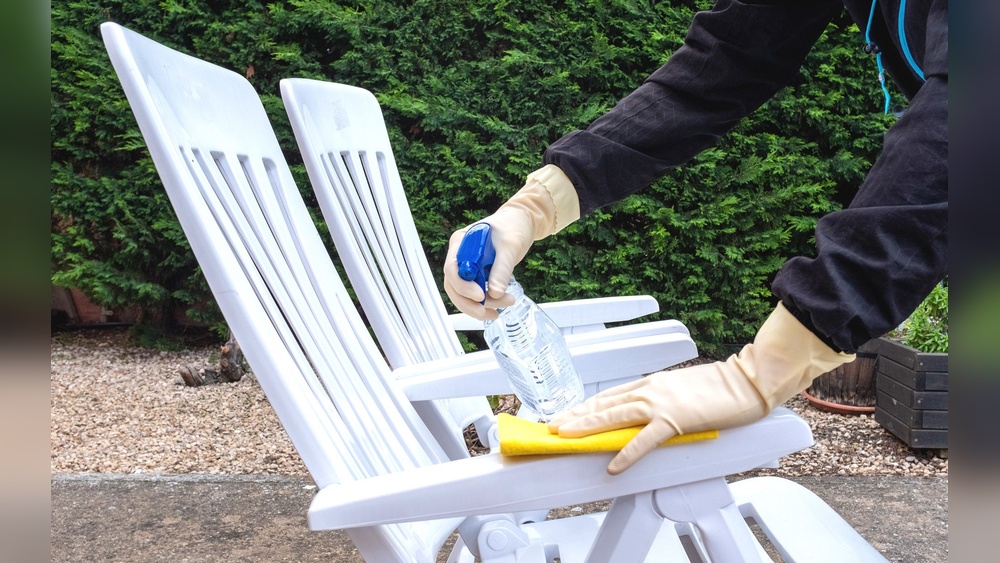
Natural remedies use simple ingredients found at home. White vinegar is a strong cleaner that kills mould spores. Mix equal parts of water and vinegar in a spray bottle. Spray the furniture and let it sit for 10 minutes. Then scrub with a soft brush and rinse with water.
Baking soda is another safe option. Make a paste with water and baking soda. Apply it on mouldy spots and scrub gently. Rinse the furniture well after cleaning. Lemon juice also works well. Its natural acidity helps break down mould and adds a fresh scent.
Commercial Cleaners
Choose commercial cleaners made for outdoor furniture. Look for products labeled as safe and non-toxic. These cleaners usually kill mould quickly and prevent regrowth. Follow the instructions on the label carefully. Test the cleaner on a small area first to avoid damage.
Use a soft brush or cloth to apply the cleaner. Rinse the furniture thoroughly after cleaning. Some cleaners include mold inhibitors for longer protection. Store these products safely out of reach of children and pets.
Credit: www.furnituremaxi.com
Step-by-step Cleaning Process
Removing mould from outdoor furniture is easier with a clear plan. Follow a step-by-step cleaning process to restore your furniture’s look. This method ensures thorough cleaning and prevents mould from coming back quickly.
Preparation And Safety
Start by wearing gloves and a mask. Mould spores can irritate your skin and lungs. Move your furniture to a shaded area to avoid quick drying during cleaning. Gather cleaning supplies like a soft brush, mild detergent, and water. Test a small area first to check for any damage.
Scrubbing And Rinsing
Mix detergent with warm water in a bucket. Dip the brush into the solution and scrub the mouldy areas gently. Avoid harsh scrubbing to protect the furniture’s surface. Rinse the furniture with clean water to wash away dirt and mould. Repeat scrubbing if mould remains visible.
Drying Techniques
Dry the furniture completely after rinsing. Use a clean towel to wipe off excess water. Place the furniture in a sunny, well-ventilated spot. Sunlight helps kill mould spores and speeds up drying. Ensure no moisture stays, as dampness encourages mould growth.
Preventing Future Mould Growth
Stopping mould from coming back is key to keeping outdoor furniture clean. Mould grows fast in damp, dark places. Taking simple steps helps keep your furniture dry and fresh. Good care prevents costly damage and keeps your space inviting.
Proper Storage Tips
Store furniture in a dry place when not in use. Avoid damp basements or closed sheds. A covered porch or garage works well. Keep furniture off the ground to stop moisture buildup. Use pallets or blocks to raise it slightly.
Ensure air can flow around the furniture. Tight spaces trap humidity and encourage mould. Leave doors or windows open a bit for ventilation. Regularly check stored furniture for any signs of dampness or mould.
Protective Coatings And Covers
Apply waterproof sealants to wood and metal surfaces. These coatings block moisture and stop mould spores. Reapply sealants every year or after heavy rain. Use paint designed for outdoor use on metal furniture.
Cover furniture with breathable covers when not in use. Avoid plastic sheets that trap moisture inside. Choose covers made from fabric that lets air pass through. Remove covers on dry days to air out the furniture.
When To Seek Professional Help
Sometimes, mould on outdoor furniture becomes too hard to handle alone. It spreads deep into the material or covers large areas. At this point, seeking professional help is a smart choice. Professionals have tools and knowledge to remove mould safely and effectively. They can also protect your furniture from future mould growth. Knowing when to call experts saves time and stops mould from causing more damage.
Severe Mould Infestations
Severe mould infestations cover big parts of the furniture. The mould may look fuzzy, black, or green. It can also smell strong and unpleasant. If mould spreads inside cushions or wood, cleaning becomes difficult. Using household cleaners might not kill all mould spores. Professionals use special treatments to remove mould deep inside. They prevent spores from spreading to other areas too. Severe mould risks health and damages furniture fast. Getting expert help protects your health and your investment.
Furniture Restoration Options
Experts offer different ways to restore mouldy furniture. They can clean, repair, or refinish the surface. Sometimes, mould damages the wood or fabric beyond repair. Professionals know how to fix these problems or suggest replacement. They use safe chemicals and equipment to avoid harm. Restoration can make your furniture look new again. Professionals also apply sealants to stop mould from returning. Choosing expert help can save money in the long run.
Frequently Asked Questions
How Can I Remove Mould From Outdoor Furniture Safely?
Use a mixture of water and mild detergent to scrub mould. For stubborn mould, apply a solution of vinegar or diluted bleach carefully. Always wear gloves and work in a well-ventilated area to avoid health risks. Rinse thoroughly and let the furniture dry completely.
What Natural Remedies Work Best Against Mould On Furniture?
White vinegar, baking soda, and lemon juice are effective natural mould removers. Spray vinegar directly on mould, let it sit for an hour, then scrub. Baking soda mixed with water creates a paste that removes mould gently without harsh chemicals.
How Do I Prevent Mould From Returning On Outdoor Furniture?
Keep outdoor furniture dry and clean regularly to prevent mould. Store furniture under cover or use waterproof covers during wet seasons. Ensure proper ventilation around furniture to reduce moisture buildup, which encourages mould growth.
Is It Safe To Use Bleach On Mouldy Outdoor Furniture?
Bleach can kill mould but may damage some furniture materials. Use a diluted bleach solution carefully and test on a small area first. Always rinse thoroughly after application and avoid mixing bleach with other cleaners.
Conclusion
Mould on outdoor furniture can be a tough problem to face. Cleaning it quickly helps keep your furniture safe and looking good. Use gentle cleaners and scrub well to remove mould spots. Dry the furniture fully to stop mould from growing back.
Regular checks and cleaning protect your outdoor space. Enjoy fresh, clean furniture all year round. Simple steps make a big difference in mould control. Keep your outdoor area inviting and mould-free with care.