If you live in the Pacific Northwest, you know how tough the weather can be on outdoor furniture. Rain, wind, and humidity are constant challenges.
So, how does outdoor metal furniture hold up in these conditions? You might wonder if it will rust, fade, or fall apart quickly. This article will help you understand why metal furniture can be a smart choice for your outdoor space here.
By the end, you’ll feel confident about picking the right pieces that last through every season. Keep reading to discover what makes metal furniture stand strong in the Pacific Northwest climate.
Metal Furniture In The Pacific Northwest
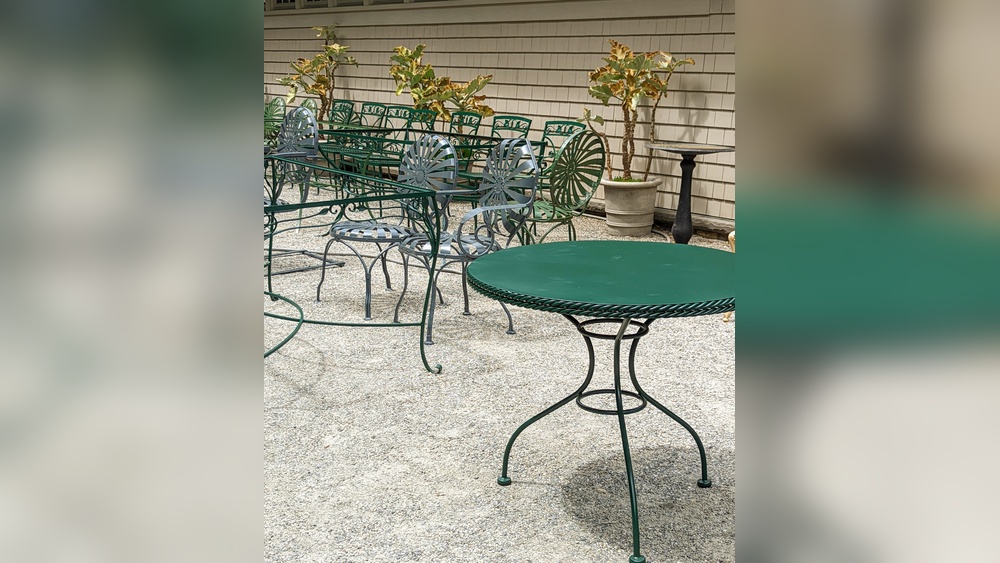
Metal furniture in the Pacific Northwest offers both style and durability. This region has a unique climate that tests outdoor materials. Metal pieces can handle rain, wind, and cool temperatures well. Many homeowners and businesses choose metal for patios and gardens. The right metal furniture lasts for years, keeping outdoor spaces beautiful and functional.
Climate Challenges
The Pacific Northwest has a wet and mild climate. Rain falls often and can cause rust on metal furniture. Moisture stays on surfaces for a long time. Cold winters bring damp air and frost. These conditions make metal prone to corrosion. Wind can also damage lightweight furniture. Protecting metal from weather is important to extend its life. Coatings and finishes help resist rust and fading.
Common Metal Types Used
Steel is popular for its strength and affordability. It needs a protective layer to prevent rust. Aluminum resists rust naturally and is lightweight. It is easy to move and maintain. Wrought iron offers a classic look but requires care. Regular painting or sealing protects it from moisture. Stainless steel is durable and resists corrosion well. It is ideal for harsh weather but costs more. Choosing the right metal depends on budget and maintenance plans.
Credit: systempavers.com
Weather Impact On Durability
Outdoor metal furniture in the Pacific Northwest faces unique weather challenges. The region’s climate affects how long metal pieces last and how well they keep their look. Understanding these effects helps in choosing and caring for outdoor metal furniture.
Rain And Moisture Effects
The Pacific Northwest is known for its frequent rain. Metal furniture often stays wet for long periods. This moisture can cause rust and corrosion. Protective coatings like powder coating help block water damage. Proper maintenance, such as wiping off water, also extends furniture life.
Temperature Fluctuations
Temperature changes can stress metal materials. Warm days and cool nights cause metal to expand and contract. Over time, this movement can weaken joints and coatings. Strong welds and quality finishes reduce the risk of damage. Choosing sturdy designs is important for durability.
Uv Exposure
Sunlight in the Pacific Northwest is less intense but still affects metal furniture. UV rays can fade paint and weaken protective layers. Metal with UV-resistant coatings holds up better. Keeping furniture shaded or covered lowers UV wear. This helps maintain color and strength longer.
Corrosion And Rust Resistance
Outdoor metal furniture in the Pacific Northwest faces constant moisture and wet weather. This environment can cause metal to corrode and rust quickly. Rust weakens the furniture and shortens its life. Choosing the right metal and protecting it well helps furniture last longer. Understanding how corrosion and rust resistance work is key to keeping your pieces strong and beautiful.
Protective Coatings
Protective coatings form a barrier against moisture and air. Powder coating is common for outdoor metal furniture. It creates a thick, hard layer that stops water from touching the metal. Paint with rust inhibitors also helps prevent rust. Clear sealants keep the metal safe without changing its look. These coatings must be applied evenly for best results.
Material Treatments
Metal treatments improve resistance to corrosion. Galvanizing covers metal with a layer of zinc. Zinc protects metal by stopping rust from forming. Anodizing is another process for aluminum furniture. It makes the surface harder and more durable. These treatments add extra defense against the damp Pacific Northwest climate.
Maintenance Tips
Regular care extends the life of metal furniture. Clean the furniture often to remove dirt and moisture. Use a mild soap and water mix for cleaning. Dry the furniture completely after rain. Check for scratches or chips in the coating. Touch up damaged areas quickly to stop rust. Store furniture under cover during heavy rain or winter months.
Credit: www.homedepot.com
Design And Construction Factors
Outdoor metal furniture must stand up to the Pacific Northwest’s wet, cool climate. Design and construction play a big role in how well the furniture lasts. Strong materials and smart building choices help keep the furniture sturdy and rust-free.
Structural Strength
Metal furniture needs a solid frame to handle wind and rain. Thick metal tubes or sheets add strength. The design should spread weight evenly to avoid bending. Powder coating protects the metal from moisture and rust. This coating also keeps the furniture looking fresh longer.
Joint And Fastener Quality
Joints and fasteners hold the furniture parts together. High-quality welds or screws stop pieces from loosening. Stainless steel or coated fasteners resist rust and corrosion. Tight joints reduce wobbling and improve safety. Well-made connections help the furniture last through many seasons.
Longevity Testing Methods
Testing the longevity of outdoor metal furniture is essential in the Pacific Northwest. The region’s unique climate challenges furniture durability. High humidity, frequent rain, and occasional sun exposure can impact metal surfaces. Manufacturers use specific methods to ensure the furniture lasts. These tests reveal how metal furniture performs over time.
Real-world Usage Trials
Real-world usage trials place furniture in outdoor environments. This method exposes metal furniture to natural weather elements. Rain, wind, and sunlight test the furniture’s resistance. The furniture remains outdoors for months or years. This long-term exposure shows how metal holds up against rust and wear. Users see how furniture ages with regular use. These trials provide practical insights into durability.
Accelerated Weathering Tests
Accelerated weathering tests simulate harsh weather conditions quickly. Special machines create cycles of moisture, heat, and sunlight. This speeds up the natural aging process. Metal furniture is tested under intense conditions for days or weeks. These tests reveal potential weaknesses in coatings and materials. They predict how furniture will perform over many years. This method helps improve design and materials for better durability.
Care And Upkeep Recommendations
Outdoor metal furniture can last long in the Pacific Northwest with proper care. The wet climate demands special attention to keep metal pieces looking good and rust-free. Regular cleaning, seasonal checks, and simple preventive steps help protect your furniture from damage.
Cleaning Practices
Clean metal furniture often to remove dirt and moisture. Use mild soap and water with a soft cloth or sponge. Avoid harsh chemicals that can damage the metal finish. Dry the furniture completely after washing to stop rust from forming. For tough spots, a gentle brush can help without scratching the surface.
Seasonal Maintenance
Inspect furniture at the start of each season. Check for rust spots, loose screws, or peeling paint. Touch up paint chips with rust-resistant paint to prevent corrosion. Tighten any loose bolts to keep pieces stable. Store cushions indoors to avoid mildew and fading from rain and sun.
Preventive Measures
Place furniture on flat, dry surfaces to avoid water pooling. Use protective covers during heavy rain or winter months. Apply a clear sealant or wax to create a barrier against moisture. Move furniture to a sheltered spot during storms. These small steps extend your metal furniture’s life in the rainy Pacific Northwest.
Choosing The Right Outdoor Metal Furniture
Choosing the right outdoor metal furniture in the Pacific Northwest requires care. This region has wet weather and cool temperatures. Metal furniture must resist rust and stay strong over time. Picking the best pieces means thinking about material and style. Both affect durability and comfort. A smart choice keeps your space beautiful and practical year-round.
Material Selection Tips
Aluminum is light and does not rust. It suits damp areas well. Steel is strong but needs a good coating. Powder-coated steel lasts longer outside. Wrought iron is heavy and sturdy. It can rust if not treated. Look for furniture with a weatherproof finish. This protects metal from rain and moisture. Check if parts are easy to clean and maintain. Avoid metals that chip or peel easily.
Style And Functionality Considerations
Pick furniture that fits your outdoor space size. Compact sets work well in small patios. Large tables suit open garden areas. Choose styles that match your home’s look. Simple designs often blend better with nature. Consider comfort. Cushions add softness but must resist mold. Folding chairs save space and are easy to store. Think about how you will use the furniture most. Dining, relaxing, or both? Select pieces that serve your needs well.
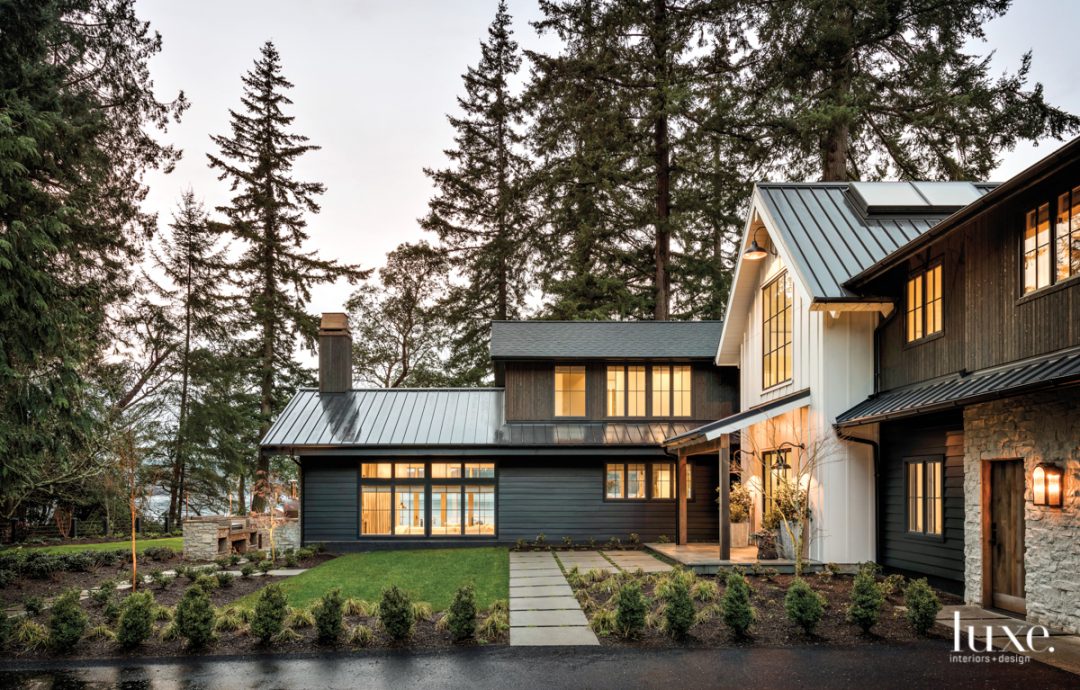
Credit: luxesource.com
Frequently Asked Questions
How Does Pacific Northwest Weather Affect Metal Furniture?
The Pacific Northwest’s rain and humidity can cause metal furniture to rust. Proper coatings and maintenance help prevent corrosion and extend furniture life outdoors.
What Materials Best Protect Metal Furniture From Rust?
Powder coatings and galvanization are ideal. They create a protective barrier against moisture, reducing rust and wear in the damp Pacific Northwest climate.
How Often Should Outdoor Metal Furniture Be Maintained Here?
Metal furniture should be checked and cleaned every 3 to 6 months. Regular maintenance prevents rust and keeps furniture looking good despite wet conditions.
Can Outdoor Metal Furniture Withstand Pacific Northwest Winter?
Yes, with proper treatment. Durable finishes and covers protect metal furniture from snow, ice, and temperature changes typical in Pacific Northwest winters.
Conclusion
Outdoor metal furniture stands strong in the Pacific Northwest climate. It resists rain, wind, and cold better than many materials. Proper care, like cleaning and rust protection, keeps it looking good. Metal furniture offers durability and style for outdoor spaces.
It adapts well to changing weather without losing strength. Choosing the right metal type matters a lot. With simple maintenance, this furniture lasts for years. Perfect for those who want long-lasting outdoor seating. Durable, easy to clean, and weather-resistant – metal furniture fits the Pacific Northwest well.