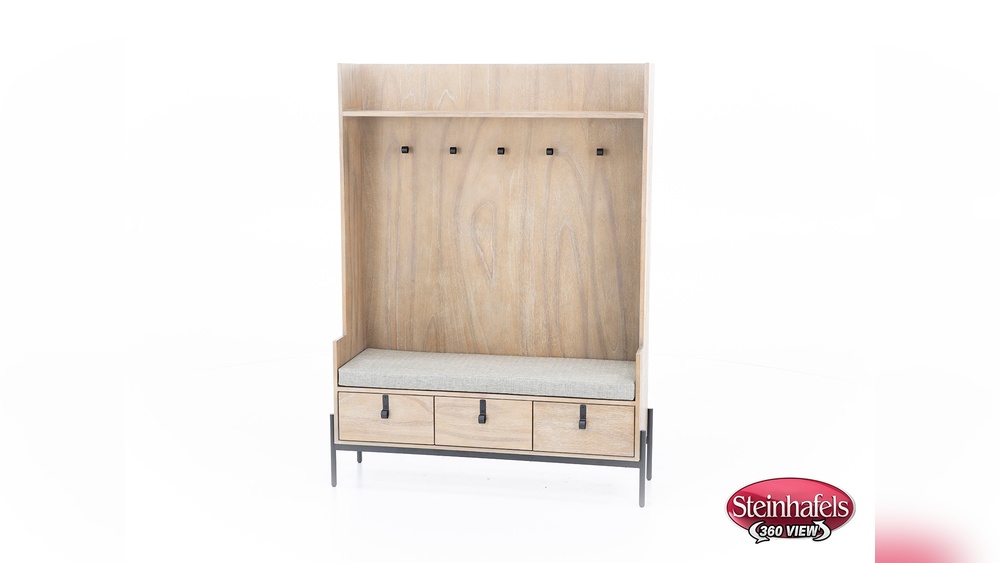
Hanging a heavy coat rack might seem simple, but if it’s not done right, it can fall and damage your walls or belongings. You want your coat rack to hold all your jackets securely without worrying about it coming loose.
In this guide, you’ll learn easy, step-by-step tips to hang your heavy coat rack safely and strongly. By the end, you’ll have the confidence to tackle this task yourself and keep your space organized and stylish. Ready to make your wall work for you?
Let’s get started!
Choosing The Right Coat Rack
Choosing the right coat rack is key to holding heavy coats safely. Picking a rack that fits your space and needs helps keep your room neat and organized. This guide covers important points to consider before hanging a heavy coat rack.
Materials And Weight Capacity
Strong materials like metal and hardwood offer great support for heavy coats. Check the weight capacity to match the number of coats you plan to hang. Avoid racks made from weak or thin materials that may bend or break.
Look for racks with reinforced hooks or brackets. These parts carry most of the weight. A sturdy frame and quality craftsmanship ensure long-lasting use.
Styles And Sizes
Choose a style that fits your room’s decor and available space. Wall-mounted racks save floor space and work well in small areas. Freestanding racks suit larger rooms and can hold more coats.
Sizes vary from small racks for a few coats to large ones for multiple users. Measure your wall or floor space before buying. This prevents buying a rack that is too big or small.

Credit: www.amazon.com
Tools And Materials Needed
Hanging a heavy coat rack needs the right tools and materials. Using the correct items makes the job easier and safer. This section lists everything required to hang your coat rack securely.
Essential Tools
Start with a drill to make holes in the wall. Use a screwdriver to fasten screws tightly. A level helps keep the rack straight. Measure with a tape measure for exact placement. A pencil marks where to drill. A stud finder locates wall studs for stronger support. Safety goggles protect your eyes during drilling.
Hardware And Anchors
Choose screws that match the coat rack’s mounting holes. Heavy-duty wall anchors hold the rack firmly if no studs are found. Toggle bolts work well on drywall for heavy loads. Use metal anchors for stronger support. Check the weight limit on all hardware to ensure safety.
Locating Wall Studs
Hanging a heavy coat rack needs strong support. Wall studs provide the best strength. Finding these wooden beams is key for a secure mount.
Studs run vertically inside the wall, usually 16 or 24 inches apart. Knowing their location helps you avoid weak spots and drywall damage. There are easy ways to find them.
Using A Stud Finder
A stud finder is a small tool that detects wood behind walls. Hold it flat against the wall. Slowly move it horizontally. It will beep or light up when it finds a stud.
Mark the spot lightly with a pencil. Double-check by scanning above and below the mark. This confirms the stud’s edges for precise mounting points.
Alternative Methods Without Studs
No stud finder? No problem. You can tap the wall gently with your knuckles. A hollow sound means no stud. A solid sound means a stud behind.
Look for outlets or switches on the wall. They are usually attached to studs. Measure about 16 inches from these points to locate other studs.
If no studs are found, use heavy-duty wall anchors. These spread the weight safely in drywall. Choose anchors rated for heavy loads for your coat rack.

Credit: www.amazon.com
Marking The Mounting Points
Marking the mounting points is a key step in hanging a heavy coat rack. This process ensures the rack stays secure and balanced. Accurate marking prevents damage to your wall and helps the coat rack hold weight safely.
Take your time during this step. Precise measurements and markings make the installation easier and stronger.
Measuring And Leveling
First, measure the distance between the mounting holes on the coat rack. Use a tape measure for accuracy. Then, decide the height where you want to hang the rack.
Next, use a level to draw a straight line on the wall. This line guides your markings and keeps the rack even. Check the level twice to avoid mistakes.
Marking Drill Spots
Hold the coat rack against the wall along the level line. Mark the exact points through the mounting holes with a pencil. These marks show where to drill holes.
Make sure the marks match the measurements on the rack. Double-check the spots before drilling. Correct markings save time and effort later.
Drilling And Installing Anchors
Drilling and installing anchors is a key step for hanging a heavy coat rack securely. This process ensures the rack stays stable and can hold the weight of multiple coats. Proper drilling and anchor installation prevent damage to walls and avoid the rack falling down.
Follow these steps carefully to make sure your coat rack is safely mounted and lasts a long time.
Choosing The Right Drill Bit
Select a drill bit that matches the size of the wall anchor. The bit should be slightly smaller than the anchor’s width. This helps the anchor fit tightly in the hole. Use a masonry bit for concrete or brick walls. For drywall, a standard twist bit works well. Avoid using a drill bit that is too large or too small. It can cause the anchor to loosen or not fit at all.
Installing Wall Anchors
Start by marking the spots where you want to drill. Use a level to keep the coat rack straight. Drill holes at the marked points carefully. Push the wall anchors into the holes until they are flush with the wall. Tap gently with a hammer if needed. Do not force the anchors. Tighten screws into the anchors slowly. The anchors will expand inside the wall and hold firmly. This gives your coat rack strong support for heavy loads.
Credit: www.walmart.com
Mounting The Coat Rack
Mounting the coat rack correctly is key for holding heavy coats safely. It takes careful steps to make sure the rack stays in place and supports the weight. Follow the instructions closely for a secure fit on your wall. This section guides you through the mounting process.
Aligning And Securing
Start by marking the spots where the screws will go. Use a level to keep the rack straight. Drill pilot holes at the marks to prevent wall damage. Insert wall anchors if the rack is heavy or if you use drywall. Hold the coat rack against the wall and screw it in tightly. Make sure all screws are flush with the rack surface.
Double-checking Stability
After securing the rack, test its strength by gently pulling on it. Check for any movement or loose screws. Tighten screws again if the rack shifts. Hang a few items to confirm it holds weight well. Inspect the mounting points regularly to keep the rack safe over time.
Tips For Extra Strength
Adding extra strength to your heavy coat rack ensures it stays secure. Strong support stops it from falling or loosening over time. Simple tips can make a big difference in holding weight safely.
Using Multiple Anchors
Use more than one anchor to spread the weight. Anchors help hold screws firmly in the wall. Place anchors evenly along the rack’s length. This stops the rack from pulling away from the wall. Choose anchors made for heavy loads. Using multiple anchors reduces strain on each point.
Reinforcing With Additional Hardware
Add extra brackets or support pieces under the rack. These pieces share the rack’s weight with the wall. Use strong screws and bolts for better grip. Metal brackets work well for heavy racks. Secure the hardware into wall studs if possible. This adds solid backing and prevents sagging.
Maintaining Your Coat Rack
Maintaining your coat rack helps it last longer and stay safe. A heavy coat rack holds many items, so checking it often is important. Small problems can turn into big issues without care. You can keep your rack strong and reliable with simple steps.
Regular Inspections
Look at your coat rack every few weeks. Check screws and hooks to see if they are loose. Tighten any parts that move or wobble. Inspect the wall area where the rack is fixed. Look for cracks or damage that could weaken support.
Clean dust and dirt from the rack to keep it neat. A clean rack looks better and lasts longer. Use a soft cloth and mild cleaner for wood or metal racks. Avoid water damage by drying the rack after cleaning.
Handling Overloaded Racks
Avoid putting too many heavy coats on the rack at once. Overloading can bend hooks or pull the rack from the wall. Spread out the weight evenly across all hooks. Remove coats you do not need daily to reduce load.
Use extra racks or storage options if you have many heavy items. This reduces stress on one rack and keeps your wall safe. Notice any bending or sagging early and reduce weight immediately.
Frequently Asked Questions
How Do I Secure A Heavy Coat Rack To Drywall?
Use wall anchors or toggle bolts to secure the rack. Locate studs if possible for extra strength. Always use a level to ensure straight installation.
What Tools Are Needed To Hang A Heavy Coat Rack?
You need a drill, screws, wall anchors, a level, a stud finder, and a measuring tape. These tools help ensure a sturdy and level installation.
Can I Hang A Heavy Coat Rack On Plaster Walls?
Yes, but use appropriate anchors designed for plaster walls. Avoid drilling into cracks to prevent damage. Always check the wall’s condition before installation.
How Do I Find Studs For Heavy Coat Rack Installation?
Use a stud finder or tap the wall to listen for solid areas. Mark the stud locations with a pencil for accurate screw placement.
Conclusion
Hanging a heavy coat rack takes careful planning and the right tools. Always find the wall studs for strong support. Use proper anchors if studs are not available. Measure twice, drill once to avoid mistakes. Take your time to ensure the rack is level.
A well-mounted rack holds heavy coats safely. Enjoy a neat and organized space with your new coat rack. Simple steps lead to lasting results. You now have the confidence to hang your coat rack securely.