Are you tired of your TV dominating the room and ruining the cozy feel of your bookshelf? Imagine turning your entertainment space into a stylish, clutter-free area where your TV blends seamlessly with your books and décor.
Hiding your TV in a bookshelf isn’t just about saving space—it’s about creating a more inviting and organized living area that you’ll love spending time in. You’ll discover simple, practical ways to tuck your TV away without losing easy access or picture quality.
Keep reading to transform your room and enjoy the perfect balance between technology and style.
Choosing The Right Bookshelf
Choosing the right bookshelf is key to hiding your TV well. The bookshelf must fit the TV size and blend with your room style. It should provide enough space for the TV and other items. This choice affects both the look and function of your living space.
Size And Depth Considerations
Measure your TV before selecting a bookshelf. The shelf must be wider and deeper than the TV. Depth is important to avoid the TV sticking out. Leave extra space for cables and vents. A too-small shelf will look awkward and limit airflow.
Material And Style Options
Choose materials that match your room decor. Wood shelves offer a classic, warm look. Metal or glass shelves suit modern spaces. The style should not draw attention from the TV. Neutral colors often work best. Pick something that feels natural in your home.
Adjustable Shelves For Flexibility
Adjustable shelves provide room to change the setup. You can move shelves up or down to fit other items. This makes the bookshelf more useful over time. It also helps create a balanced look around the TV. Flexibility means your shelf adapts to new needs.

Credit: www.instructables.com
Placement Strategies
Placing a TV inside a bookshelf is a smart way to save space and keep your room tidy. The right placement helps the TV blend with your decor. It also makes watching more comfortable. Thoughtful planning makes a big difference in how well the TV fits and works. Consider these placement strategies to hide your TV effectively without losing comfort or style.
Optimal Viewing Height
Set the TV at eye level when you sit. This reduces neck strain and makes watching easy. Measure from the floor to your eyes while seated. Place the screen so the center matches this height. Avoid placing the TV too high or too low.
Balancing Accessibility And Concealment
Keep the TV easy to reach for controls and cables. Leave space to connect devices or adjust settings. Use sliding panels or doors to hide the TV when not in use. Make sure these covers open smoothly without blocking access.
Lighting And Ventilation Needs
Avoid placing the TV where bright lights cause glare. Use curtains or blinds to control sunlight. Ensure the bookshelf has enough airflow to prevent heat build-up. Leave gaps around the TV for air circulation to protect its parts.
Concealment Techniques
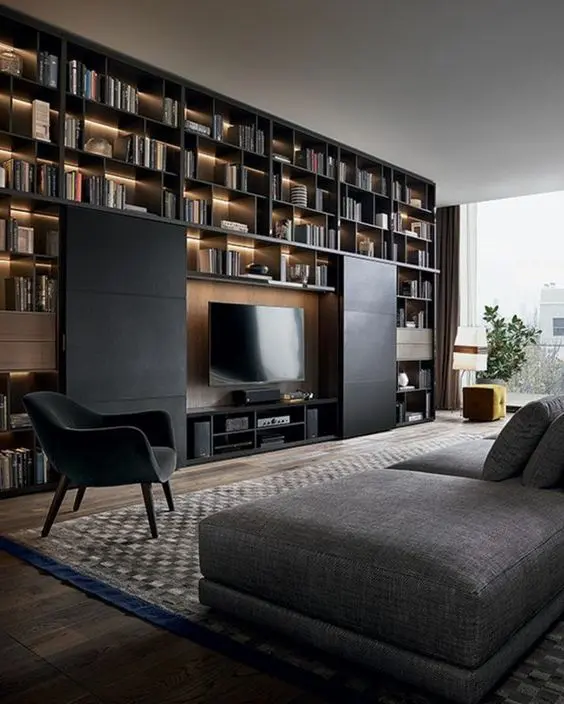
Concealing a TV in a bookshelf creates a neat and stylish living space. It blends technology with décor, keeping the room tidy. Several techniques make hiding the TV simple and elegant. Each method offers unique benefits and suits different styles.
Using Decorative Panels
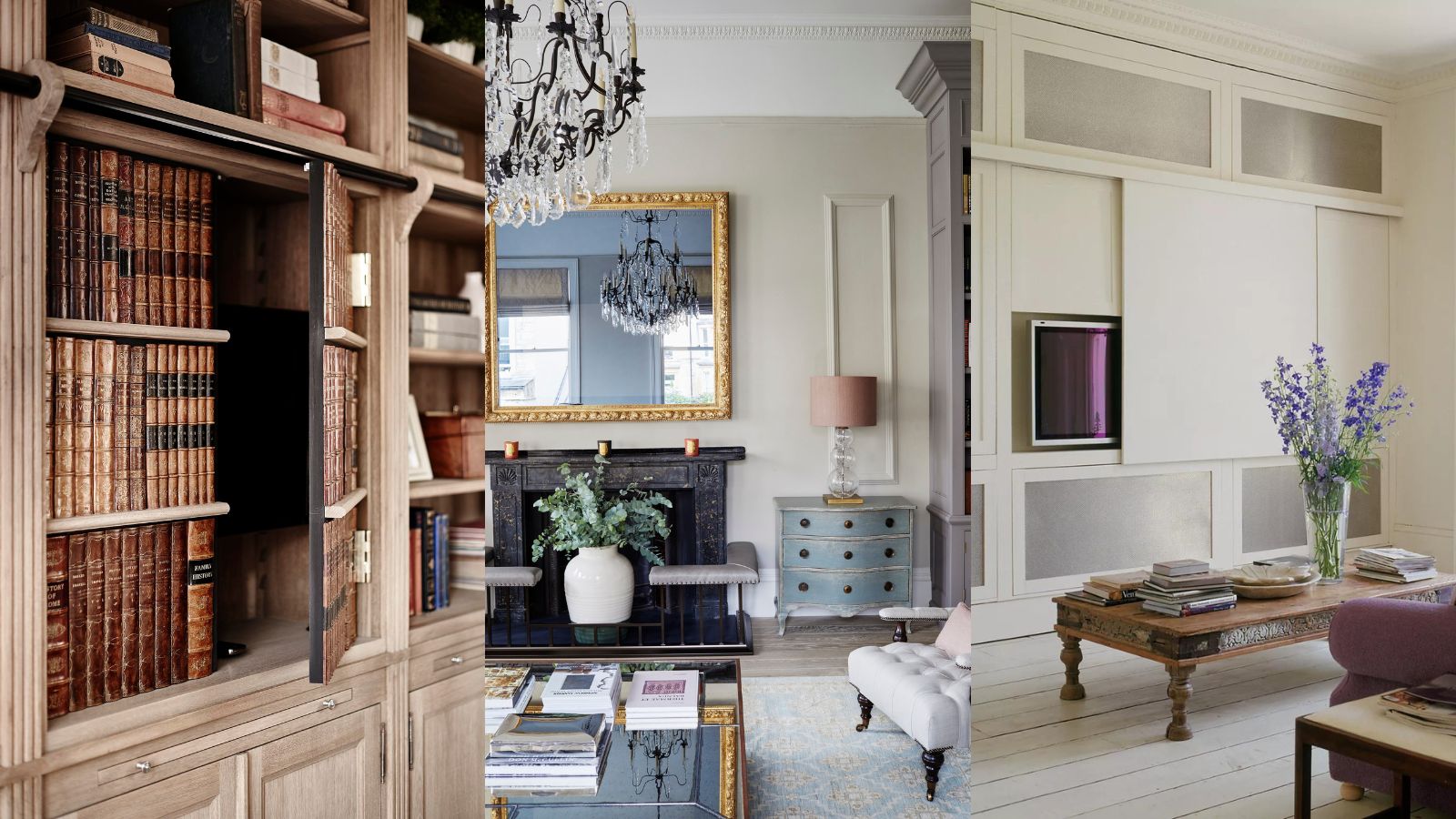
Decorative panels cover the TV without blocking sound or ventilation. They come in wood, metal, or fabric, matching the bookshelf design. Panels can have cut-outs or patterns for a chic look. This method keeps the TV hidden but easy to access. It adds texture and depth to the bookshelf area.
Sliding Or Folding Doors
Sliding or folding doors provide quick TV concealment. They move smoothly to reveal or hide the screen. These doors save space and add flexibility to the room. Materials like glass, wood, or mirrored surfaces work well. Doors also protect the TV from dust and damage.
Hidden Compartments And Drawers
Hidden compartments and drawers offer secret spots for the TV. They keep the screen out of sight until needed. This technique requires custom bookshelf design for perfect fit. Drawers pull out or compartments open easily for viewing. It creates a clean look and protects the TV effectively.
Credit: www.digsdigs.com
Camouflaging The Tv
Camouflaging the TV helps blend technology with your bookshelf’s style. It hides the screen without losing function. This keeps your living space neat and stylish. Here are some simple ways to disguise your TV.
Book-like Covers And Frames
Book-like covers make your TV look like a real book. These covers fit over the screen and match your bookshelf’s colors. Frames around the TV add a classic touch. They help the TV blend with books on the shelf. This method keeps your TV hidden but easy to use.
Artwork And Mirrors
Placing artwork or mirrors over the TV hides it smartly. Art pieces can be mounted on hinges for quick access. Mirrors reflect the room and add depth while covering the screen. Both options keep the TV out of sight but close at hand.
Custom Cabinet Inserts
Custom inserts create a perfect space for your TV. They match the bookshelf design and size. Inserts often have doors that close to hide the screen. This method protects the TV from dust and blends it with furniture. It offers a clean, organized look.
Cable Management Tips
Managing cables is key when hiding a TV in a bookshelf. Proper cable management keeps the space neat and safe. It also prevents damage to wires and improves the TV’s look. Follow simple tips to organize and hide cables easily.
Concealed Wiring Channels
Use wiring channels to hide cables inside the bookshelf. These channels keep wires out of sight and prevent tangles. They stick to surfaces or fit into grooves for a clean look. Choose channels that match the shelf color for better blending.
Wireless Options
Try wireless devices to reduce the number of cables. Wireless speakers, streaming devices, and keyboards cut down wire clutter. Fewer cables make the setup simpler and cleaner. Check device compatibility before buying wireless products.
Power Source Placement
Place power outlets near the bookshelf to avoid long cables. Use power strips with surge protectors for safety and convenience. Keep power cords short and organized with clips or ties. This helps maintain a tidy and efficient space.
Tech Enhancements
Tech enhancements make hiding your TV in a bookshelf easy and smart. These improvements keep your setup functional and stylish. They help you control the TV, connect it to your home system, and manage heat properly.
Remote Control Accessibility
Keep your remote control working even with the TV hidden. Use infrared (IR) repeaters to send signals through the bookshelf. Place the IR receiver in a visible spot on the shelf. This lets you change channels without moving anything.
Bluetooth and Wi-Fi remotes work well too. They do not need a direct line of sight. This means you can control the TV from anywhere in the room. Choose a remote that fits your TV model for best results.
Smart Home Integration
Connect your hidden TV to your smart home system. Use devices like Amazon Alexa or Google Home. Voice commands can turn the TV on or off and change volume. This adds comfort and ease to your viewing.
Smart plugs and hubs help automate your TV. Set schedules to power the TV during certain hours. This saves energy and keeps your space neat. Smart integration works well with modern TVs and sound systems.
Ventilation And Heat Management
Good ventilation keeps your TV cool inside the bookshelf. Heat can damage electronics and reduce TV life. Leave space around the TV for air to flow freely.
Use small fans or vents to improve airflow. Avoid blocking vents on your TV’s back or sides. Check the temperature regularly to prevent overheating. Proper heat management ensures your TV stays safe and works well.
Diy Vs Professional Installation
Deciding whether to hide your TV in a bookshelf by yourself or hire a professional can be tricky. Both methods have benefits and challenges. Doing it yourself can save money and give you control. Professionals bring skills and tools that ensure a perfect fit and safety. Understanding what each option requires helps you make the best choice for your space and budget.
Tools And Materials Needed
For a DIY TV-in-bookshelf project, you need some basic tools. A drill, screwdriver, level, tape measure, and stud finder are essential. Materials include wood panels, brackets, screws, and paint or stain. You may also need cable management kits and mounts. Professionals use the same tools but often have specialized equipment for precise work.
When To Hire Experts
Hire experts if you lack experience with carpentry or electrical work. If your bookshelf needs heavy modifications, professionals ensure safety and durability. Complex wiring or mounting also calls for expert help. Professionals save time and reduce risks of damage or injury. Choose experts if you want a clean, polished look without hassle.
Cost Considerations
DIY saves money but requires time and effort. Materials and tools can cost less than professional fees. Mistakes can lead to extra expenses or repairs. Hiring professionals costs more upfront but often avoids hidden costs. They complete the job faster and with better quality. Weigh your budget and skills before deciding.
Maintenance And Upkeep
Keeping your TV hidden in a bookshelf neat and functional takes some care. Regular maintenance helps the TV last longer and stay in good shape. Simple steps can prevent damage and keep the area clean. Small upgrades improve your viewing experience without much effort.
Cleaning Tips
Dust can build up quickly around your TV. Use a soft, dry cloth to wipe the screen and shelves. Avoid spraying liquid cleaners directly on the TV. Clean the bookshelf edges and vents to stop dust from blocking airflow. Regular cleaning keeps the picture clear and prevents overheating.
Preventing Damage
Do not place heavy items on top of the TV or shelves. Make sure the TV has enough space to breathe. Avoid touching the screen with sharp or rough objects. Use cable organizers to keep wires tidy and safe. Check the shelf’s weight limit to avoid accidents.
Upgrading Components
Swap old cables for new high-speed HDMI cables for better picture quality. Add a small fan if the TV feels hot inside the bookshelf. Consider smart plugs to control power without unplugging. Update your streaming devices or sound system for improved performance. Small changes keep the setup modern and efficient.
Credit: www.homesandgardens.com
Frequently Asked Questions
How Can I Hide A Tv In A Bookshelf?
You can hide a TV by building a custom cabinet or using sliding panels. Ensure ventilation and easy access to cables. This creates a clean, stylish look while keeping your TV discreet when not in use.
What Are The Best Bookshelf Styles For Hiding Tvs?
Choose deep, sturdy bookshelves with adjustable shelves or built-in cabinets. Styles like shaker or modern designs work well. These allow space for the TV and accessories, blending technology with decor seamlessly.
How Do I Manage Cables When Hiding A Tv In A Bookshelf?
Use cable management systems like clips, channels, or raceways. Drill discreet holes for cables behind the shelves. This keeps wires organized, prevents clutter, and maintains a neat appearance.
Can A Bookshelf Hide A Tv Without Blocking The Screen?
Yes, use sliding doors, foldable panels, or retractable screens. These designs conceal the TV when off and reveal the screen fully when in use, maintaining functionality and style.
Conclusion
Hiding a TV in a bookshelf can save space and keep your room neat. Choose the right shelf size and style for your TV. Use doors or panels to cover the screen when not in use. This idea blends technology with home decor smoothly.
It makes your living area look stylish and organized. Try this simple trick to enjoy your TV without clutter. A hidden TV adds a fresh look to any room. Give it a try and see the difference yourself.