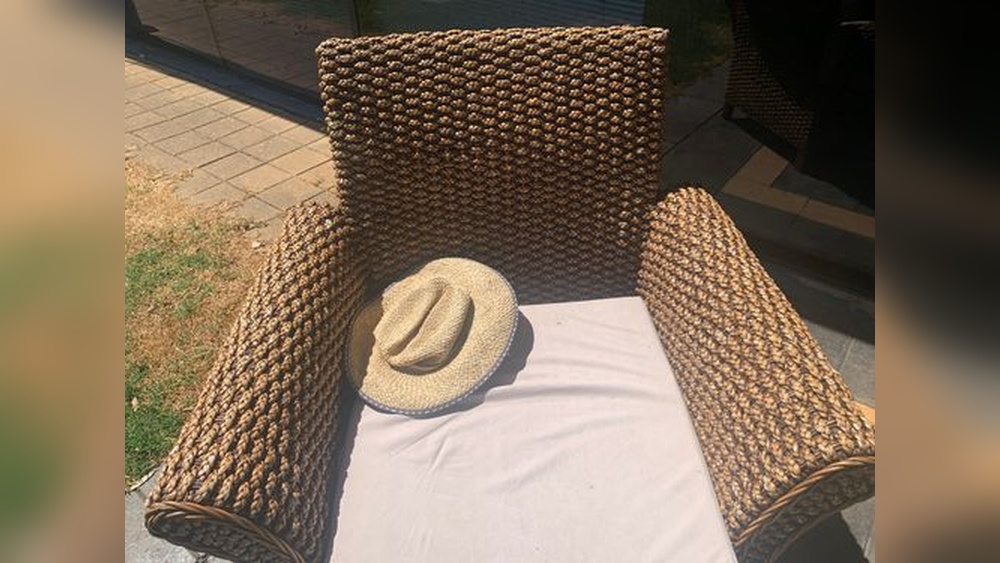
Are you tired of finding your outdoor furniture scratched, fur-covered, or even damaged by your neighbor’s cat? It’s frustrating when your relaxing space turns into a playground for a curious feline.
But don’t worry—there are simple, effective ways you can keep that pesky cat off your outdoor furniture. You’ll discover easy tips and tricks that work, helping you protect your space without causing harm. Keep reading to take back control and enjoy your outdoor area again.

Credit: www.polywood.com
Why Cats Like Outdoor Furniture
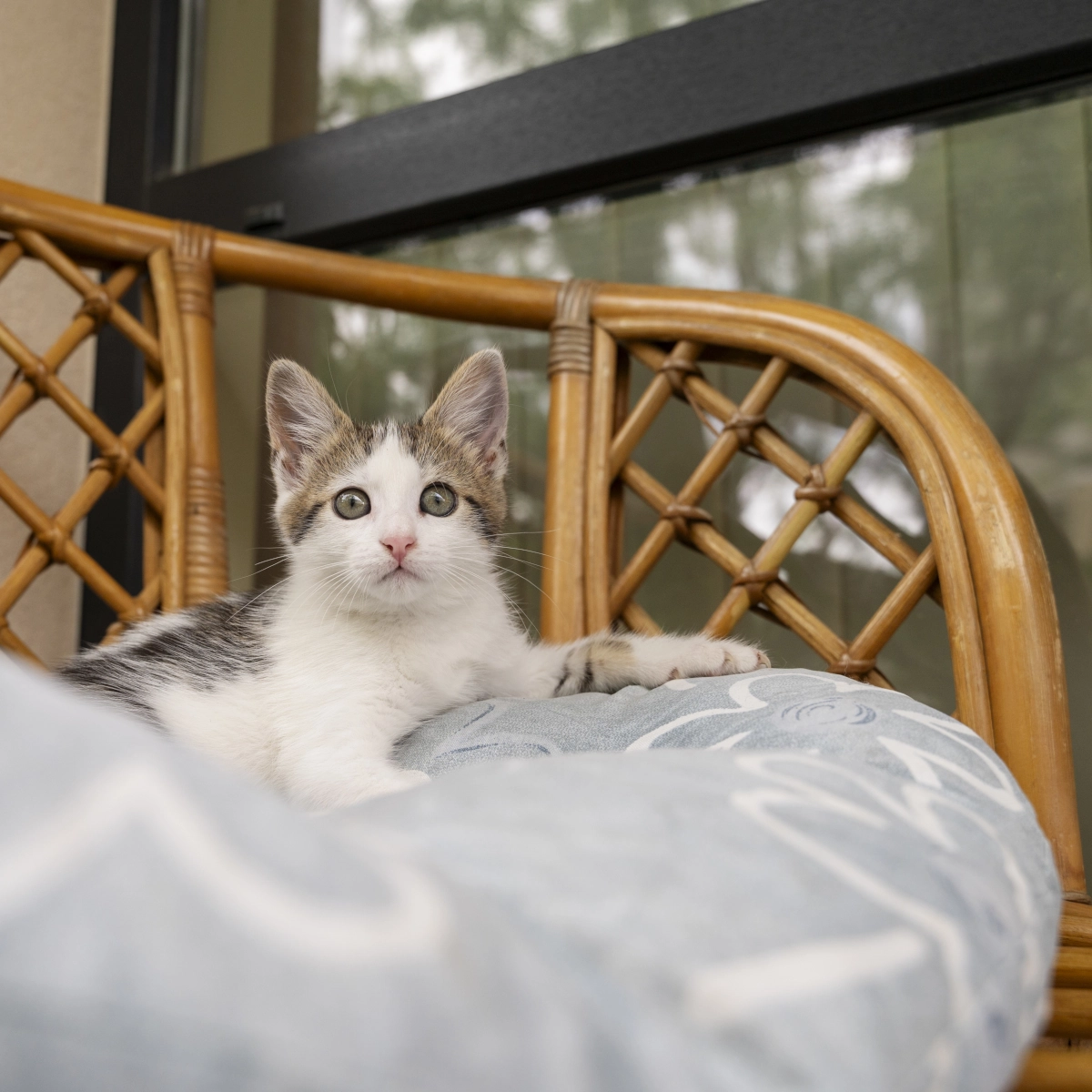
Cats are curious animals. Outdoor furniture often attracts them. They find these spots cozy and interesting. Understanding why cats like outdoor furniture helps solve the problem. This knowledge can guide you to keep them away gently.
Comfort And Warmth
Outdoor furniture offers soft, warm surfaces. Cats enjoy resting in warm places. Sunlight heats the furniture during the day. The warmth makes it perfect for naps. Soft cushions add to the comfort level. Cats seek comfort just like people do.
Scent Marking
Cats use scent to claim territory. Outdoor furniture is a good spot to leave their mark. They rub their face or paws on it. This action spreads their scent. It sends a message to other cats nearby. The furniture becomes part of their territory.
Exploration And Play
Cats love to explore new areas. Outdoor furniture offers a good playground. They climb, jump, and hide around it. The furniture creates fun challenges for them. Play helps cats stay active and happy. It satisfies their natural hunting instincts.

Credit: jardina.com
Common Challenges With Neighbor Cats
Neighbor cats can create several problems for outdoor furniture owners. These cats often roam freely, leading to unexpected troubles. Understanding the common challenges helps in managing these issues effectively.
Damage And Scratches
Cats use their claws to scratch surfaces. Outdoor furniture can get torn or scratched easily. This damage lowers the furniture’s look and value. Soft cushions and fabric covers are especially at risk. Scratches can also make the furniture less comfortable to use.
Hygiene Concerns
Neighbor cats may leave dirt or fur on furniture. They sometimes use the furniture as a bathroom spot. This causes bad smells and stains. Germs from cat waste can spread on furniture. This creates an unhealthy space for family and guests.
Disturbance And Noise
Cats can be noisy when they fight or play. Loud meowing or scratching sounds can disturb peace. This noise can affect relaxation time outdoors. It can also bother neighbors and disrupt sleep. Constant noise reduces the enjoyment of your outdoor space.
Physical Barriers To Deter Cats
Physical barriers offer a direct way to keep neighbor’s cats off your outdoor furniture. These barriers make the furniture less inviting or harder to access. Using physical items can stop cats from sitting or scratching your belongings.
Using Covers And Furniture Protectors
Covers protect your furniture from scratches and dirt. Use waterproof or plastic covers that cats dislike walking on. Covers also keep surfaces clean and safe from paw marks. Furniture protectors add a layer that cats find uncomfortable. They are easy to place and remove as needed.
Installing Cat-repellent Mats
Cat-repellent mats have small spikes or bumps. These mats do not hurt cats but make sitting unpleasant. Place mats on seats or armrests to block cats from resting. Cats quickly learn to avoid these areas. Mats are a simple and effective physical barrier.
Creating Uncomfortable Surfaces
Uncomfortable surfaces stop cats from jumping on furniture. Use materials like aluminum foil or plastic carpet runners upside down. These surfaces feel strange to cats’ paws. They avoid areas that feel odd or rough. This method works well with other barriers for best results.
Natural Repellents And Scents
Natural repellents and scents offer a gentle way to keep a neighbor’s cat off your outdoor furniture. These methods use smells cats dislike to create a barrier without harm. They are safe for your garden and pets. Many people find success with natural options because cats avoid certain smells instinctively.
Using natural repellents also helps maintain a fresh outdoor space. You can apply these scents easily and often. They do not leave harsh chemicals on your furniture. This approach works well for those who want a simple, eco-friendly solution.
Essential Oils Cats Dislike
Essential oils are strong-smelling liquids from plants. Cats dislike the scent of oils like citrus, lavender, and eucalyptus. You can dilute a few drops with water and spray the area around your furniture. Avoid direct contact with cats, as some oils can irritate their skin.
Place cotton balls soaked in these oils near your outdoor seating. The smell keeps cats away without causing harm. Refresh the scent every few days for best results. Remember, less is more with essential oils.
Plants That Keep Cats Away
Certain plants naturally repel cats. Rue, lavender, and pennyroyal are good choices. Plant these around your outdoor furniture to create a natural barrier. Cats avoid walking near these plants because of their strong smell.
These plants add beauty to your garden and keep cats away at the same time. Be sure to check if any plants might be harmful to pets before planting. Healthy plants and fewer cats—a perfect match.
Diy Spray Solutions
Mix simple ingredients to create sprays cats dislike. Combine water with vinegar or citrus juice for an effective spray. Spray the furniture and nearby areas to keep cats off. Avoid spraying directly on fabric, as it may cause damage.
Use a spray bottle for easy application. Reapply regularly, especially after rain. Homemade sprays are cheap and safe. They offer a quick fix without harsh chemicals.
Behavioral Techniques
Behavioral techniques can help keep a neighbor’s cat off your outdoor furniture. These methods focus on changing the cat’s habits and discouraging unwanted visits. They work by making the furniture less attractive or by gently teaching the cat to stay away.
Motion-activated Devices
Motion-activated devices startle cats without harming them. These devices use sensors to detect movement near your furniture. They spray a quick burst of water or emit a harmless puff of air. Cats learn to avoid the area because they dislike the sudden surprise. These devices are quiet and effective for keeping cats away.
Noise Deterrents
Noise deterrents create sounds that cats do not like. Sounds include ultrasonic noises or clapping sounds triggered by motion. The noise is safe but uncomfortable for cats. It makes the outdoor furniture an unpleasant place for them. Over time, cats stop coming near because of the noise.
Training And Redirection
Training and redirection help change the cat’s behavior. Use gentle methods like spraying water or clapping hands to discourage the cat. Then, provide a more attractive spot, like a cat bed or a shaded area. Reward the cat with treats when it uses the new spot. This teaches the cat to stay away from your furniture.
Communicating With Neighbors
Talking with neighbors about their cat can solve many problems. Clear and kind communication builds trust. It helps find peaceful solutions for everyone. Understanding their view shows respect. Sharing your concerns calmly can prevent future issues.
Polite Conversations
Start by greeting your neighbor warmly. Explain how their cat uses your outdoor furniture. Use simple words and a soft tone. Avoid blaming or raising your voice. Ask if they know about the cat’s behavior. This opens a friendly dialogue.
Collaborative Solutions
Work together to find ways to protect your furniture. Suggest ideas like using covers or repellents. Listen to their thoughts and concerns. Agree on actions both can take. Teamwork makes the solution stronger and fairer.
Setting Boundaries
Clearly explain which areas are off-limits. Use signs or gentle barriers if needed. Respect their space while asking for respect in return. Setting limits helps keep peace between neighbors. Boundaries protect your property and maintain good relations.
Maintaining Furniture Cleanliness
Keeping outdoor furniture clean helps stop neighborhood cats from making it their spot. Dirt and smells attract cats and invite them back. Clean furniture looks nice and keeps your space fresh.
Focus on removing dirt and odors quickly. Clean surfaces make cats less interested in visiting. Consistent care protects your furniture and keeps pets away.
Regular Cleaning Tips
Wipe furniture with a damp cloth every few days. Use mild soap and water for stubborn dirt. Avoid harsh chemicals that might damage materials. Clean cushions and fabric covers regularly. Let everything dry well before use. Clean furniture feels fresh and discourages cats.
Removing Cat Odors
Use vinegar mixed with water to remove smells. Spray lightly and wipe clean with cloth. Baking soda also helps absorb bad odors. Sprinkle it on cushions, wait, then vacuum. Fresh scents reduce cat interest. Avoid strong perfumes that might attract other animals.
Preventing Future Visits
Keep furniture clean and dry at all times. Remove any leftover food or crumbs nearby. Place citrus peels or coffee grounds around furniture edges. Cats dislike these smells and avoid them. Cover furniture with plastic sheets when not in use. These steps keep your outdoor space cat-free.
Credit: www.aosom.ca
Frequently Asked Questions
How Can I Deter A Neighbor’s Cat From Outdoor Furniture?
Use natural repellents like citrus peels or vinegar sprays. Motion-activated sprinklers also discourage cats effectively. Cover furniture with protective sheets when not in use.
What Natural Remedies Keep Cats Off Outdoor Furniture?
Cats dislike scents like citrus, lavender, and vinegar. Sprinkle these around furniture edges to keep cats away safely. Avoid harmful chemicals to protect pets and the environment.
Are Motion-activated Devices Effective Against Cats?
Yes, motion-activated sprinklers or ultrasonic repellents startle cats without harm. They train cats to avoid your outdoor furniture over time.
Can Physical Barriers Prevent Cats From Sitting On Furniture?
Placing mesh or chicken wire on furniture surfaces deters cats. This makes the area uncomfortable for them to sit or scratch.
Conclusion
Keeping a neighbor’s cat off your outdoor furniture takes patience and care. Use safe barriers or scents cats dislike to protect your space. Regularly check and adjust your methods to keep them effective. Respect your neighbor’s pet while setting clear boundaries.
A little effort helps keep your furniture clean and your garden peaceful. Small steps make a big difference over time. Stay consistent and gentle for the best results. Your outdoor area will stay comfortable and cat-free.