Are you tired of seeing your outdoor furniture fade, crack, or get damaged after just one season? Your favorite chairs and tables deserve better.
Keeping them in great shape doesn’t have to be a struggle or cost you a fortune. Imagine enjoying your outdoor space without worrying about wear and tear every time the weather changes. You’ll discover simple, effective ways to protect your furniture and make it last longer.
Ready to learn how to keep your outdoor furniture looking fresh and new? Let’s dive in.
Credit: www.furnituremaxi.com
Choose Durable Materials
Choosing the right materials for outdoor furniture is key to keeping it in good shape. Durable materials resist damage from sun, rain, and wind. They help your furniture last longer and stay attractive. Picking strong, weather-proof options reduces repair and replacement needs.
Weather-resistant Options
Metal furniture made of aluminum or stainless steel handles rain and sun well. These metals do not rust easily. Synthetic wicker made from resin looks like natural rattan but does not fade or crack. Teak wood is oily and dense, so it resists water and insects. Plastic and recycled materials also resist moisture and pests. These options stand up to harsh weather and keep furniture looking new.
Maintenance Needs By Material
Aluminum and stainless steel need little cleaning. Just wipe with a damp cloth to remove dirt. Resin wicker requires occasional washing with mild soap and water. Teak wood needs light sanding and oiling once a year to keep its color. Plastic furniture is easy to clean but can fade after long sun exposure. Knowing how to care for each material helps maintain furniture’s beauty and strength.
Use Protective Covers
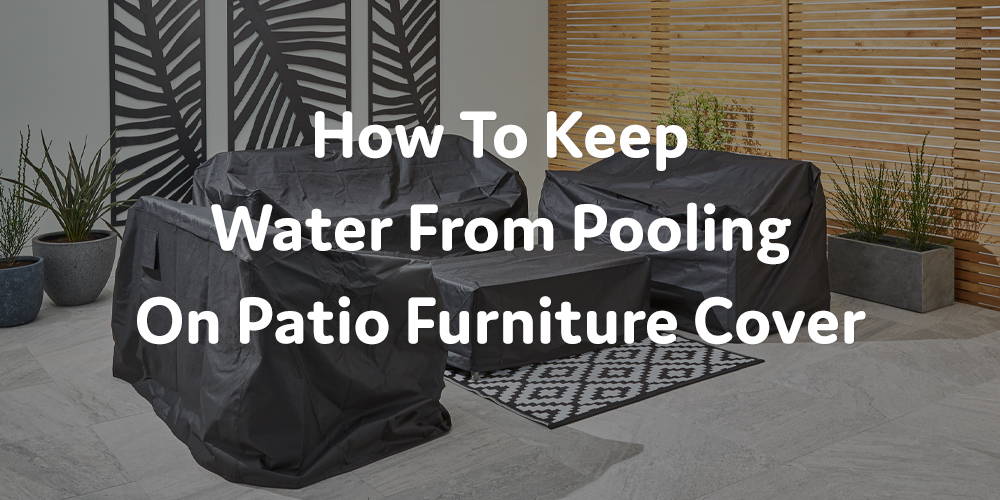
Using protective covers is a simple way to keep outdoor furniture safe. Covers block rain, dust, and sun damage. They help furniture last longer and look new. Covers also stop dirt and bird droppings from piling up. This saves time and effort on cleaning. Proper covers fit well and protect every part of the furniture.
Selecting The Right Covers
Choose covers made from strong, waterproof material. Look for fabrics that resist UV rays to prevent fading. Covers with vents allow air to flow and stop mold. Pick covers that fit your furniture’s size and shape. A tight fit keeps wind from blowing covers off. Check for straps or ties to secure covers in place.
Proper Covering Techniques
Clean furniture before covering it to avoid trapping dirt. Dry the furniture completely to prevent mold growth. Place the cover gently over the furniture, covering all parts. Use straps or fasteners to hold the cover tight. Avoid wrinkles where water can collect. Remove covers on sunny days to air out furniture and covers.
Apply Sealants And Treatments
Protecting outdoor furniture extends its life and keeps it looking fresh. Applying sealants and treatments creates a strong barrier. This barrier stops damage from water, sun, and dirt. Each material needs a different kind of care. Choose the right product for wood, metal, or fabric. Proper treatment helps furniture resist cracks, rust, and stains.
Wood Sealants
Wood sealants keep moisture out. They prevent wood from swelling and cracking. Use a clear sealant to keep natural wood color. Some sealants add a slight shine for beauty. Apply with a brush or cloth. Let it dry completely before using furniture. Reapply every year or after heavy rain.
Metal Rust Protection
Metal furniture needs rust protection. Rust weakens the metal and ruins its look. Use rust-proof spray or paint made for metal. Clean the metal surface well before applying. Cover every part to block water and air. Check for chips or scratches and fix them fast. This keeps rust from starting or spreading.
Fabric Waterproofing
Fabric on outdoor furniture must resist water and stains. Use waterproof sprays designed for outdoor fabrics. Spray evenly and let it dry fully. These treatments stop water from soaking in. They also make cleaning easier. Repeat treatment every few months for best results.
Store Furniture During Harsh Weather
Storing outdoor furniture during harsh weather protects it from damage. Rain, snow, and strong winds can wear down materials. Proper storage helps keep your furniture clean and safe. It extends the life of your pieces and saves money on repairs or replacements.
Indoor Storage Tips
Find a dry, cool place inside your home or garage. Avoid areas with high humidity to prevent mold and mildew. Clean furniture before storing to remove dirt and moisture. Cover items with breathable fabric or furniture covers. Stack chairs and tables carefully to save space and avoid scratches. Use furniture sliders or pads to protect floors and furniture legs.
Temporary Shelters
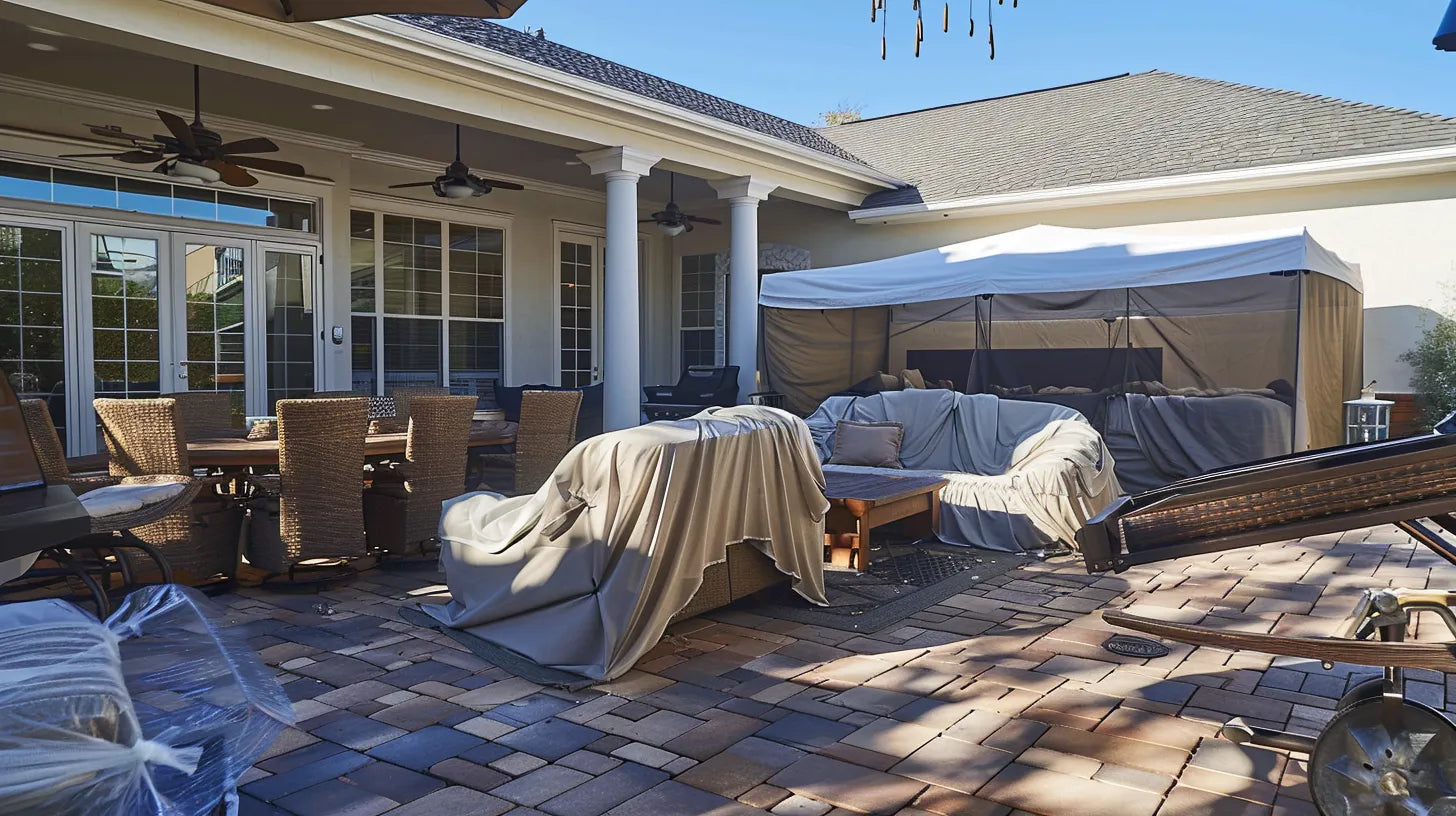
Use tents or pop-up canopies to shield furniture outdoors. Choose shelters with waterproof and UV-resistant covers. Secure the shelter to prevent it from blowing away in strong winds. Place furniture on pallets or raised platforms to avoid ground moisture. Ventilate the area to reduce humidity buildup. Check shelters regularly for damage or leaks.
Clean Furniture Regularly
Keeping outdoor furniture clean protects it from dirt, dust, and damage. Regular cleaning helps maintain the look and extends its life. Dirt and grime can cause wear and tear over time. Clean furniture often to keep it fresh and inviting.
Safe Cleaning Solutions
Use gentle cleaners made for outdoor furniture. Avoid harsh chemicals that can damage surfaces. Mild soap mixed with water works well for most materials. For wood, use a cleaner designed to protect the finish. Test cleaners on a small area before full use. Soft brushes or cloths prevent scratches during cleaning.
Cleaning Frequency
Clean furniture at least once a month. Increase cleaning after storms or heavy use. Remove leaves and debris quickly to avoid stains. Seasonal deep cleaning helps prepare furniture for weather changes. Regular care prevents buildup and keeps furniture looking new.
Prevent Pest Damage
Outdoor furniture faces many threats from pests. Bugs and insects can damage wood, fabric, and metal parts. Protecting your furniture from pest damage helps it last longer and stay attractive. Knowing which pests cause harm allows you to act fast and keep your furniture safe.
Identifying Common Pests
Termites are a major threat to wooden furniture. They eat wood from inside, causing hidden damage. Carpenter ants also bore into wood, creating tunnels. These pests weaken the structure over time.
Spiders and wasps may build nests on furniture. While they do not harm the furniture, their presence can be annoying and scary. Beetles and moths can damage fabric cushions or covers. They leave holes or chew marks on the material.
Pest Control Methods
Keep furniture clean and dry to reduce pest attraction. Wipe down surfaces regularly to remove dirt and crumbs. Use natural repellents like cedar or lavender sachets near furniture. These scents help keep insects away.
Seal cracks and holes where insects enter or hide. Apply insecticide sprays designed for outdoor use carefully. Store cushions and fabric items inside when not in use. Inspect furniture often to catch pest problems early.
Position Furniture Strategically
Positioning outdoor furniture correctly helps it last longer and stay nice. Proper placement reduces damage from weather and sun. It also makes your space more comfortable and inviting.
Think about natural elements around your yard. Use trees, walls, or fences to shield your furniture. A good spot can protect wood, metal, and fabric from quick wear.
Avoid Direct Sunlight
Sunlight can fade colors and dry out materials. Place furniture in shaded areas or under umbrellas. This keeps cushions soft and wood from cracking. Shade also makes seating cooler on hot days.
Protect From Wind And Rain
Strong wind can tip over light furniture or blow away cushions. Place pieces near walls or behind hedges to block wind. Rain causes rust and mold on many materials. Use covered patios or awnings to keep furniture dry. This protects surfaces and extends their life.

Credit: www.hookandloop.com
Inspect And Repair Promptly
Inspecting and repairing outdoor furniture quickly helps keep it strong and good-looking. Small problems can turn into big damage if ignored. Checking your furniture often lets you find issues early. Fixing these issues right away saves money and time. It also keeps your furniture safe and comfortable for use.
Spotting Early Damage
Look closely at all furniture parts. Check for cracks, rust, and loose screws. Watch for fading paint or worn fabric. Notice any wobbling or unstable legs. Early signs are easy to miss but important. Catch problems before they get worse. Regular checks are a smart habit to develop.
Diy Repairs
Simple repairs can be done at home. Tighten screws and bolts with a screwdriver. Use sandpaper to smooth rough or chipped areas. Apply rust remover and paint to metal parts. Patch small tears in fabric with glue or needle. Use wood filler for cracks or holes. These fixes keep furniture usable longer. Save time and avoid costly replacements.
Credit: fj-outdoors.com
Frequently Asked Questions
How Do I Protect Outdoor Furniture From Weather Damage?
Use waterproof covers and apply sealants or protective sprays. Store furniture indoors during harsh weather. Regularly clean and dry surfaces to prevent mold and rust.
What Materials Resist Outdoor Furniture Damage Best?
Teak, aluminum, and synthetic wicker resist weather well. They withstand moisture, sun, and temperature changes better than untreated wood or iron.
How Often Should I Clean Outdoor Furniture?
Clean furniture at least once a month. Frequent cleaning removes dirt, pollen, and debris that cause wear. Use mild soap and water for best results.
Can Cushions Be Protected From Outdoor Damage?
Yes, use water-resistant cushion covers and store cushions indoors when not in use. Regularly clean and dry cushions to prevent mildew and fading.
Conclusion
Protecting outdoor furniture takes simple, regular care. Cover pieces when not in use. Clean them gently to remove dirt and dust. Store cushions in dry places during rain. Use weatherproof sprays to keep materials strong. Small actions prevent damage and extend furniture life.
Enjoy your outdoor space longer with these easy tips. Keep furniture looking good season after season.